
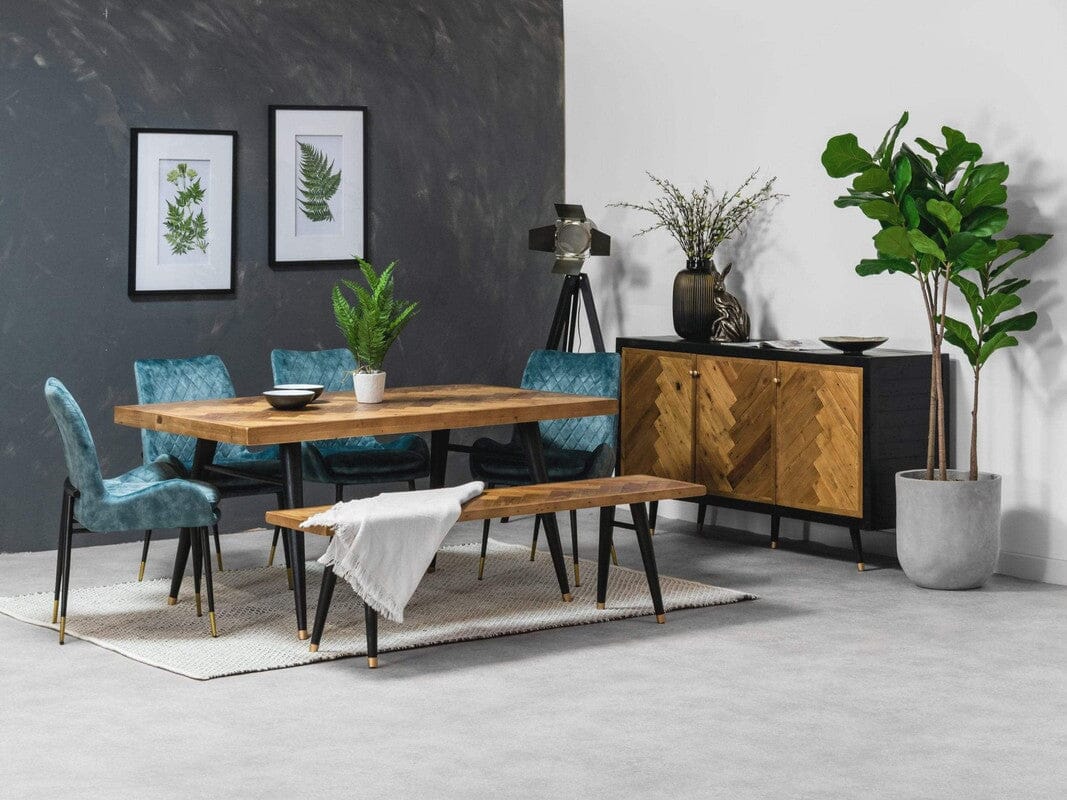
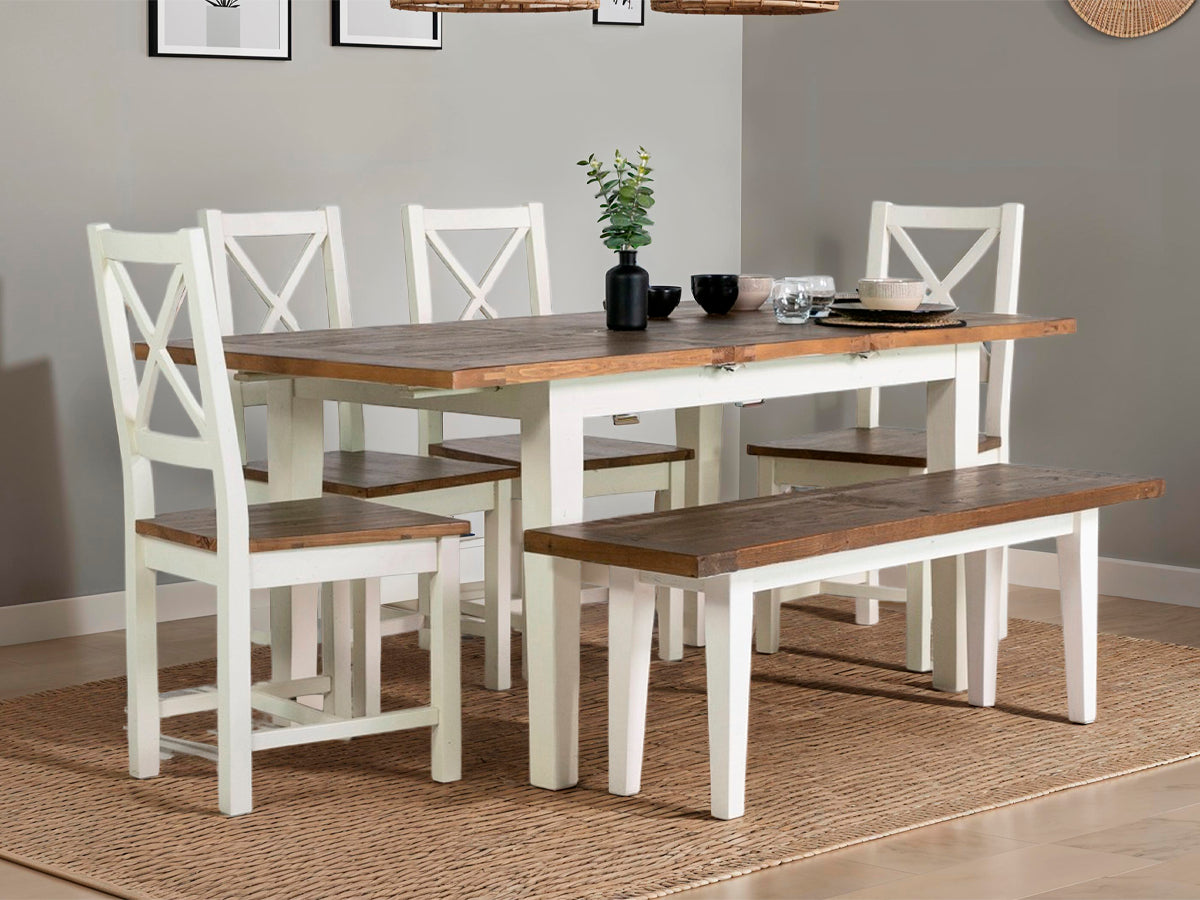
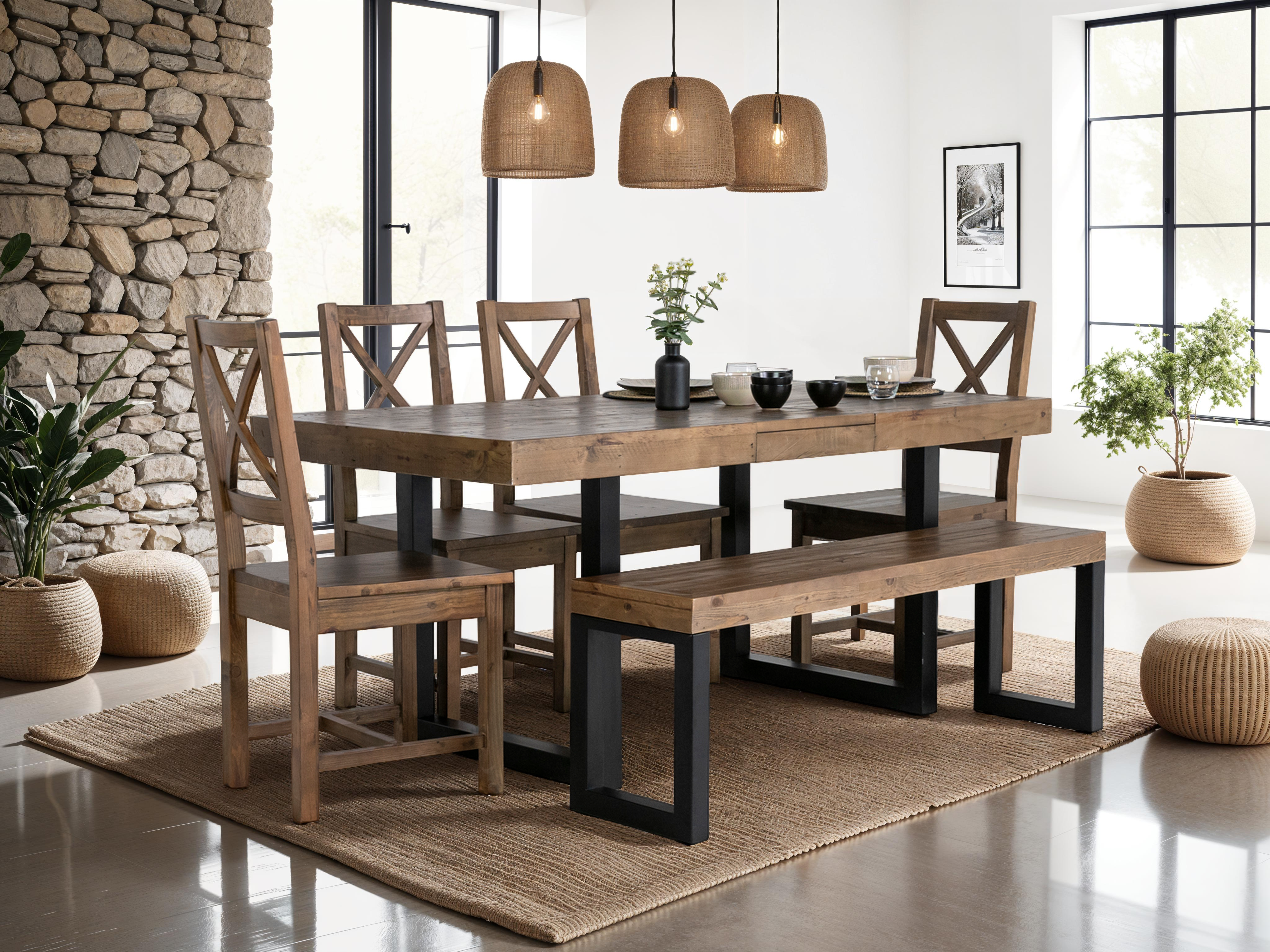
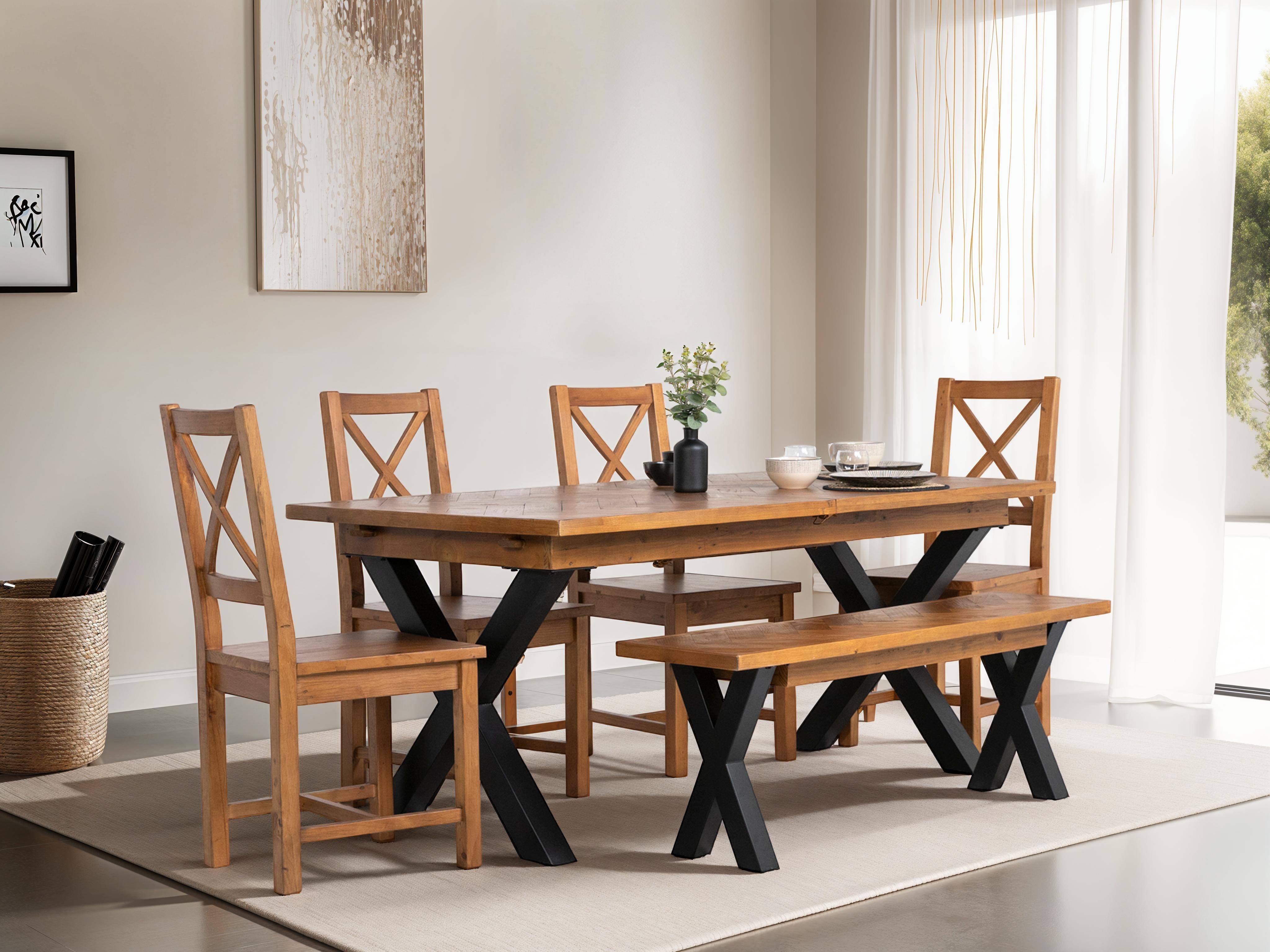




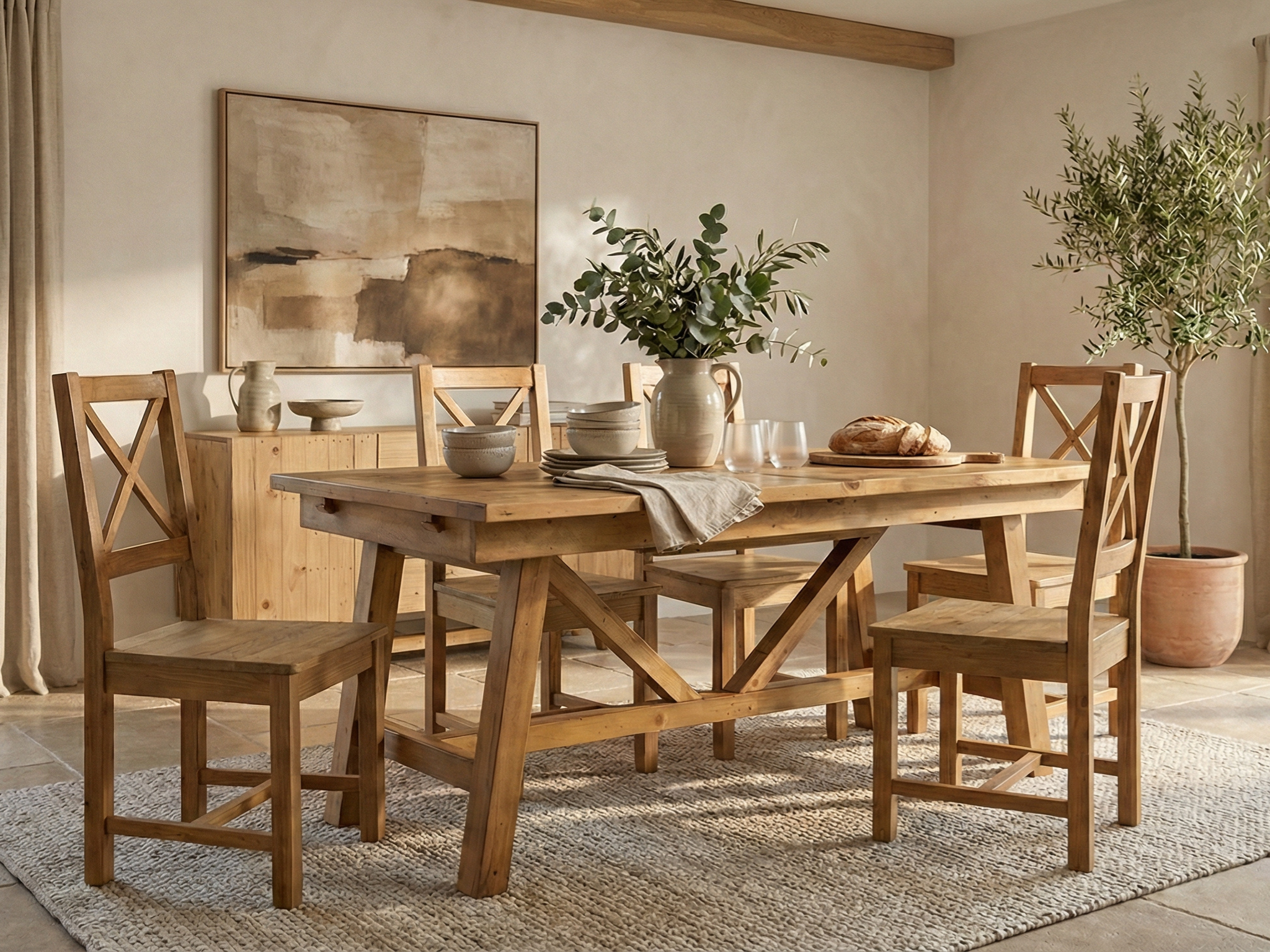

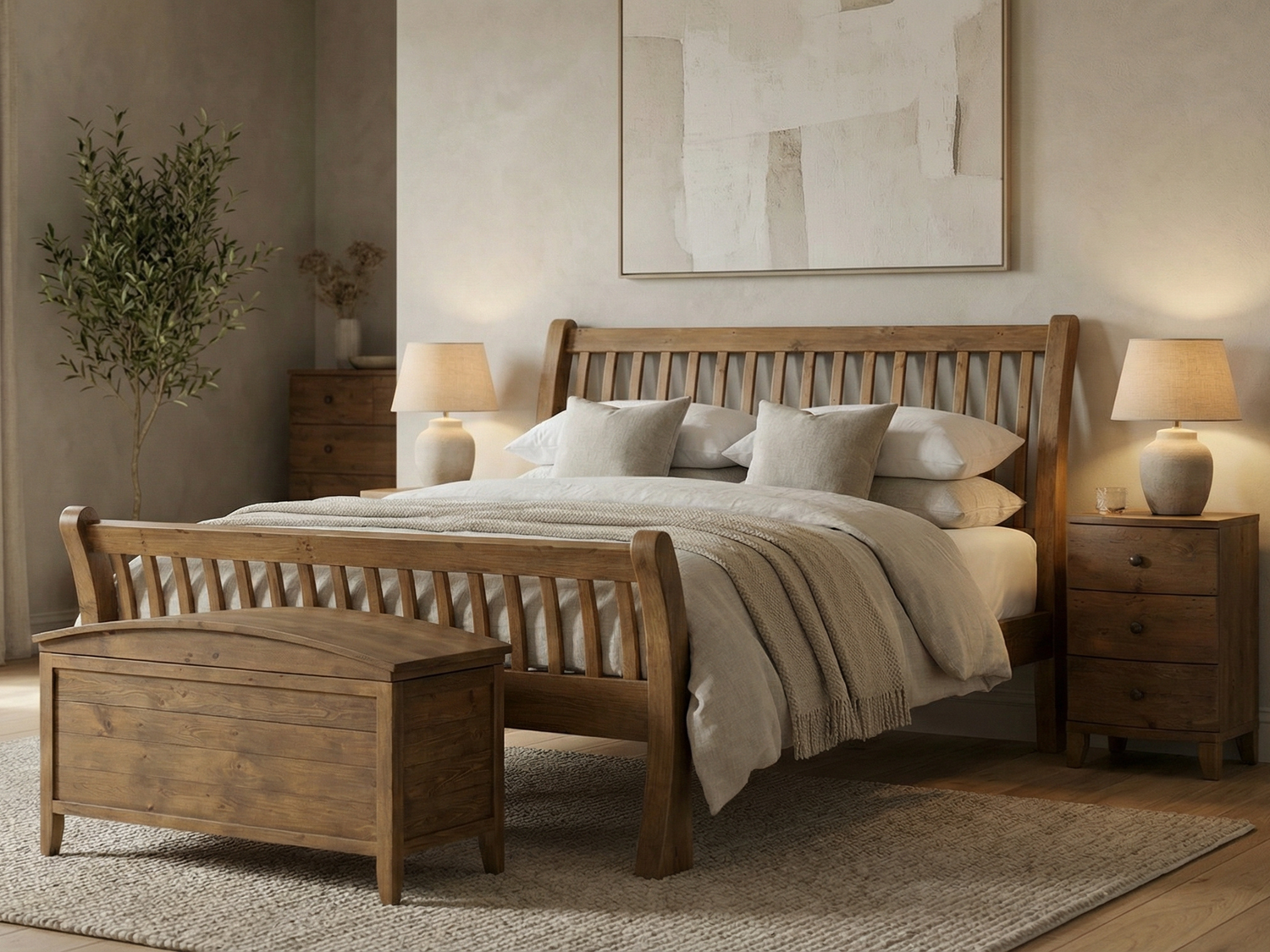
If you've bought a piece of furniture in the last year or two, there's a decent chance sustainability shaped that choice somewhere along the way - even if it wasn't the headline reason. A reclaimed dining table instead of a flat-pack one. A warmer, earthier colour scheme instead of the last decade's stark whites and greys. The sustainable interior design trends shaping UK homes in 2026 have quietly stopped being a specific look and turned into a set of habits most people are already following, from choosing reclaimed wood furniture over mass-produced pieces to rethinking how a room is put together in the first place.
This isn't a piece about carbon footprints or supply chains - we've covered that ground elsewhere. This is about what these trends actually look like once they're in your living room, bedroom, or dining space, and how to bring them into your own home without it feeling like a lecture.
What Sustainable Interiors Actually Look Like in a Room
For a long time, sustainable design was shorthand for a specific aesthetic - all bare wood, muted tones, and a slightly worthy feel. That's changed. Sustainable furnishings now sit comfortably in bold, maximalist rooms just as easily as pared-back ones. What connects them isn't a look, it's an approach: materials with a history, pieces made to last, and rooms that don't need refreshing every time a trend cycle turns over.
In practice, that means fewer disposable purchases and more furniture chosen for earning its place. A dining table someone will actually sit at for twenty years. A sideboard that gets better with knocks and marks rather than worse. That shift in thinking is really what's driving every trend below.

Reclaimed Furniture Takes Centre Stage
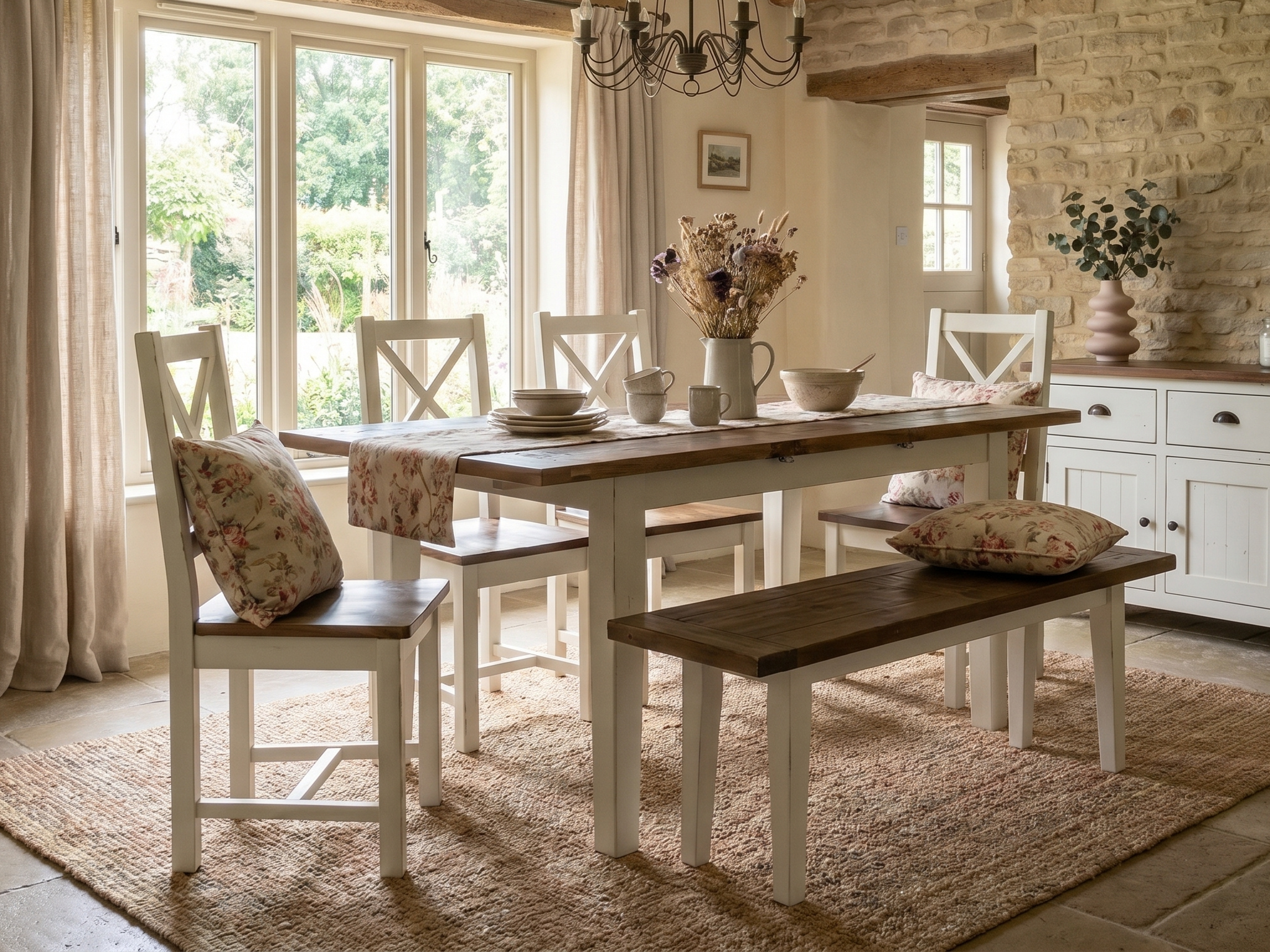
Reclaimed wood furniture has moved from a specialist choice to a genuine mainstream trend, and upcycled furniture more broadly is following close behind. Part of the appeal is practical - solid reclaimed timber holds up to daily life far better than flat-pack composite. Part of it is simply that no two pieces look the same.
At Reclaim Nation, this comes down to the wood itself. Our pieces are built primarily from pine and elm, salvaged from old floorboards, pallets, railway sleepers and manufacturing offcuts rather than freshly felled timber. Pine in particular hardens as it goes through the reclaiming process, which is part of why older reclaimed pieces often feel sturdier than something bought new. Nothing goes to waste in the process either - offcuts that can't be used in furniture are used to fuel the kilns and boilers on site.
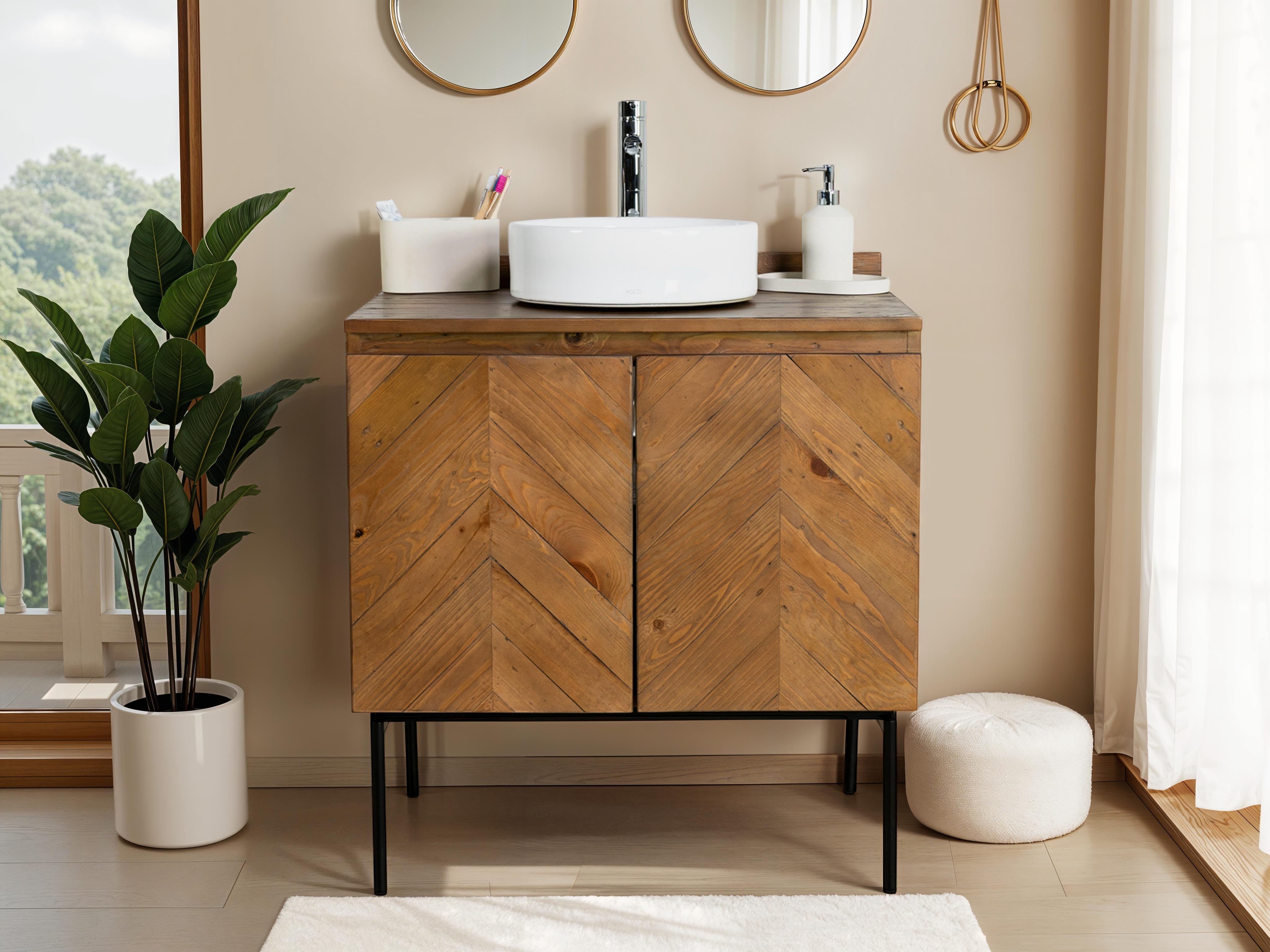
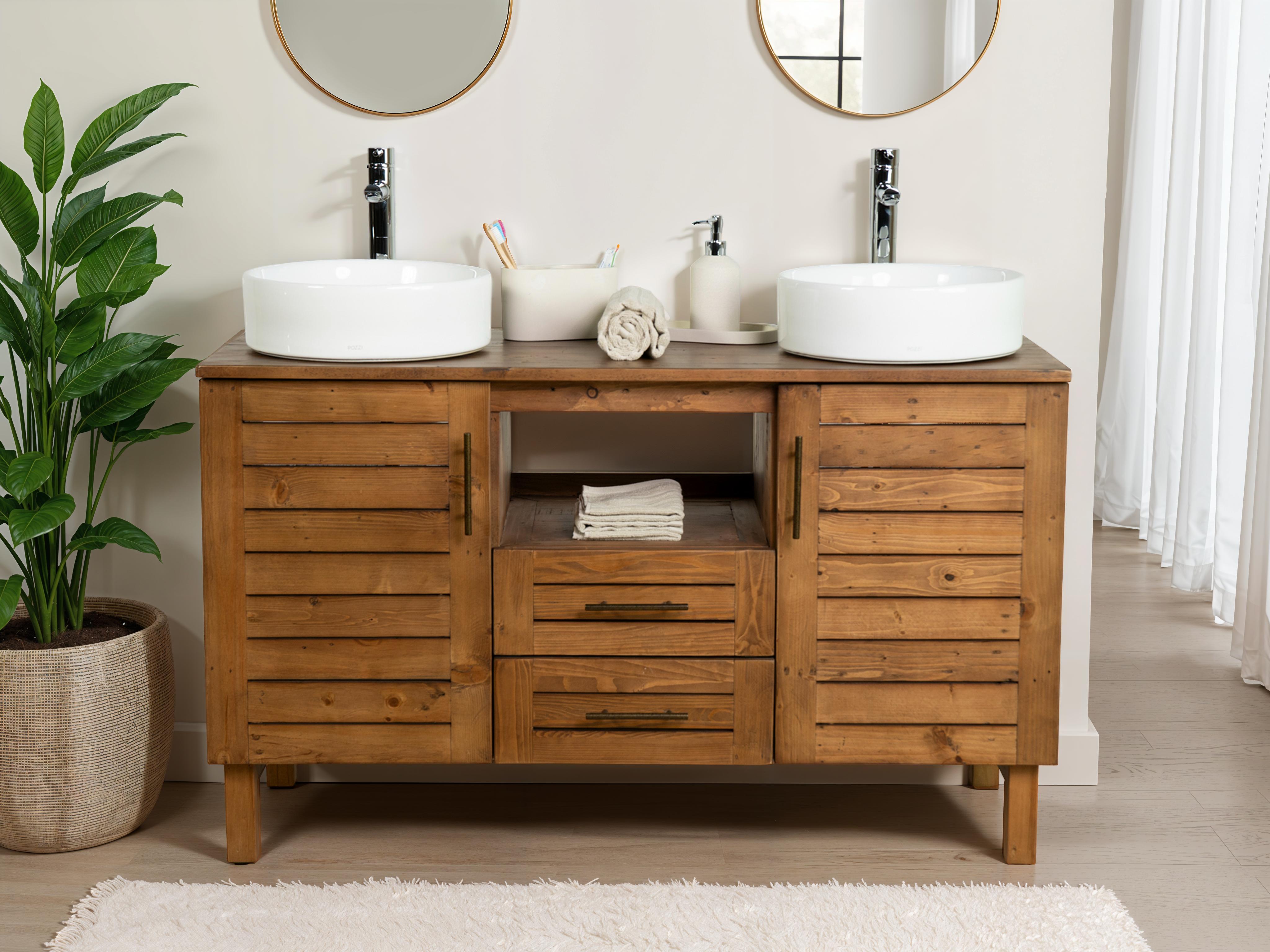
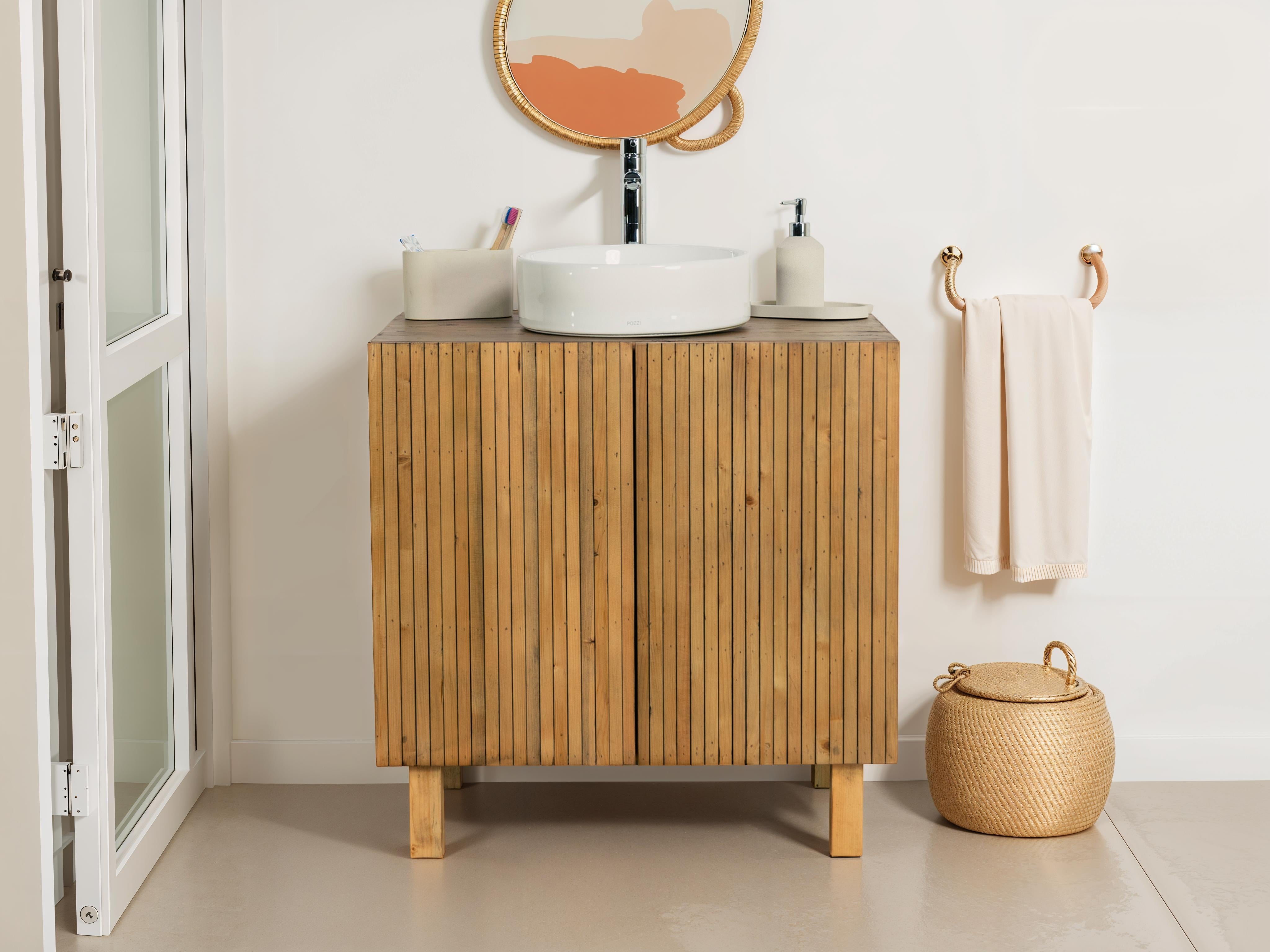
You'll see this trend show up most obviously in statement storage pieces. A set of sideboards or a chest of drawers with visible grain and knot patterns does more to anchor a room than anything mass-produced ever could, simply because the character can't be replicated.
It's worth remembering this trend isn't only about buying new. An older piece already in the house - a chest of drawers, a cabinet, a bench that's seen better days - can often be sanded back, refinished or given a new spot in a different room rather than replaced outright. Not everything sustainable needs to arrive through the front door.
Biophilic Design - Bringing the Outdoors In
Biophilic design is one of those terms that sounds more complicated than it is. At its core, it just means designing rooms that reconnect people with the natural world - through light, plants, texture and organic materials rather than synthetic ones.
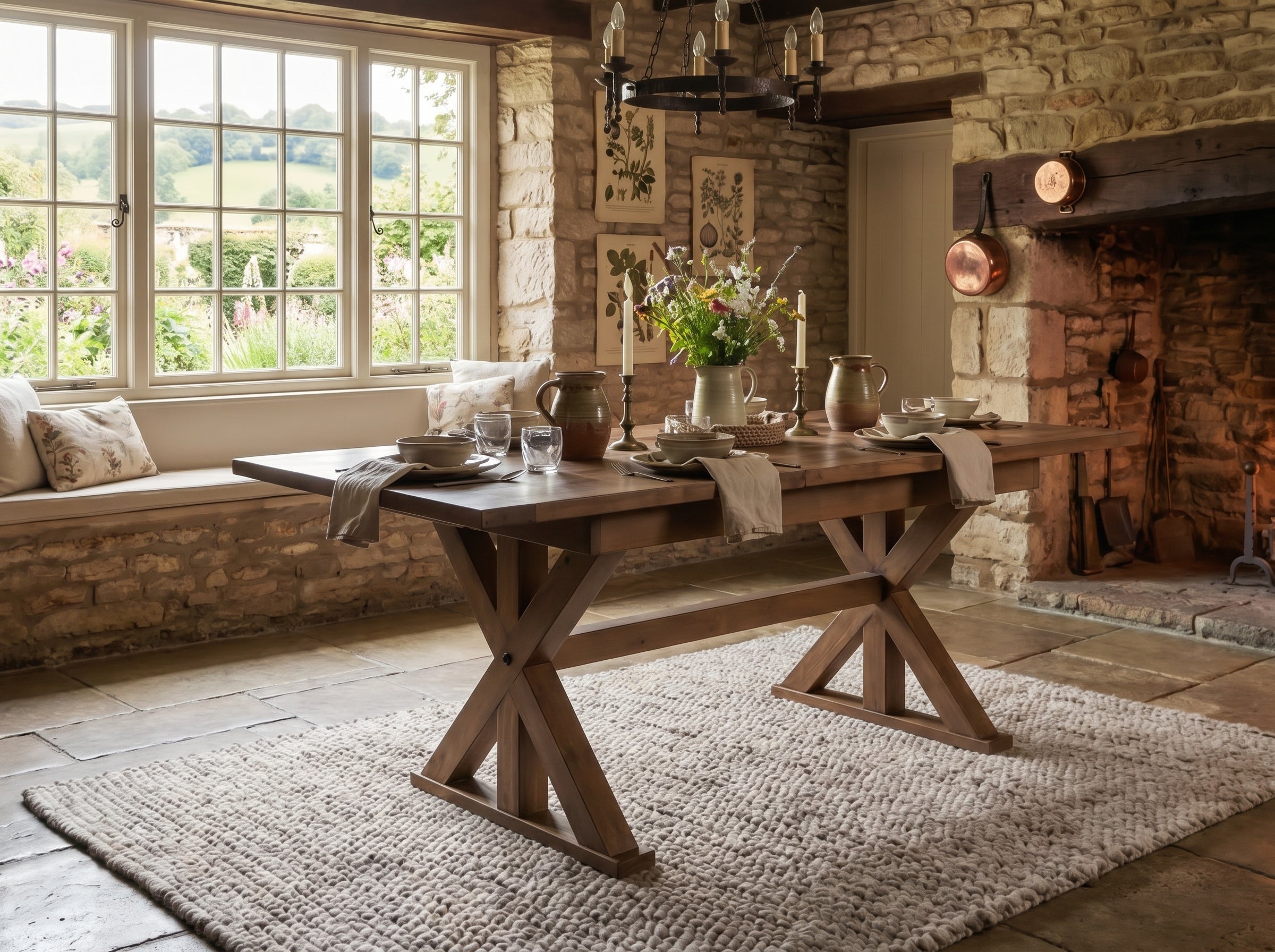
Reclaimed wood plays naturally into this. Unlike a flat, uniform veneer, timber with visible grain, colour variation and the odd knot mimics the irregularity you'd find outdoors, which is part of why it tends to make a room feel warmer rather than staged. The same logic extends beyond wood - linen, wool and woven natural fibres bring a similar sense of texture and imperfection, and layering a few of these together tends to do more for a room than any single statement piece.
It doesn't need to be complicated. A wooden surface near a window, a few well-placed plants, and materials that show their texture rather than hiding it will get you most of the way there.

Tulsa Bar Table & Tulsa Bar Stools Package Deal
Natural Colour Palettes Are Replacing Bold Trends
Sharp, high-contrast colour schemes are giving way to warmer, earthier palettes - clay, sage, oat, walnut. Part of this is a direct response to sustainable furnishings themselves. Once a room is built around natural materials, bold synthetic colour tends to clash with them rather than complement them.
One shift worth noting: fewer people are trying to match every wood finish perfectly. A reclaimed dining table paired with oak shelving or a darker walnut sideboard is increasingly the point, not a mismatch to correct. A room where every wood tone matches exactly can end up looking like it was bought in one visit. A room with a mix of tones looks collected - built up piece by piece, the way most homes actually come together.
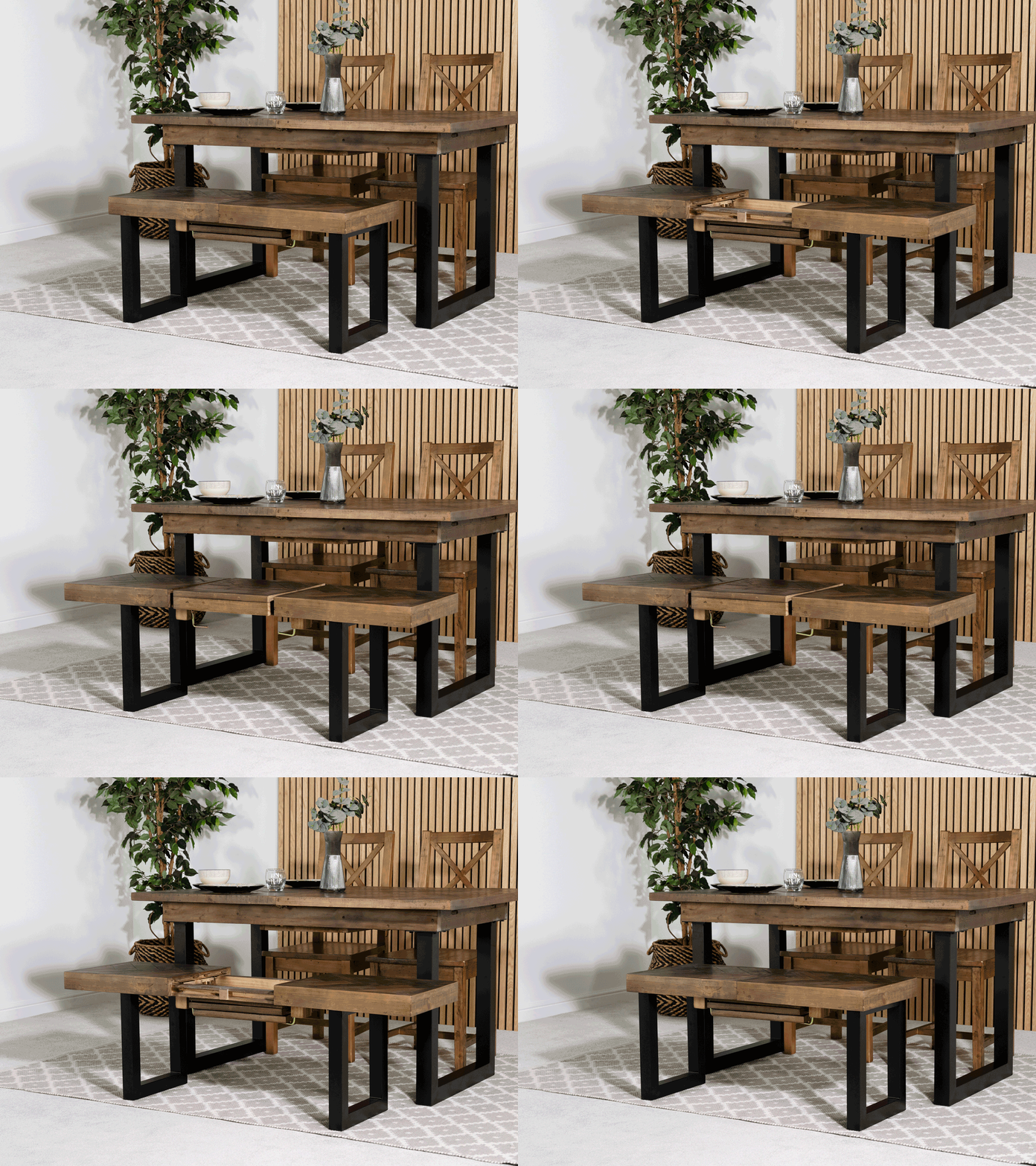
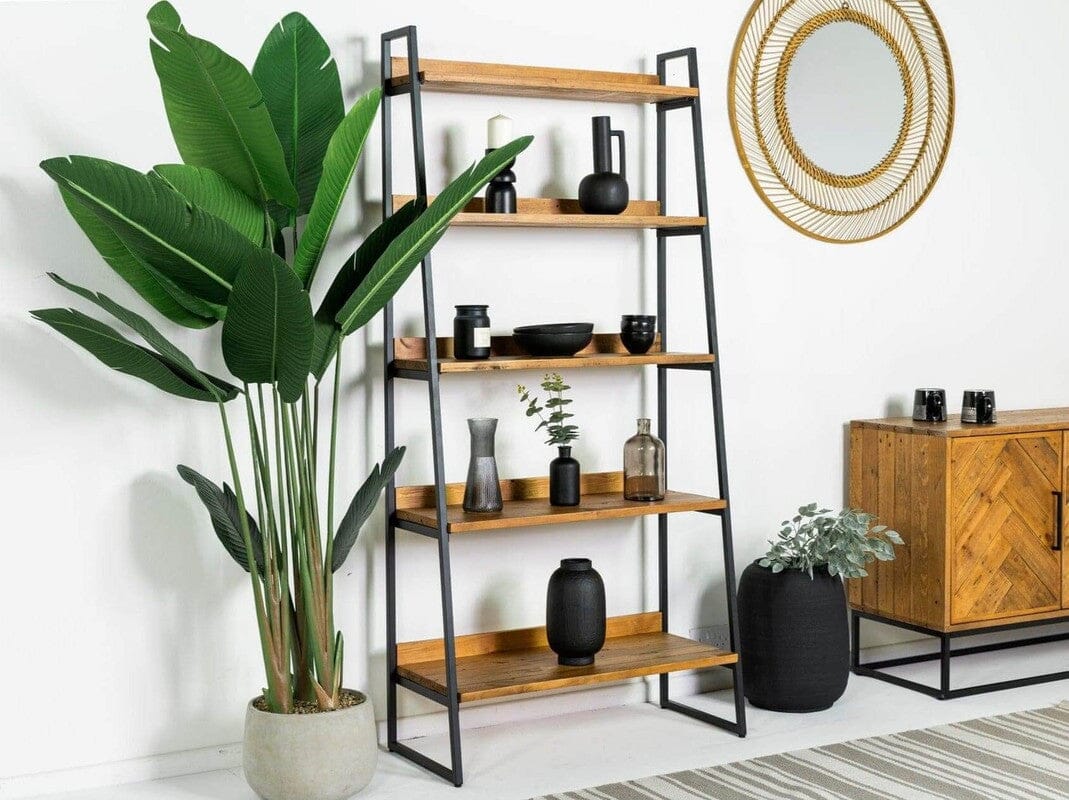
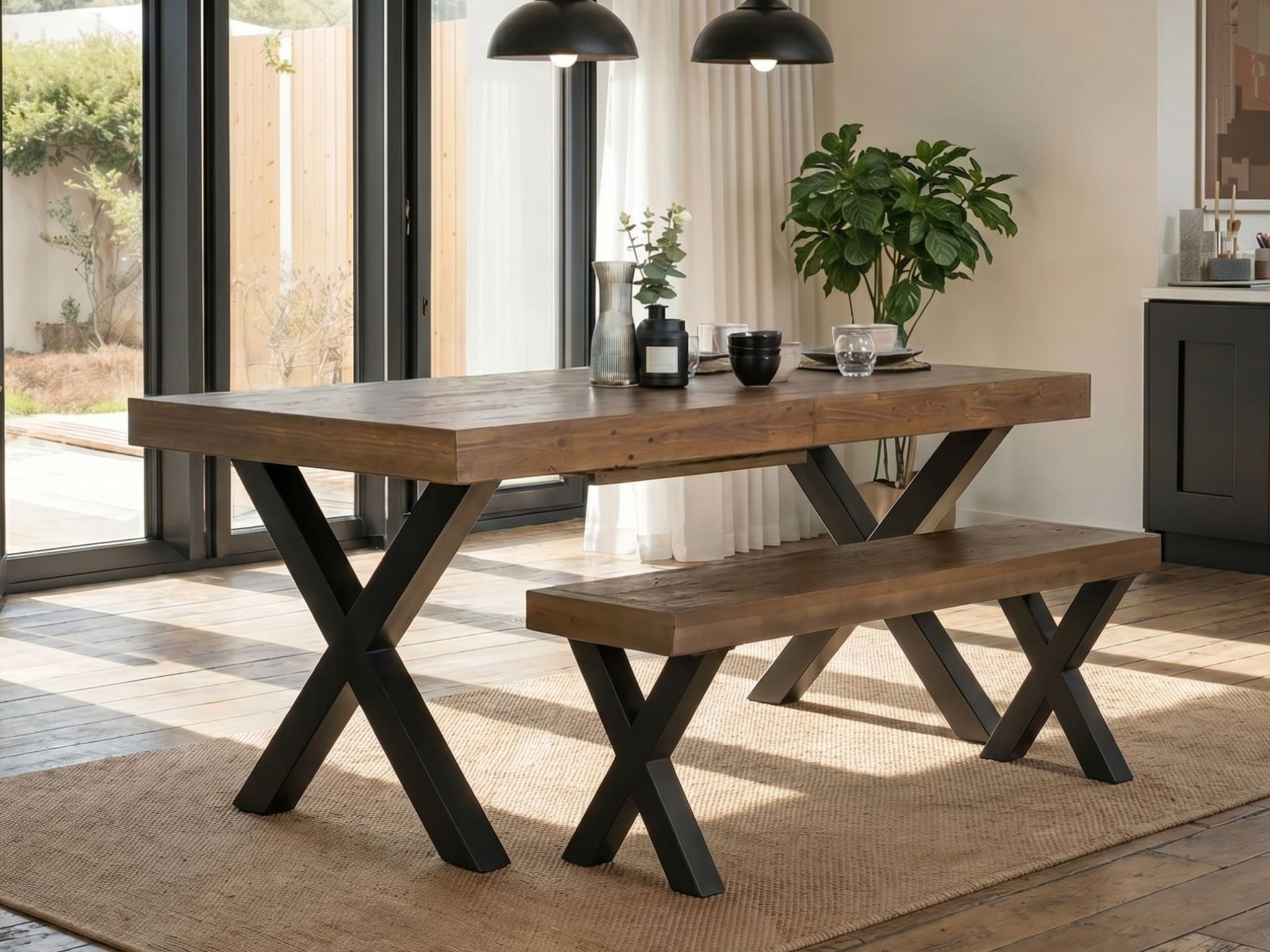
This is also where an interesting shift is happening with style categories that used to feel quite stark. Industrial style furniture, for example, is genuinely evolving rather than fading out - it's being softened. Raw metal and dark wood are increasingly paired with warmer textiles and natural tones instead of the cold, all-grey interiors the style was known for a few years ago. If that's a direction you're drawn to, our industrial style furniture collection shows how that pairing works in practice.
If you're planning a larger redesign rather than a single piece, it's worth bringing these ideas together before you buy anything. Creating a mood board can help you settle on a colour palette, work out which wood tones you want to mix, and see how reclaimed pieces and natural textures sit together before committing to anything.
Minimalism With Substance, Not Just Empty Space
Minimalist aesthetics haven't gone anywhere, but the definition has matured. It's less about stripping a room bare and more about being deliberate - fewer pieces, chosen with more care, each one doing real work in the space.
Shape is playing a bigger role here too. Softer, rounder forms are replacing sharp edges in a lot of dining and living spaces - part comfort, part practicality in smaller rooms. It's why round dining tables have had such a strong run over the past couple of years. They take up less visual space, encourage conversation rather than a formal line-up of seats, and pair naturally with the kind of organic materials this whole trend is built around.

Brooklyn Round Dining Table & Black Bogart Dining Chairs
Bringing Sustainable Design Into Your Own Home
You don't need to overhaul a whole house to make it feel more considered. A few starting points:
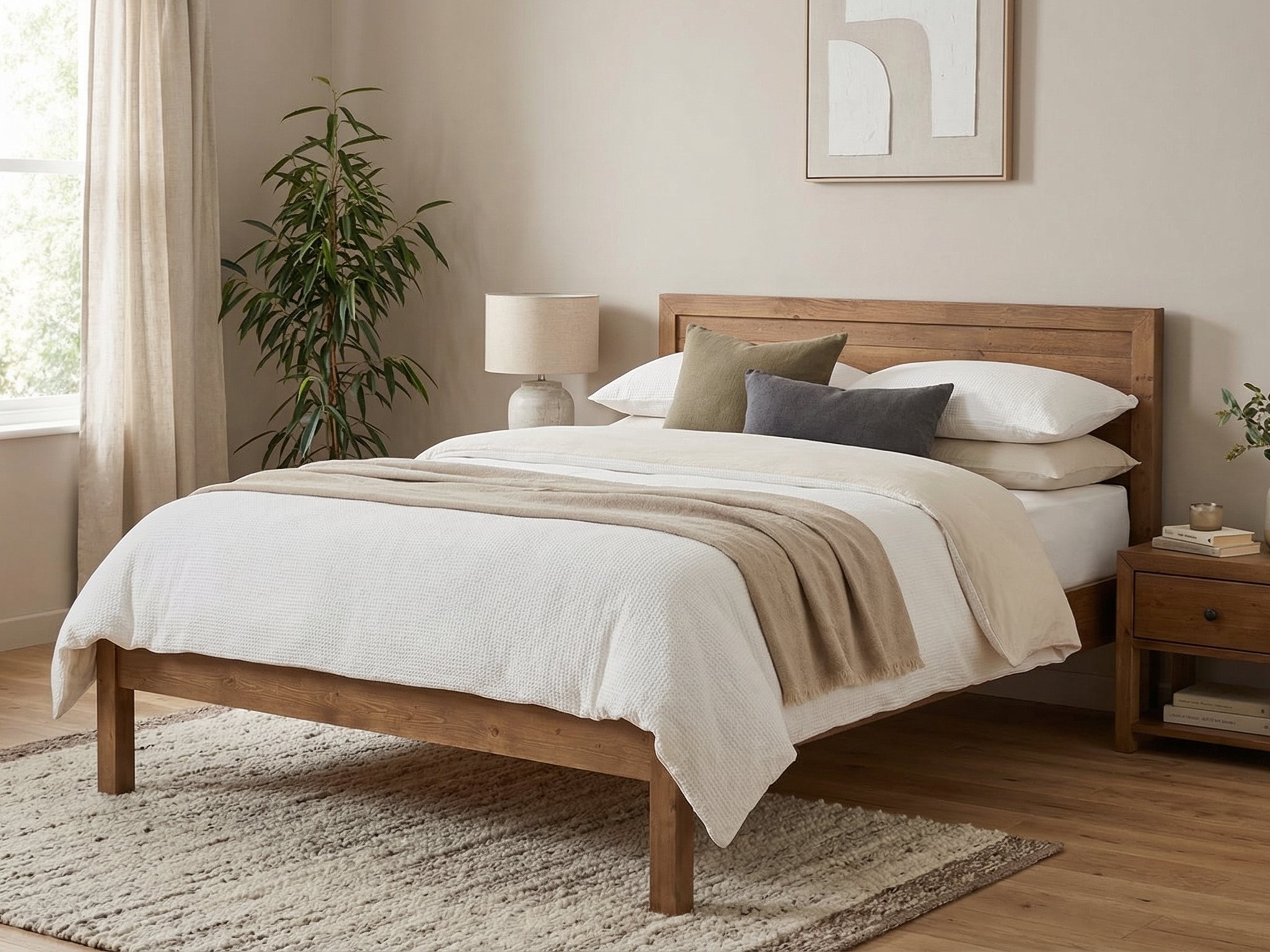
Start with one anchor piece. A dining table, a bed frame, or a sideboard in solid reclaimed wood does more to shift a room's feel than several smaller changes combined.
Layer in natural texture gradually. Linen, plants, unfinished wood grain - small additions that build on each other over time rather than a single big purchase.
Let storage do double duty. A blanket box at the end of a bed can be both practical and part of the wider aesthetic, rather than something purely functional bolted on afterwards.
Think in decades, not seasons. The most sustainable choice in any room is usually the one you won't feel the urge to replace in a few years.
None of this needs to happen overnight. Most homes get there piece by piece, swapping in solid, characterful furniture as older items reach the end of their life rather than replacing an entire room at once.
If you want to go deeper on how reclaimed timber actually compares to other sustainable materials, our piece on how reclaimed wood compares to new wood covers that in detail, and how recycled materials reduce waste at home looks at the wider picture beyond furniture.
Frequently Asked Questions on Sustainable Interior Design Trends
What is biophilic design in simple terms?
It's an approach to designing rooms that reconnects people with nature - through natural light, plants, organic textures and materials like reclaimed wood, rather than synthetic finishes.
Is reclaimed wood furniture still on trend for 2026?
Yes, and increasingly so. It fits naturally with biophilic design, natural colour palettes and the wider shift towards furniture chosen for longevity rather than a passing look.
Do sustainable interiors have to be minimalist?
Not at all. Sustainable furnishings work in maximalist, layered rooms just as well as pared-back ones. The common thread is material choice and longevity, not a specific style.
What's an easy way to start making a room more sustainable?
Begin with one solid, well-made piece - a table, sideboard or bed frame - rather than trying to change everything at once. If you already own something with good bones, refinishing or relocating it can work just as well as buying new.
Are industrial and sustainable design compatible?
Yes. Industrial style furniture has evolved to sit comfortably alongside natural materials and warmer palettes, rather than staying fixed to the harder, colder look it was once known for.

Leave a comment
This site is protected by hCaptcha and the hCaptcha Privacy Policy and Terms of Service apply.