
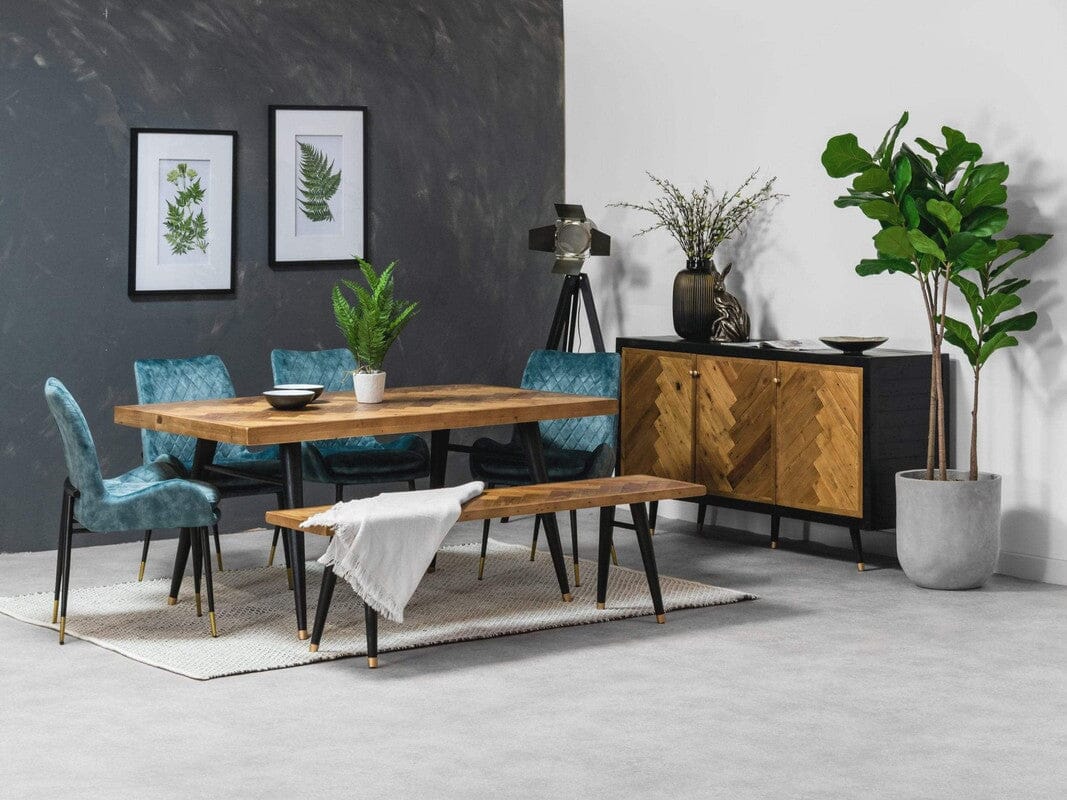
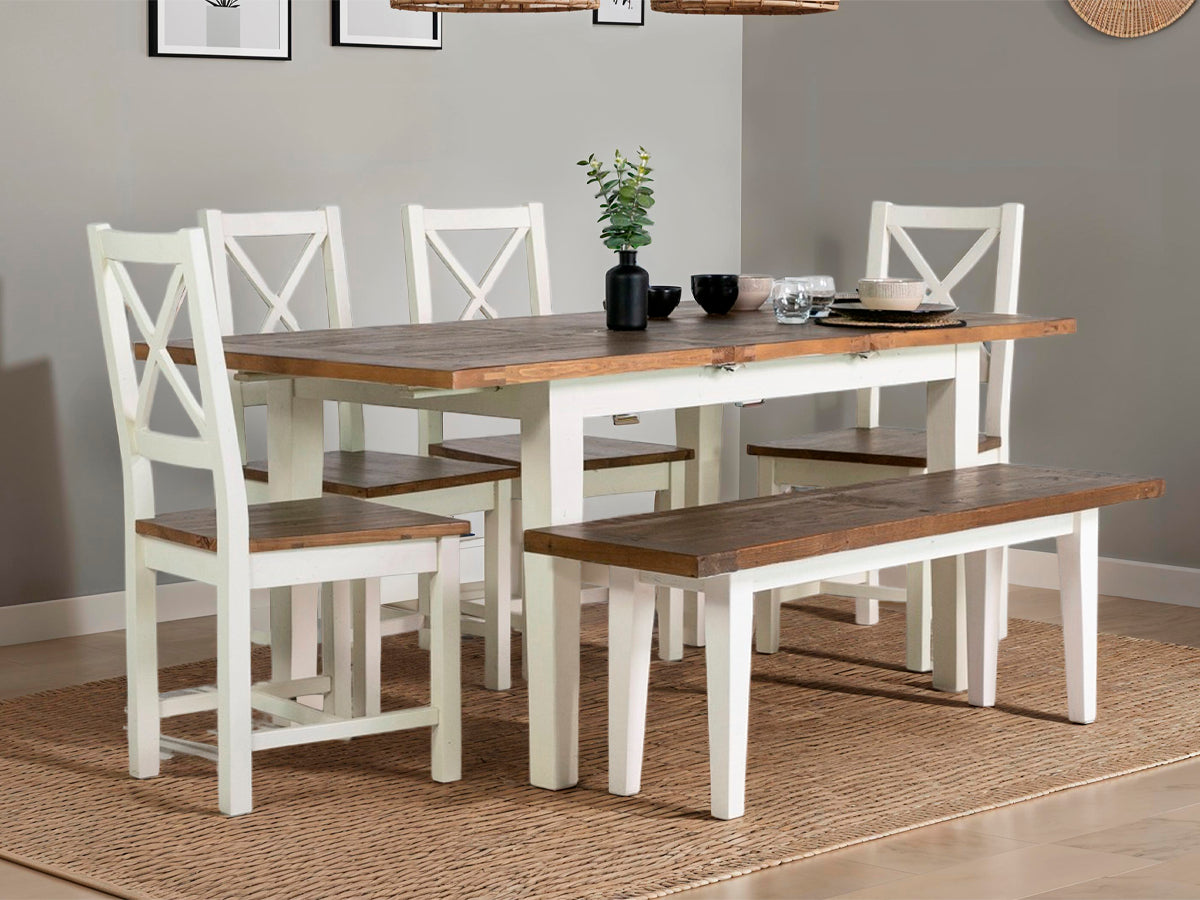
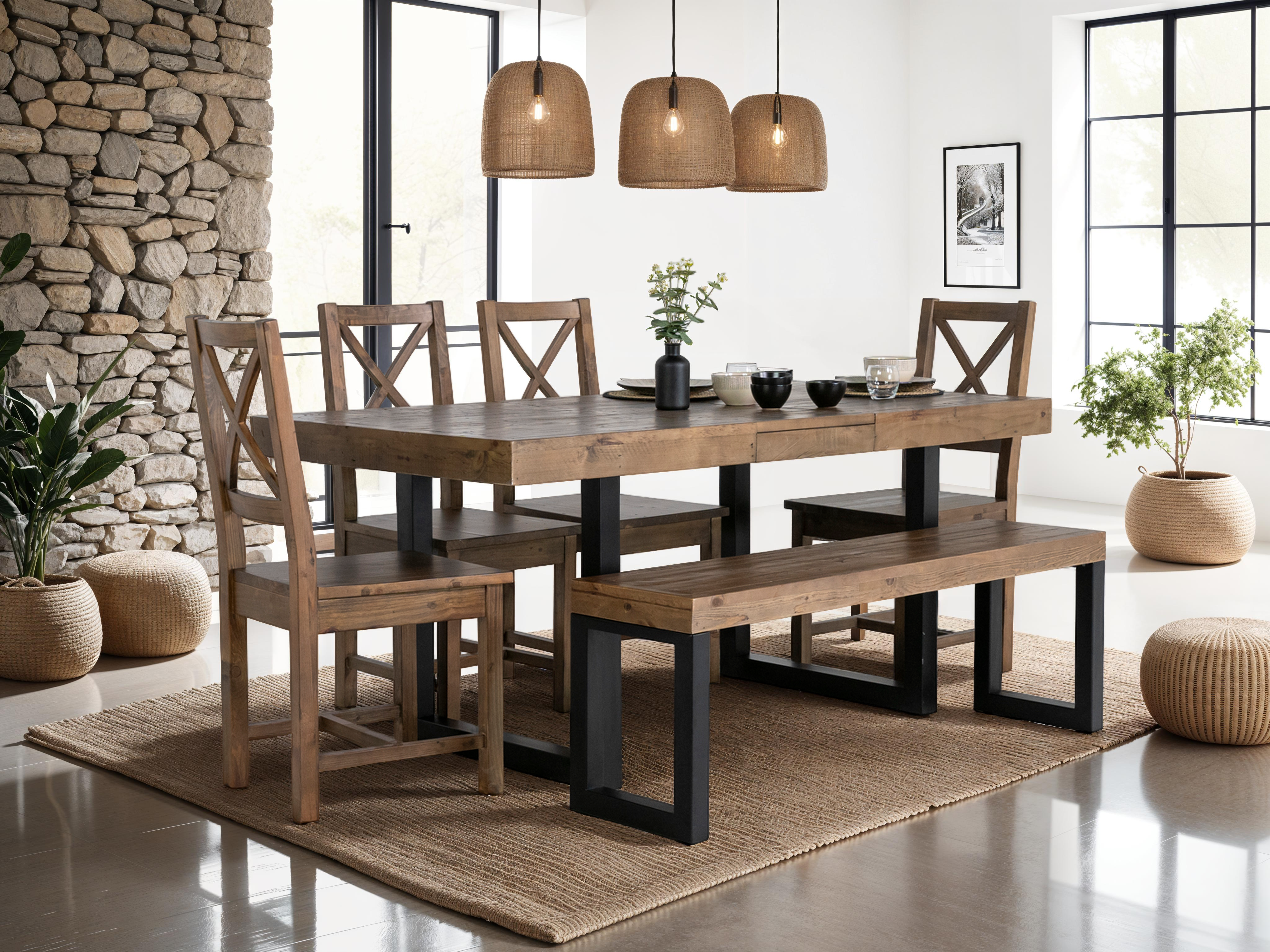
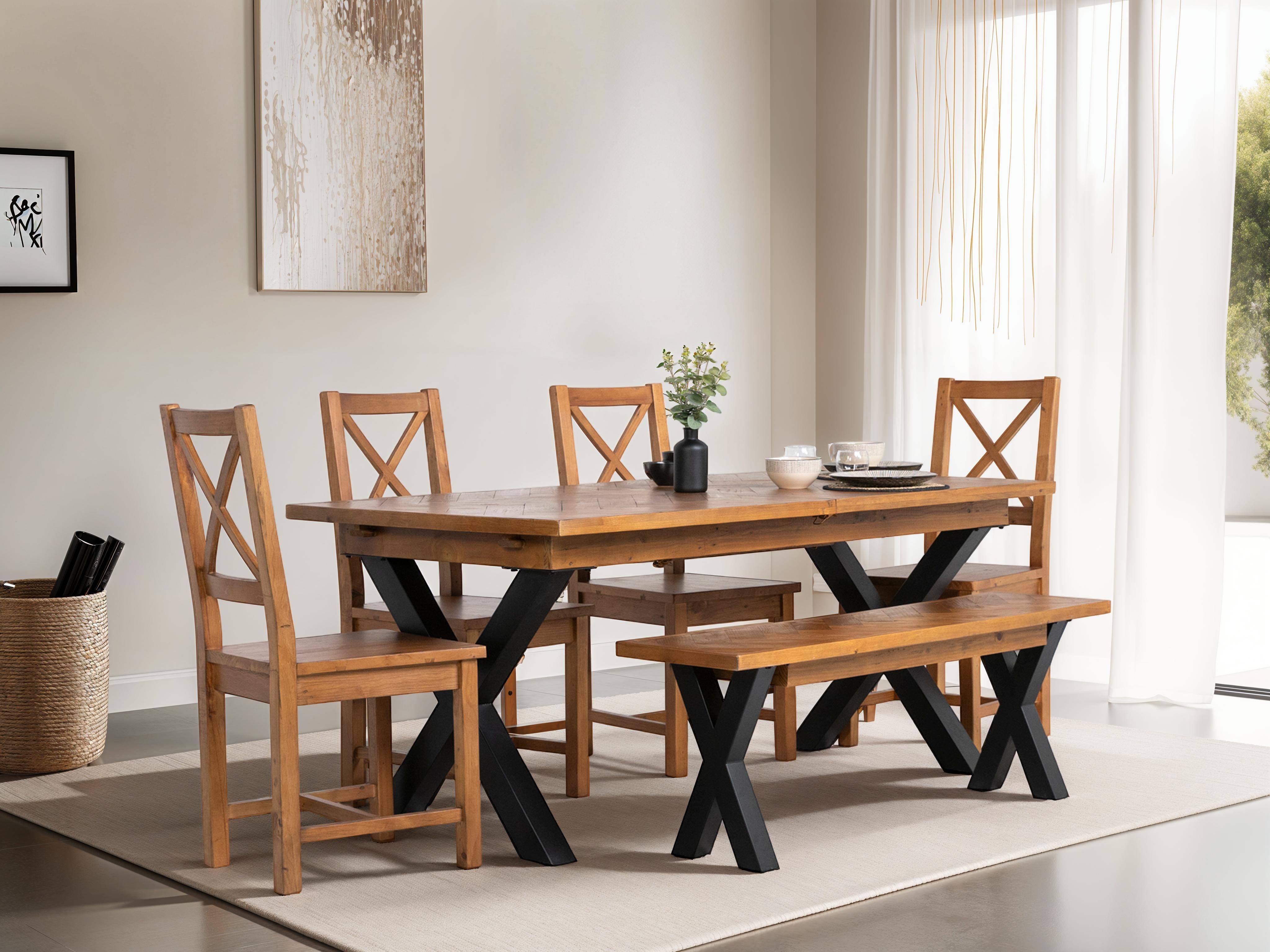






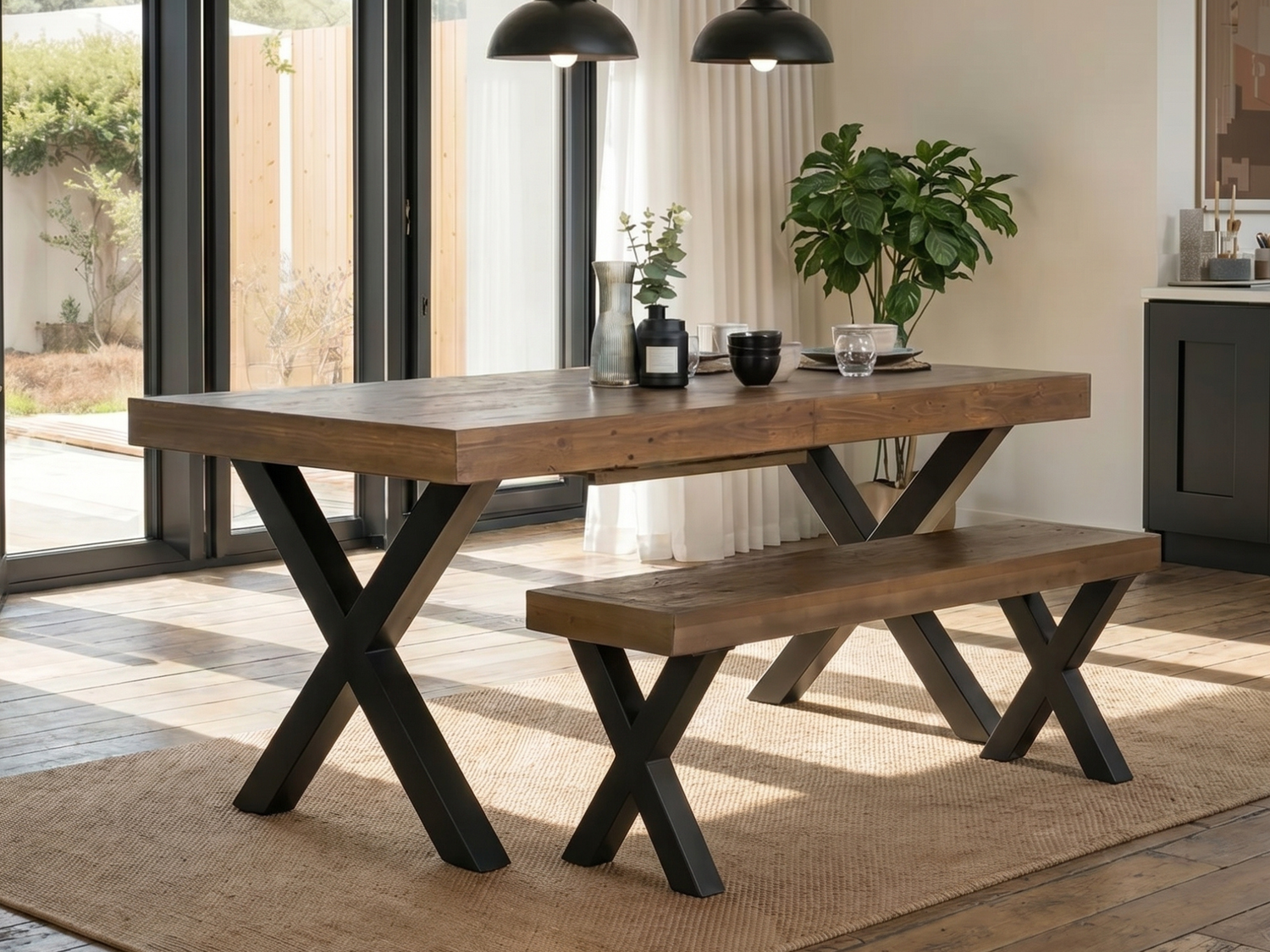
Walk into any showroom or scroll through enough interior design accounts, and you will notice reclaimed wood furniture keeps turning up in spaces that have clearly been thought through. Not as a sustainability footnote, but as the piece the whole room is built around. That is not an accident.
Designers are practical people. They choose materials because they solve a problem or add something that a new alternative cannot. With reclaimed wood furniture, the reasons go well beyond the eco credentials. This is what draws designers to it specifically and why it earns a place in rooms meant to last.

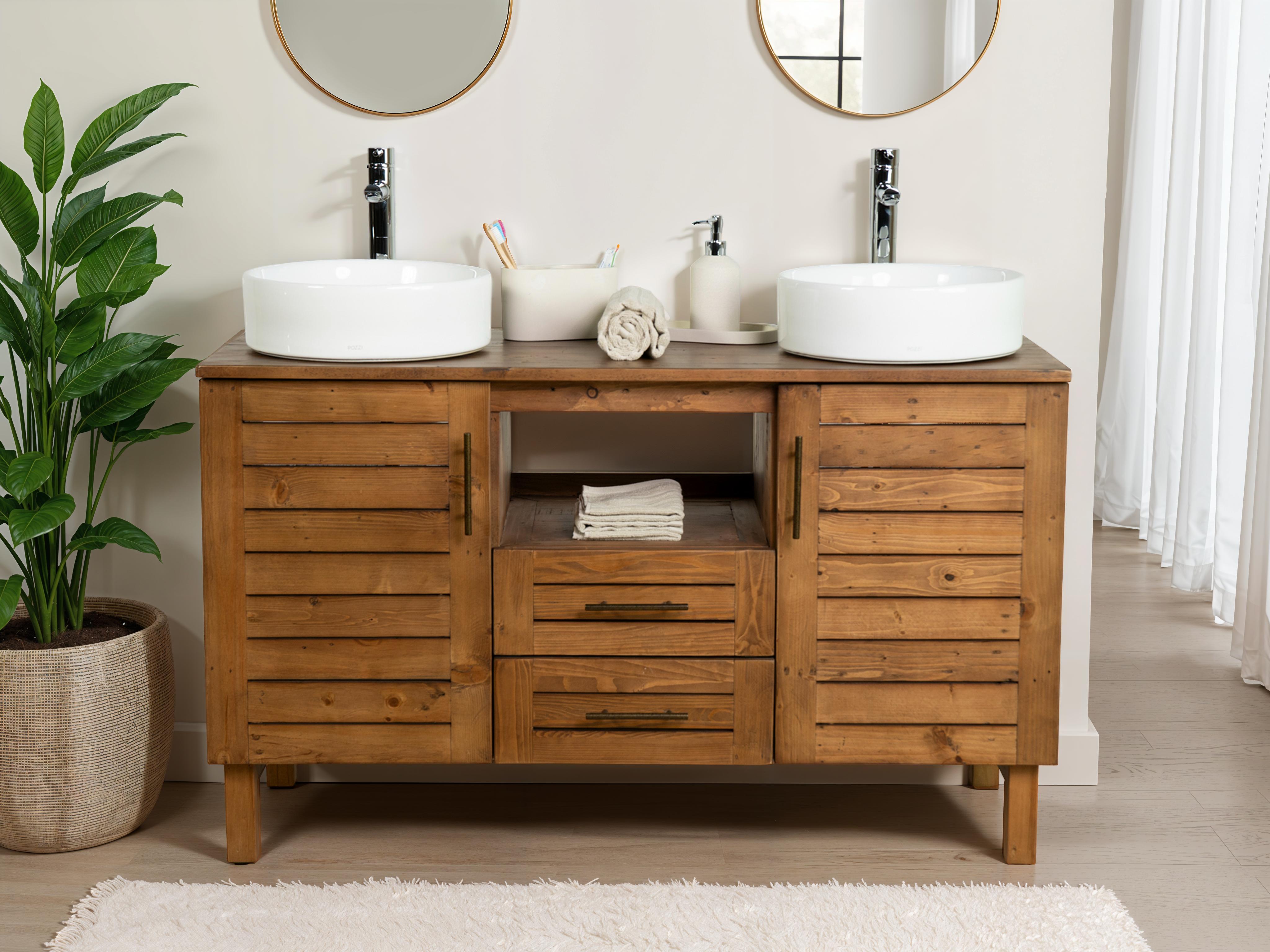
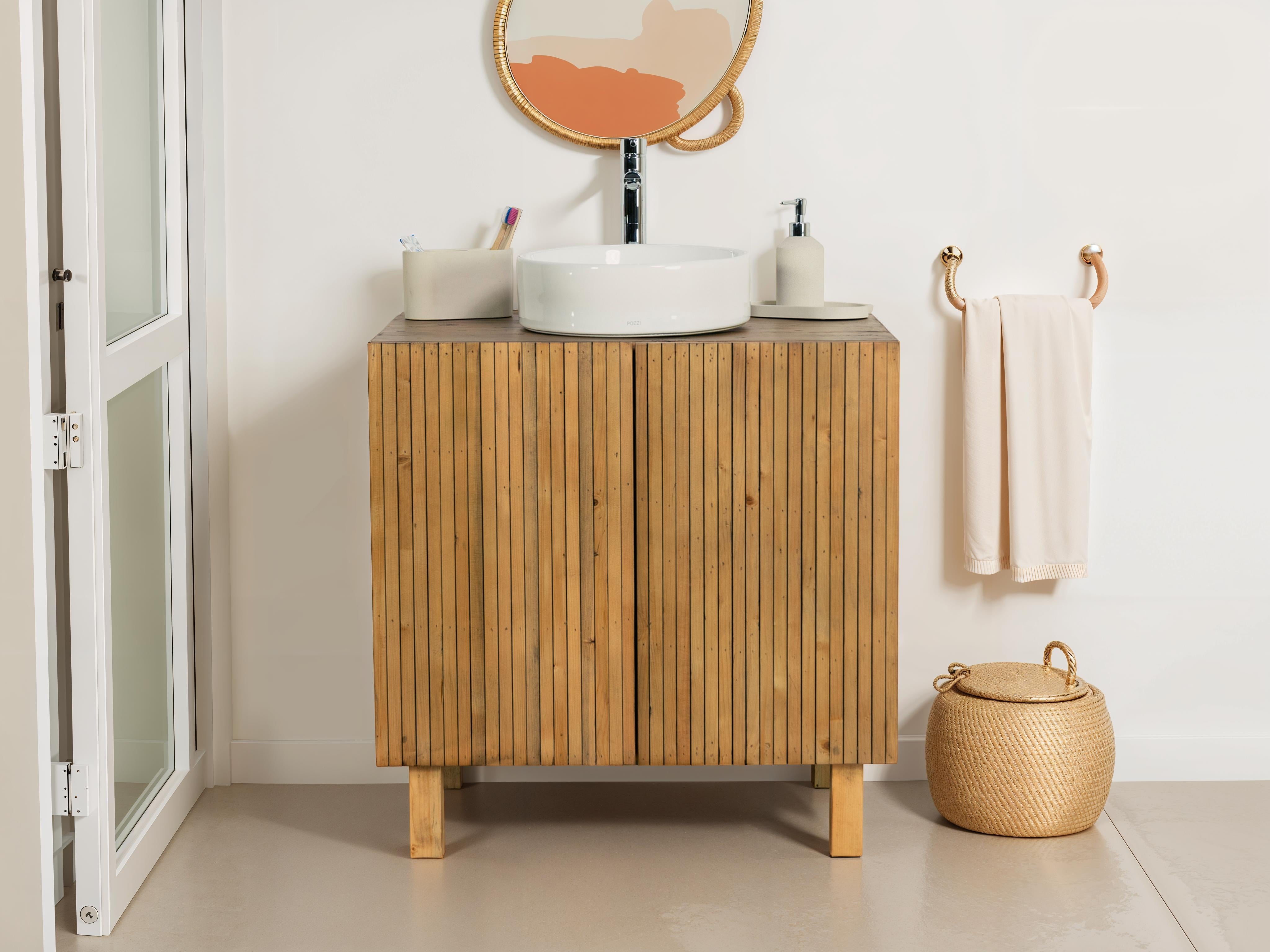
New timber, however well finished, tends to look uniform. Reclaimed wood does not. Every plank carries its own grain pattern, colour variation and small imperfections built up over decades of use before it ever became furniture.
For a designer, that is not a compromise - it is the point. A reclaimed dining table or sideboard brings texture and depth that a factory-fresh piece simply cannot replicate. No two pieces are identical, which means no two rooms built around them look the same either.
Pine and elm behave differently once reclaimed. Pine actually hardens through the reclaiming process, gaining a density and durability that its softwood reputation does not suggest. Elm brings a richer, more distinctive grain. Both age in ways that add rather than subtract from how a piece looks over time.
Texture and Grain as Design Tools
Designers often talk about a room needing "something with texture" to stop it feeling flat. Reclaimed wood does that work on its own. The knots, saw marks and colour shifts across a single piece give a room visual interest without needing extra layering or accessories to compensate.
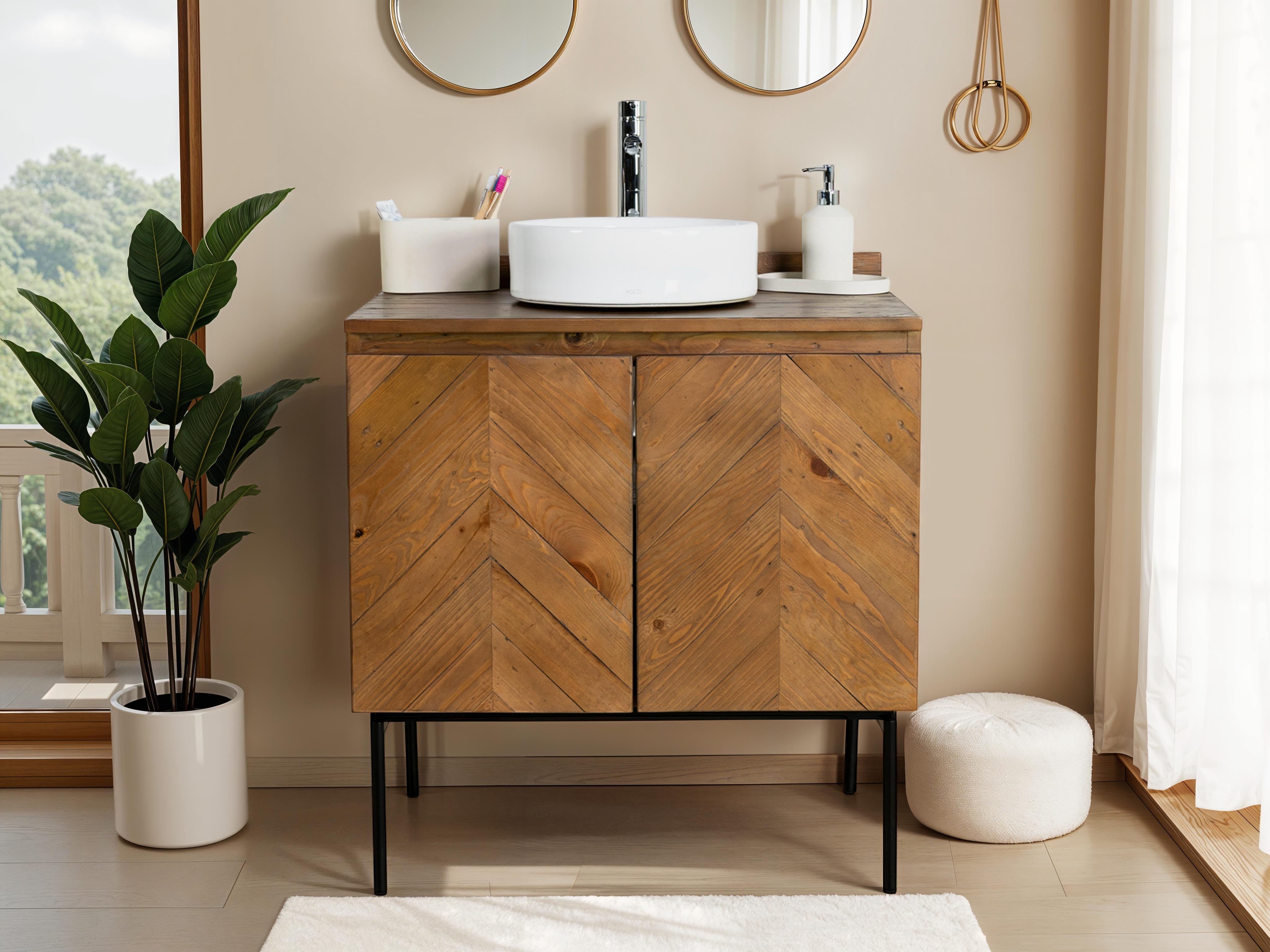
This is part of why reclaimed wood furniture pairs so naturally across interior styles, from industrial-style furniture and farmhouse furniture to Scandinavian and contemporary schemes. The material carries enough personality to hold its own in a minimal room and enough warmth to soften a busier one. A coffee table with real grain variation reads completely differently from a veneered equivalent, even from across the room.
Mayflower Storage Coffee Table
Craftsmanship Designers Can Actually See
Mass production hides its process. Handmade reclaimed furniture does not. Joints, finishes, and the way a piece has been put together are all visible if you know where to look, and that visibility matters to anyone specifying furniture professionally.
At Reclaim Nation, finishes are applied by hand rather than sprayed on in a single automated pass. It is a slower way of working, but it is also why the finish on a reclaimed piece tends to sit closer to the wood itself rather than sitting on top of it as a coating.
That kind of visible craftsmanship gives designers something to point to. It is easier to justify a considered furniture choice to a client when the quality of the work is obvious on inspection, not just claimed in a product description.
Built to Outlast the Brief
A good design brief thinks beyond the current trend cycle, and reclaimed wood furniture is suited to that kind of thinking. Timber that has already survived one working life - as flooring, pallets or railway sleepers - has already proven it can take daily wear.
Solid reclaimed wood can be sanded back and refinished rather than replaced when it eventually shows its age. That matters for designers working on spaces meant to be lived in for years, not just photographed once and moved on from. For a closer look at how that durability actually compares to new timber, how reclaimed wood compares to new wood covers the practical differences in detail.

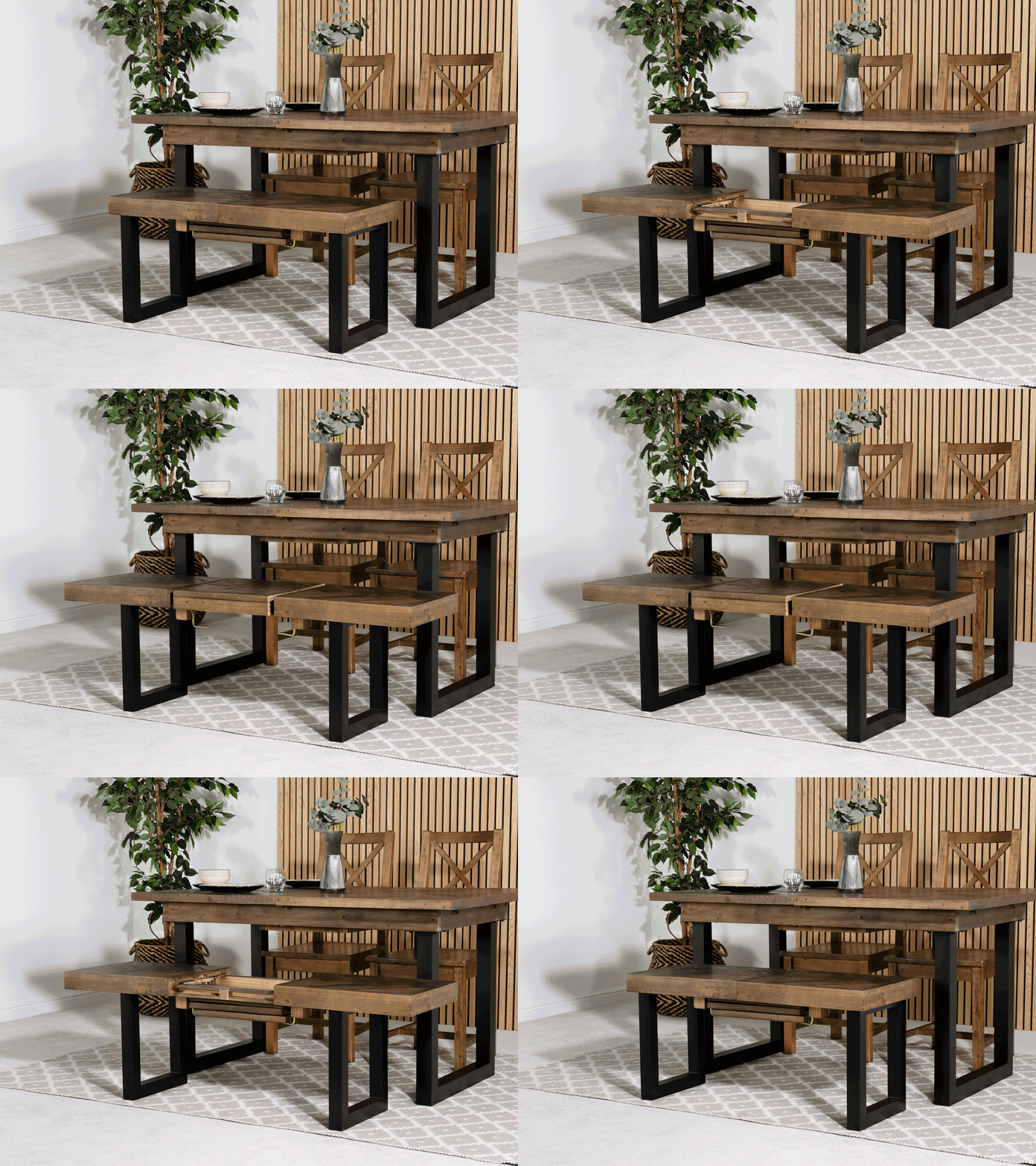
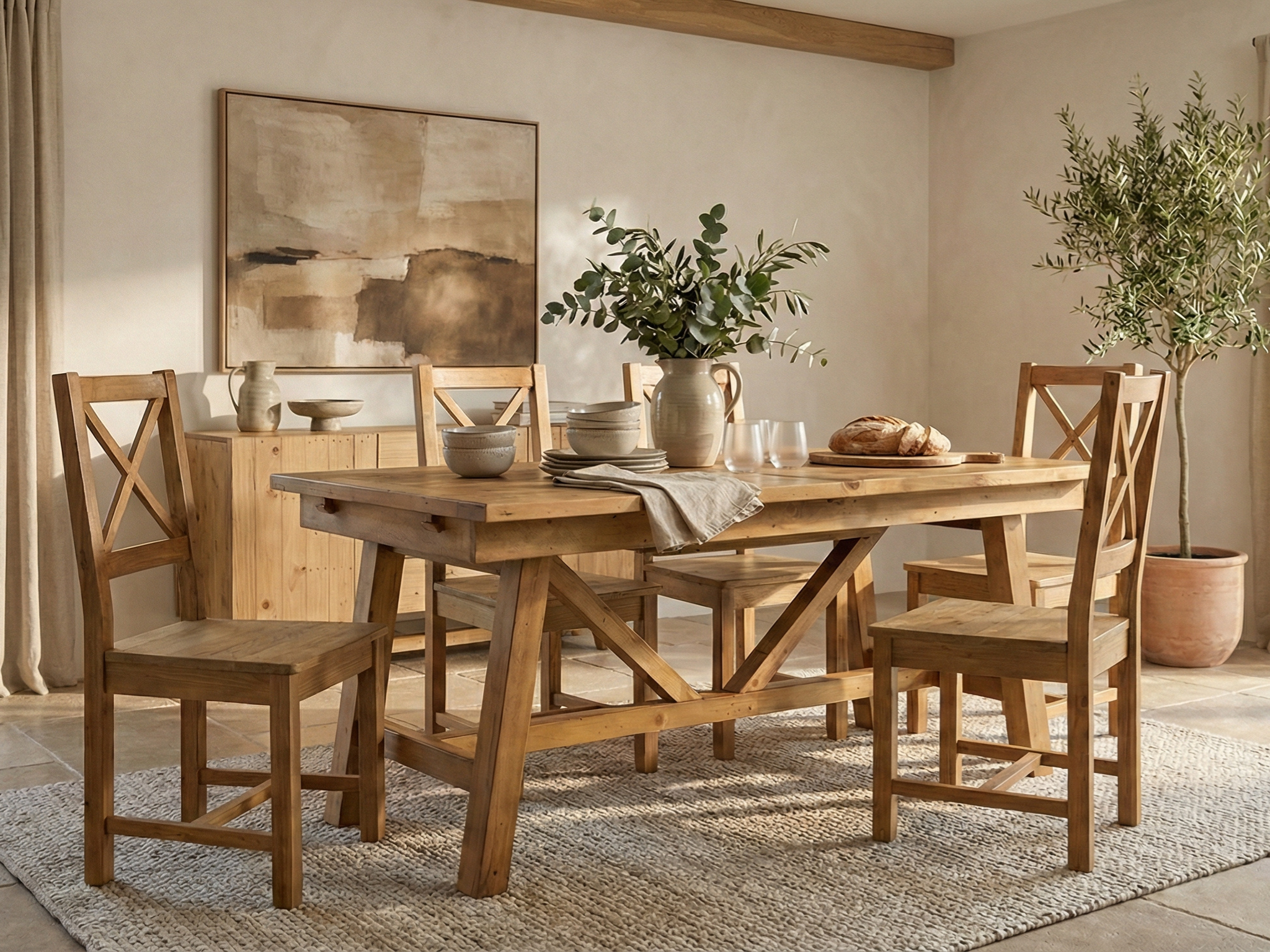
Devon Cross Back Dining Chair (Set of 2)
Where It Shows Up in a Design Scheme
Reclaimed wood furniture tends to earn its place in a few specific spots within a design scheme, usually where texture and durability matter most - and rarely as a single piece on its own.
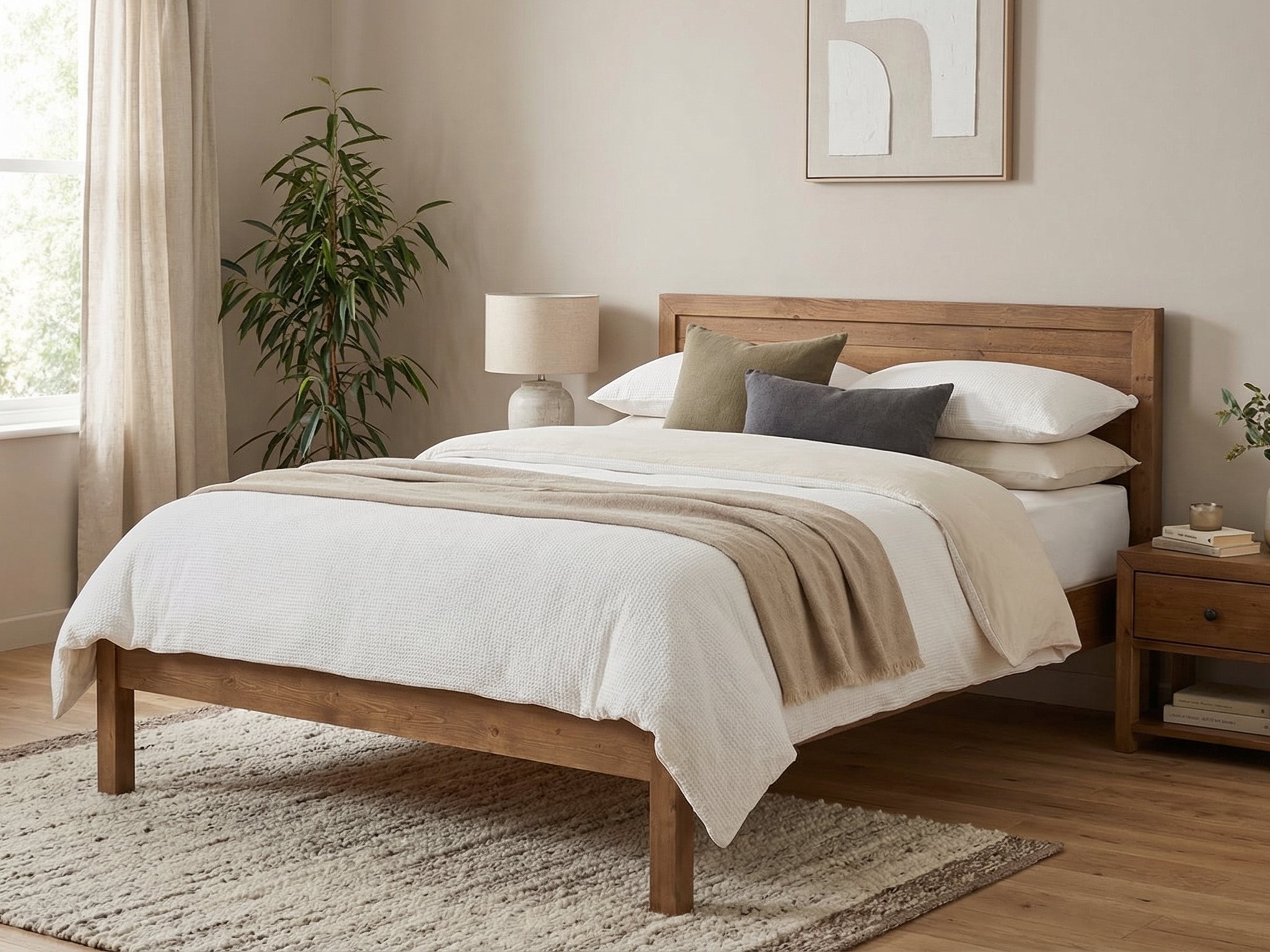
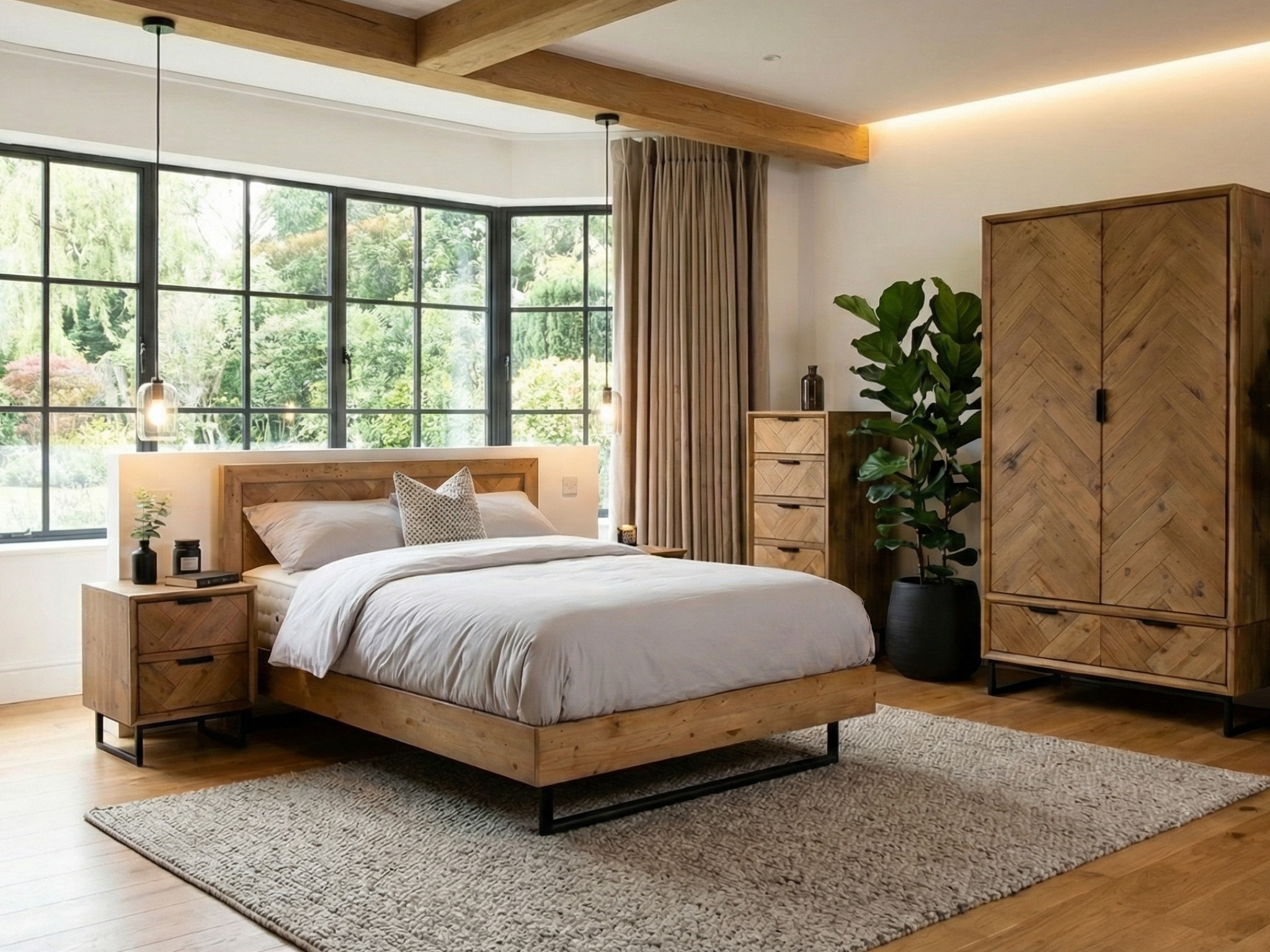
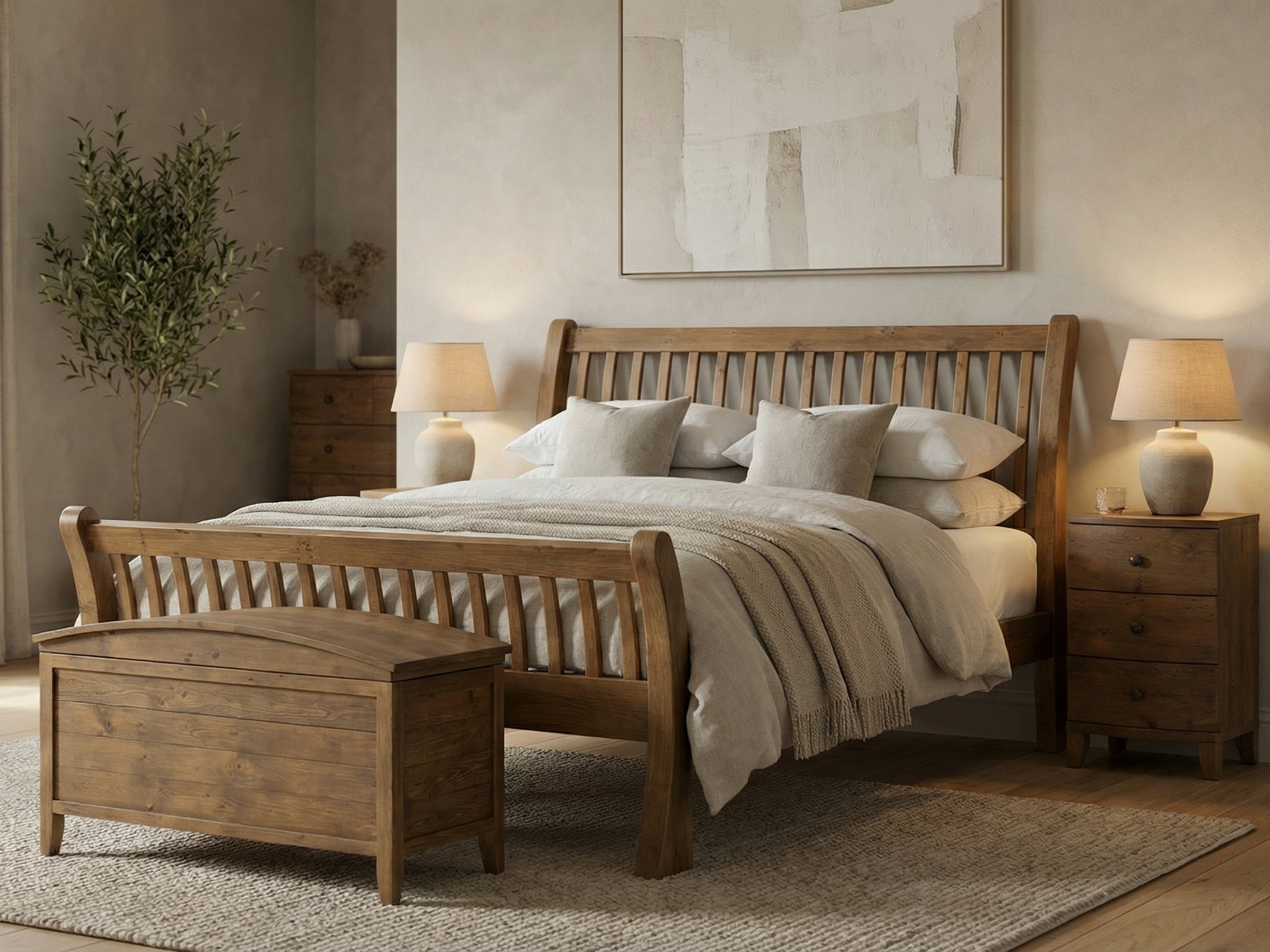
Reclaimed bedroom furniture brings warmth to a space that is meant to feel calm rather than showroom-perfect. Bed frames tend to anchor the room, with bedside tables, wardrobes and other storage pieces built to sit alongside them rather than compete with them.
Reclaimed living room furniture is where the material's texture does the most visible work, whether that is a coffee table with a heavily grained top, a TV and media unit that reads as proper furniture rather than something purely functional, or lamp tables and rugs used to tie the room together.
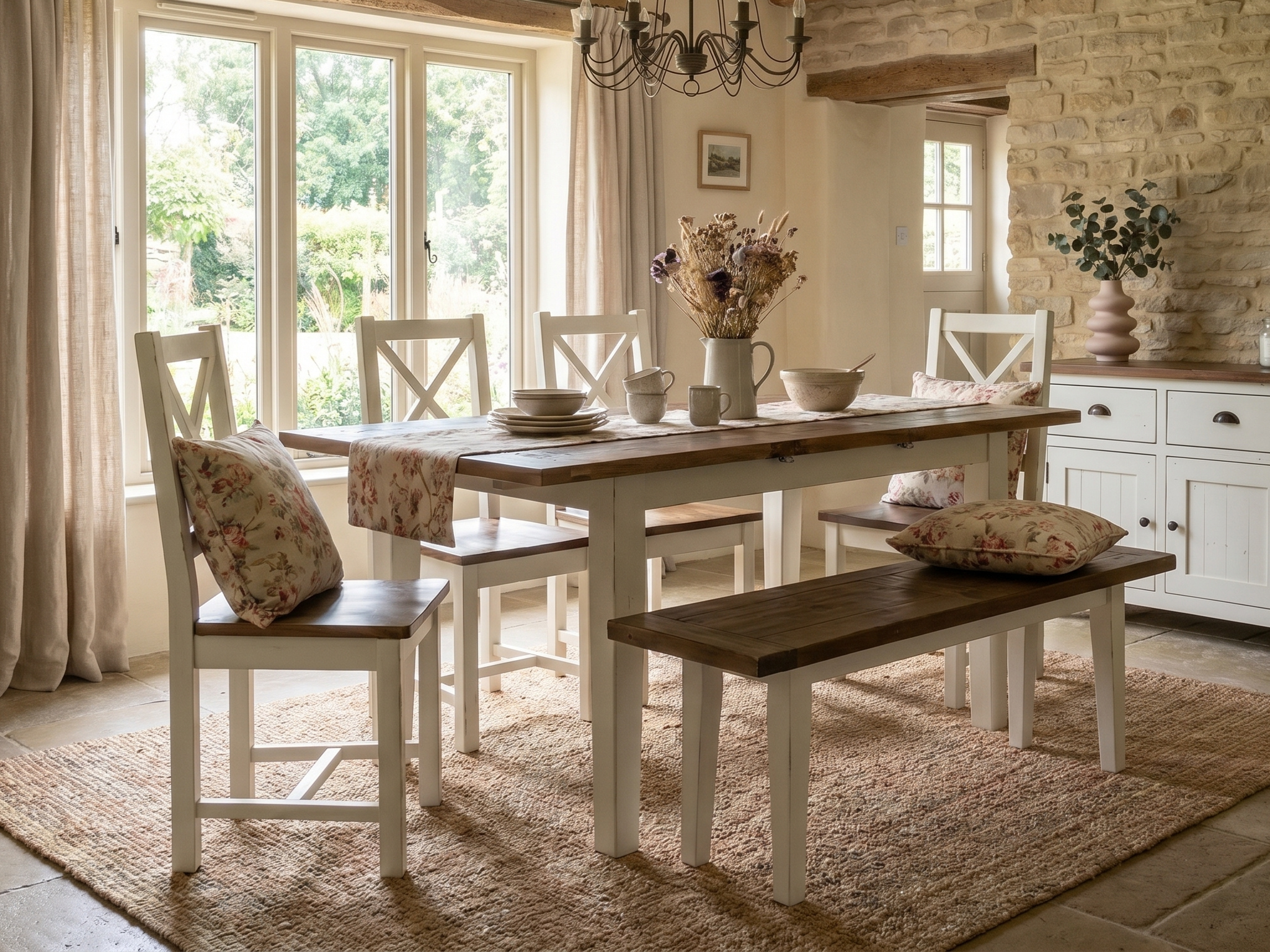
Reclaimed dining room furniture gets chosen for the same reason - it is used constantly, so a material that improves with wear rather than degrading is simply the more sensible design choice. That extends across the dining storage range, from sideboards to bookcases and console tables, not just one category on its own.
The Story Still Matters, Just Not as the Whole Pitch
None of this means sustainability is irrelevant to why designers reach for reclaimed wood. It simply is not the opening argument. The material earns its place first on how it looks, feels, and holds up, and the fact that it also has a lower environmental footprint than new timber is a genuine bonus rather than the reason on its own.
Reclaim Nation has been designing and selling furniture for nearly 30 years, sourcing timber from old floorboards, pallets, offcuts and decommissioned structures rather than felling new trees. If you want the fuller picture of where that timber actually comes from before it reaches a workshop, the journey of our reclaimed wood covers it properly.
Frequently Asked Questions
Is reclaimed wood furniture actually suited to a considered, design-led interior, or does it only work in rustic spaces?
It works well beyond rustic interiors. The grain and character of reclaimed wood pair naturally with contemporary, Scandinavian, and minimalist schemes, often acting as the one textured element in an otherwise clean-lined room.
Why does reclaimed wood furniture look different from new wood furniture?
Reclaimed timber has already lived a previous life, which means it carries grain patterns, colour variation and small marks that new, freshly milled wood simply has not had time to develop.
Does reclaimed wood furniture require different care from new wood?
Not fundamentally. It benefits from the same basic care as any solid wood piece - avoiding excess moisture and direct heat, and an occasional wax treatment to keep the finish nourished.
Can reclaimed wood furniture be restored if it gets marked or scratched over time?
Yes. Because it is solid timber rather than a veneer, reclaimed wood can typically be sanded back and refinished, which is part of why designers treat it as a long-term choice rather than something disposable.
What wood types does Reclaim Nation use in its reclaimed furniture?
Primarily pine and elm. Pine hardens through the reclaiming process, giving it a strength that belies its softwood reputation, while elm brings a richer, more pronounced grain.
Explore the full range, including bed frames, coffee tables and TV and media units, each one handmade from solid reclaimed timber in our workshop.

Leave a comment
This site is protected by hCaptcha and the hCaptcha Privacy Policy and Terms of Service apply.