





More UK homeowners are choosing recycled materials in homes - and not simply because it's the sustainable thing to do. Reclaimed furniture and recycled materials often bring something that new materials simply can't: character, craftsmanship and a story worth keeping.
At their heart, recycled materials are built on a simple idea - a material's usefulness doesn't have to end when its original purpose does. A length of reclaimed floorboard can become a dining table. Vintage cotton can be reborn as a set of cushions. Old plastic packaging can be spun into fibre and turned into something you'd happily put underfoot. Materials that might once have been thrown away are instead given a second life in the home.
The result is less waste, and homes filled with pieces that feel thoughtful, lasting and genuinely unique.
What Do Recycled Materials Actually Look Like in our Homes?
When people hear "recycled materials", they often picture household recycling bins or industrial processing plants. In reality, recycled materials in homes take many different forms, and most of them are far more tangible than that.
Some materials are reclaimed and reused in much the same form as before. Others are broken down and transformed into something entirely new. The common thread is that useful resources stay in circulation for longer rather than being discarded after a single use.

This includes reclaimed timber salvaged from old buildings and railway sleepers, recycled fabrics made from textile waste or plastic bottles, reclaimed metals used in furniture and fittings, and recycled glass used in decorative objects and surfaces. The materials differ, but the principle stays the same - making better use of resources that already exist rather than reaching for something new by default.
This thinking sits at the heart of sustainable interior design. It encourages a different kind of value - not just what's new, but what already has a history.
Giving Materials a Second Life
One of the most interesting things about recycled materials is how they challenge the idea of waste. A material may have reached the end of one purpose without having reached the end of its useful life at all.
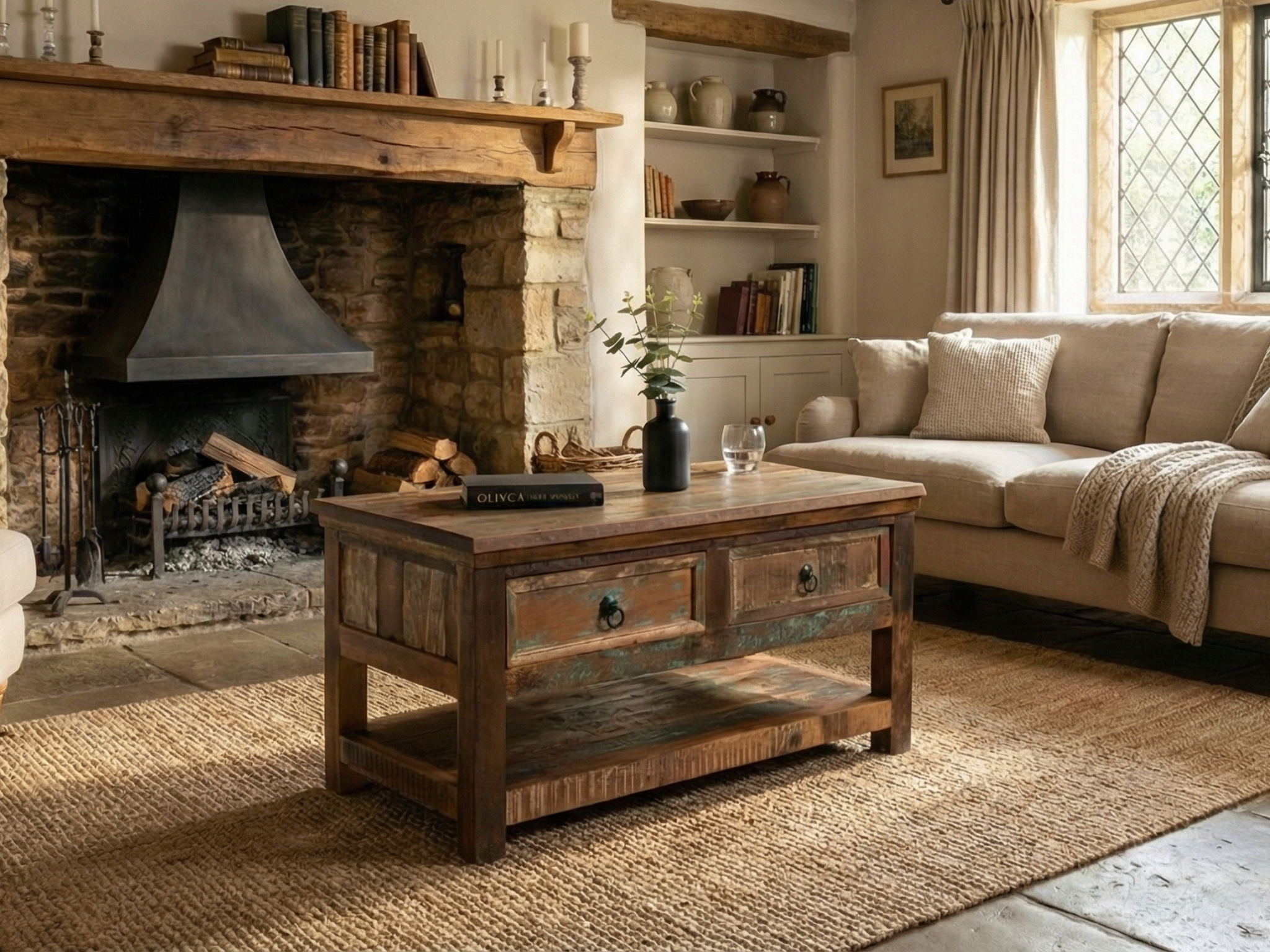
An old railway sleeper that once carried trains might become a dining table at the centre of family life. Vintage cotton textiles can be layered and hand-stitched into cushions or pouffes. Old plastic bottles can be broken down into fibre and rewoven as something entirely different - a rug that gets walked across every day. Different materials take different journeys, but they share the same outcome - they continue to serve a purpose rather than being thrown away prematurely.
Good design doesn't always start with something new. Sometimes it's about recognising the potential in materials that already have a story to tell.

Why Furniture and Home Textiles Matter
Furniture and home textiles are among the objects we live with most closely. A dining table gathers family meals. A rug softens a room. A favourite accent chair quietly becomes part of everyday life - and these are also among the items replaced most often.
That's part of why reclaimed timber and recycled fabrics have become such meaningful examples of recycled materials in homes. By extending the life of existing resources, they reduce waste while bringing warmth, texture and individuality into a space.
At Reclaim Nation, this thinking sits behind every collection. With nearly three decades of designing and selling furniture, the focus has always been on pieces that balance craftsmanship, durability and thoughtful sourcing - because furniture built to last naturally creates less waste than furniture designed to be replaced every few years.
Reclaimed Timber - Built for More Than One Life
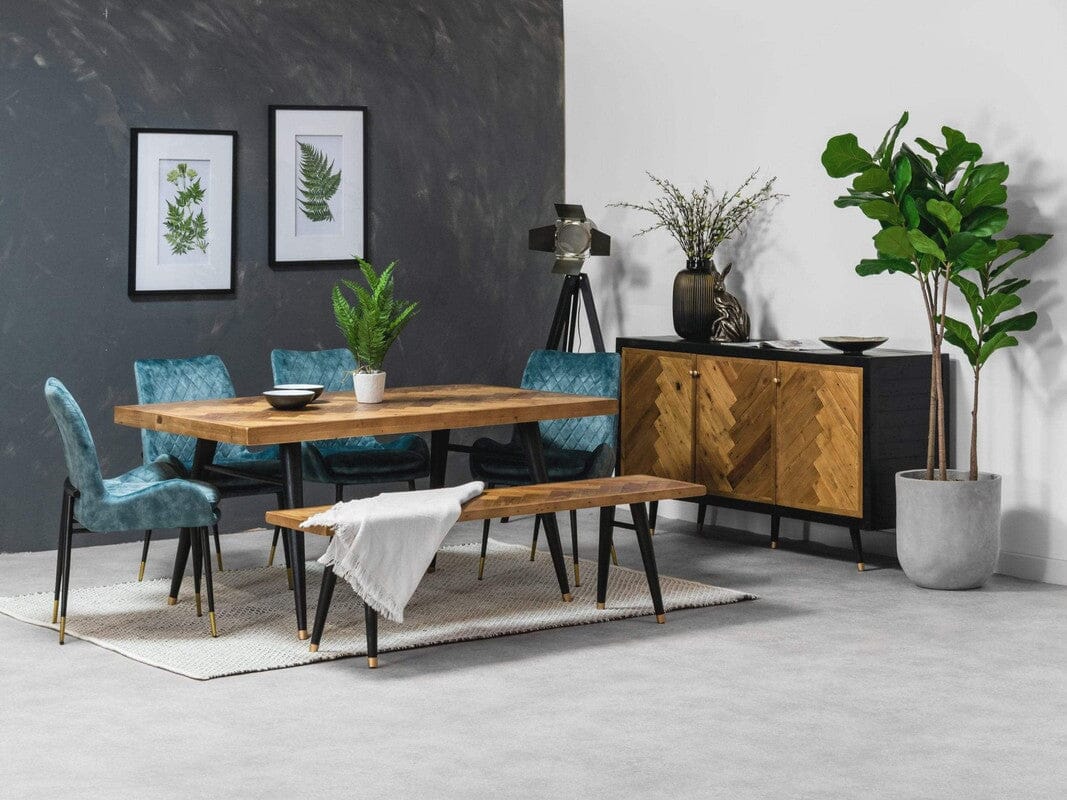
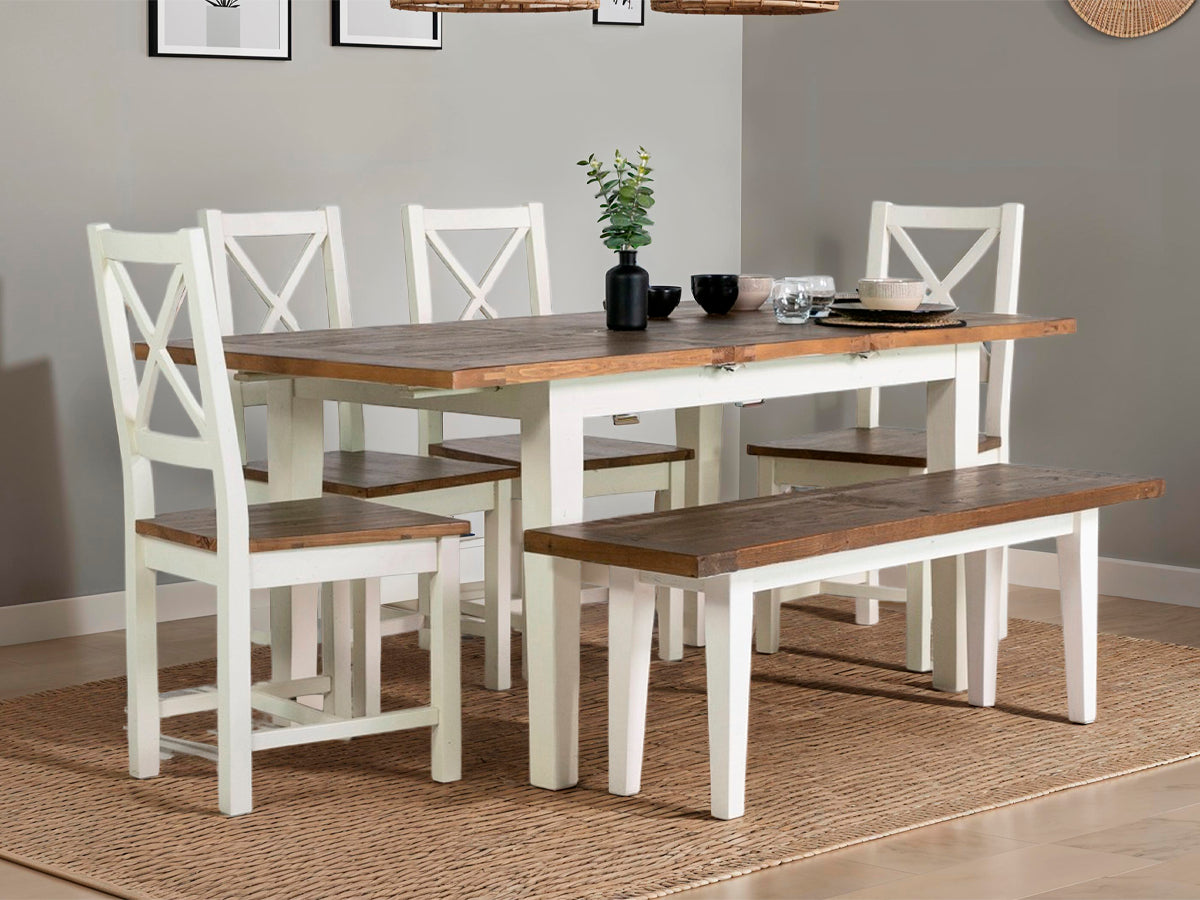
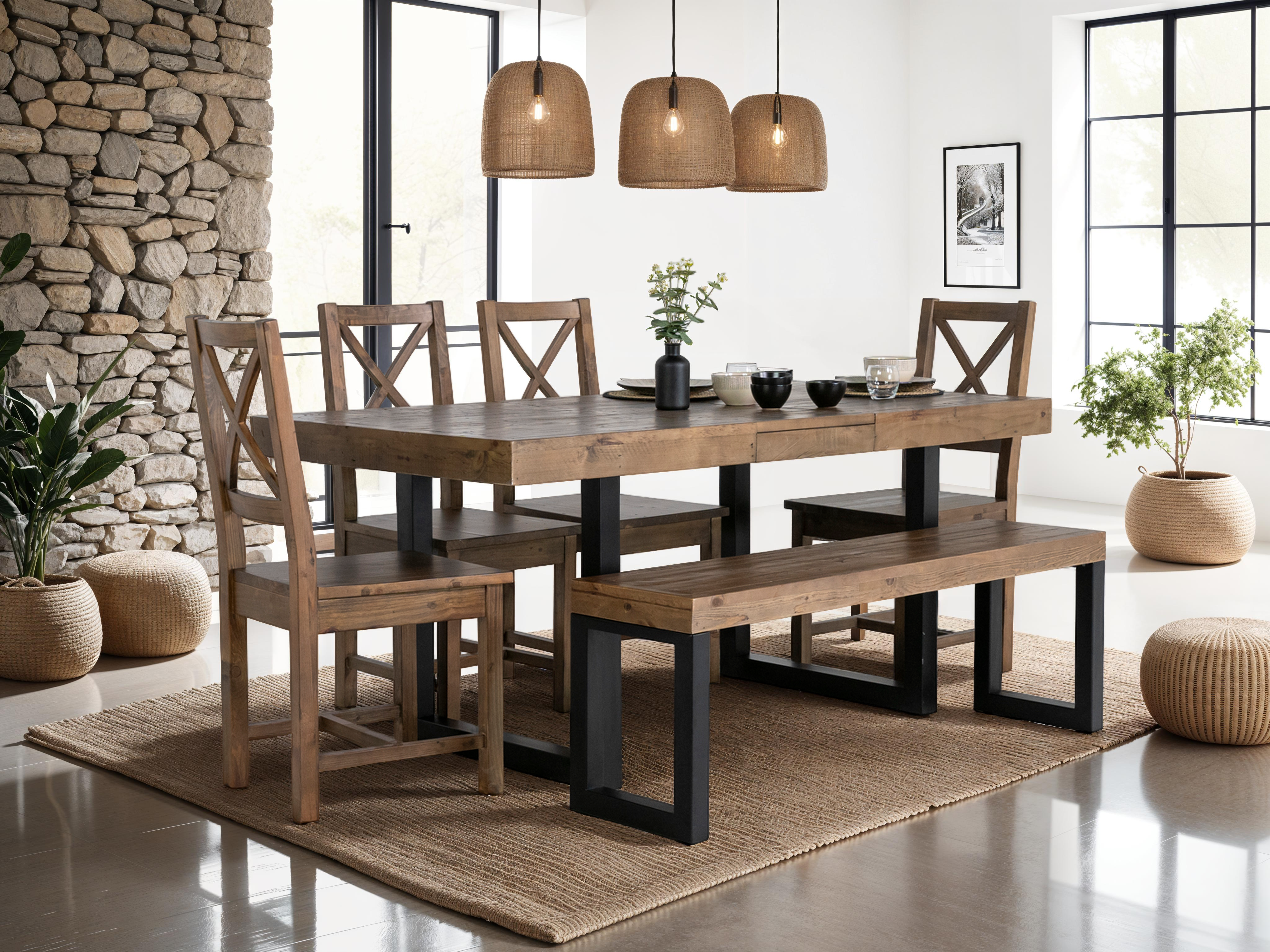
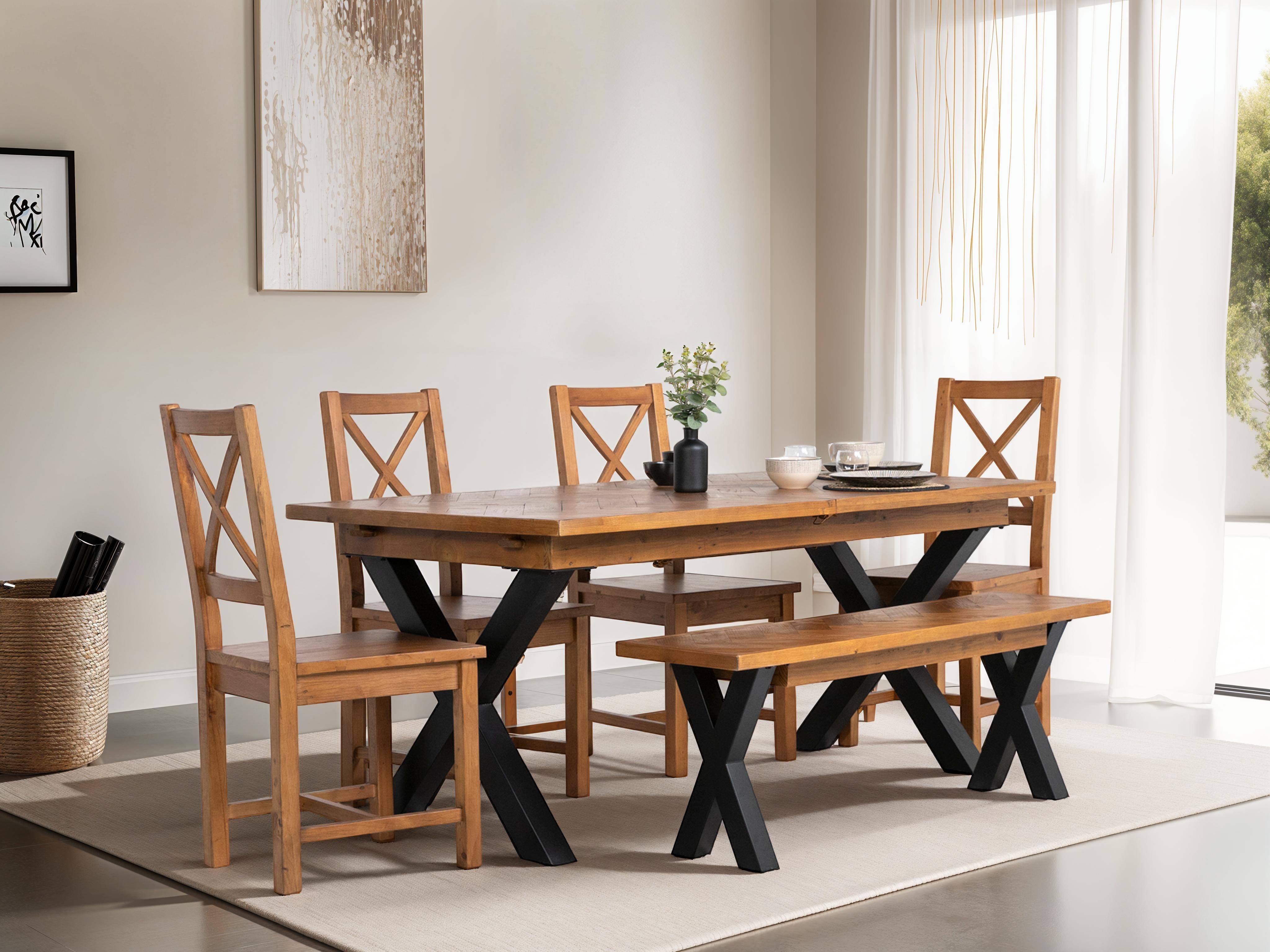
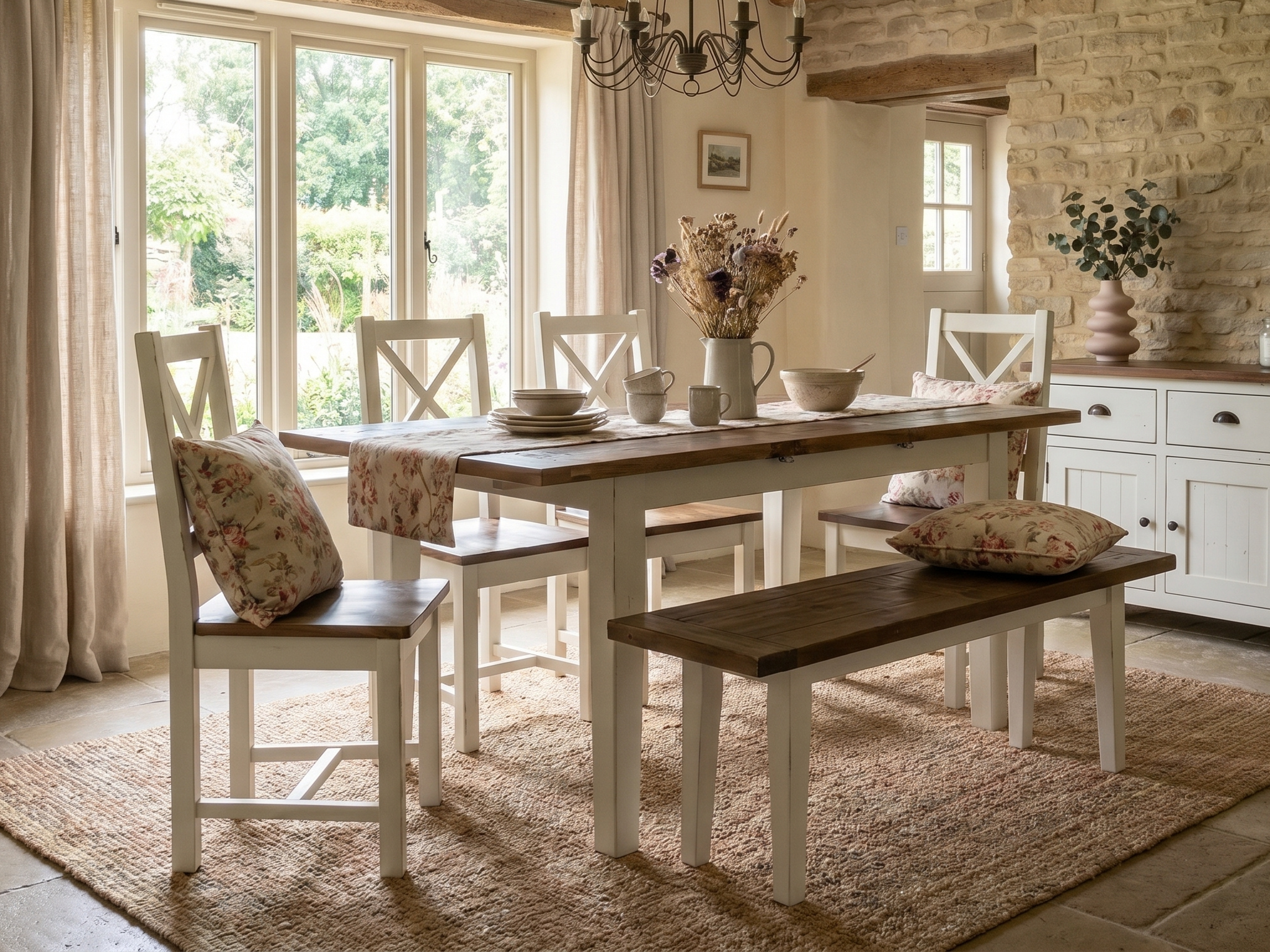
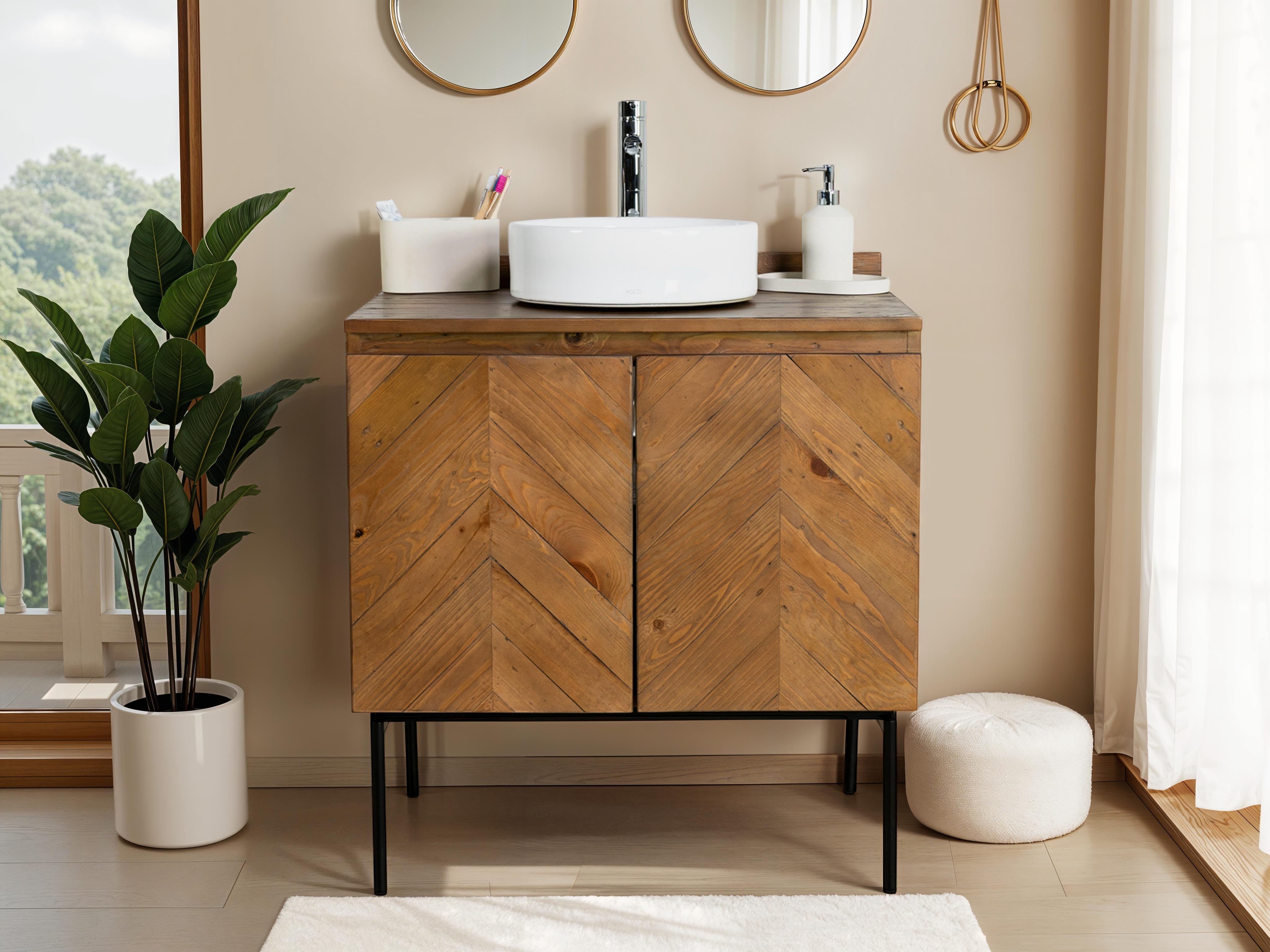
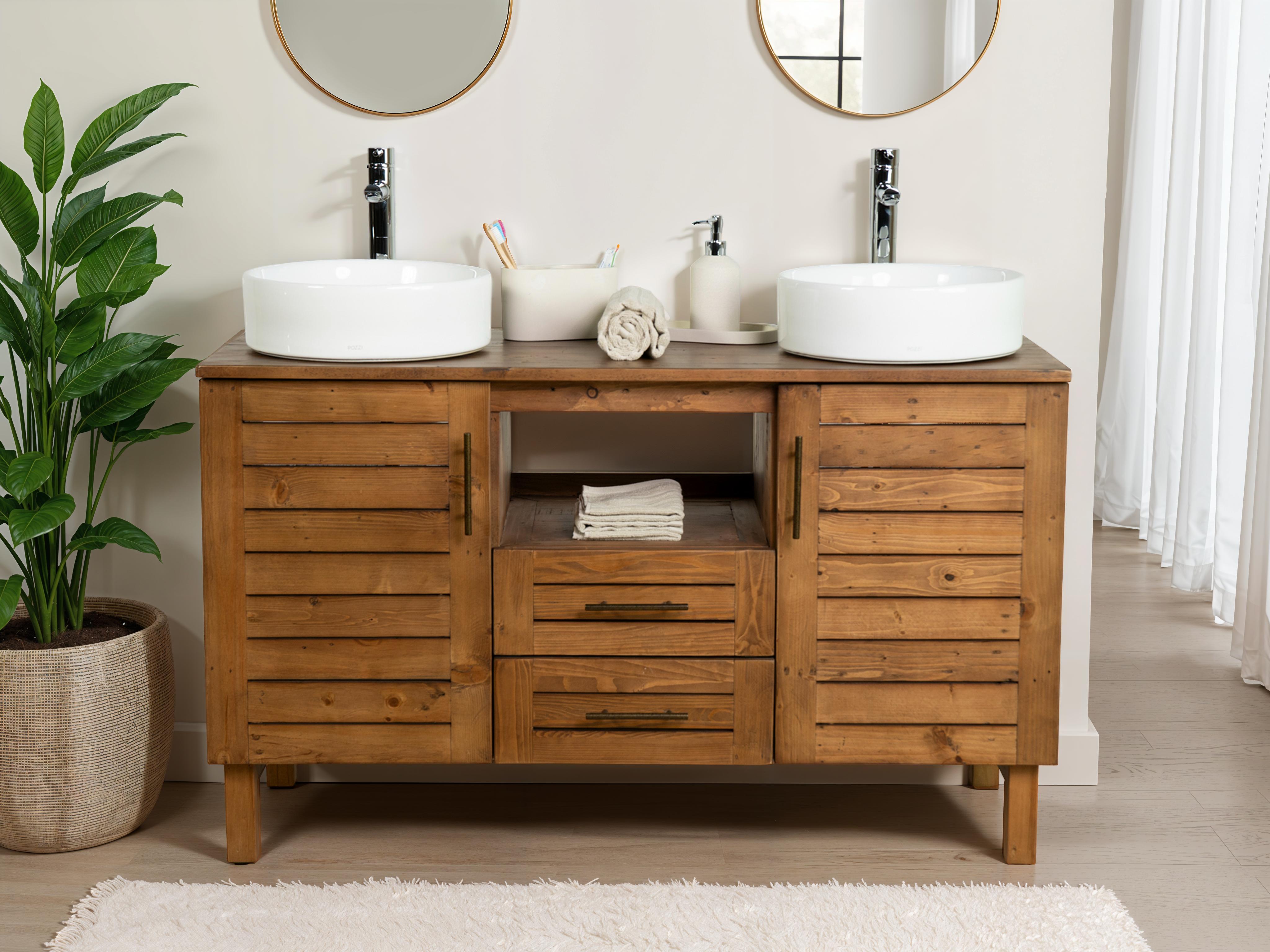
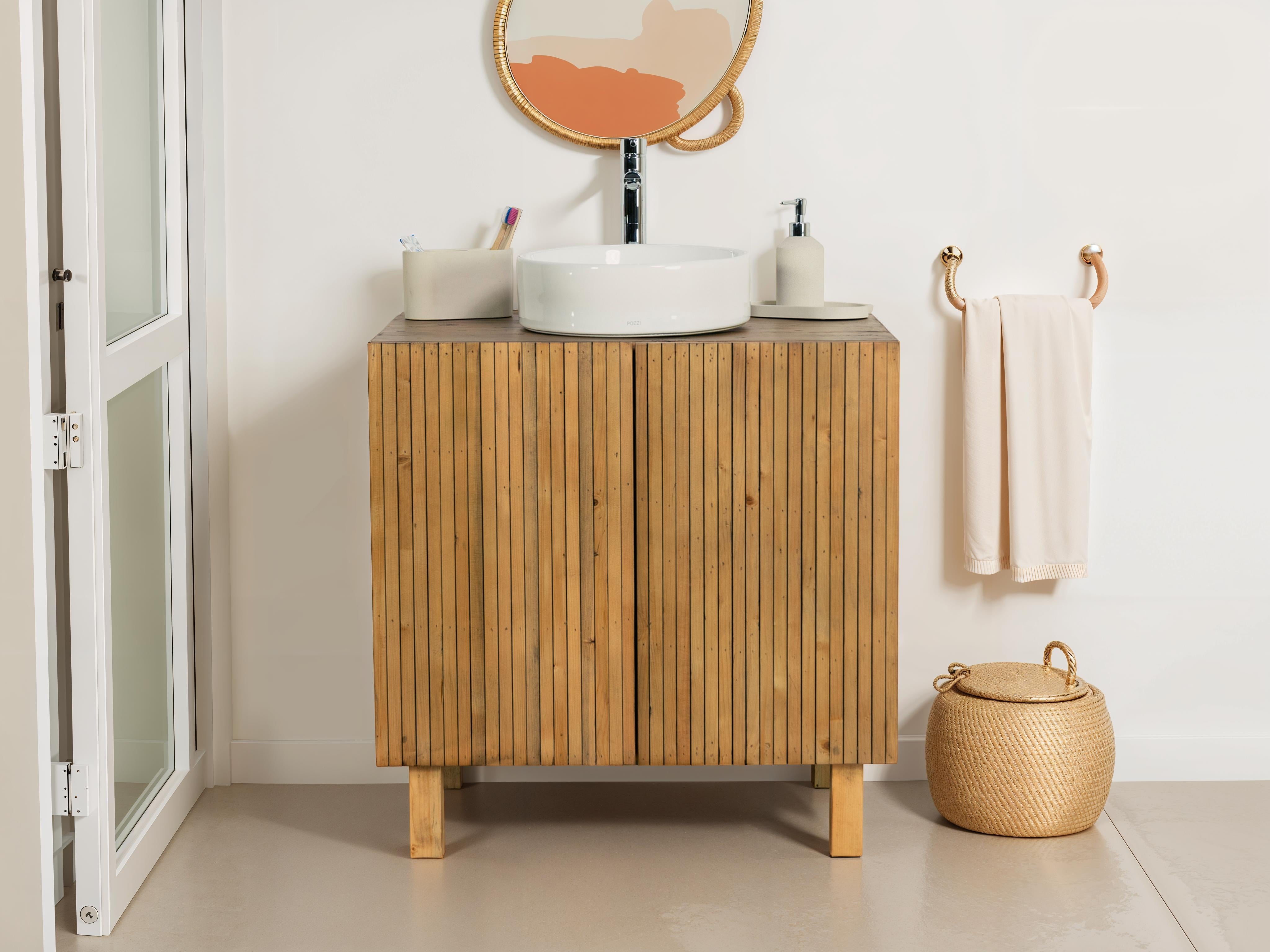
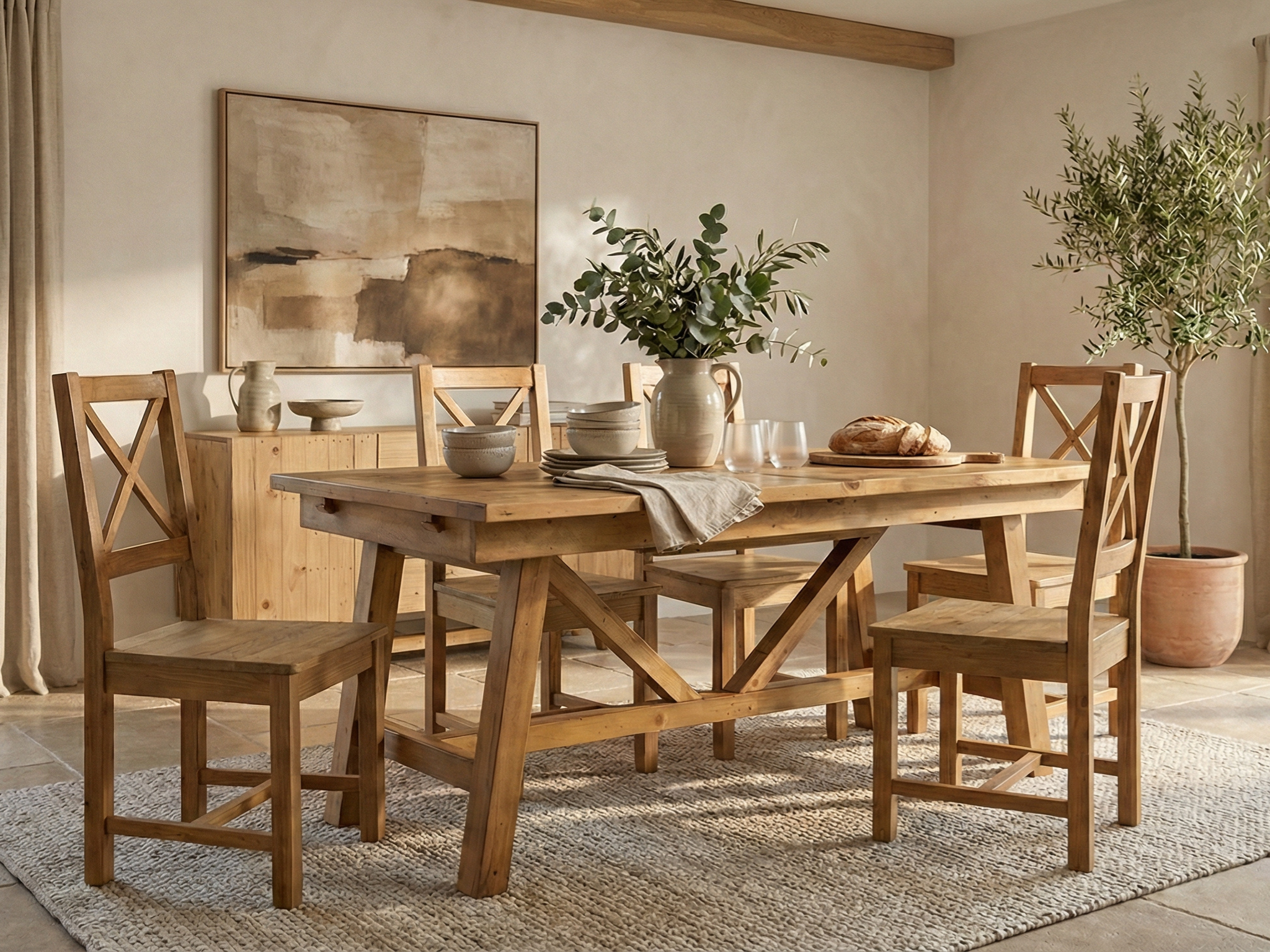
Few materials demonstrate the idea of a second life as clearly as reclaimed timber. The wood used in reclaimed wood furniture may once have formed part of old buildings, railway sleepers or industrial structures. Rather than being discarded, it's carefully salvaged, inspected and prepared for its next chapter.
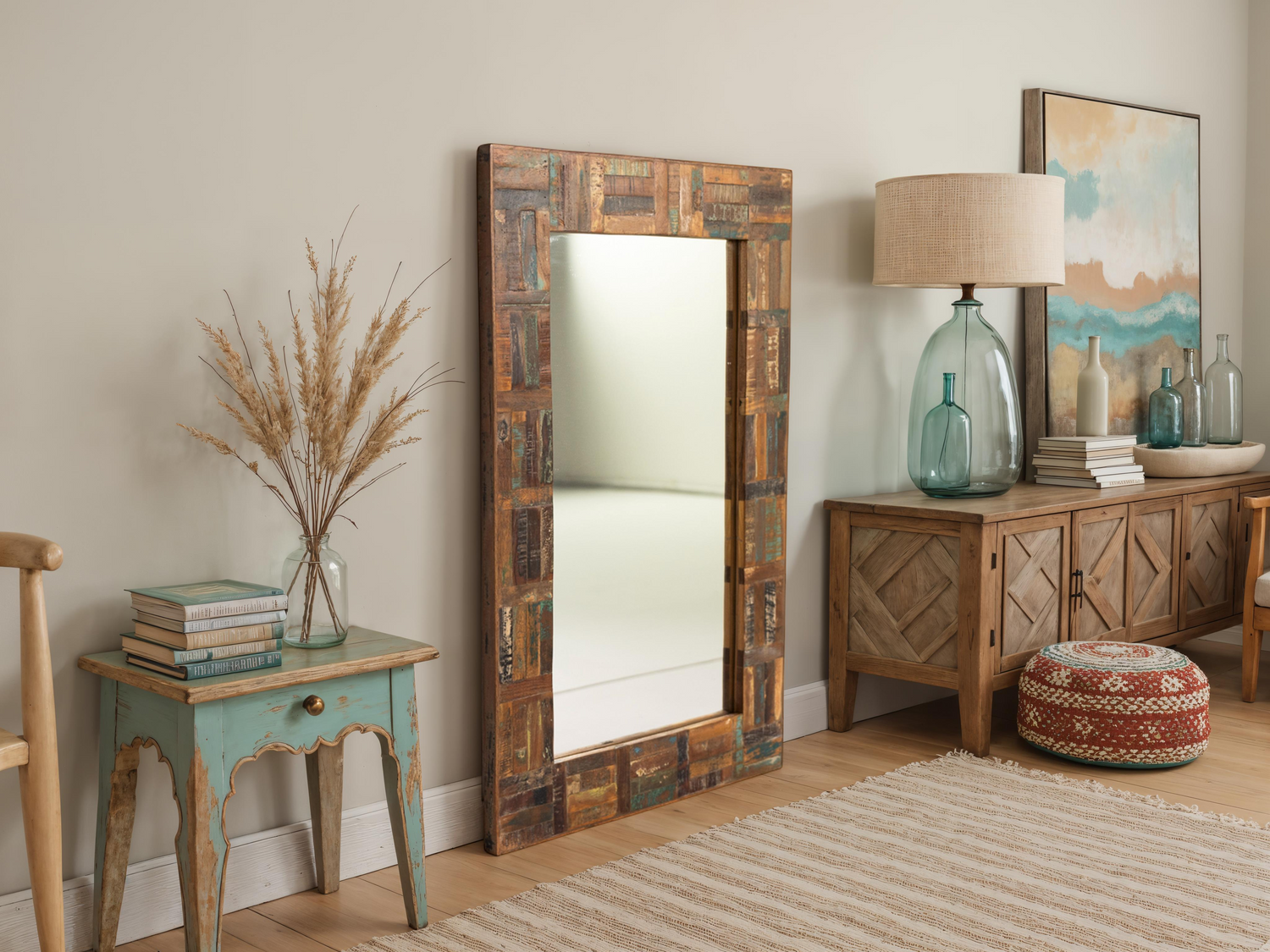
Each piece of timber bears signs of where it's been. Grain patterns deepen over time, and knots and markings reflect decades of use. These aren't flaws to be sanded away - they're what make each piece genuinely one of a kind.
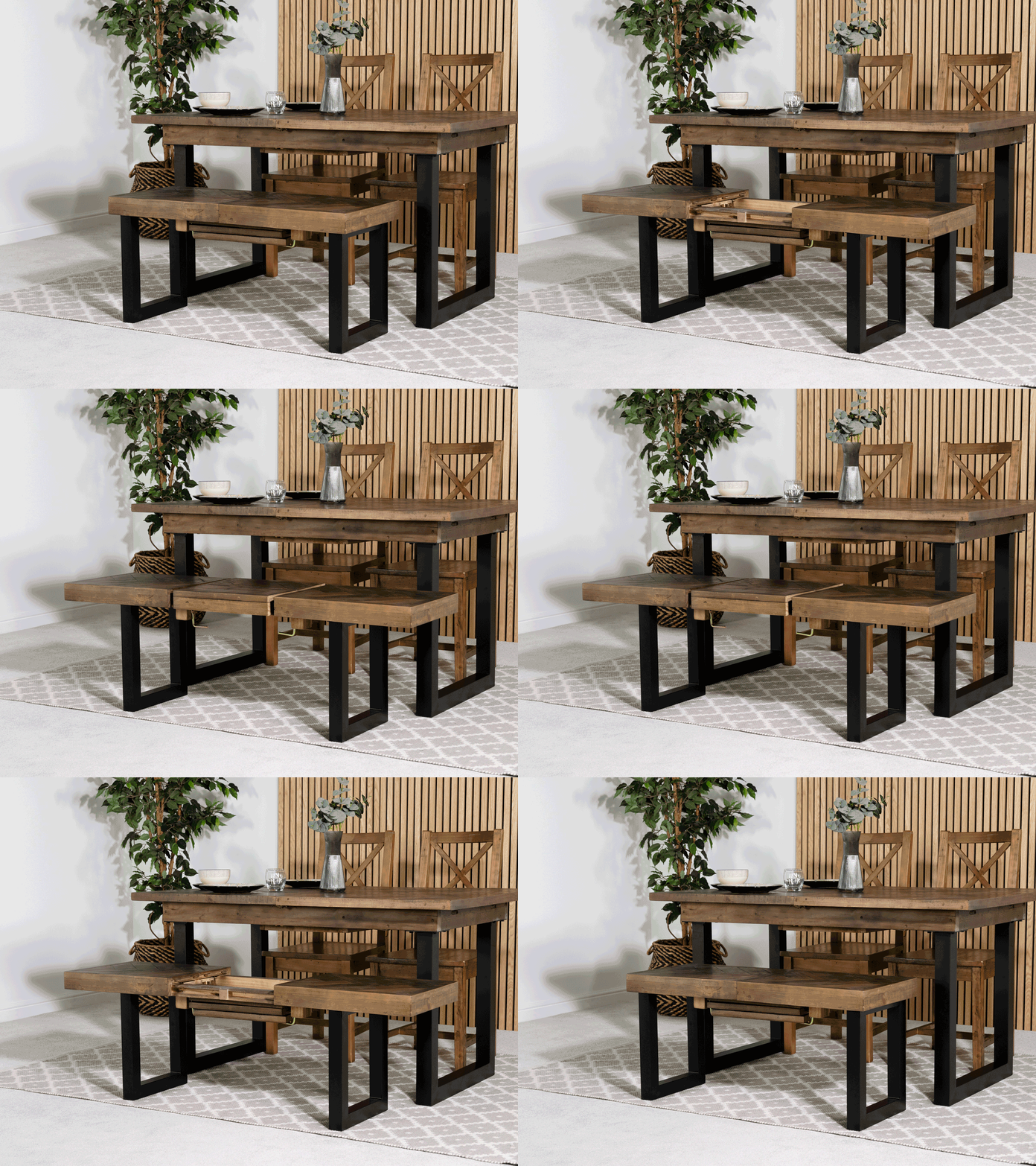
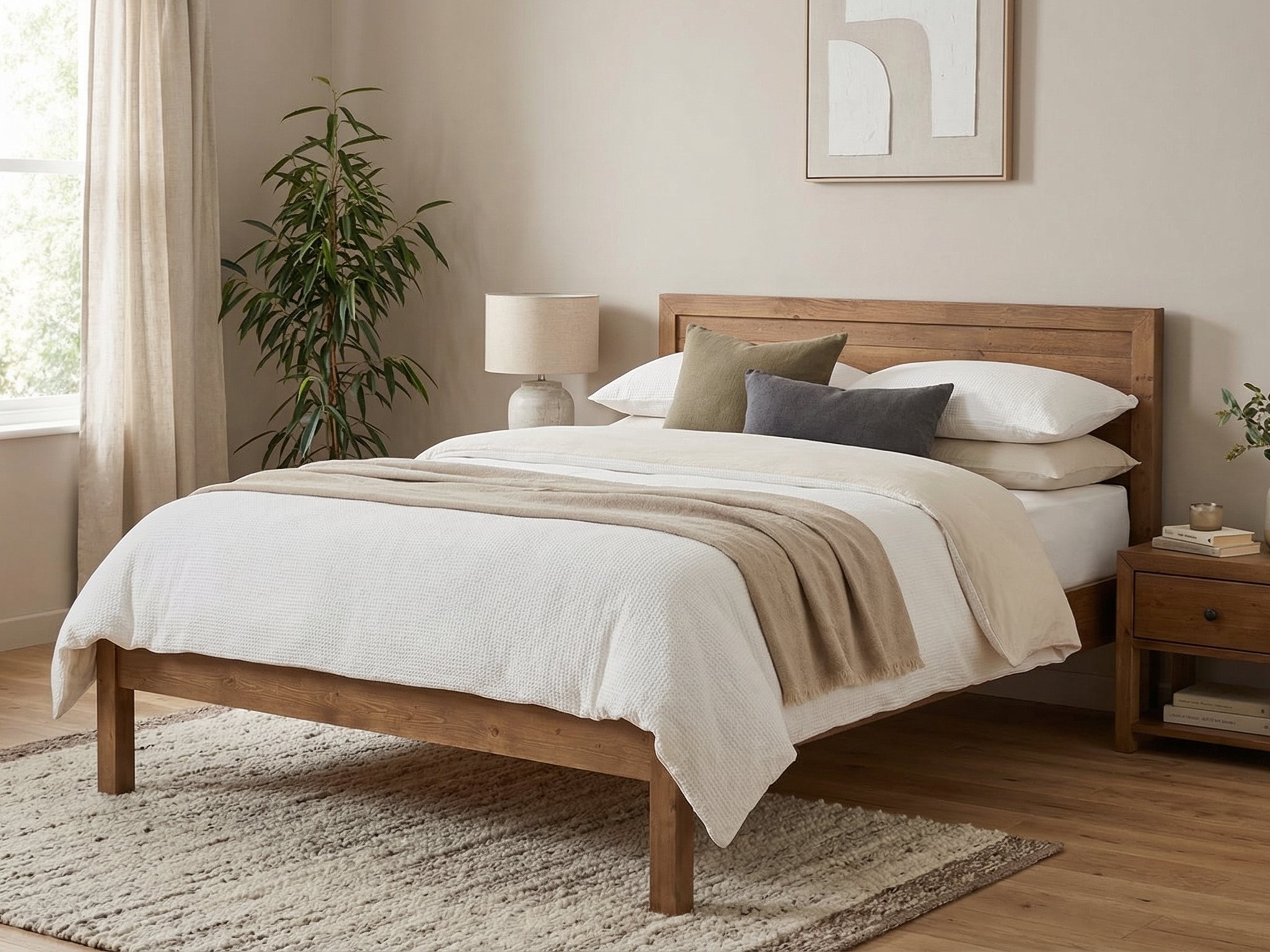
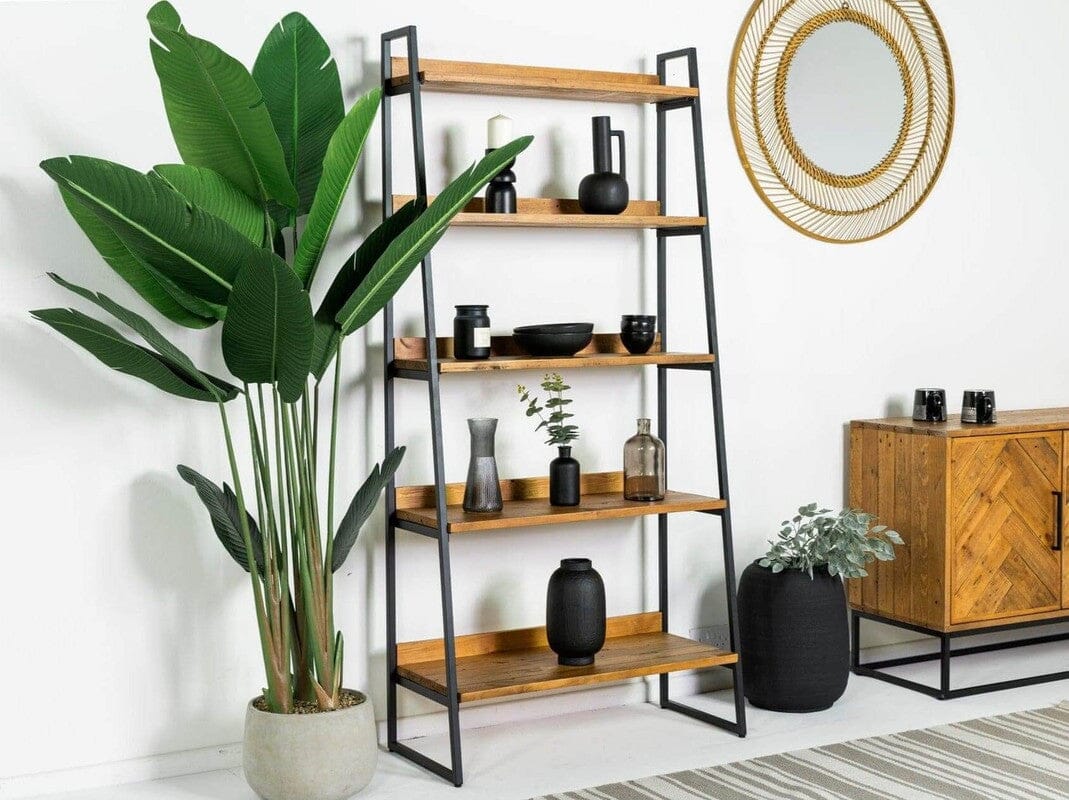
At Reclaim Nation, every piece of reclaimed wood is quality-checked at each stage before skilled craftspeople use traditional carpentry methods to shape it into dining tables, bed frames, sideboards and storage pieces. If you want to understand more about where the wood actually comes from before it reaches that point, the journey of our reclaimed wood covers it in full.
Unlike mass-produced furniture, solid reclaimed timber can be sanded, refinished and restored if it shows wear, which is part of why a well-made piece can stay in use for decades rather than being replaced. For a closer look at how that compares to furniture made from new wood, how reclaimed wood compares to new wood goes into more depth. In many cases, the material is genuinely better for having already lived a life.

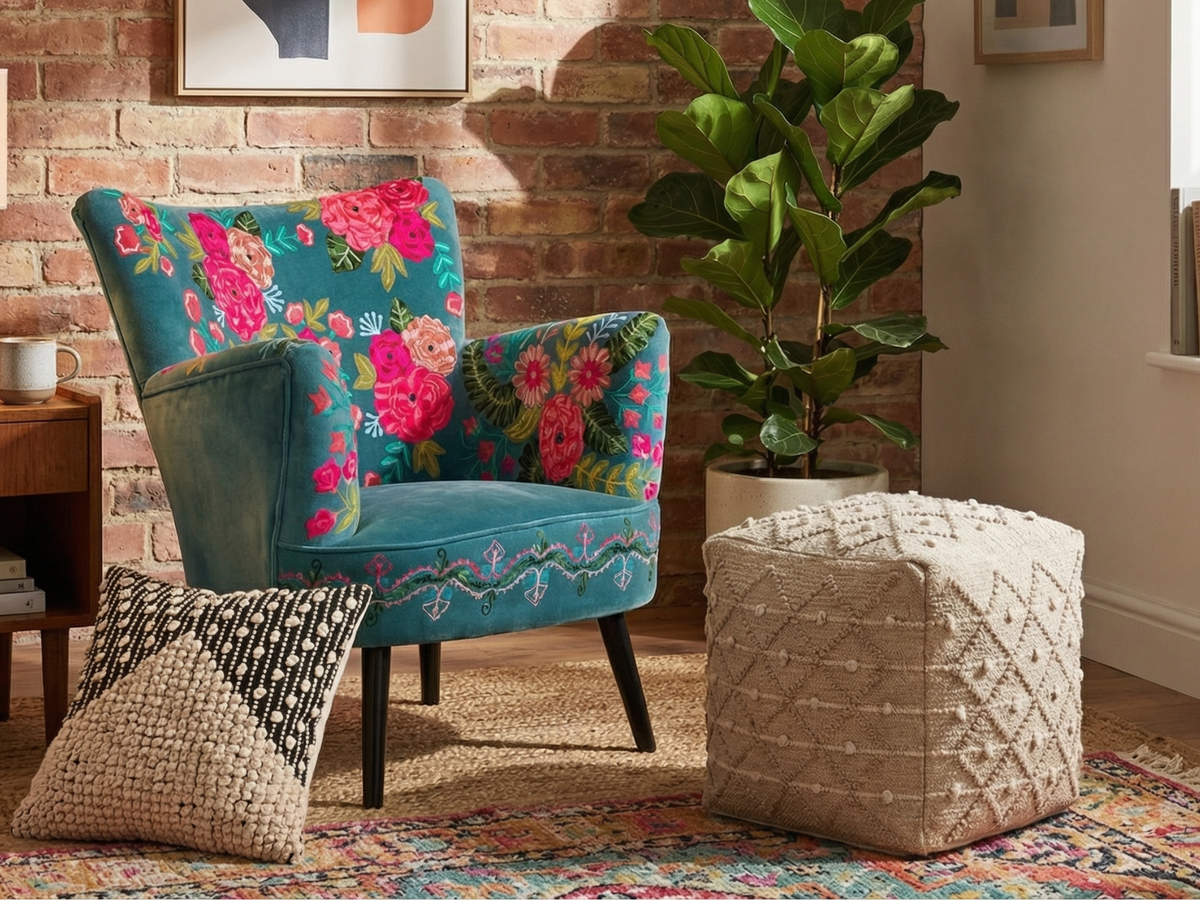
Margal Recycled Fabric Cushions
The Growing Role of Recycled Fabrics in Modern Homes
Recycled fabrics are increasingly common in furniture and home furnishings, yet many people are still unsure what they actually are. At their simplest, recycled fabrics are textiles made from materials that have already served another purpose - old clothing, manufacturing off-cuts, surplus fabric and even plastic bottles, transformed into new textile products rather than becoming waste.
At Reclaim Nation, recycled fabrics appear across rugs, cushions, pouffes and upholstery. The rug collection turns discarded plastic bottles into durable textile fibres, woven into rugs built for everyday living. The Kantha collection tells a different story - inspired by traditional stitching techniques from Eastern India, vintage cotton textiles are layered and hand-stitched into cushions, footstools and upholstered pieces. Because every item starts with different vintage fabric, no two pieces are exactly alike.
Those subtle variations aren't imperfections. They're part of what gives recycled home decor its individuality and charm. For a full breakdown of how this process works, recycled fabrics explained is worth reading in full.
The eco sofa and chair collections show that recycled materials can sit comfortably within modern interiors without compromising on comfort or design. The furniture succeeds first as furniture - the recycled materials are part of the story, not the whole of it.
Beyond Timber and Textiles
Timber and fabric get most of the attention, but they're far from the only materials being given a second life. Recycled glass is increasingly used in decorative objects and surfaces, while reclaimed metals continue to find new life in lighting, fittings and home accessories.
Individually, these choices might seem small. Together, they reflect a genuine shift towards making better use of existing resources rather than defaulting to new ones - whether that's a single upcycled furniture idea for one room or a more considered approach to recycled construction materials across an entire renovation.
As more homeowners embrace eco-friendly materials, sustainable home design is becoming less about compromise and more about choices that combine beauty, practicality and longevity.
How to Make More Conscious Choices When Furnishing Your Home
Reducing waste at home rarely requires a major renovation or a dramatic lifestyle change. Often, it starts with the choices made about what comes into the home and how long it's expected to stay there - choosing a reclaimed dining table instead of replacing furniture every few years, selecting rugs or upholstery made from recycled fabrics, or repairing a solid wood piece rather than discarding it at the first sign of wear.
Thoughtful purchasing isn't necessarily about buying less. It's about buying with longevity in mind. A few questions are worth asking before any purchase: how long will this actually last? Can it be repaired if something goes wrong? Will I still want it in five years, not just this season? Questions like these tend to lead to more conscious decisions over time, and the most sustainable choice is often the one you only have to make once.

Creating Homes That Last
Homes are built gradually. The objects chosen along the way shape how a home feels, and how long it continues to serve the people living in it.
Recycled materials help reduce waste not by asking anyone to lower their standards, but by encouraging a different way of thinking about value. Materials don't need to be new to be beautiful, durable or meaningful. Whether through reclaimed timber furniture, recycled fabrics or other recycled construction materials, these choices let resources stay in use for longer while creating homes filled with character. Some of the best materials, it turns out, already have a story to tell.
Frequently Asked Questions on Recycled Materials in Homes
What are recycled materials in homes?
Recycled materials in homes are materials that have been reclaimed, recovered or repurposed rather than created entirely from new resources. Examples include reclaimed timber, recycled fabrics, recycled glass and reclaimed metals.
How do recycled materials help reduce waste?
They extend the life of existing resources, keeping materials in circulation for longer and reducing demand for new raw material and the disposal that follows when furniture is replaced too often.
Is reclaimed wood furniture durable?
Yes. Reclaimed timber has typically already been naturally seasoned over many years, which makes it highly durable. Solid reclaimed wood can also be sanded and restored if it becomes worn over time.
Are recycled fabrics good quality?
Quality comes down to craftsmanship and construction rather than whether a material happens to be recycled. Many recycled fabrics offer the same durability and comfort as conventional textiles.
What are some practical ways to reduce waste at home?
Choosing long-lasting furniture, repairing existing pieces, selecting recycled home decor and investing in durable materials over disposable ones are all practical, achievable ways to reduce waste in everyday living.
Browse the Reclaim Nation collection, including bed frames, coffee tables and sideboards - each one made from reclaimed timber and built to last.

Leave a comment
This site is protected by hCaptcha and the hCaptcha Privacy Policy and Terms of Service apply.