





Interior design rarely stays still for long. A few years ago, farmhouse style leaned hard into rustic charm - shiplap, distressed paint, a lot of visible detail. That look has since matured into something calmer and more textural, and reclaimed wood has stayed right at the centre of it the whole way through.
It's an odd position for one material to be in. Reclaimed wood isn't the trend itself - it's the constant that keeps showing up as the trends around it change shape.
Why Reclaimed Wood Keeps Adapting to Every New Trend
Most materials that define a design era eventually date with it. Reclaimed wood hasn't, and the reason is fairly simple: it was never really "on trend" in the first place. It's a material defined by what it already is - the grain, the knots, the marks left by decades of use - rather than by a particular finish or colour that can go out of fashion.
That's part of why it's turned up in almost every major style shift of the last decade. When interiors leaned heavily rustic, reclaimed wood was rustic. As tastes moved towards calmer, more considered spaces, the same material adapted without needing to change at all. The wood does different jobs depending on what's around it.
Modern Rustic Design: A More Refined Take
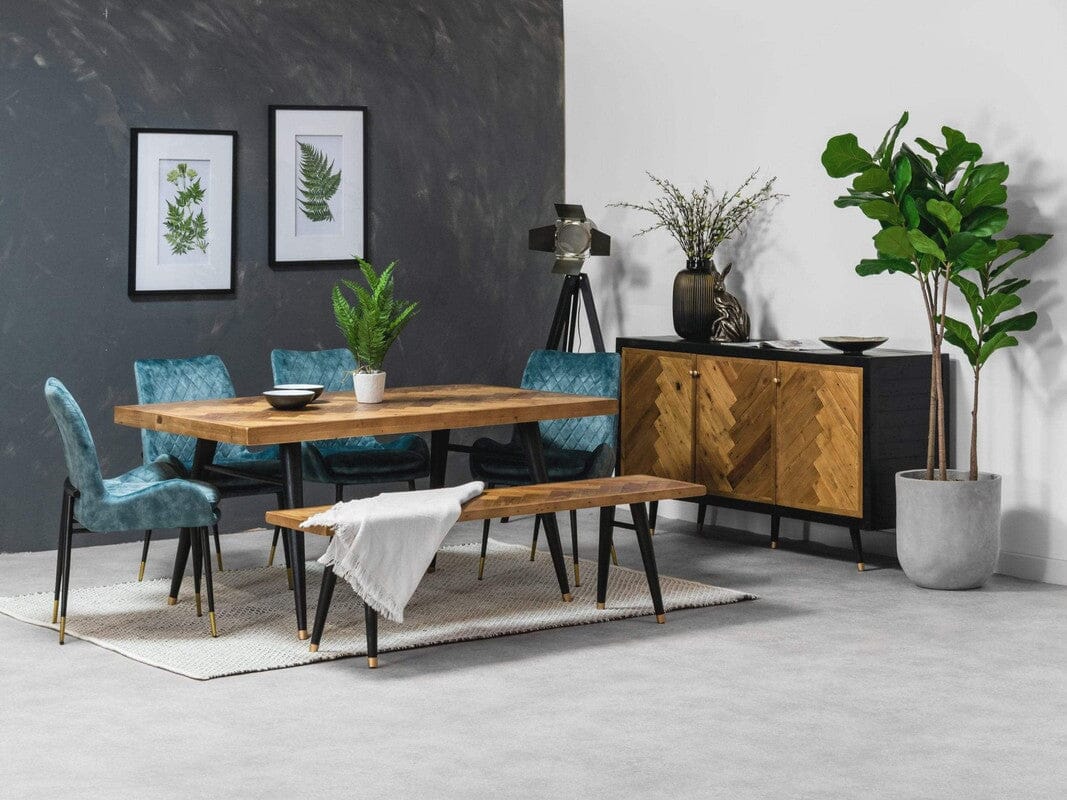
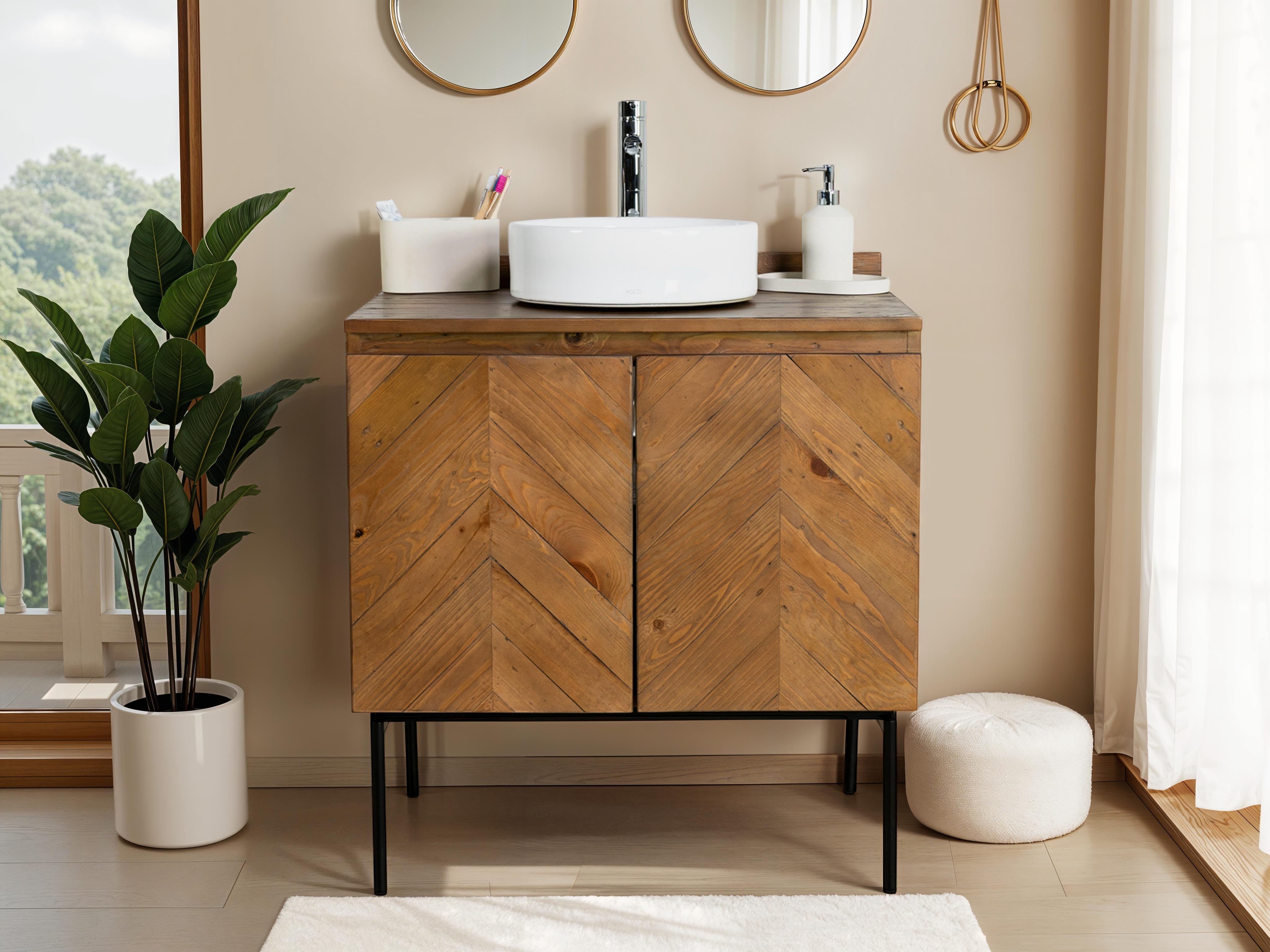
Modern rustic design hasn't lost any ground - if anything, it's grown more confident. The look has traded a maximalist pile of heavy beams and exposed brick for a smaller number of pieces that carry more weight on their own. Reclaimed wood is usually the one doing that work, with plainer surrounding walls letting the grain and detail actually stand out rather than compete for attention.

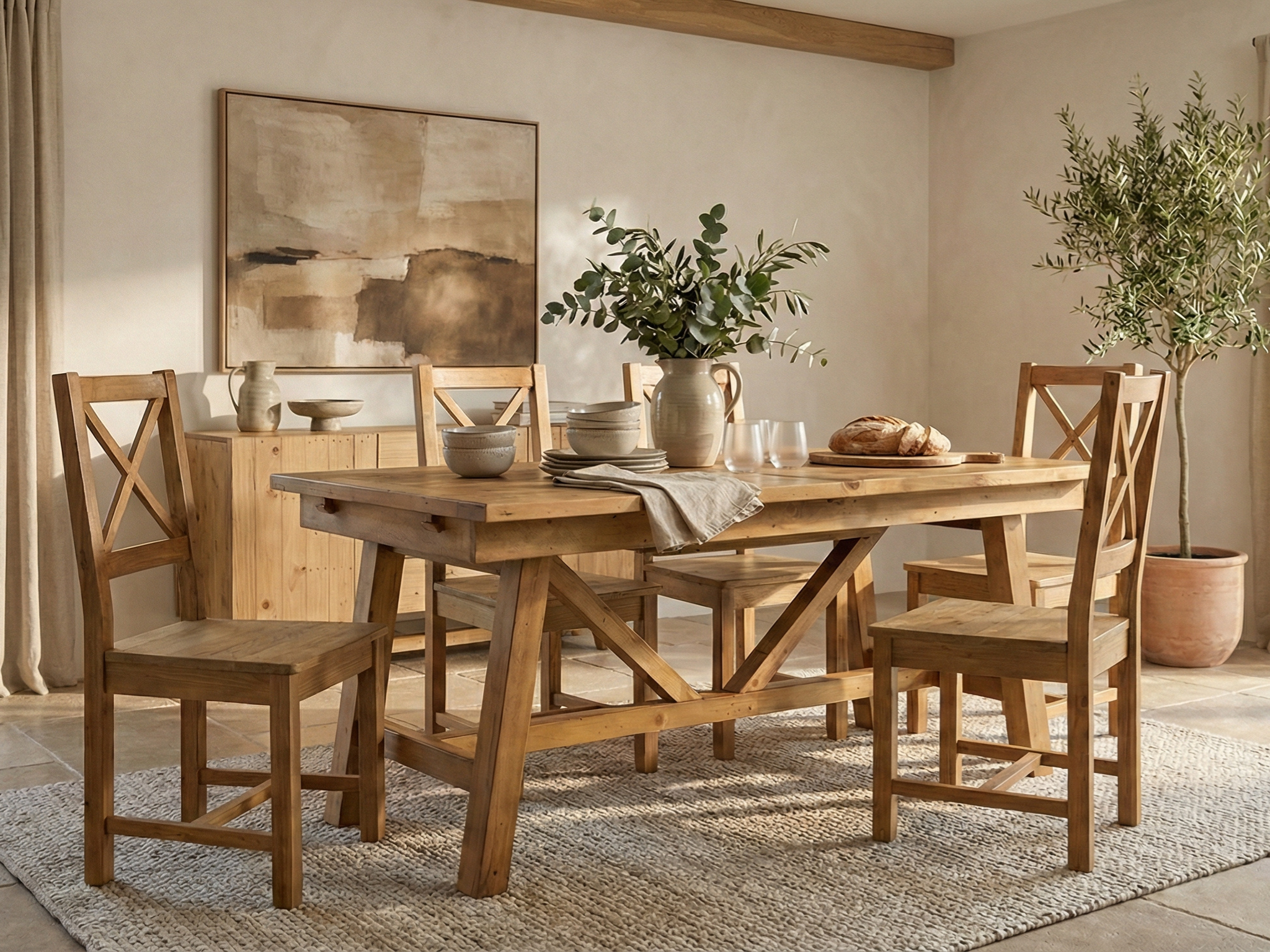
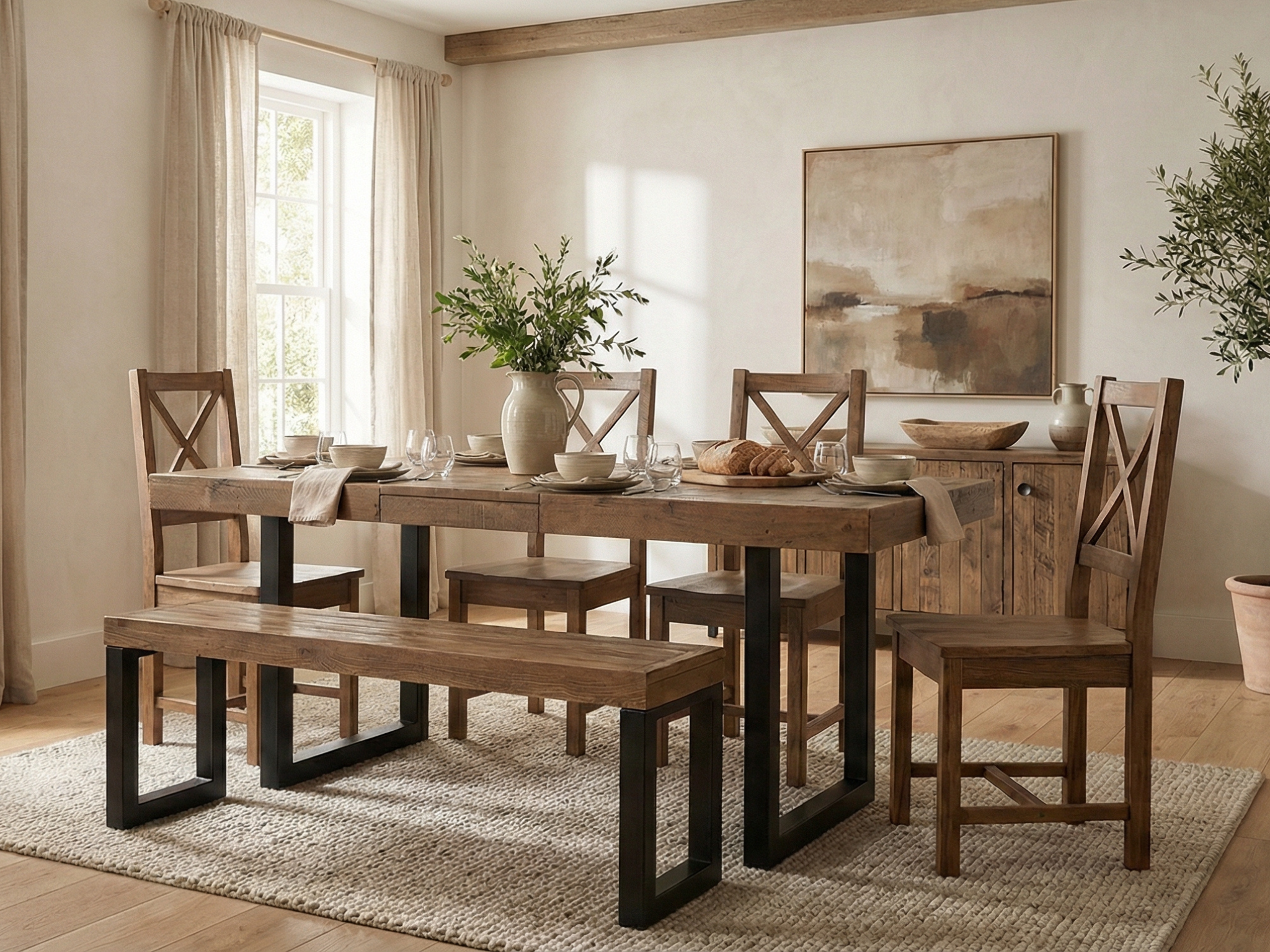
A single reclaimed dining table with visible grain and knots, or one sideboard against an otherwise plain wall, now tends to carry a whole room. One or two pieces, done well, read as considered - which is exactly the confidence this look has grown into.
Organic Modern's Rise Is Really About Fatigue With Stark Minimalism
Organic modernism didn't appear out of nowhere. It's largely a reaction to the all-white, all-grey minimalism that dominated interiors for years - rooms that looked calm in photos but often felt cold actually to live in. The organic modern answer keeps the simplicity while bringing warmth back through natural materials, soft curves, and texture.
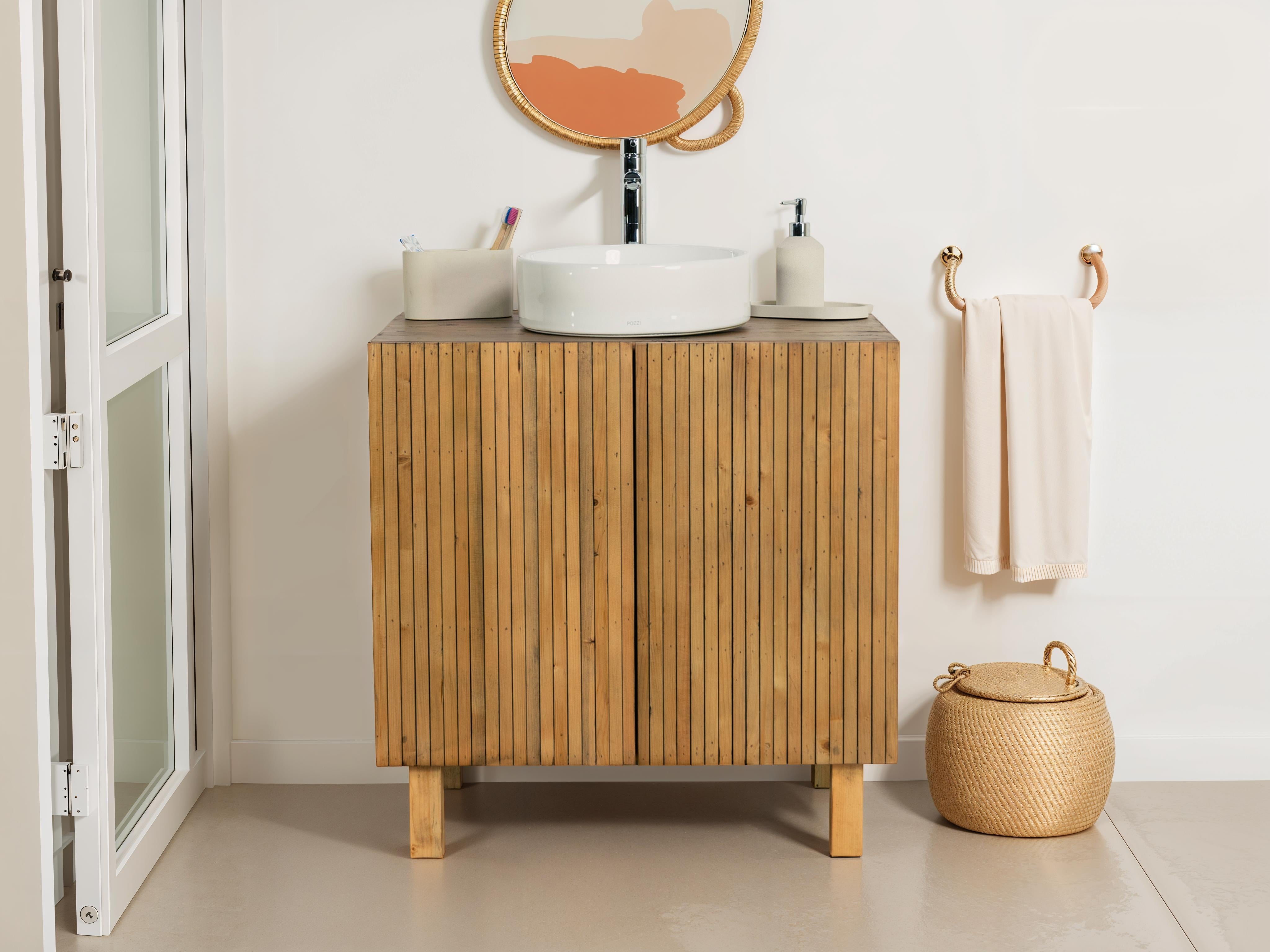
Reclaimed wood fits neatly into that gap. The unevenness in the grain and the slight variation in tone across a piece give a room texture without adding pattern or colour - which is exactly the balance organic modern is chasing. A rounded coffee table or a nest of tables tends to suit it better than anything with sharp, angular lines.

Pair it with something soft - a woven rug, or a hand-stitched cushion - and the room stays grounded rather than sparse. This is a style with real momentum right now, and we'll be covering it properly in a dedicated post soon.
Japandi Has Moved From Niche to Mainstream
A few years ago, Japandi was a fairly niche crossover style. It's since become one of the most searched interior looks going, as more people look for rooms that feel calm and functional rather than decorated for the sake of it.
Reclaimed wood suits both halves of what Japandi is trying to do. The natural imperfections read as wabi-sabi rather than flaws, while the pared-back shapes suit the clean lines Scandinavian design is known for. Furniture with a hand-applied natural finish works particularly well here, since Japandi interiors tend to avoid anything glossy or overly polished - a low bedside table or a simple bench with visible grain does more for the look than an ornate piece ever would. This is another style we'll be giving its own dedicated post to shortly.
Industrial Interiors: Warmer Than Before
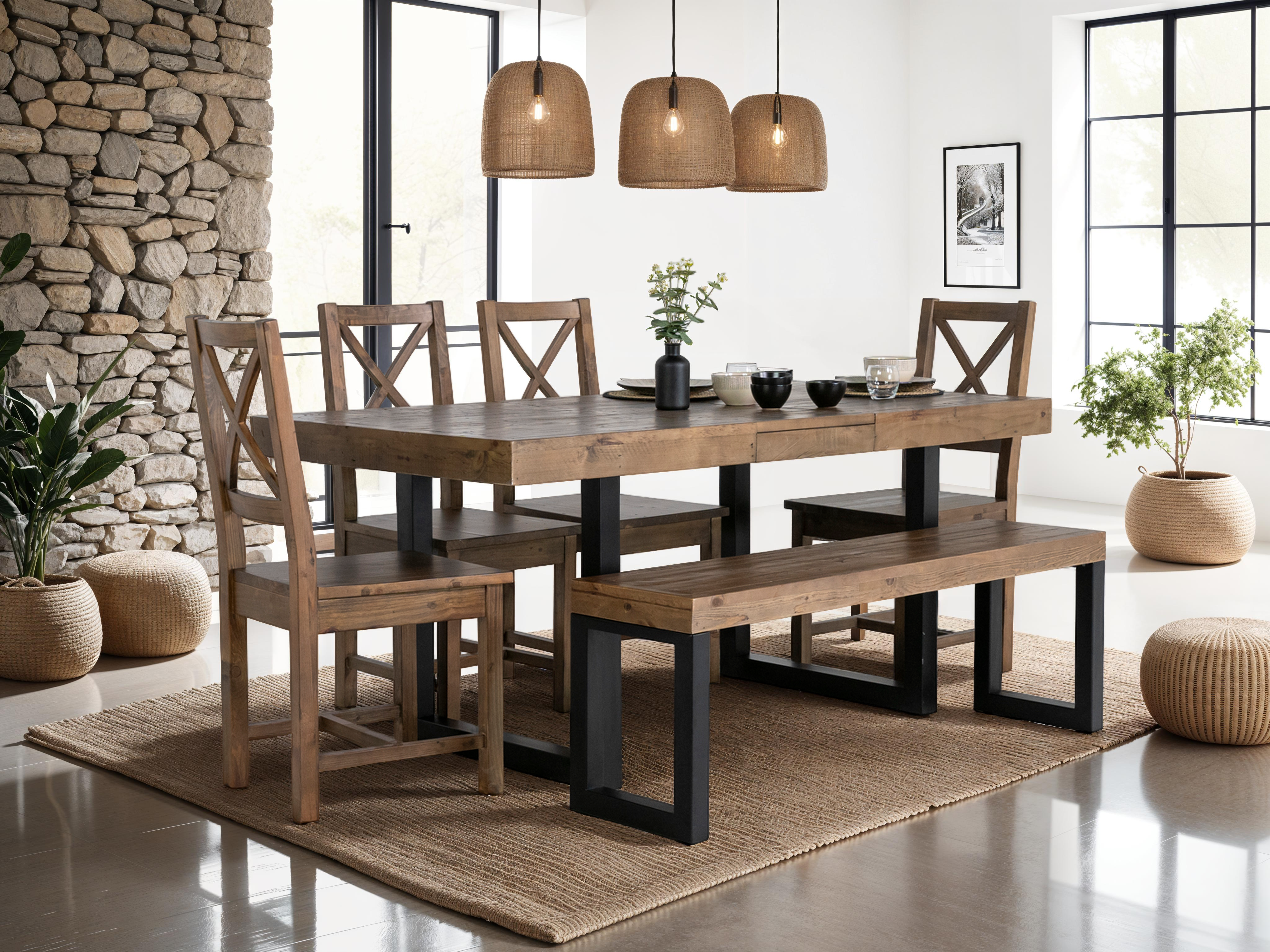
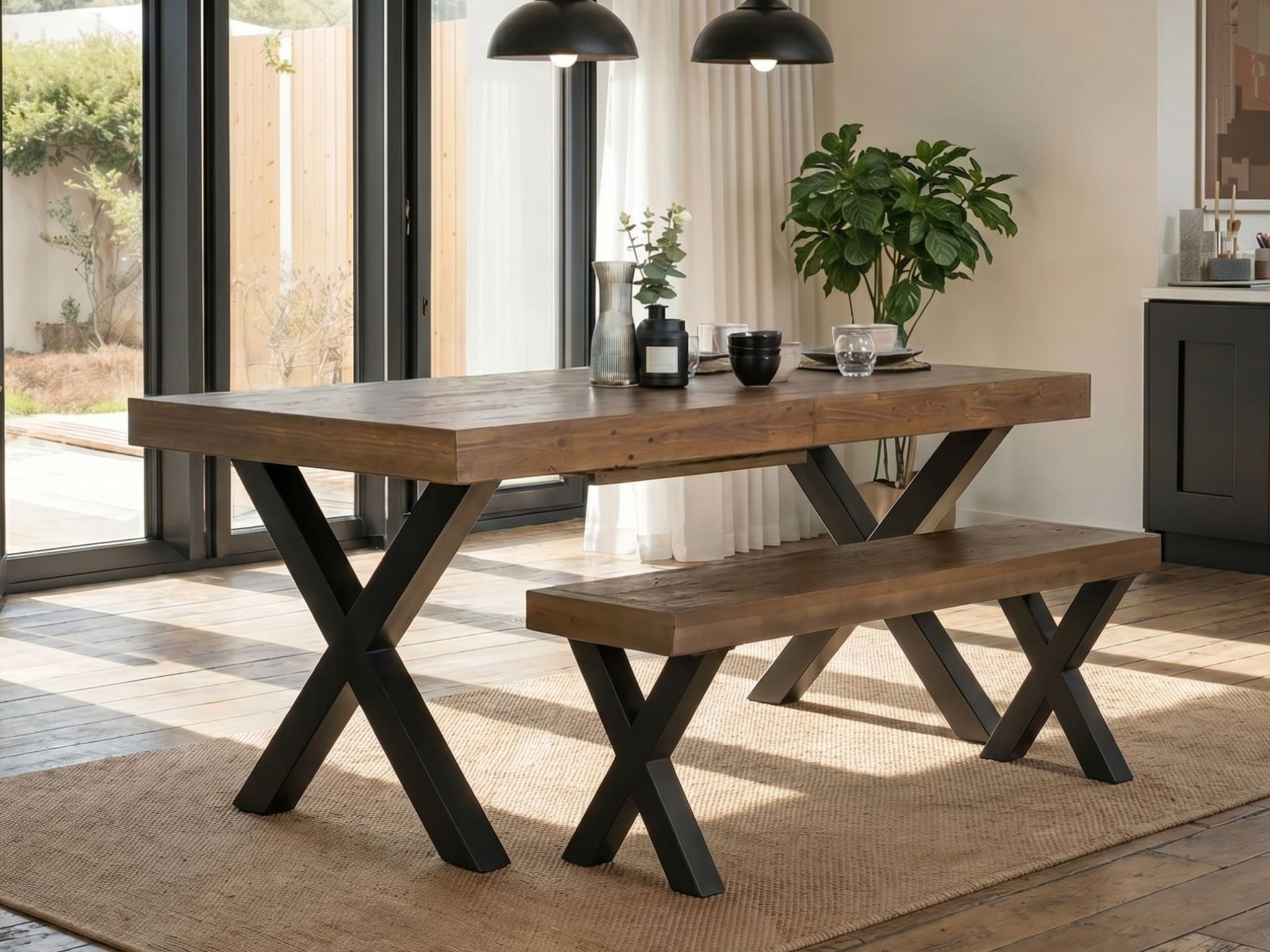
Industrial style furniture hasn't cooled off - it's simply grown warmer. Exposed brick, black metal, and concrete are still very much part of the look, but rooms increasingly bring reclaimed wood in alongside those materials rather than sitting purely on steel and concrete.
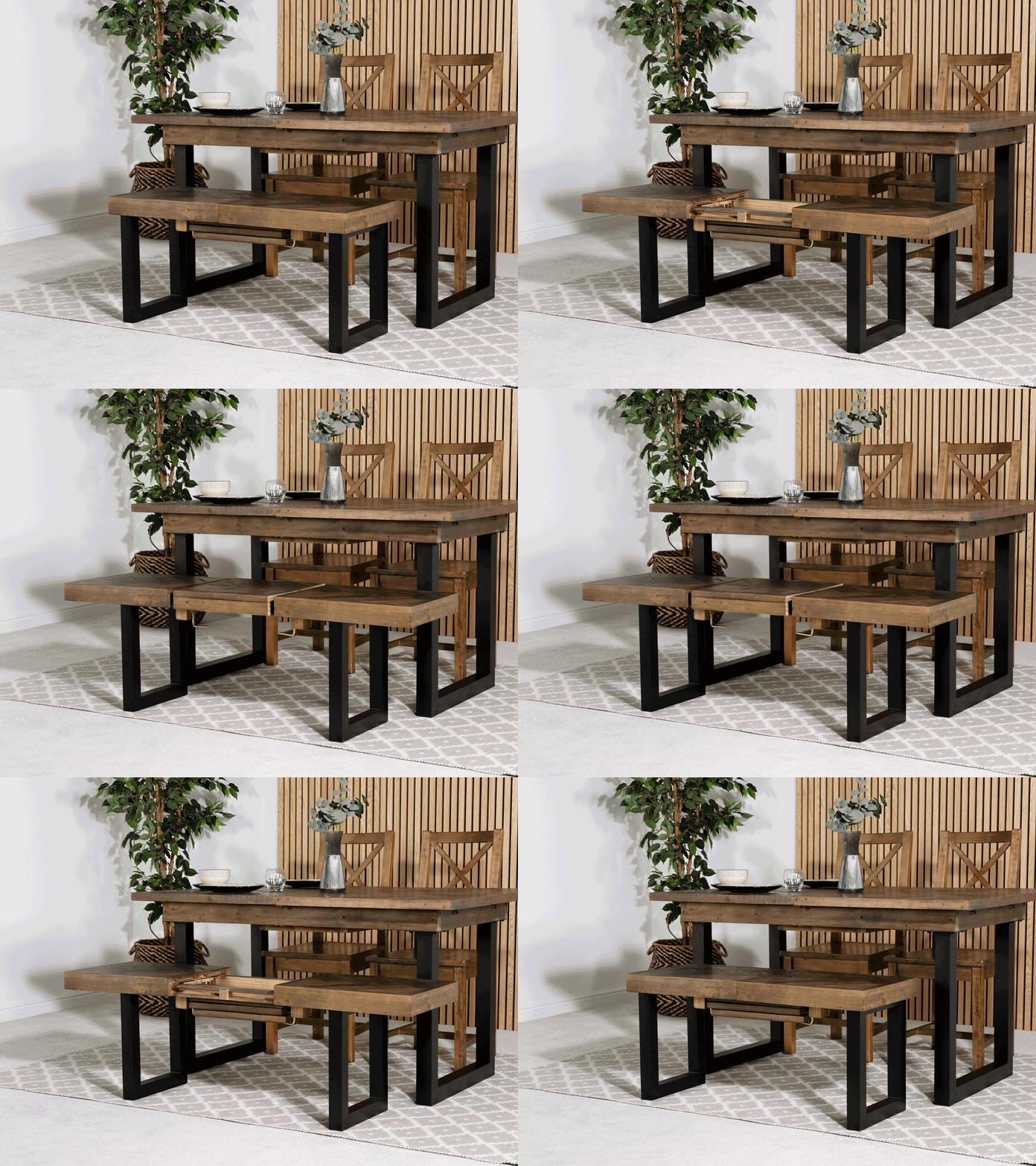
A reclaimed desk with metal legs shows that balance well - it keeps the industrial edge fully intact while stopping the room from feeling like a warehouse.
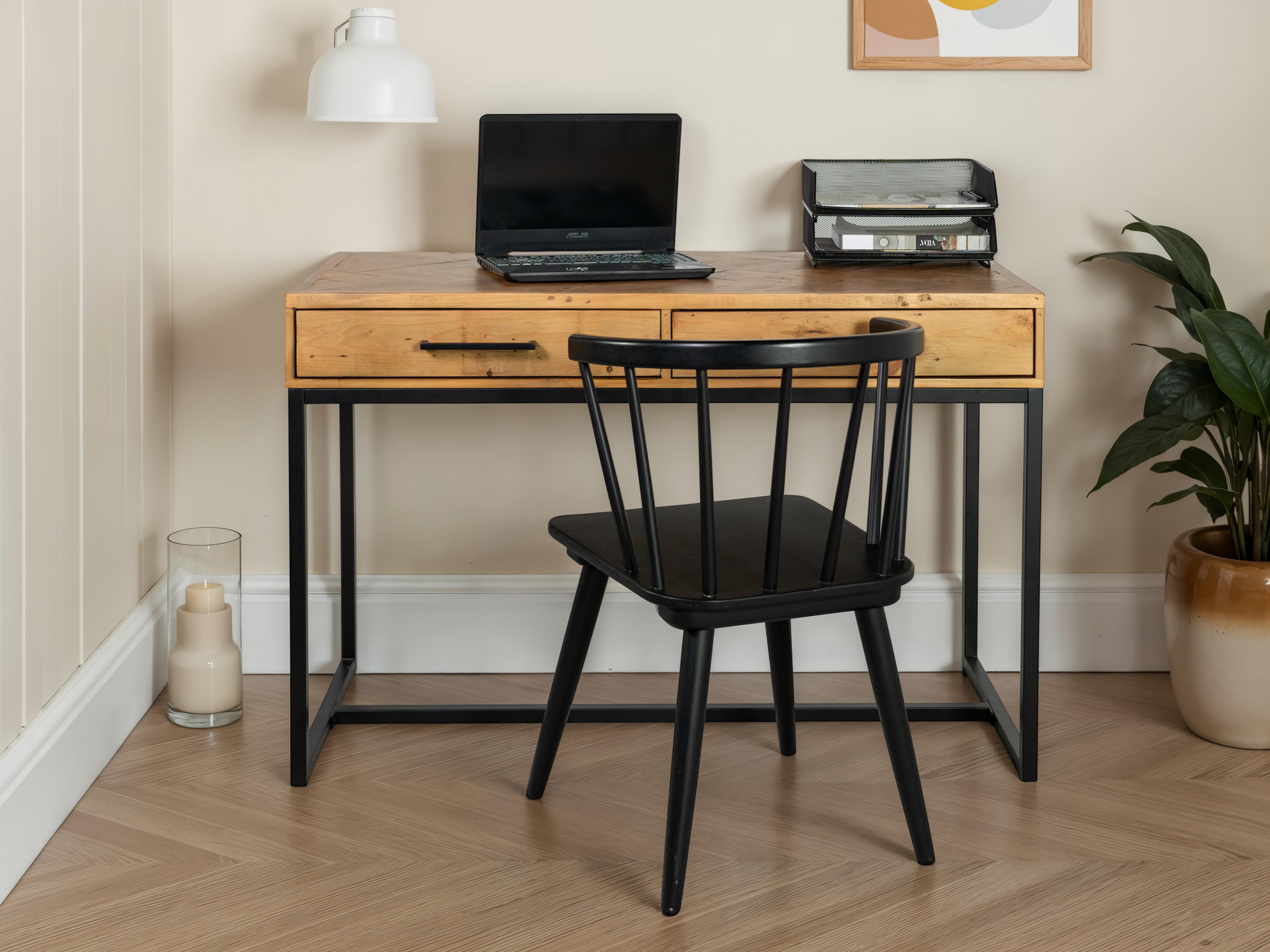
It works because reclaimed wood already carries a sense of history and use, which suits a style built around function over polish. It doesn't need distressing or ageing treatments to fit in - it already looks like it's been somewhere.
Farmhouse Style and Rustic Wood Interiors
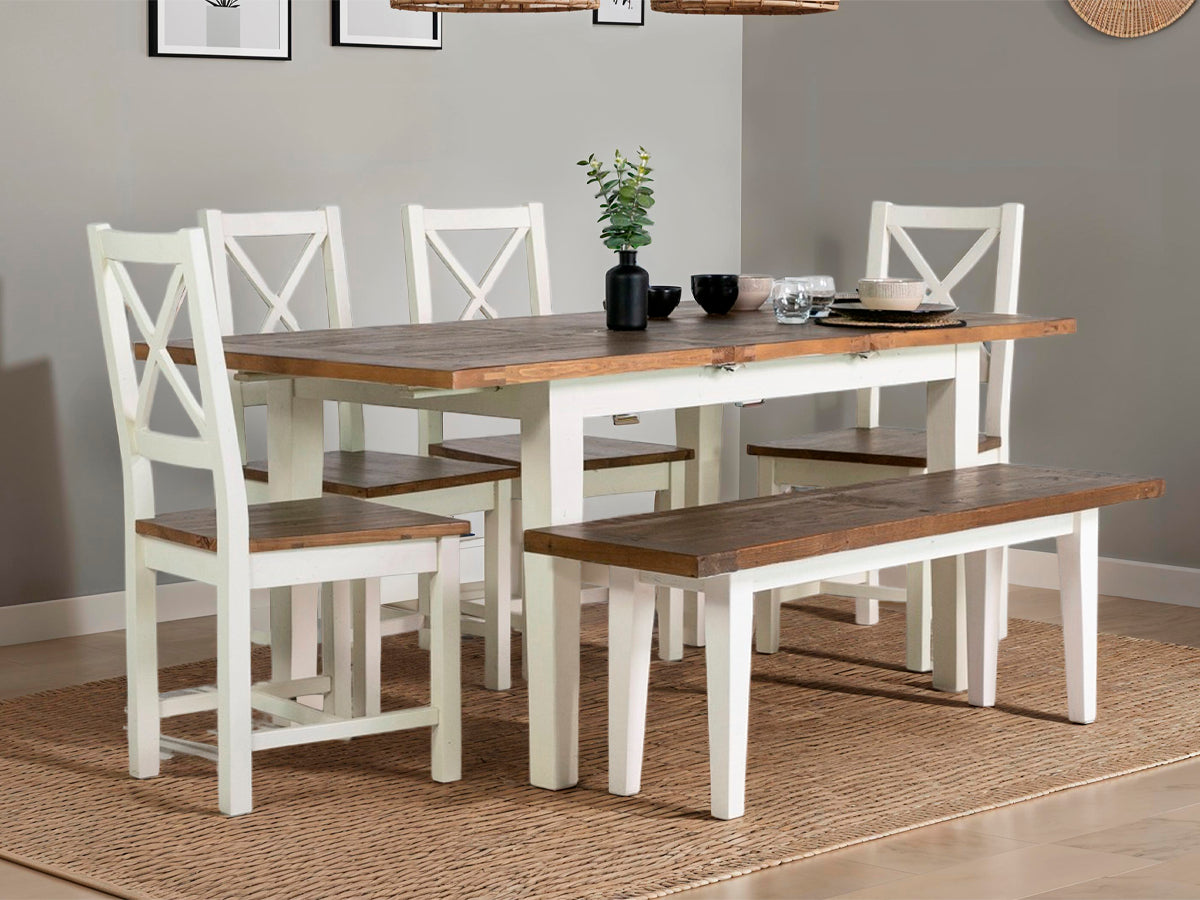
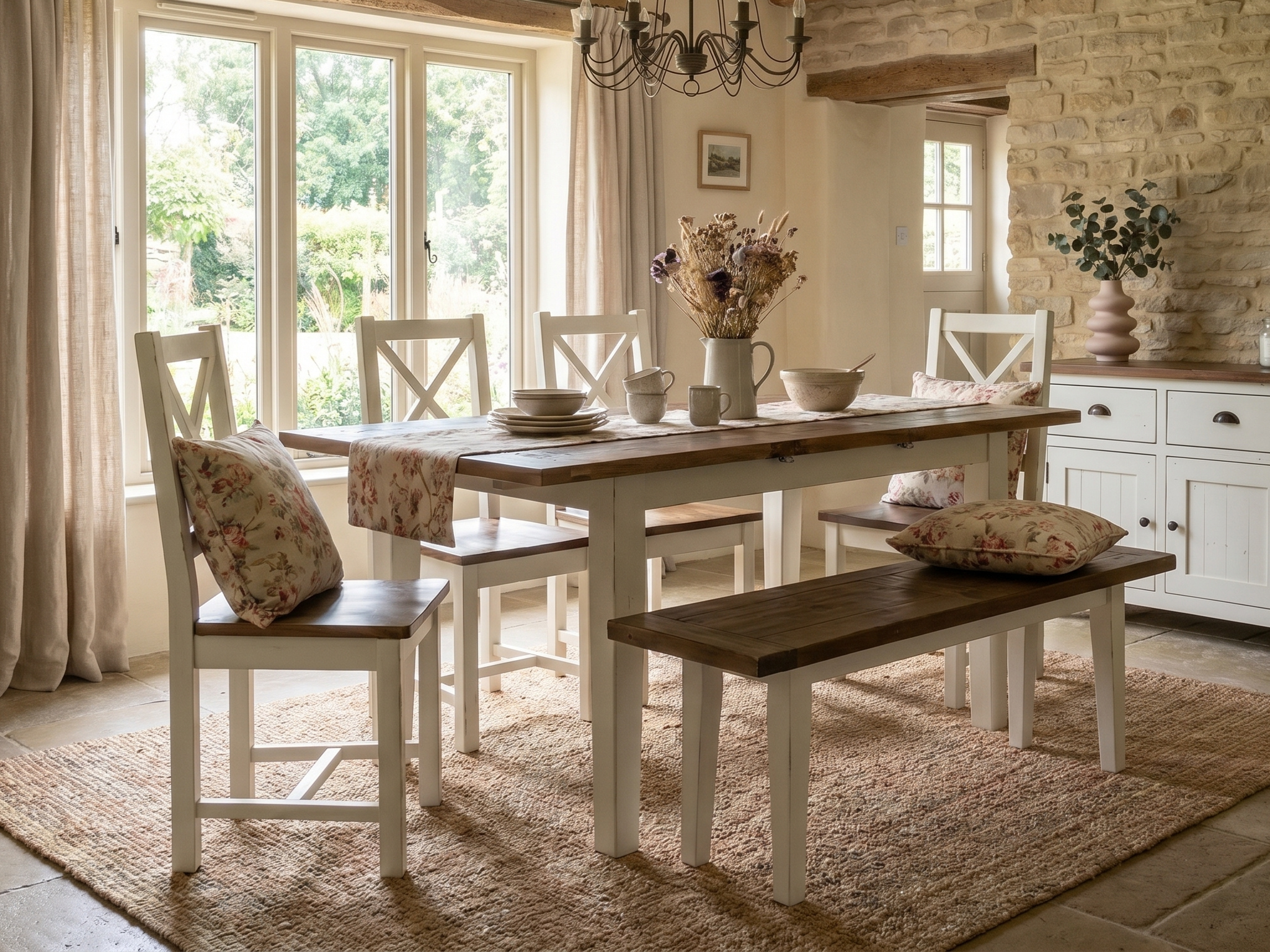
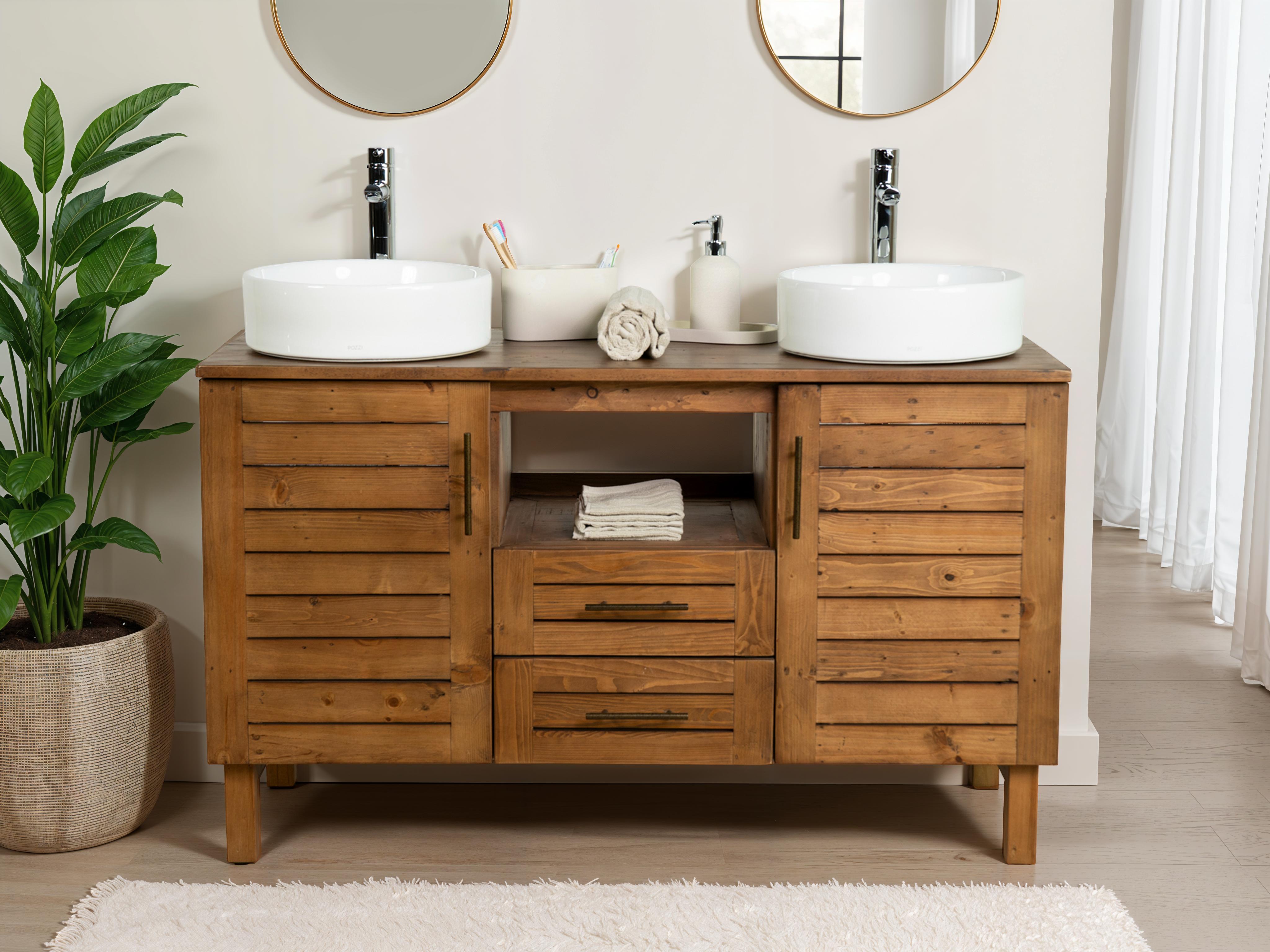
Farmhouse interiors keep the warmth people have always loved about the look, just with a lighter hand around it. Long dining tables built for gathering, sturdy benches and sideboards with visible wear still sit at the centre of these rustic wood interiors, with less clutter layered on top than the style used to carry.

What separates this from modern rustic is warmth and softness - farmhouse interiors lean into more lived-in tones and pair well with woven textures. A rug underfoot or a bench at the end of a table adds to that feel while keeping the room feeling settled rather than overdressed.
Reclaimed Wood Decor Beyond the Dining Table
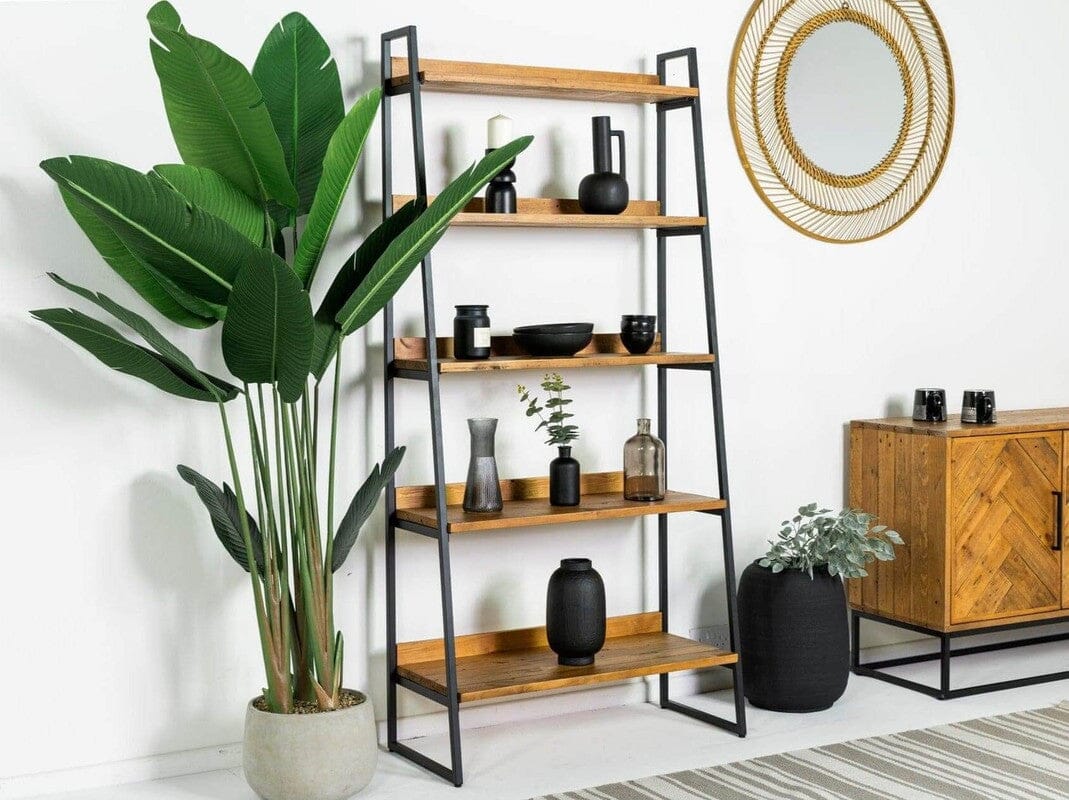
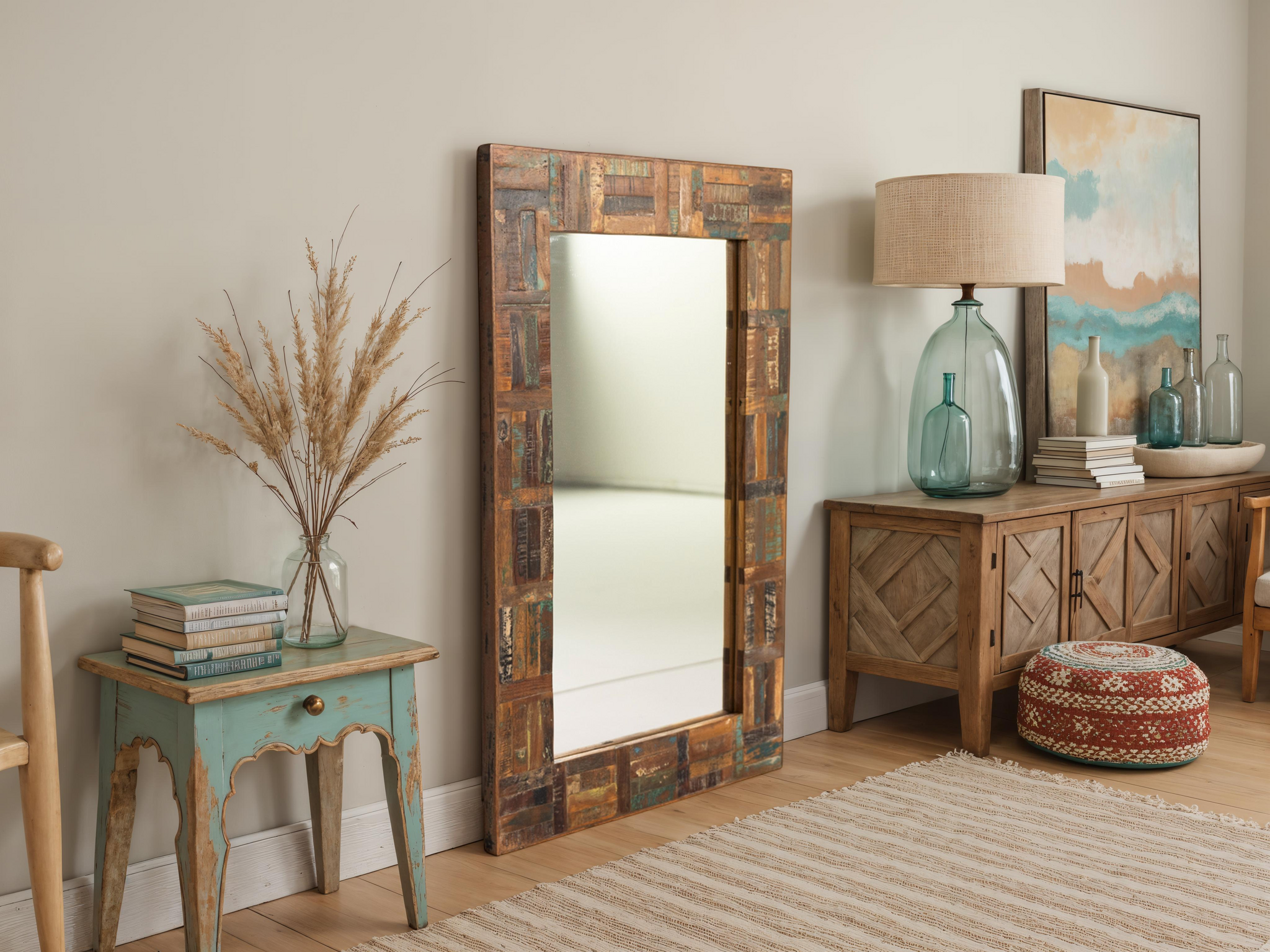
Trend pieces tend to focus on the obvious furniture - a table, a bed frame - but a lot of the current shift towards natural materials happens through smaller additions. A reclaimed wood mirror brings the same grain and character into a hallway or bedroom without needing a large piece of furniture to do it.
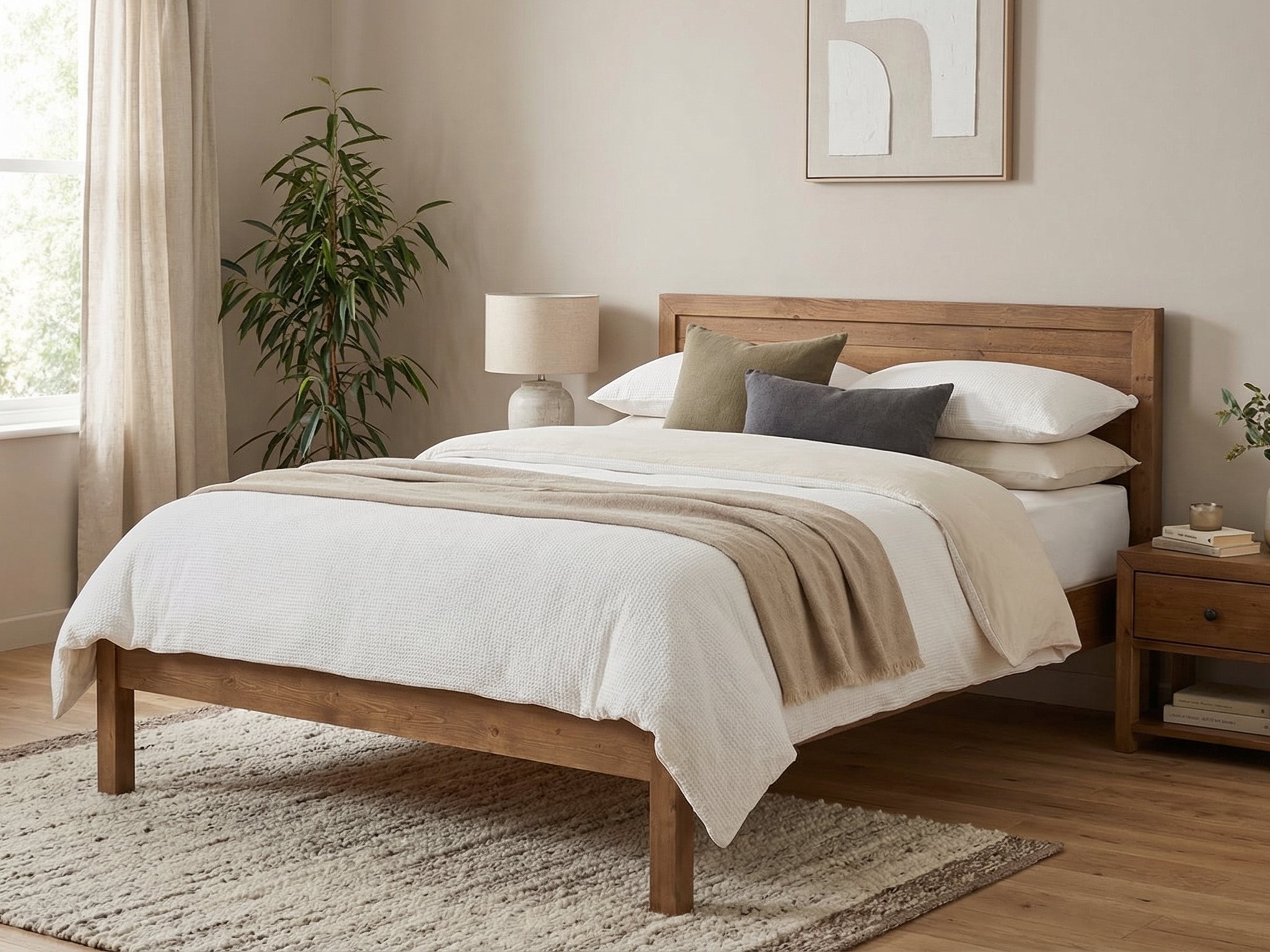
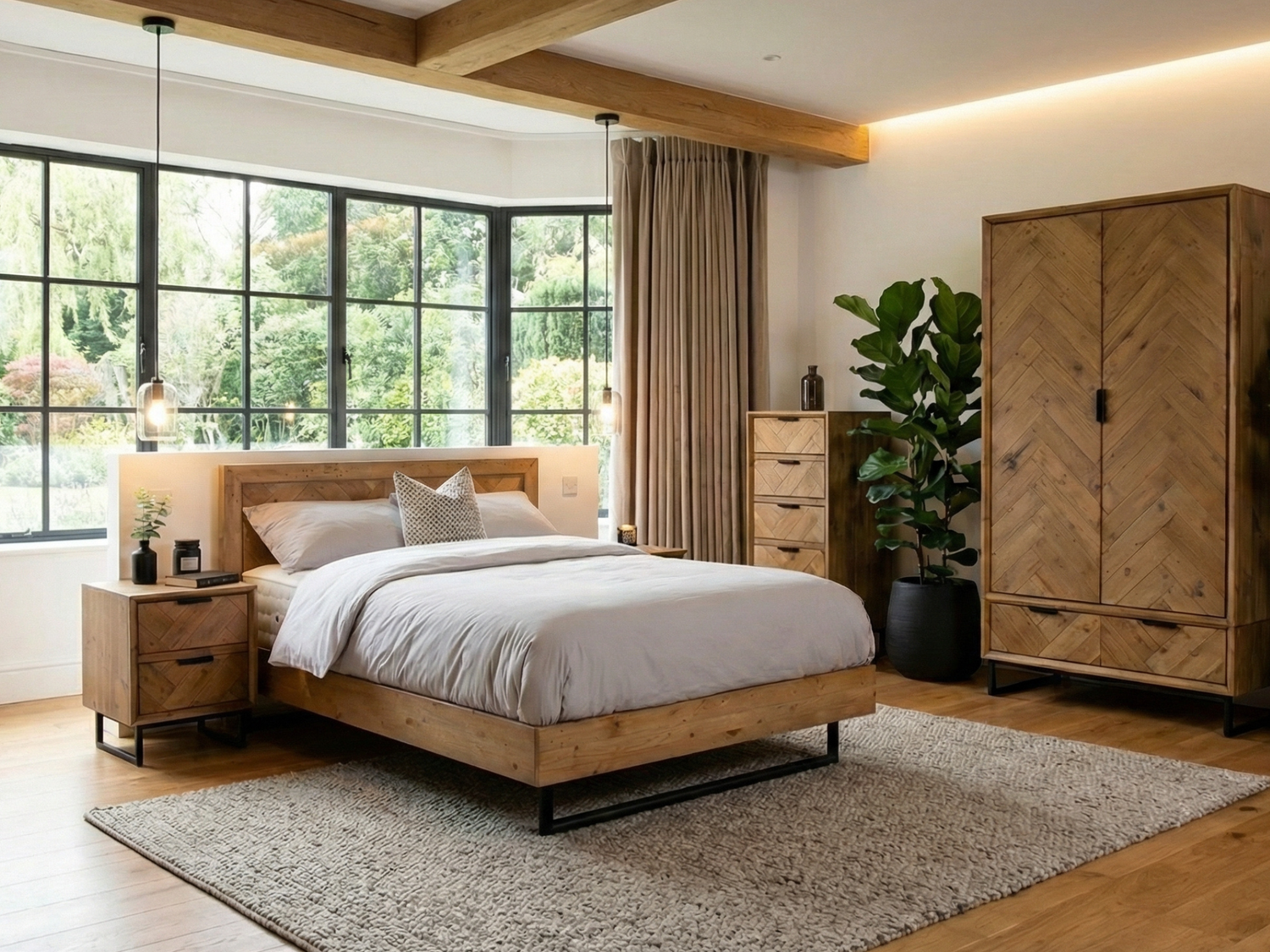
A bed frame does the opposite job, anchoring an entire room in one go rather than adding a quiet accent.
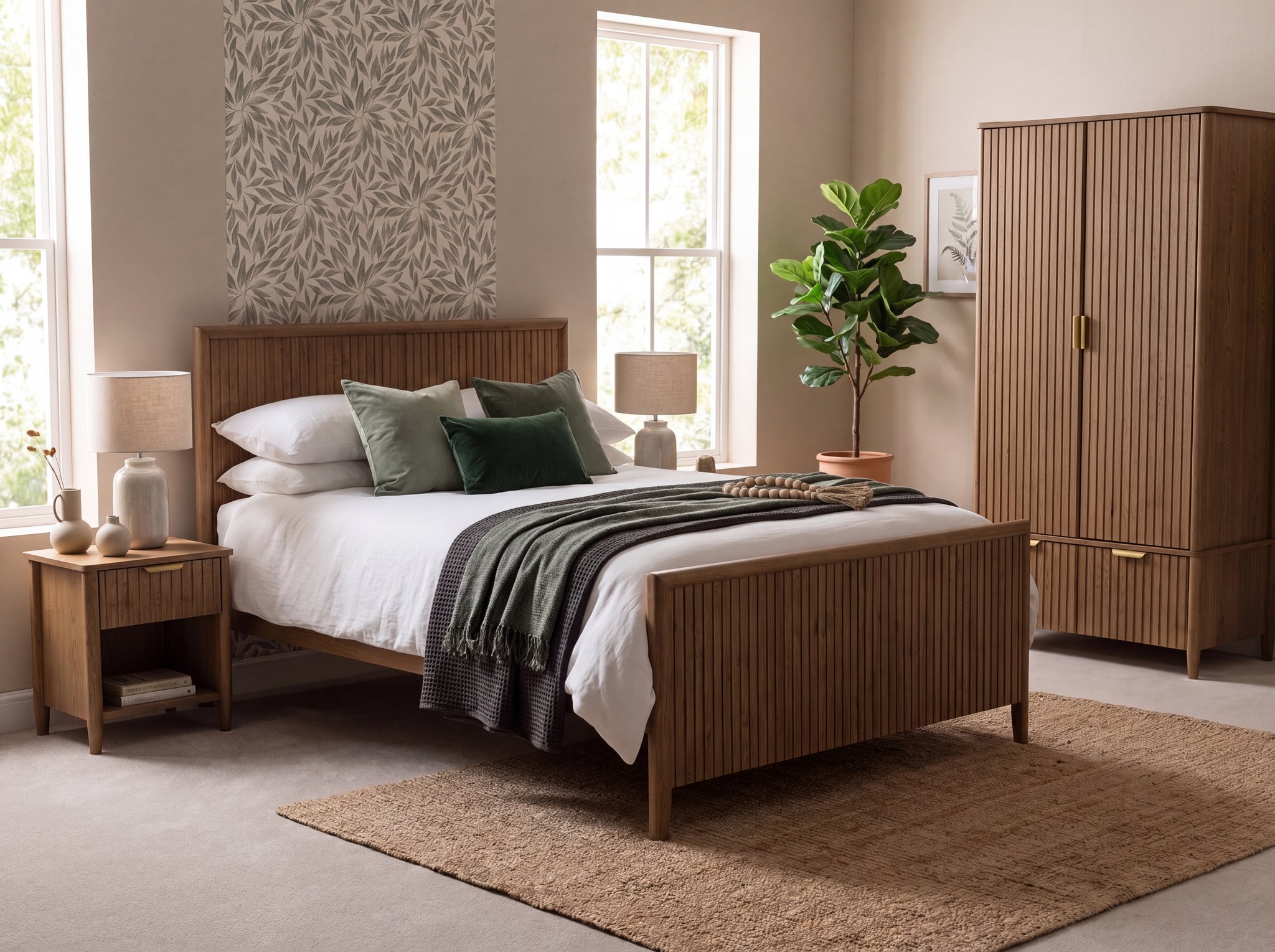
Between the two extremes sits most of what people actually buy - and it's these everyday pieces, not just the statement ones, that are quietly carrying this shift towards natural materials into ordinary homes.
Styling Tips for Natural Wood Accents in Any Room
A few things hold, whichever direction you're leaning. If you want to go deeper into how colour, texture and lighting work together more broadly, our guide to designing a warm and inviting living room covers those fundamentals beyond just the wood itself.
Let the grain do the talking. Reclaimed wood already has texture and pattern built in, so it rarely needs busy accessories layered on top. A simpler surrounding room usually shows it off better - which is exactly the direction most of these trends are heading anyway.
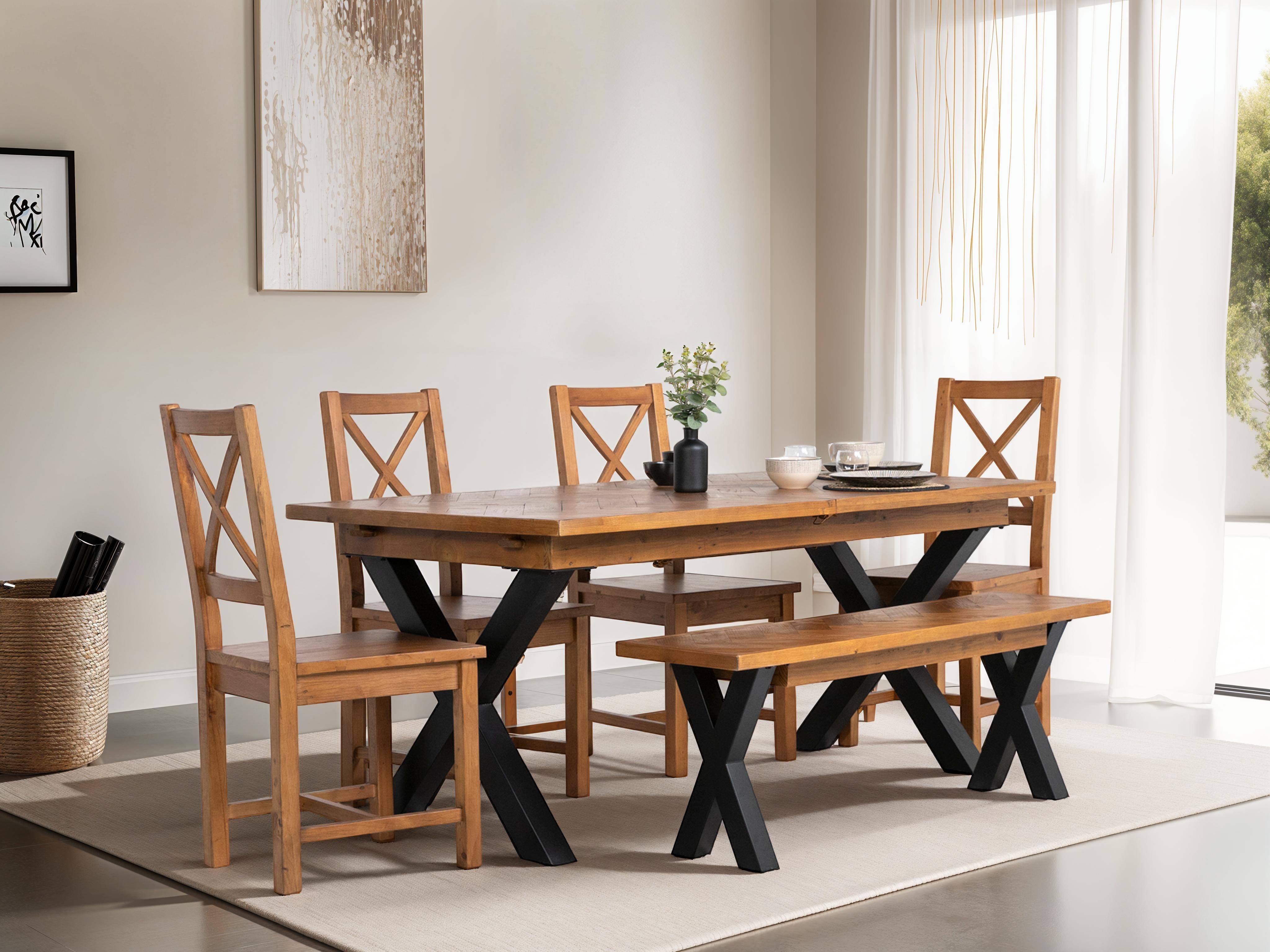
Mix, don't match. A single reclaimed wood tone paired with two or three complementary materials tends to look more intentional than a room built from matching timber. A reclaimed top with black metal legs and brass detailing brings in enough contrast to feel current without losing the warmth of the wood itself - the kind of pairing that defines a lot of mid-century-inspired furniture today.
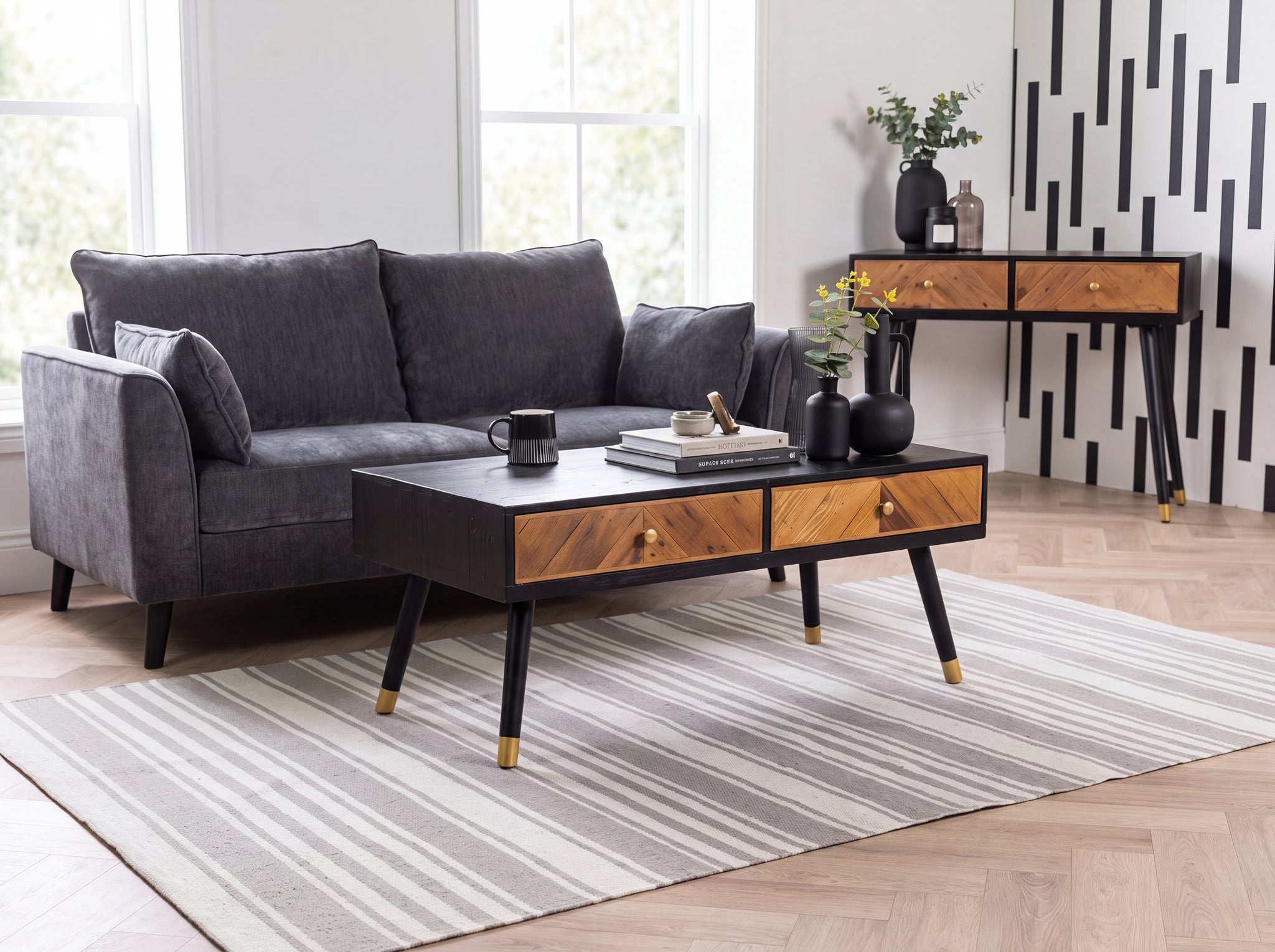
Pine and elm are the two timbers we work with most, and pine in particular changes through the reclaiming process - it hardens considerably compared to newly milled softwood, which is part of why it holds up in furniture that gets used daily rather than sitting for show. Every piece is finished by hand in our Bristol workshop, which is part of why no two look quite the same even within the same collection. Given where these trends are heading - towards texture and individuality over uniformity - that's less of a limitation than it sounds.
Most Rooms Don't Actually Pick One Trend
Very few real homes commit fully to a single style label. Most borrow a bit from farmhouse warmth and a bit from organic modern calm, without ever settling into one camp. Reclaimed wood tends to hold those hybrid spaces together better than newer, more uniform materials would, mostly because it never really belonged to one aesthetic to begin with. If you want a closer look at combining it deliberately with other furniture styles, our guide on mixing reclaimed wood furniture with other styles goes further into the practicalities.
If you're not sure where a room is heading stylistically, start with a piece you already love the look of and build outward from there rather than trying to lock down a label first.
Frequently Asked Questions on Reclaimed Wood Interior Design
Is reclaimed wood still on trend, or has it had its moment?
It's still very much in demand, though the styles built around it keep evolving. Farmhouse has matured into a calmer version of itself, organic modern and Japandi have grown fast, and industrial has warmed up - reclaimed wood has moved comfortably with each of those shifts rather than being tied to any single one.
Does reclaimed wood suit modern interiors, or only rustic ones?
Both. The natural texture works as a contrast in cleaner, more contemporary rooms just as easily as it does in traditionally rustic ones. It's more about how the piece is styled than the wood itself.
Can I mix reclaimed wood with other wood tones in the same room?
Yes, though it's usually easier on the eye to keep one dominant tone and let a second, complementary tone appear in smaller pieces rather than mixing several evenly.
Is reclaimed wood furniture durable enough for daily use?
Yes. Reclaimed timber has typically already been through decades of use before it becomes furniture, and pine specifically hardens further through the reclaiming process, which makes it more durable than its softwood reputation suggests.
What's the easiest way to start incorporating reclaimed wood into an existing room?
Start with one piece rather than a full room refit - a coffee table, sideboard or bench is usually enough to shift the feel of a space without needing to change everything else around it.
Trends will keep moving on, the way they always do. What tends to stay in place is a preference for rooms that feel like they've got some history to them - and reclaimed wood keeps being the material that gives a room that, whatever label happens to be attached to the style at the time. For a broader look at bringing reclaimed pieces into a home beyond specific trends, our guide to styling your home with reclaimed wood furniture covers the fundamentals in more depth.
Browse the full reclaimed wood furniture collection, including lamp tables and chests of drawers, to see how it fits your own space.

Leave a comment
This site is protected by hCaptcha and the hCaptcha Privacy Policy and Terms of Service apply.