





Many people assume sustainable living requires dramatic lifestyle changes - solar panels, an electric car, a full home renovation. In reality, some of the most effective sustainable home choices are far simpler than that.
When it comes to the environmental impact of our homes, the products we buy and how long we keep them often matter more than many people realise. This isn't about doing everything perfectly. It's about knowing which decisions are actually worth making.
What Actually Makes a Home Choice Sustainable?
A product's sustainability is rarely down to one feature or a single label on the box. Several things tend to matter more than the marketing copy suggests:
- How long it's likely to last
- Whether it can be repaired rather than replaced
- Where the materials came from
- How it was made
- What happens to it at the end of its life
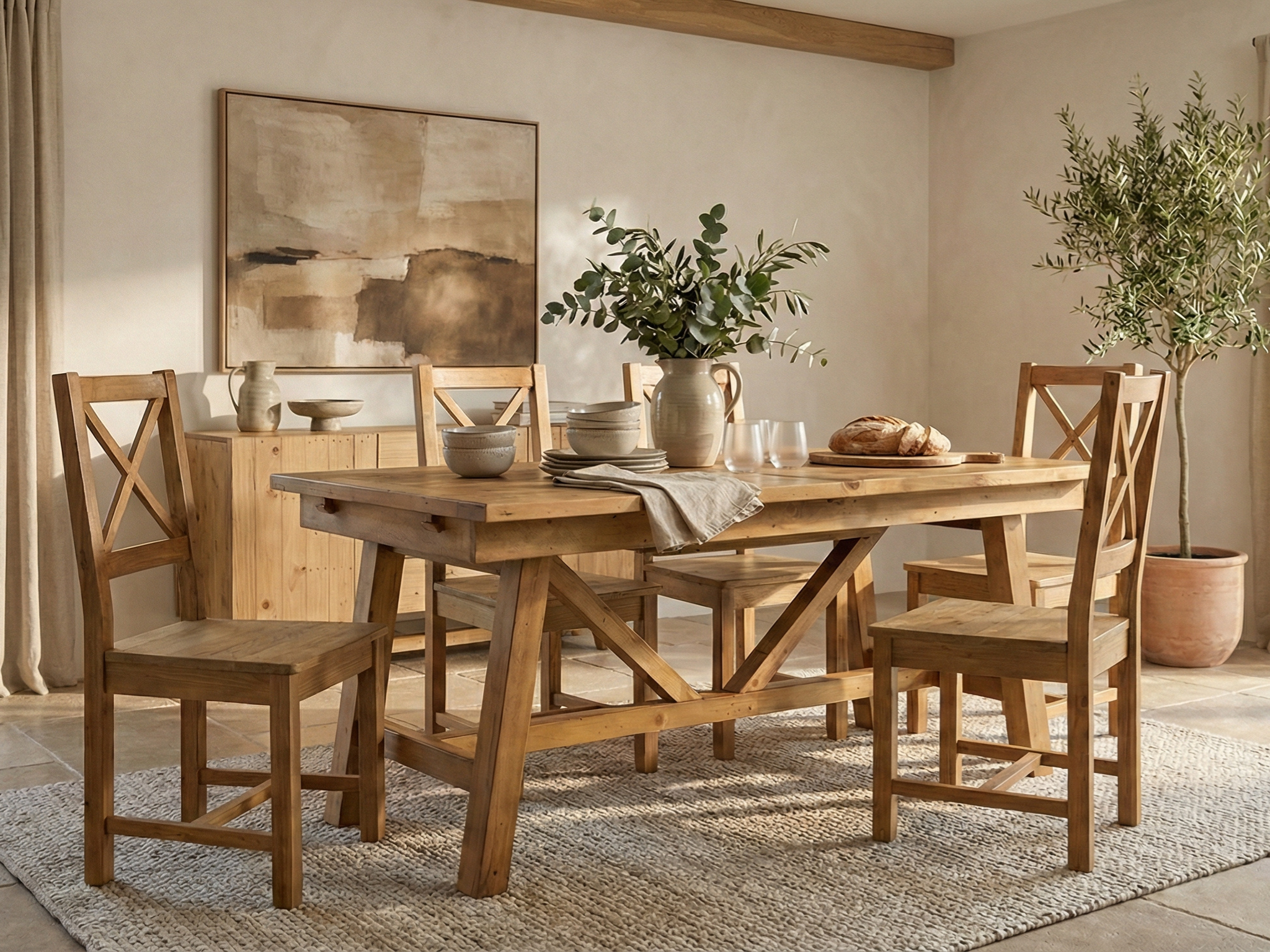
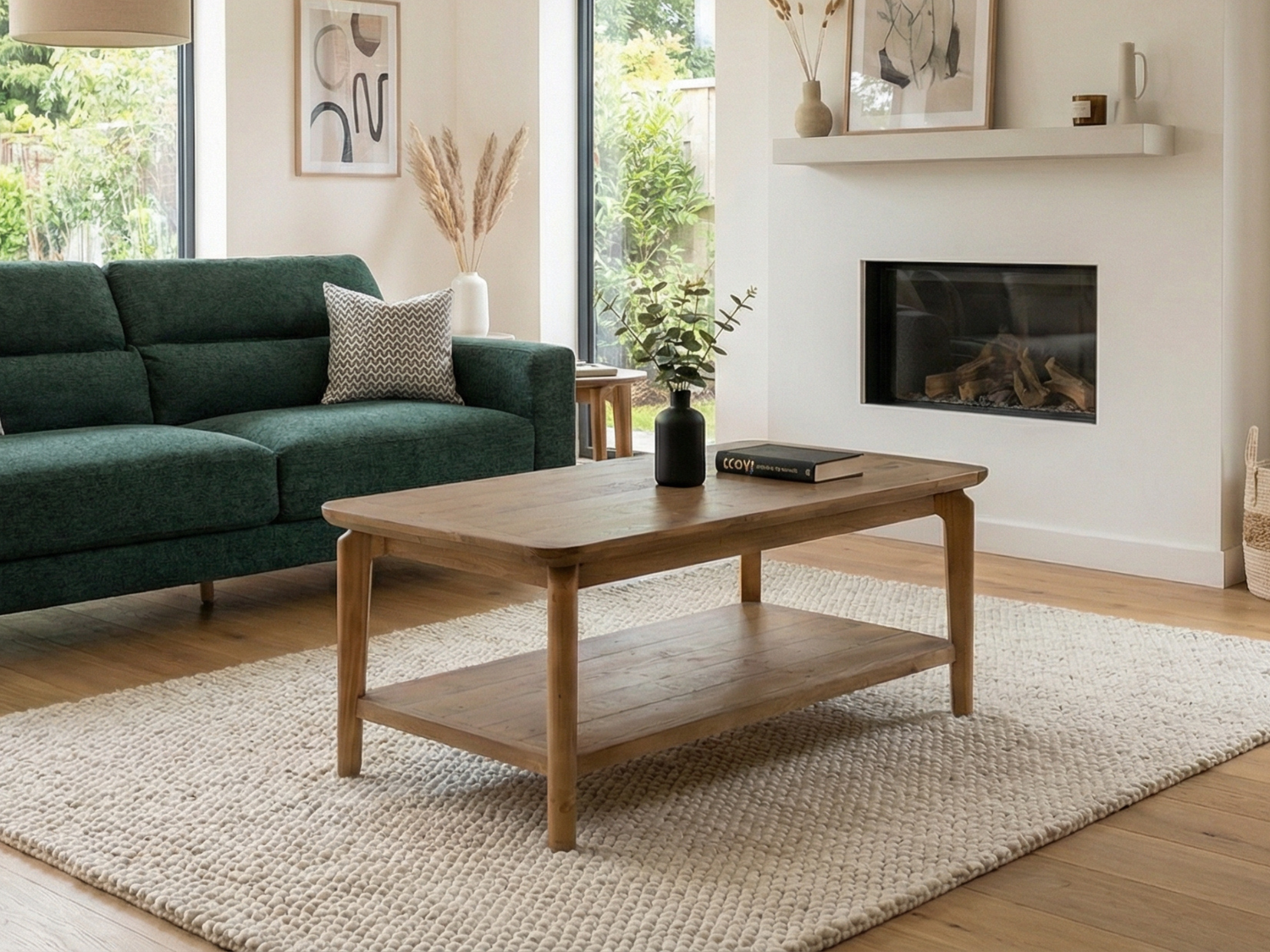
The most sustainable purchase is usually the one that stays useful for the longest time - which is a simpler test than most sustainability claims make it sound. Sustainable furniture is a good example of where this plays out in practice, since it's one of the few household categories where durability genuinely changes the maths.

Sustainable Home Choice #1: Buy Less, But Buy Better
This one rarely gets said outright, but it's probably the most important choice on this list. A lot of home buying isn't driven by genuine need - it's driven by what's trending on social media, what a "get organised" video says you should own, or what looks good in a styled photo rather than what actually suits how you live.
Storage solutions are a good example. Matching labelled containers for every category of household item look satisfying online, but if they're solving a problem you didn't actually have, they're just more stuff to eventually deal with. The same goes for decor bought to match a trend rather than a space you'll genuinely use it in.
Buying less isn't about restriction for its own sake. It's about asking whether something earns its place in your home before it arrives, rather than working that out later. For a closer look at how this plays out with materials specifically, how reclaimed furniture and recycled materials reduce waste at home goes into more depth.
Sustainable Home Choice #2: Think in Price-Per-Use, Not Price Tag
A piece of sustainable furniture that costs more upfront but lasts fifteen years can work out cheaper, and lower impact, than something that costs a third of the price but needs replacing three times over the same period. Thinking in price-per-use rather than the number on the price tag changes a lot of buying decisions, and it's a more useful way to judge value than upfront cost alone.
Sustainable Home Choice #3: Choose Things That Can Be Repaired
Some materials are built to be fixed. Solid wood, for example, can typically be sanded back and refinished if it gets marked or worn. Composite boards and bonded materials are generally harder to repair - once the surface is damaged, the item is more often replaced than restored.
Repairability is one of the clearer signals of whether something was designed to last, and it's worth checking before you buy rather than after something breaks.

Sustainable Home Choice #4: Look Past the Label
Terms like "eco-friendly" and "sustainably made" aren't regulated, so they can mean very different things from one product to the next. It's worth a quick check for something more specific - a verifiable certification, a named source, or at least a brand willing to explain where materials actually came from - rather than taking a label at face value.
Where something is made and how far it has travelled is worth the same scrutiny. Locally sourced or regionally manufactured products generally carry a lower transport footprint than items shipped from much further afield. It's easy to overlook when a product otherwise looks like a sustainable choice, but it's just as worth checking as the label itself.
Sustainable Home Choice #5: Consider Reclaimed Wood Furniture
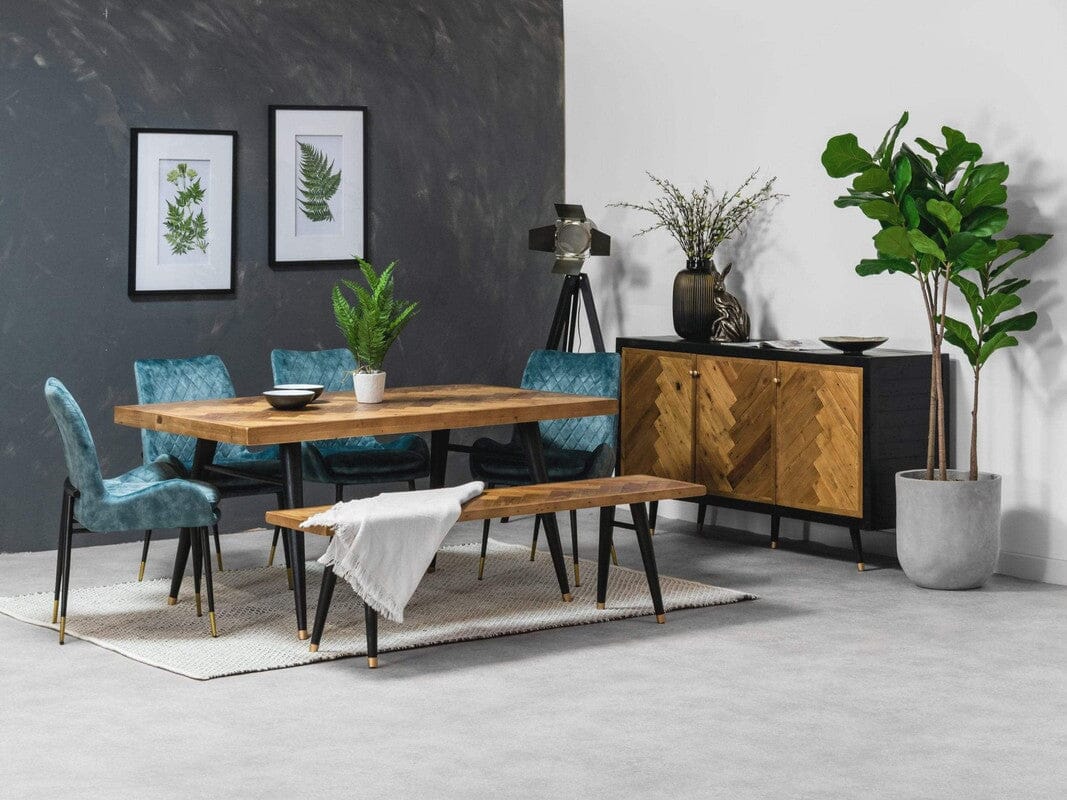
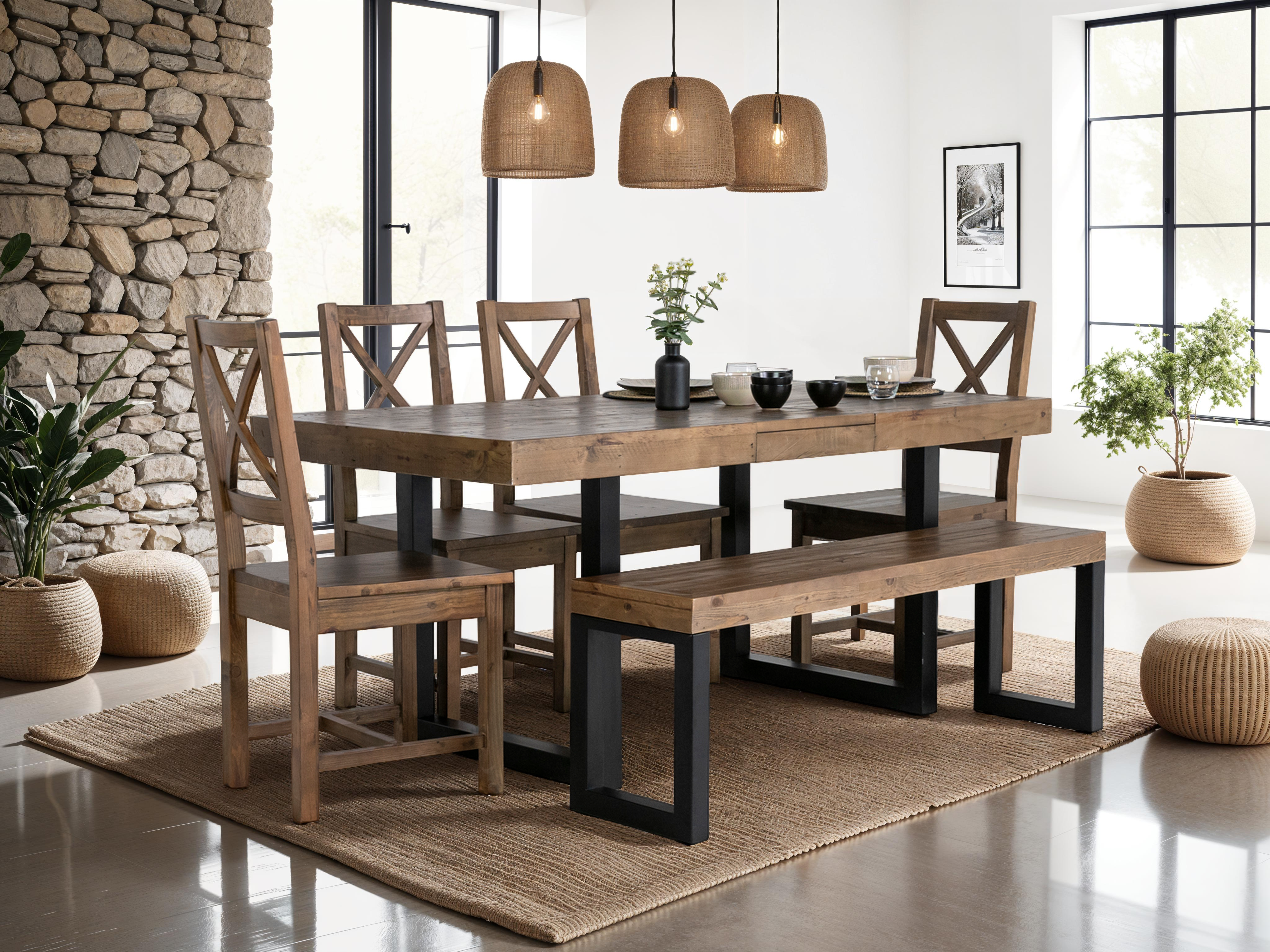
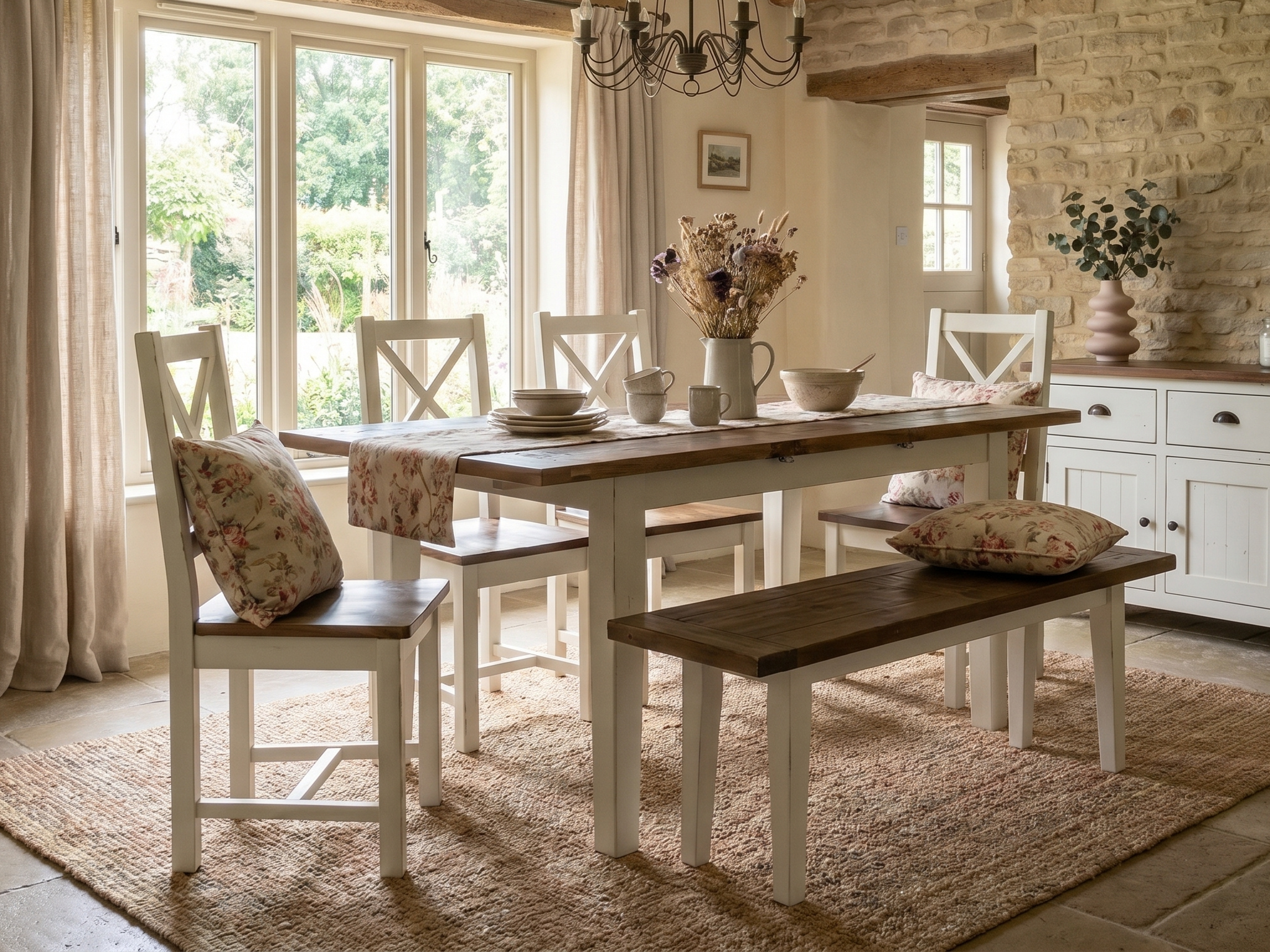
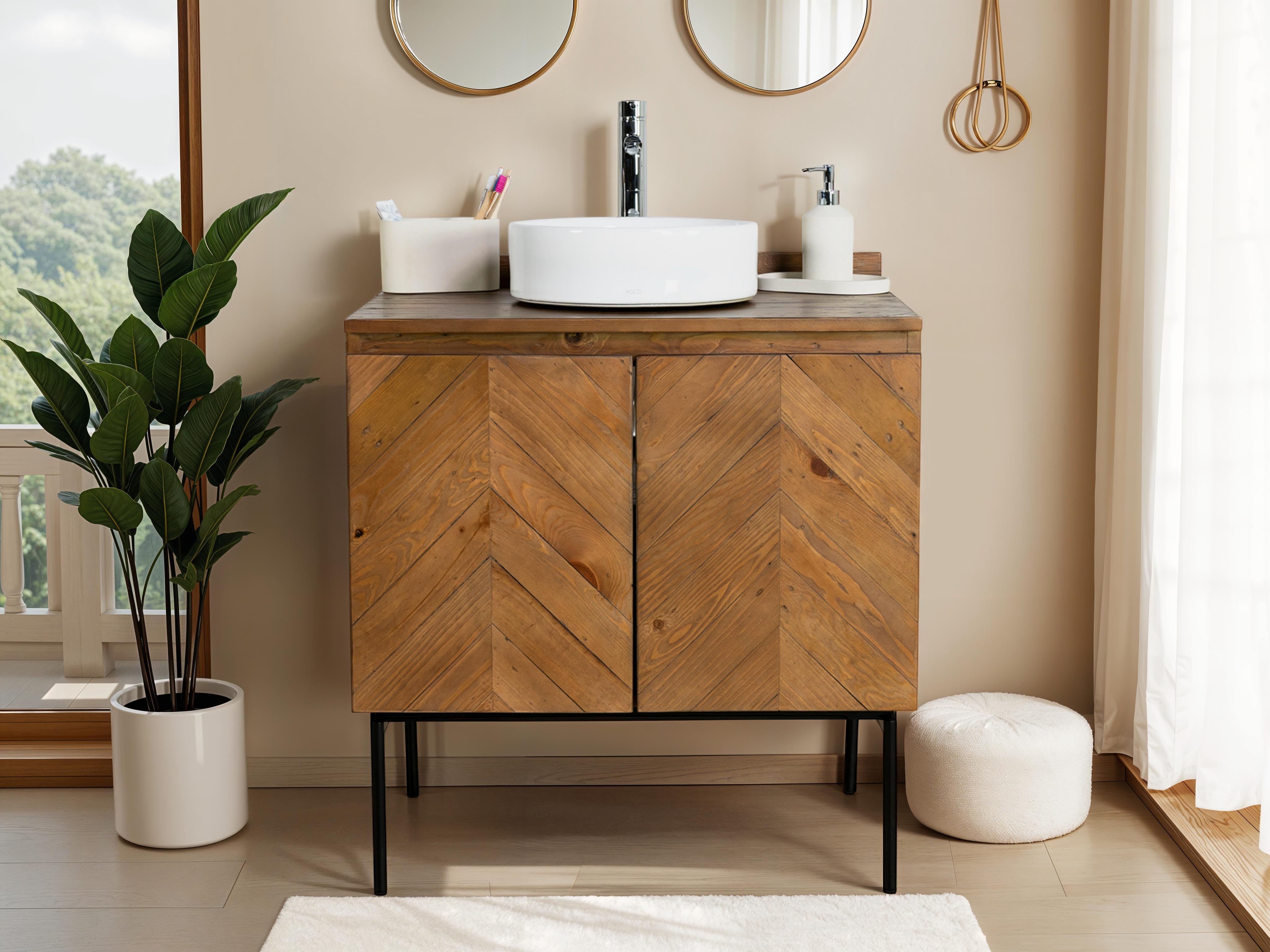
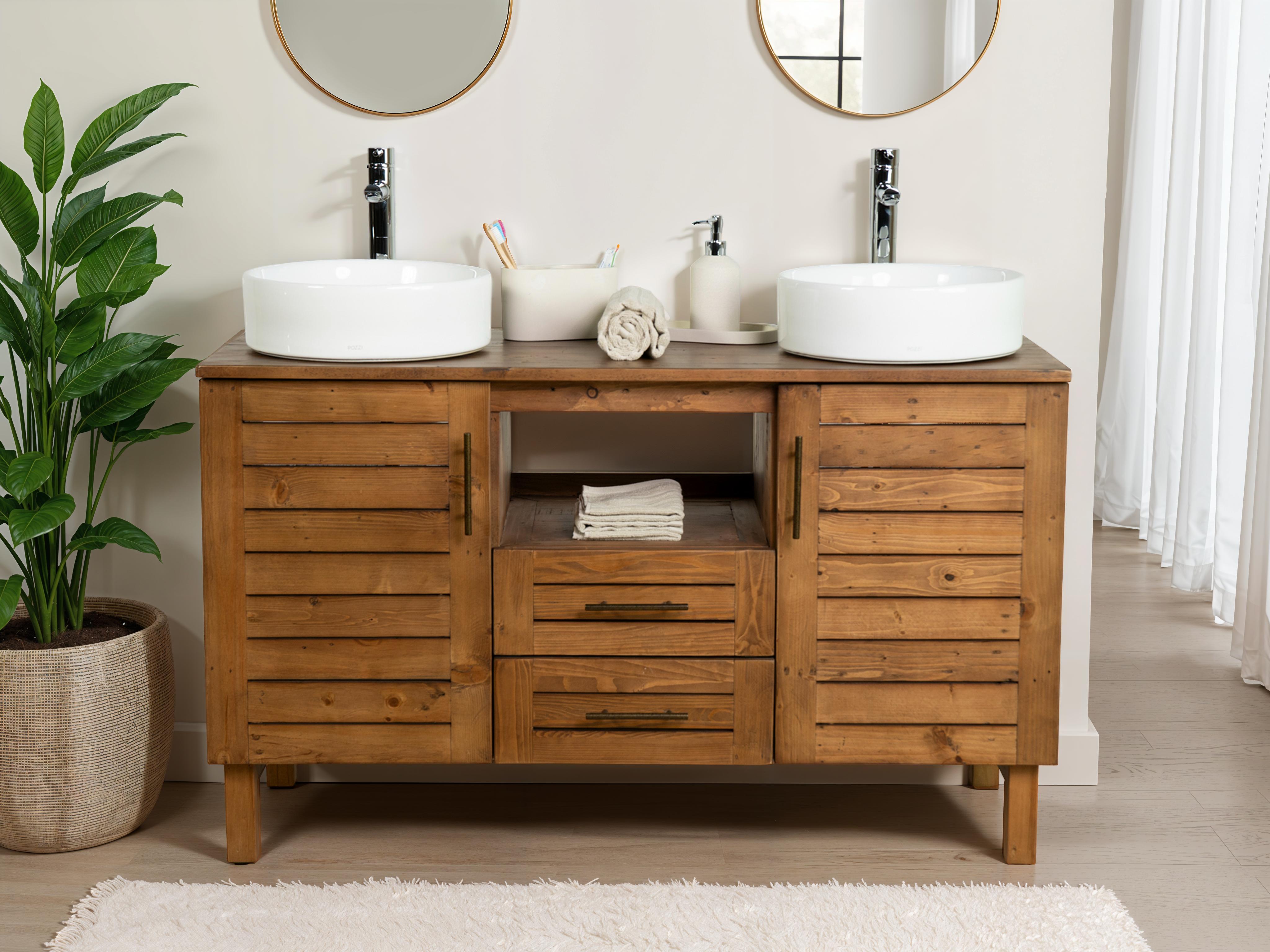
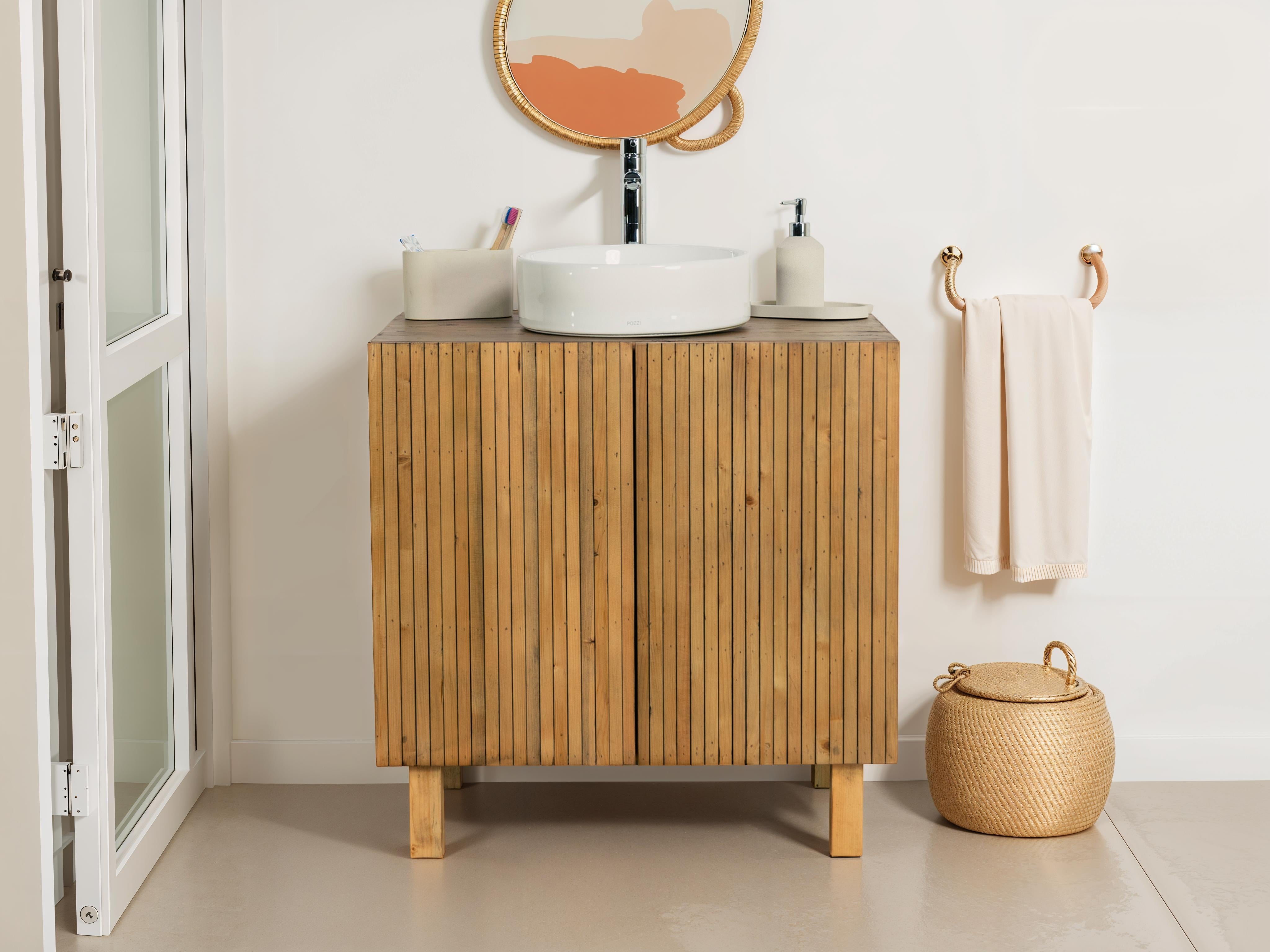
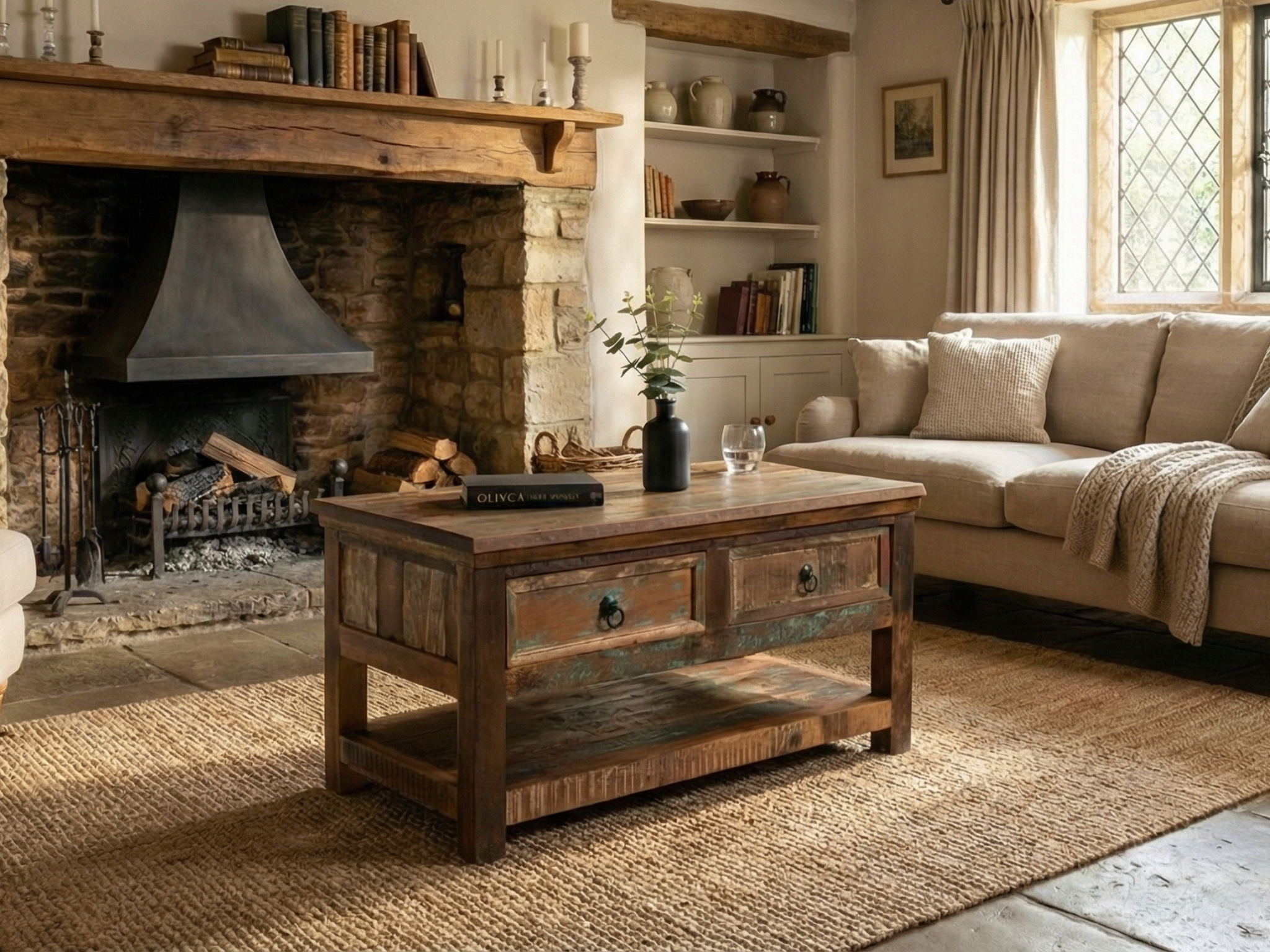
Reclaimed wood furniture is a practical example of extending the useful life of materials that already exist. Wood recovered from old floorboards, pallets and railway sleepers can be given a new purpose rather than going to waste, often bringing a depth of character that newly milled wood simply doesn't have.
Many reclaimed timbers, including the pine and elm used in reclaimed wood furniture, have already spent decades in service before being repurposed - which means they've already spent decades proving they can stand up to everyday use. It's one example of how buying decisions can favour materials that have already proven themselves, rather than relying on something untested. For a fuller comparison, how reclaimed wood compares to new wood covers it in detail.

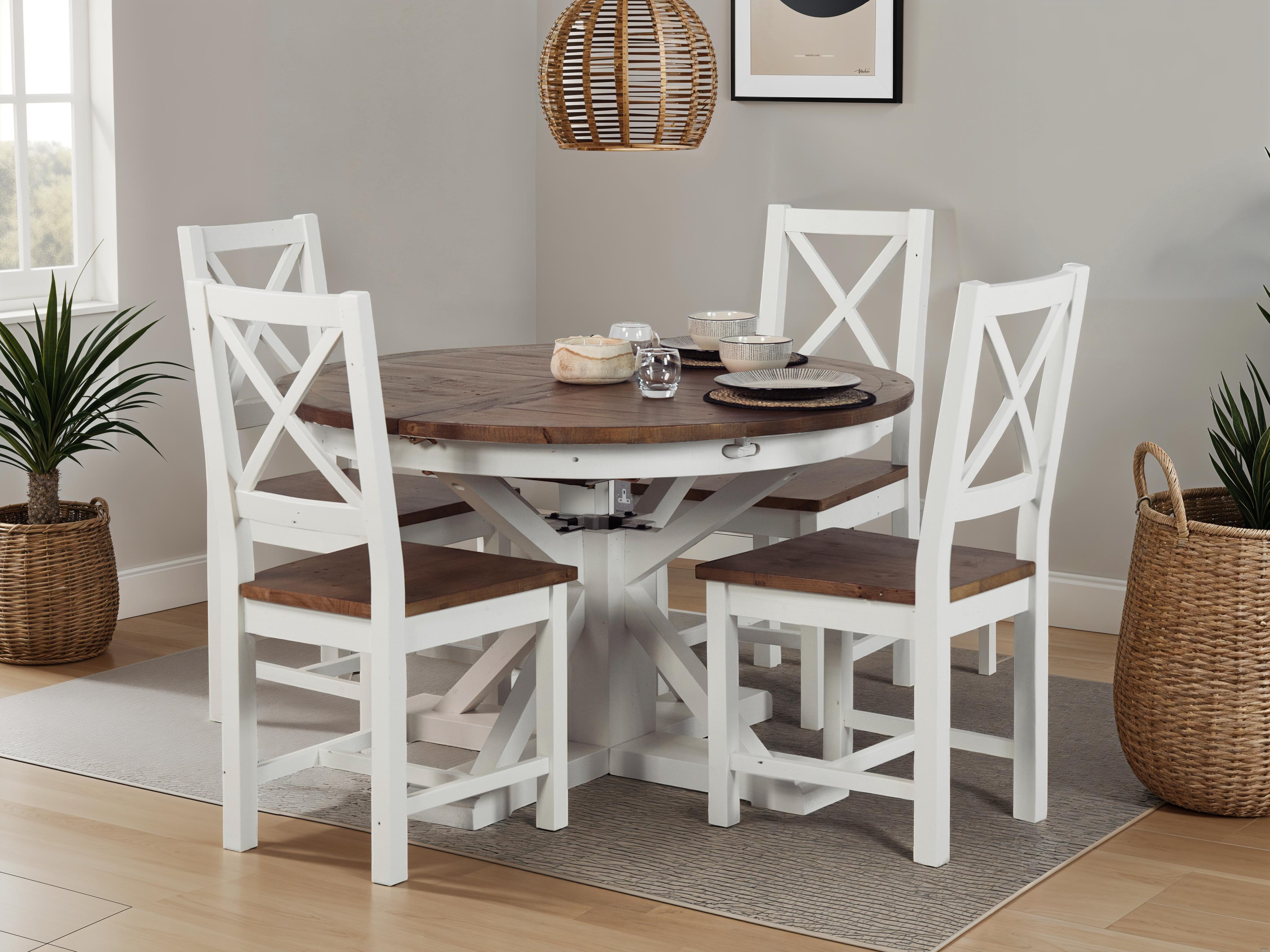
Brooklyn Light Round Extendable Dining Table
Sustainable Home Choice #6: Prioritise Multi-Functional Pieces
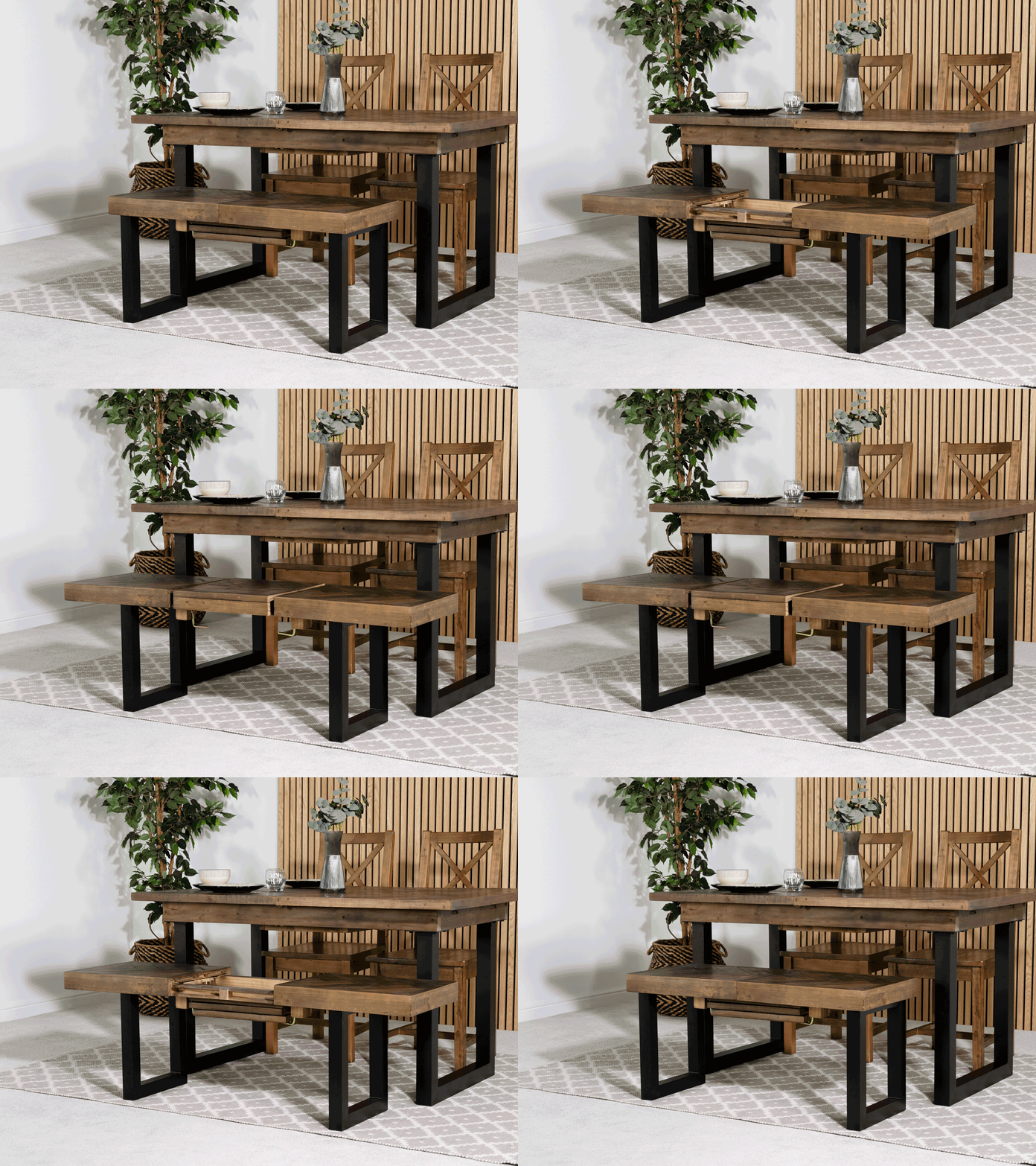
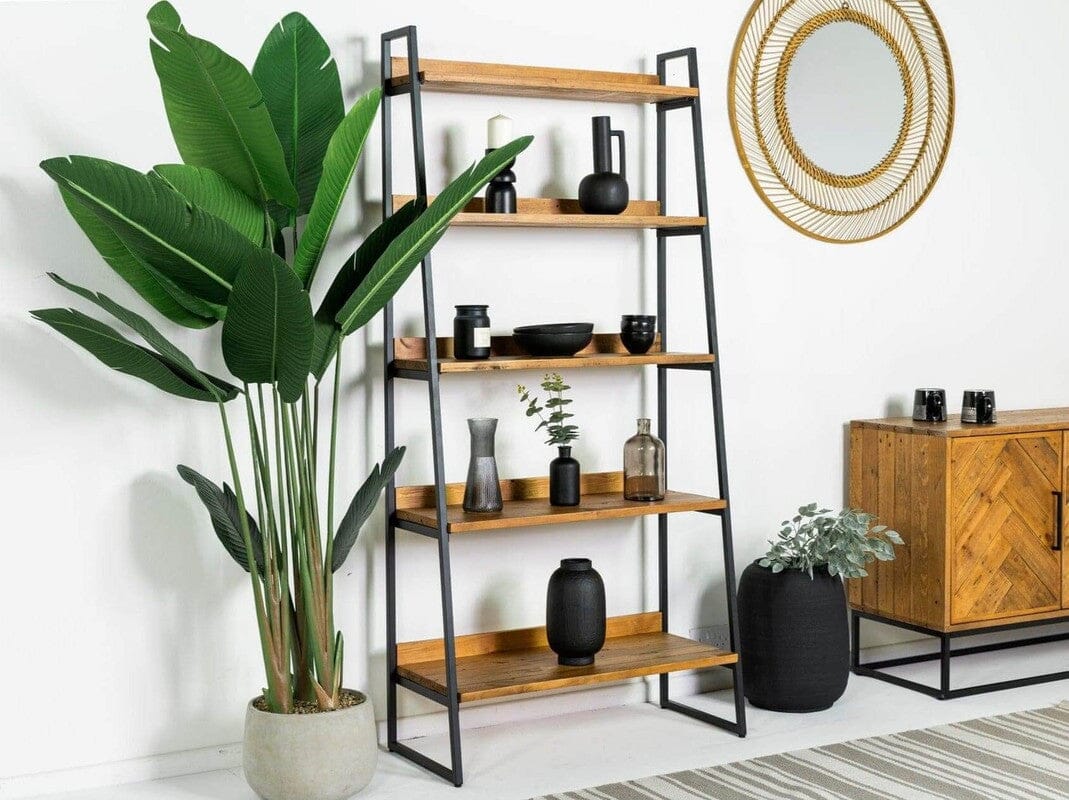
Furniture that serves more than one purpose can reduce how much you need to buy overall. A storage bench, an extendable dining table that adjusts to the occasion, or a sideboard that doubles as display and storage all do more with less. It's a small shift in thinking - buying fewer, more capable pieces of sustainable furniture rather than a separate item for every need.
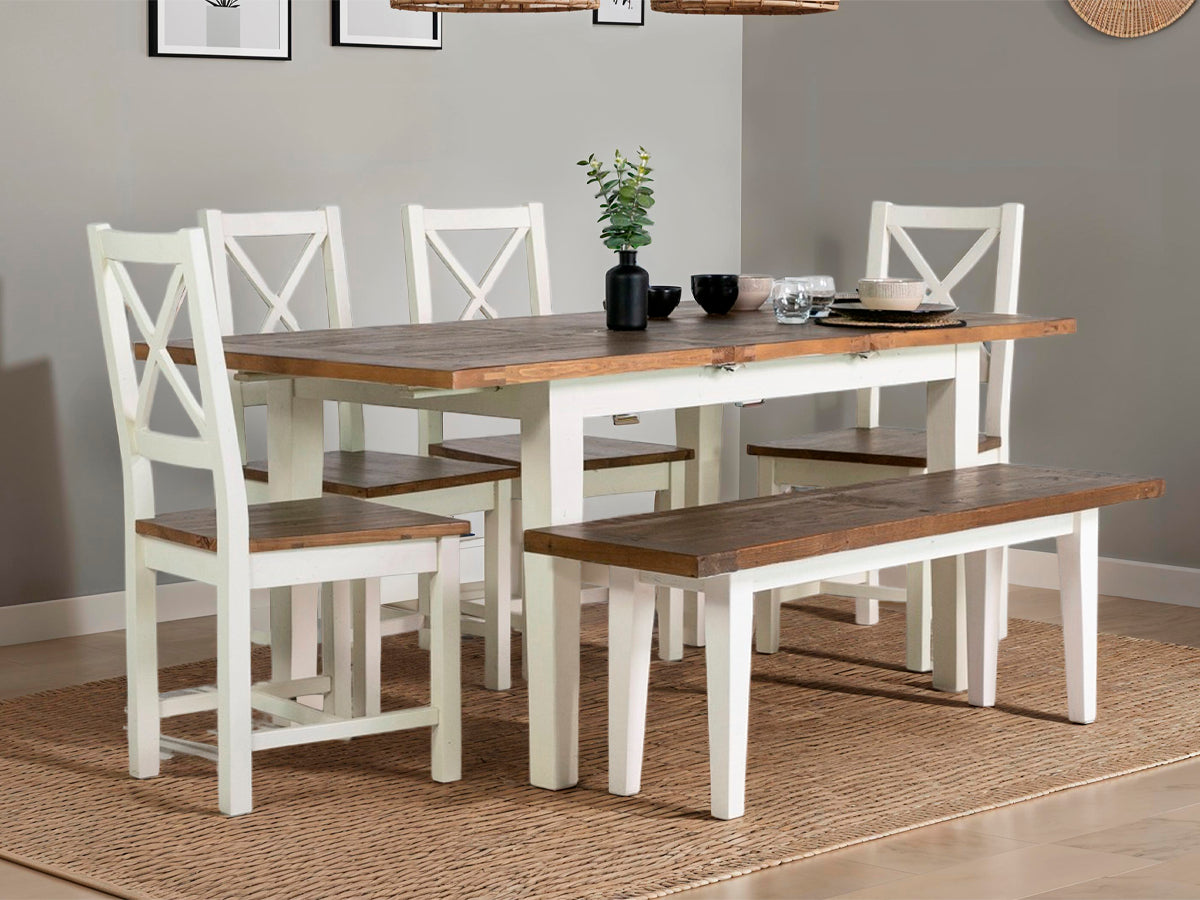
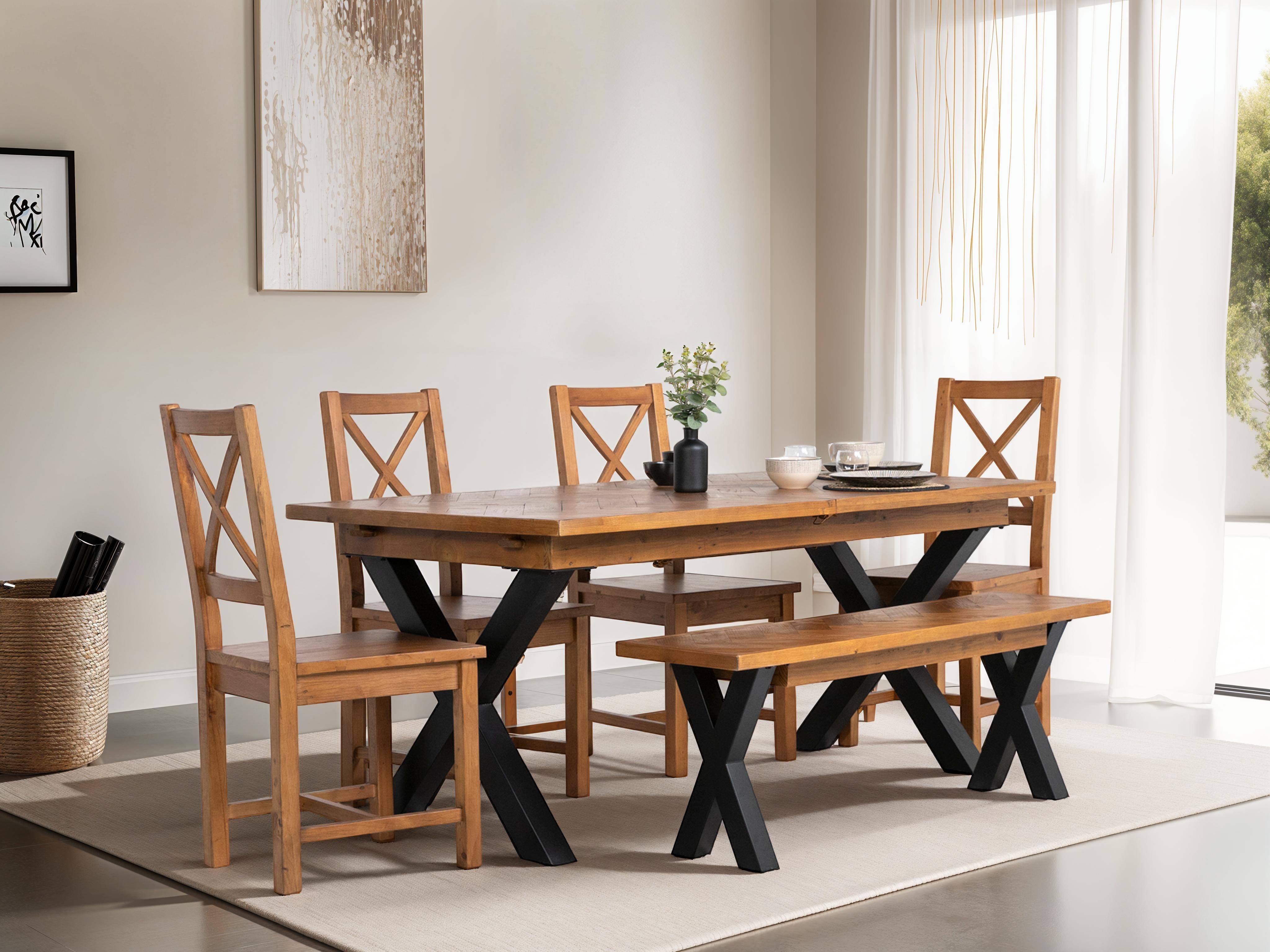
An extendable dining table is a particularly good example of this in practice. Rather than keeping a large table sized for occasional gatherings, taking up space day to day, or buying extra chairs and a bigger table just for the handful of times a year you host more people, one table adjusts to fit the occasion. It saves space when you don't need the extra length, and it means not having to buy, store or eventually get rid of a second table just for those few occasions.
Sustainable Home Choice #7: Avoid Fast-Changing Trends for Core Furniture
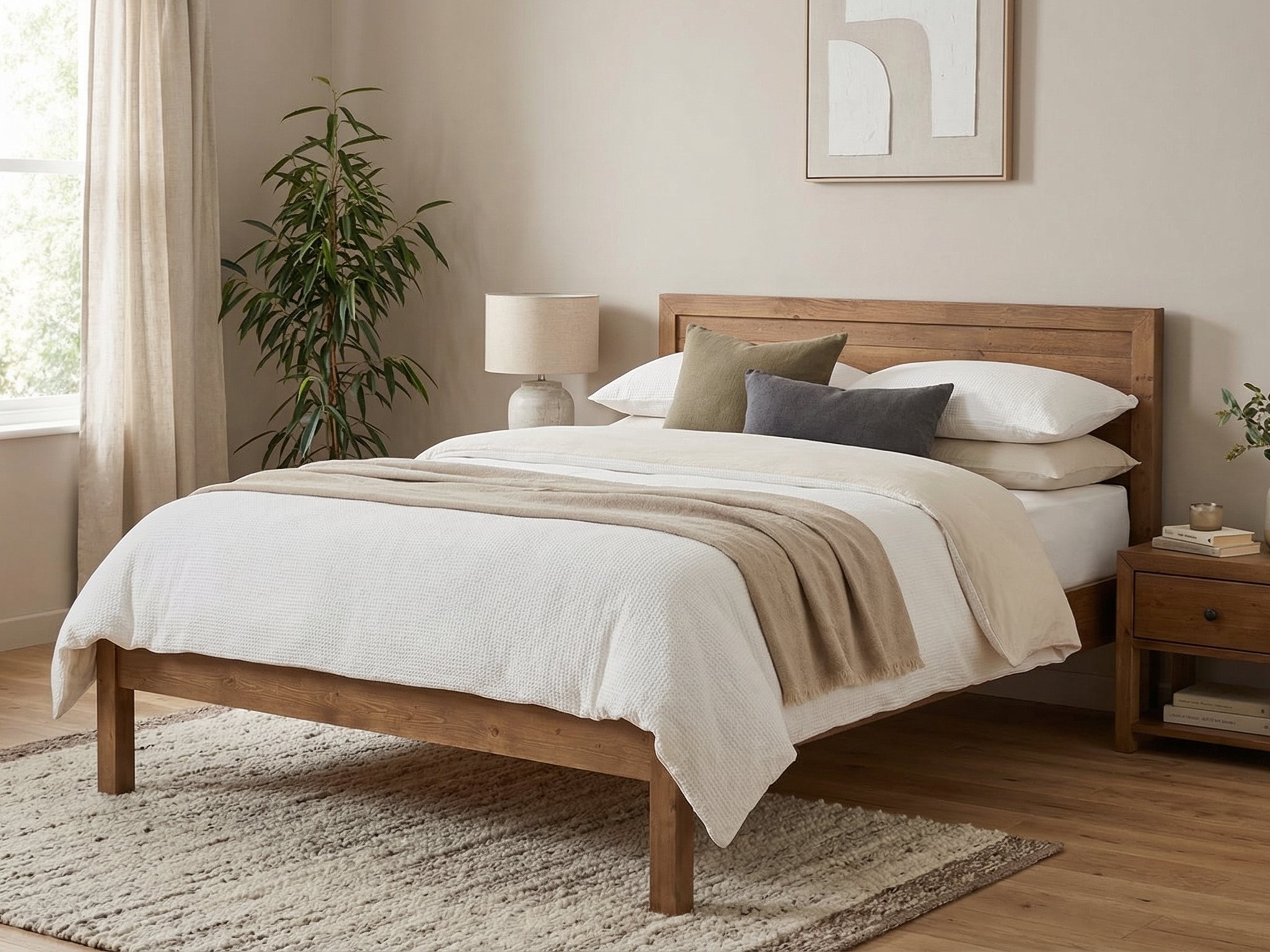
Frequent redesigns can lead to perfectly functional furniture being replaced simply because it looks dated. A steadier approach tends to work better long-term - neutral, well-made core pieces like bed frames and dining tables, with smaller, cheaper decor changes used to refresh a room in between.
Timeless pieces are often easier to live with for longer, reducing the temptation to replace them simply because tastes have changed. The furniture lasts; the styling moves around it.
A Few Questions Worth Asking Before Any Purchase
Before buying anything meant to last, a handful of simple questions tend to lead to better decisions:
- Do I actually need this, or am I solving a problem I don't have?
- Will I still want it in five years, not just this season?
- Can it be repaired if something goes wrong?
- Is it built for how I'll actually use it day to day?
None of this requires an overnight overhaul. Most homes get there gradually, one considered purchase at a time.
Frequently Asked Questions on Sustainable Home Choices
What is sustainable furniture?
Sustainable furniture is furniture made with longevity, repairability and responsible sourcing in mind, rather than being designed for a short lifespan. This can include solid materials that can be restored over time, such as reclaimed or responsibly sourced wood, as well as construction that holds up to genuine daily use rather than needing frequent replacement.
What's the single most impactful sustainable choice for a home?
Buying less overall and choosing durable, repairable items when you do buy. Longevity and genuine need tend to outweigh almost any other factor.
Is reclaimed wood furniture more sustainable than new wood furniture?
It generally carries a lower footprint, since no new trees are felled and the timber has often already proven its durability. That said, the most sustainable choice in either case is the piece that's well-made and genuinely needed.
Do sustainable home choices have to cost more?
Not always. Upfront cost can be higher, but thinking in price-per-use over a product's lifespan often changes the calculation, especially for furniture and other long-term purchases.
How can I tell if a sustainability claim is genuine?
Look for specifics rather than general language - a named source, a verifiable certification, or a brand willing to explain where materials came from, rather than a label alone.
Where should I start if I want to make more sustainable choices at home?
Start by asking whether you need something before you buy it. After that, prioritise durability and repairability for whatever you replace most often, such as furniture and seating.
Browse the Reclaim Nation collection, including coffee tables, bathroom products and chests of drawers - each one designed with longevity in mind.

Leave a comment
This site is protected by hCaptcha and the hCaptcha Privacy Policy and Terms of Service apply.