




The phrase "circular economy" can sound a little intimidating. It brings to mind economics classes, government policies and complex sustainability reports.
In reality, the idea is much simpler than it sounds.
Think about your home for a moment. A dining table that's been passed down through generations. A cabinet restored instead of replaced. Shelves made from reclaimed timber that once served another purpose. These are all examples of materials staying useful for longer rather than becoming waste.
In many ways, that's what the circular economy is all about.
Instead of following the familiar cycle of buying, using and throwing things away, a circular approach focuses on keeping products and materials in use for as long as possible. Through repairing, reusing and recycling, everyday objects can continue serving a purpose long after their first life has ended.
The idea isn't new. People have been getting more life out of furniture and materials for as long as homes have existed - it's only the name that's recent.
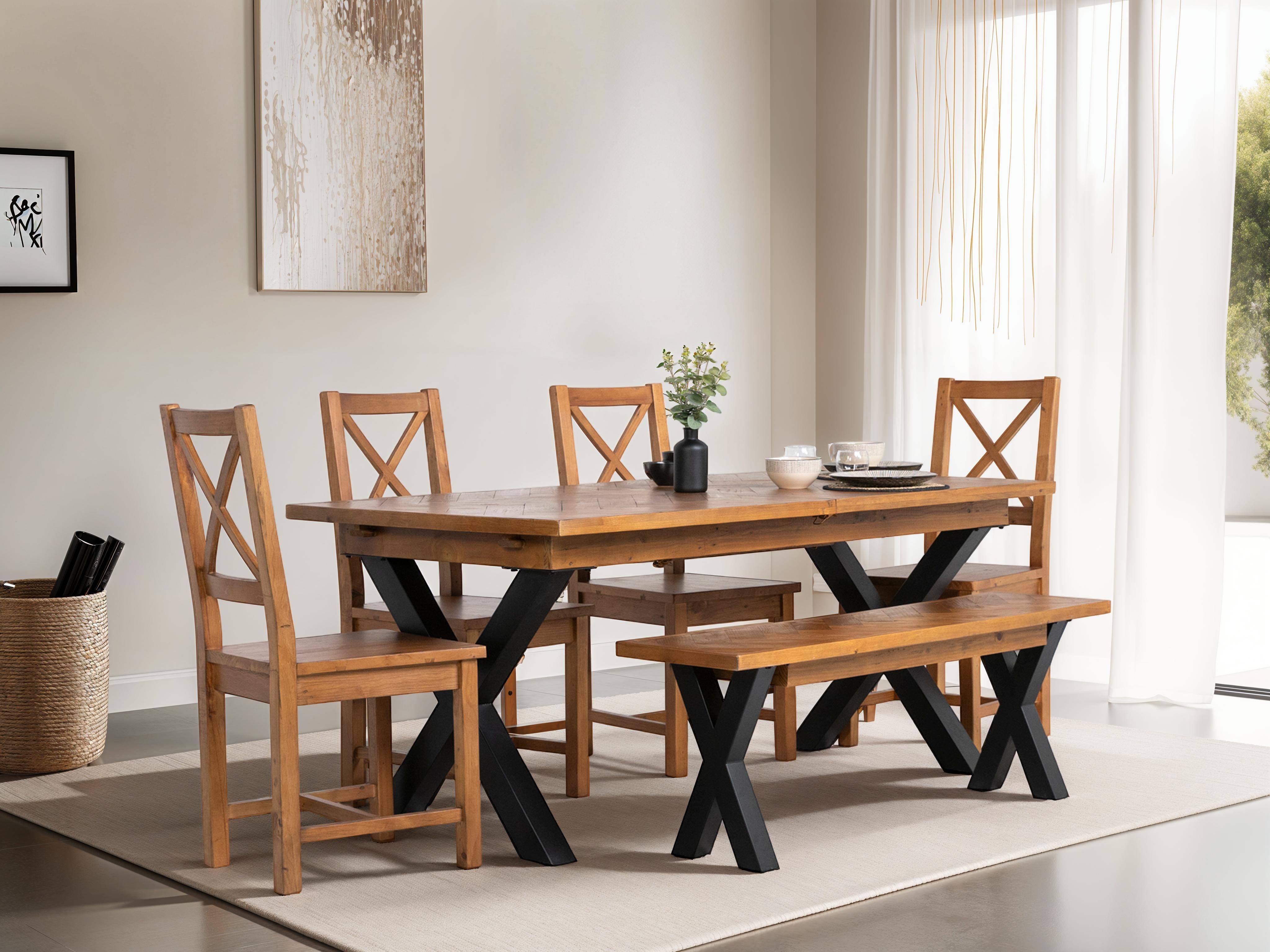
Long before the phrase existed, that same thinking already shaped how reclaimed wood furniture got made. Sourcing timber from old floorboards, pallets and railway sleepers rather than newly felled trees was simply how it was always done.

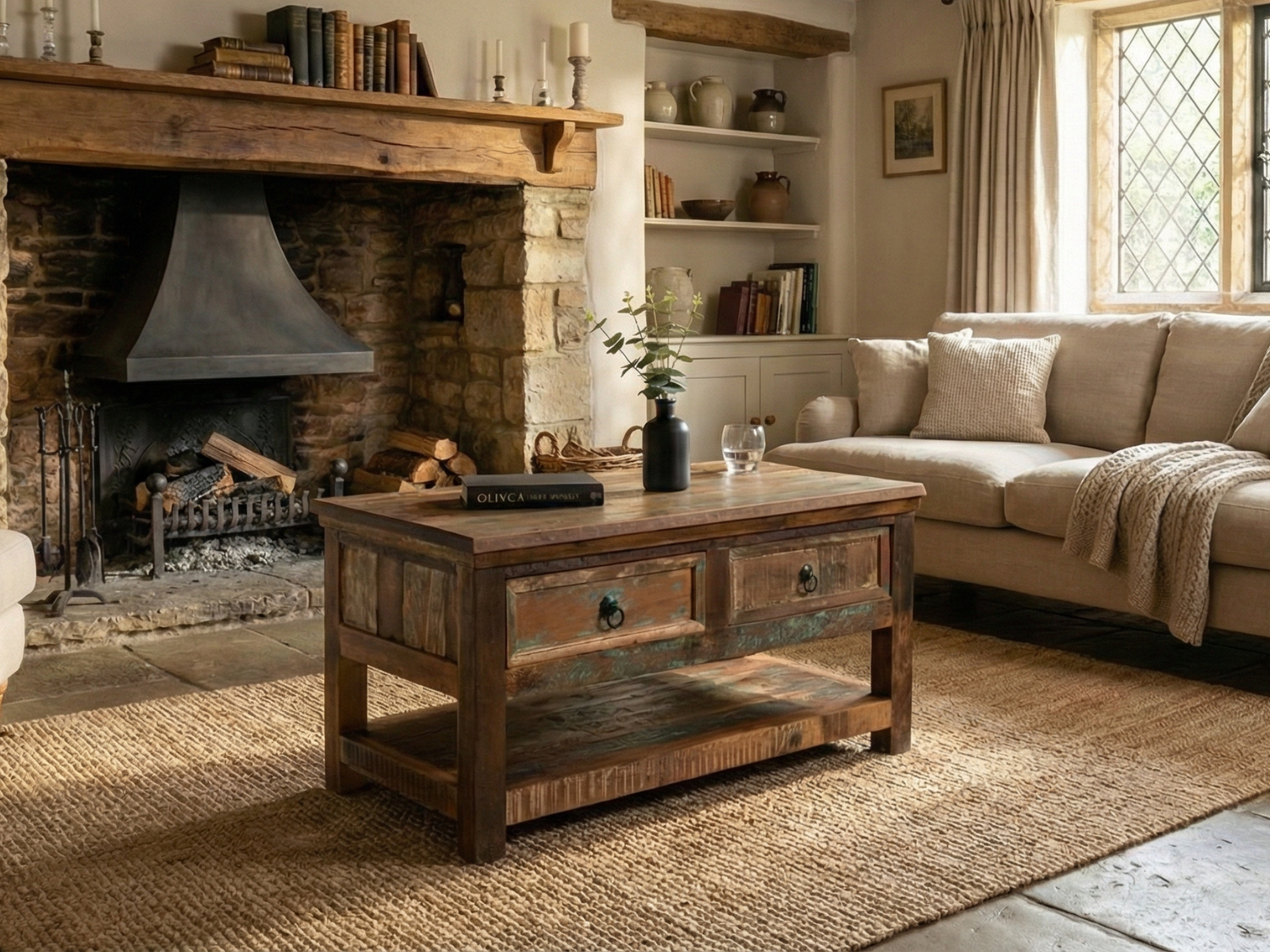
Mayflower Round Nest Iron Coffee Table
A Different Way of Thinking About Furniture
Many furniture pieces are built to last for years, sometimes decades. Yet plenty get discarded simply because trends change, a surface gets worn, or a small repair feels like more trouble than it's worth.
A circular economy takes a different approach by extending the life of materials wherever possible. That might mean restoring an old sideboard, choosing reclaimed wood for a dining table, repairing a coffee table instead of replacing it, or passing furniture on so it can keep being used elsewhere.
It's less about perfection and more about squeezing genuine value out of what already exists, which is really where meaningful waste reduction starts.
Where This Already Shows Up in Reclaimed Nation
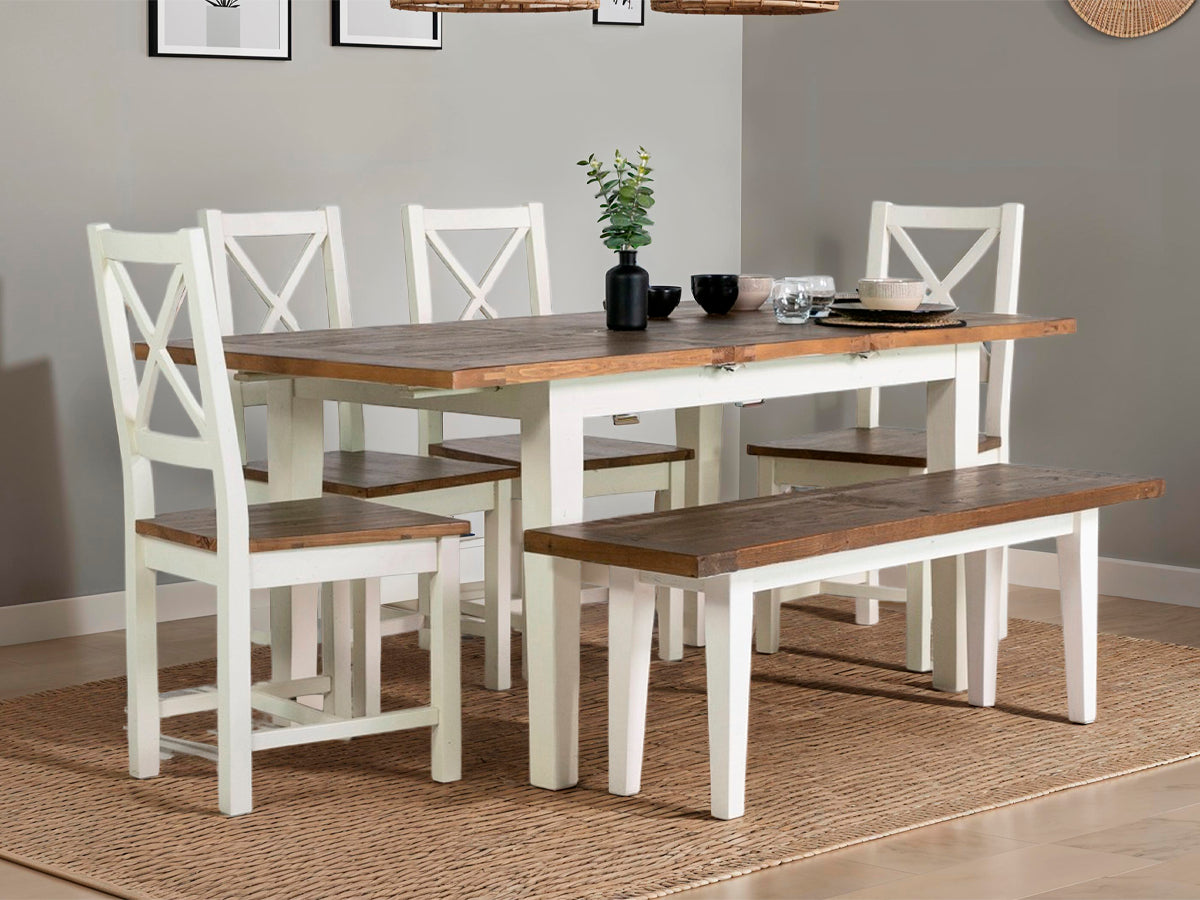
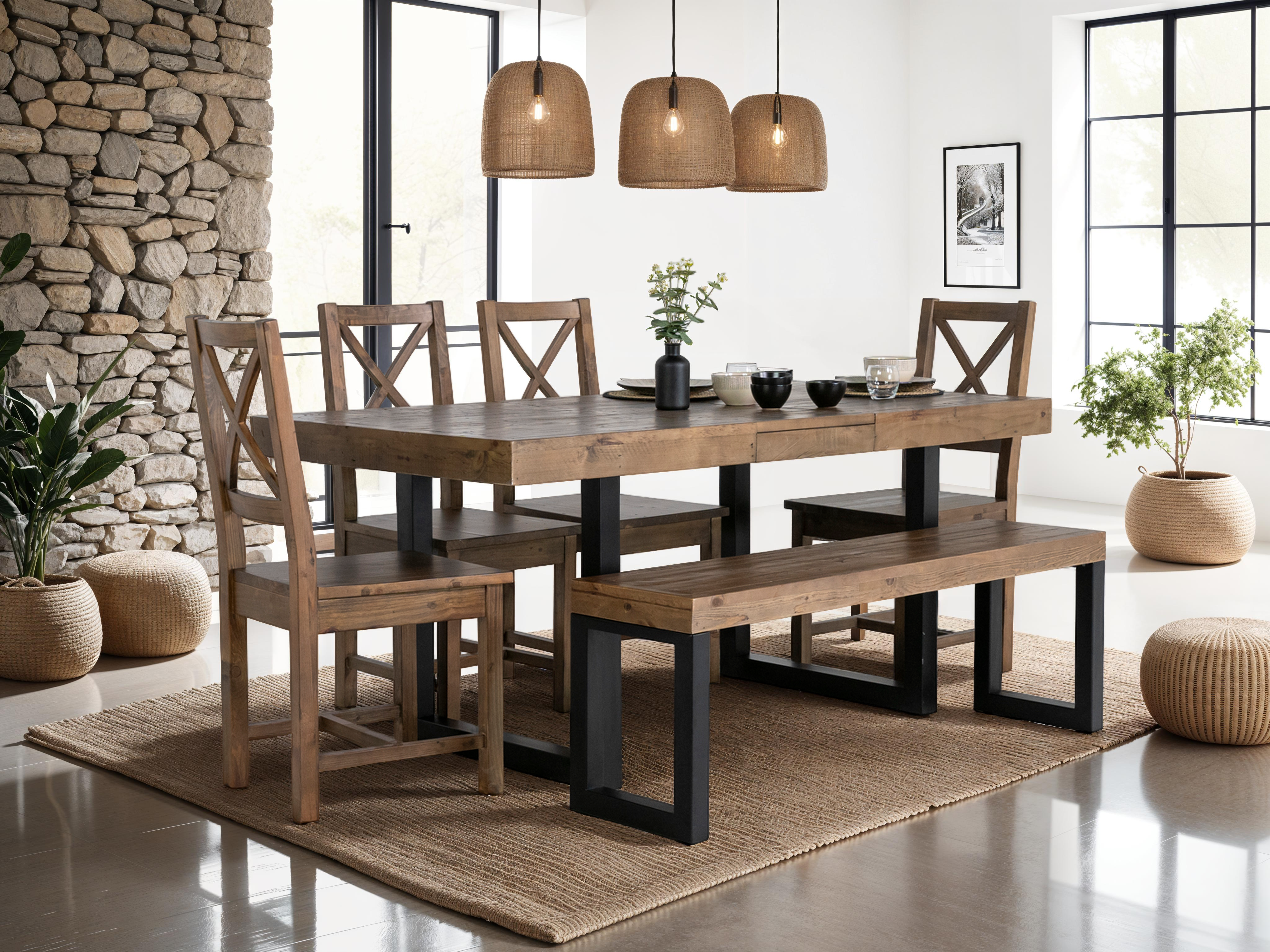
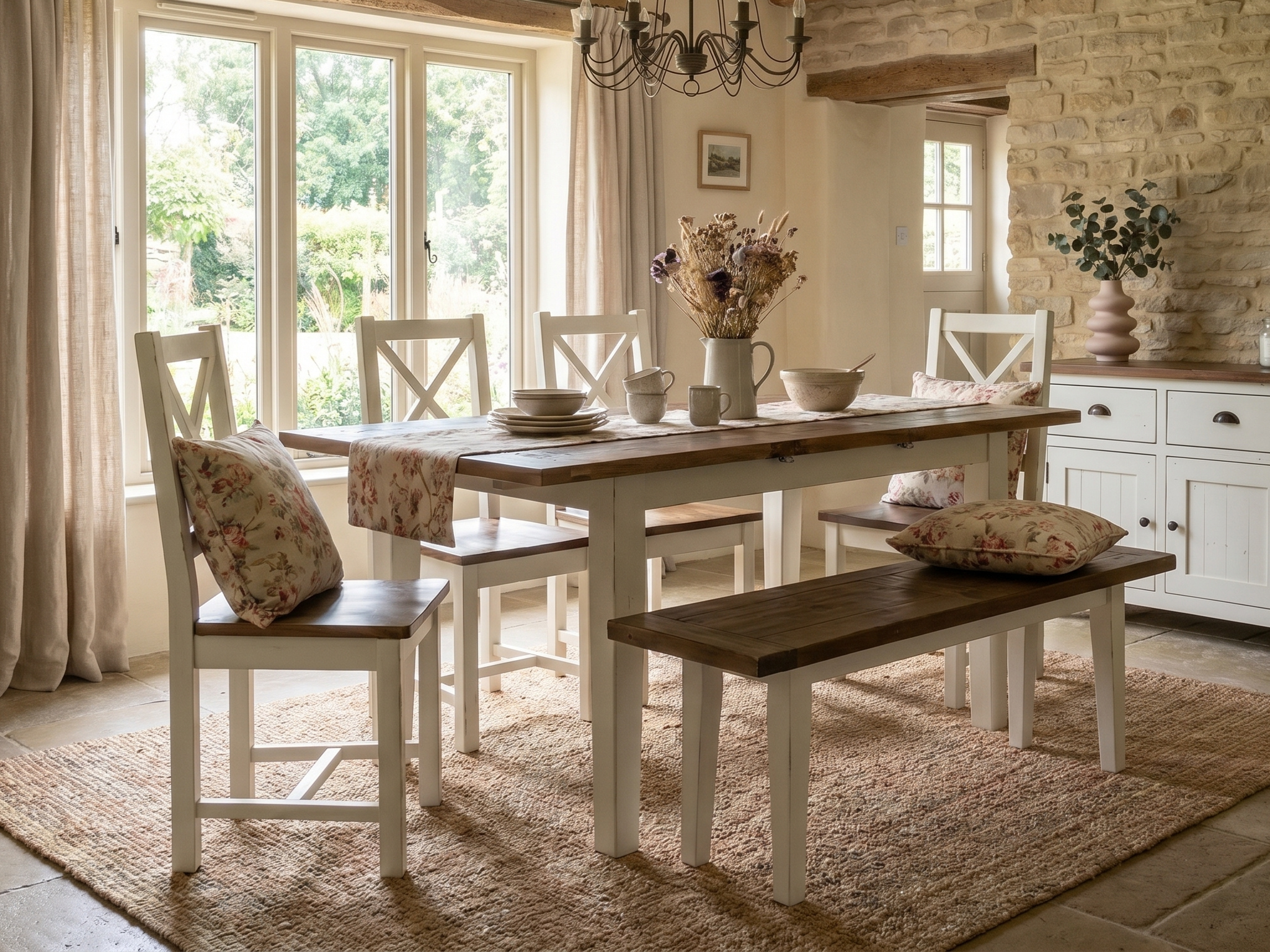
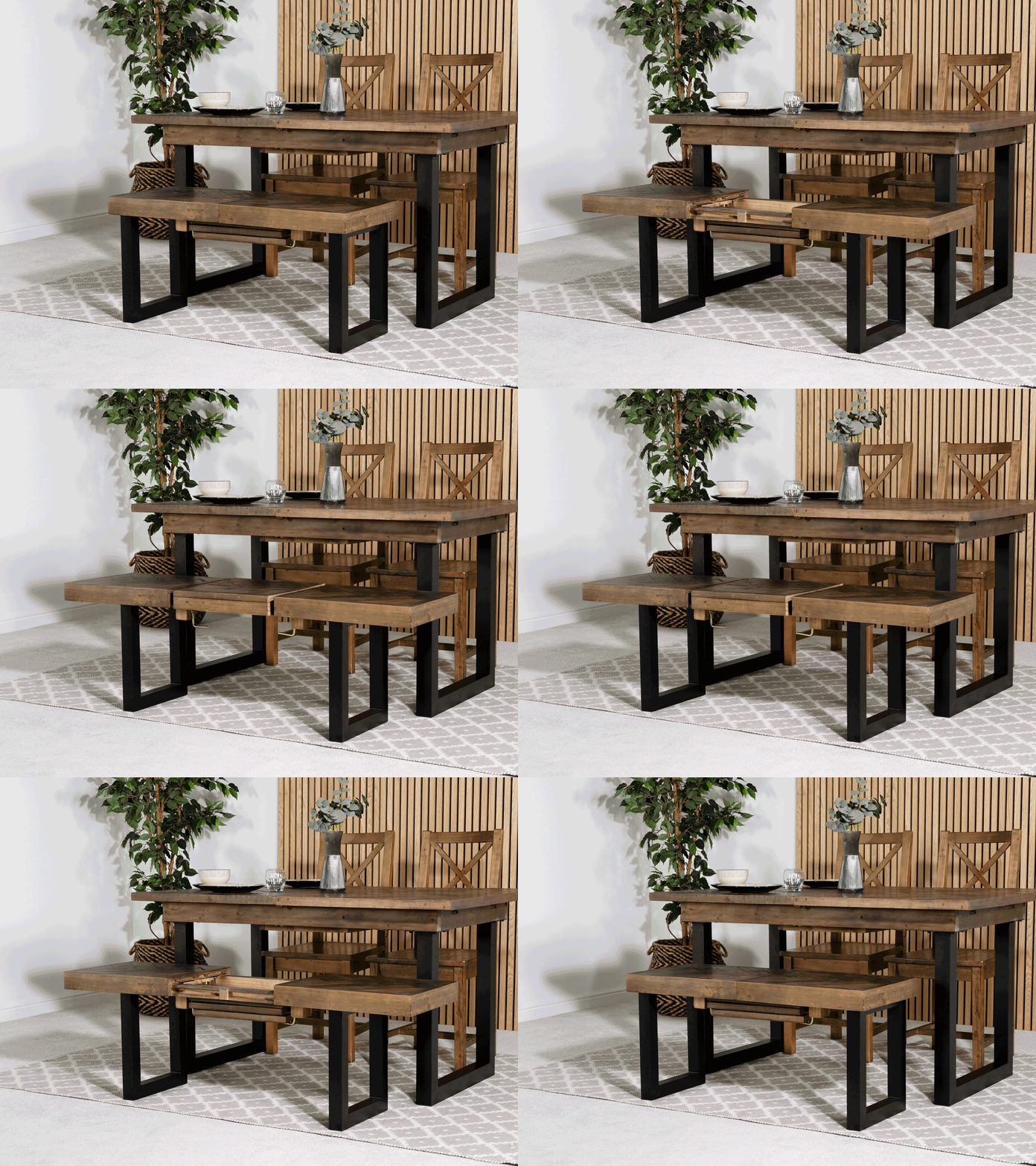
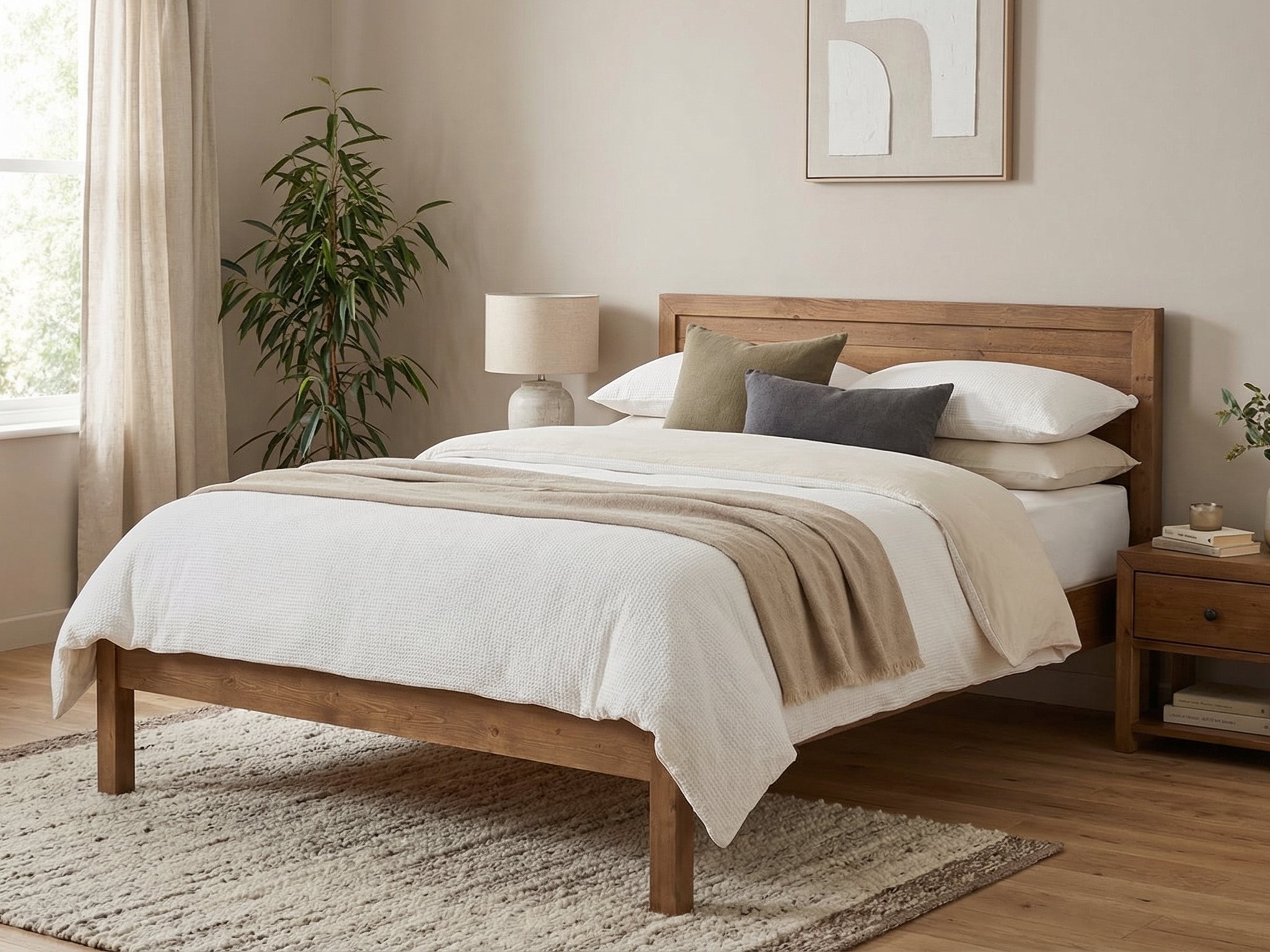
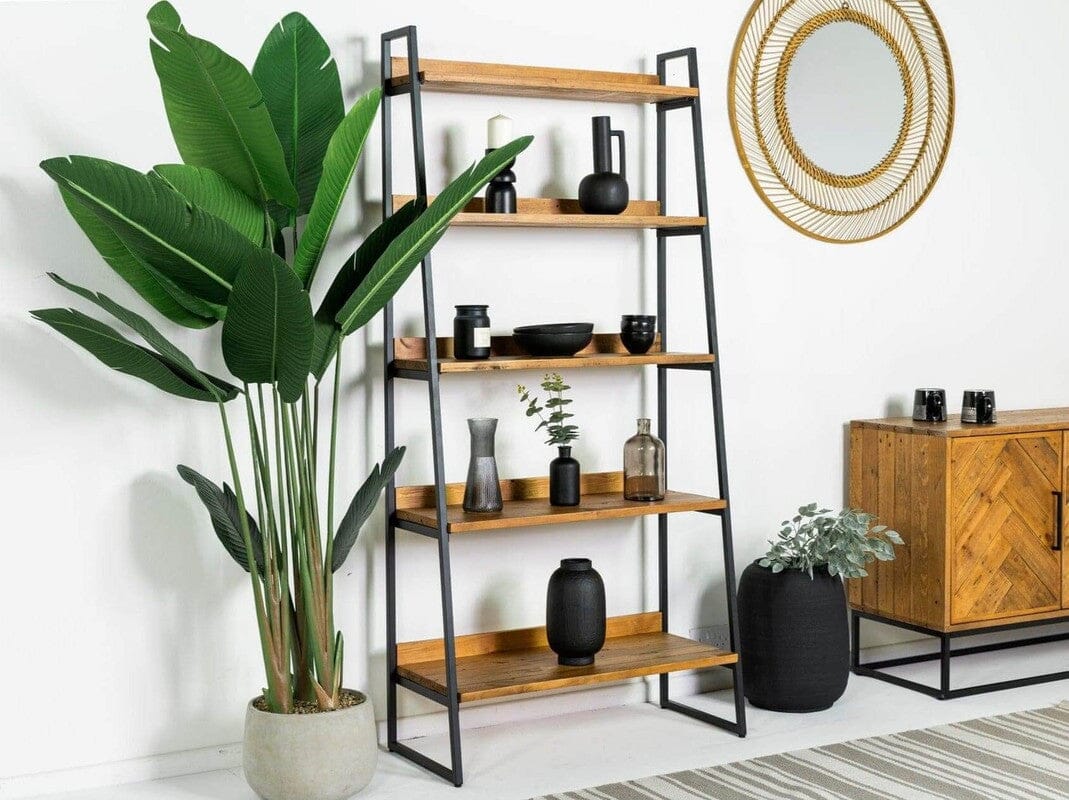
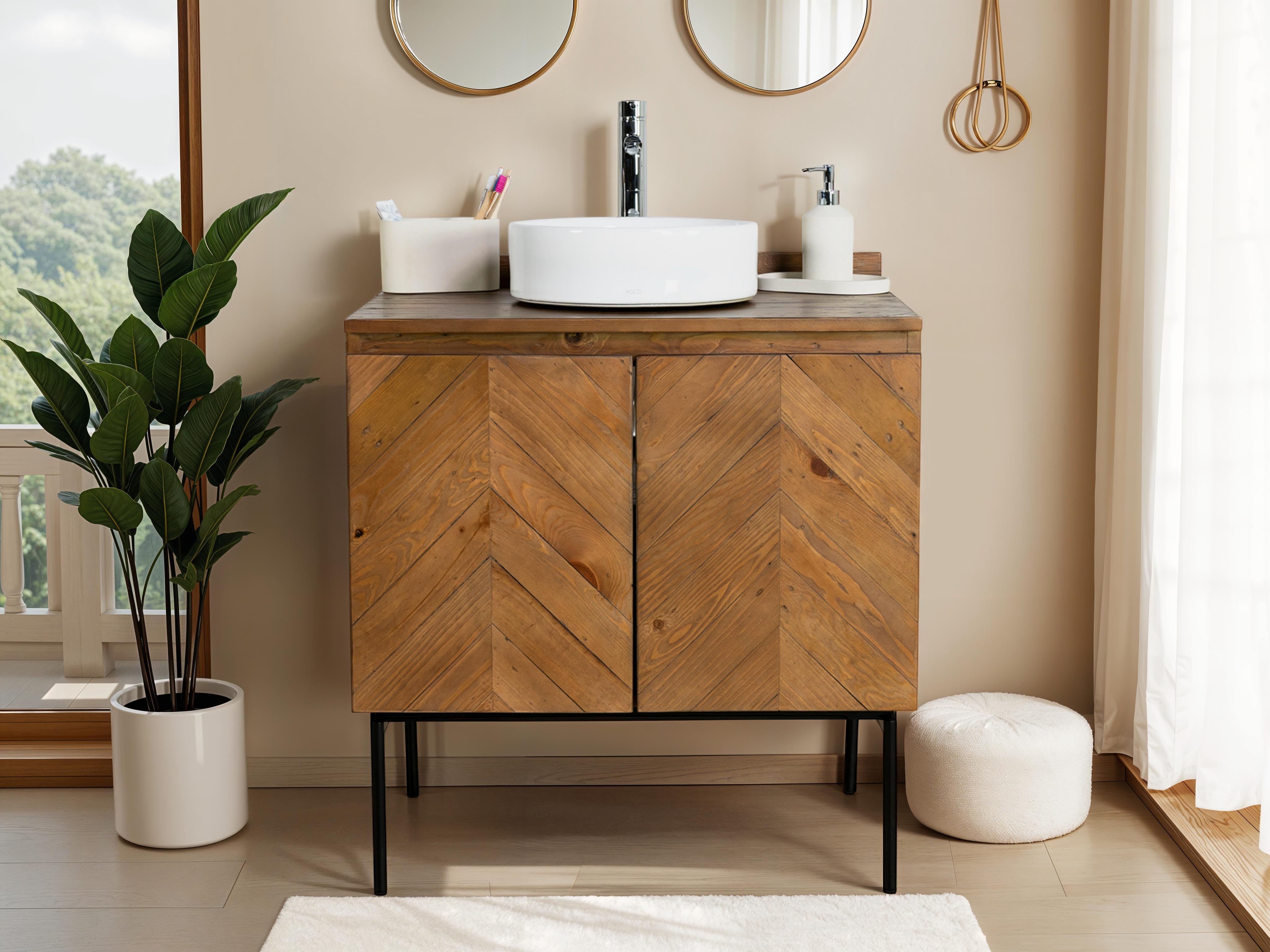
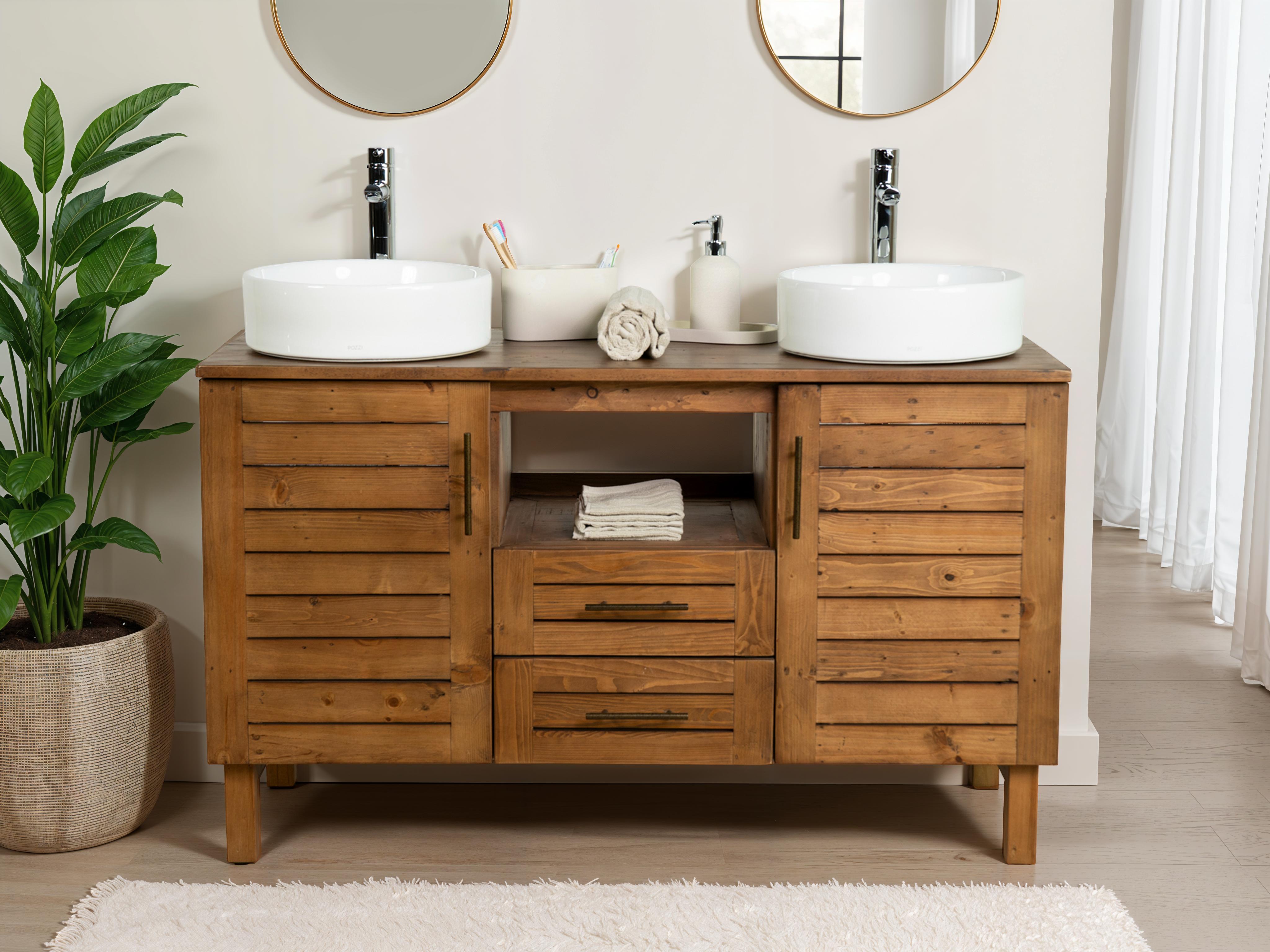
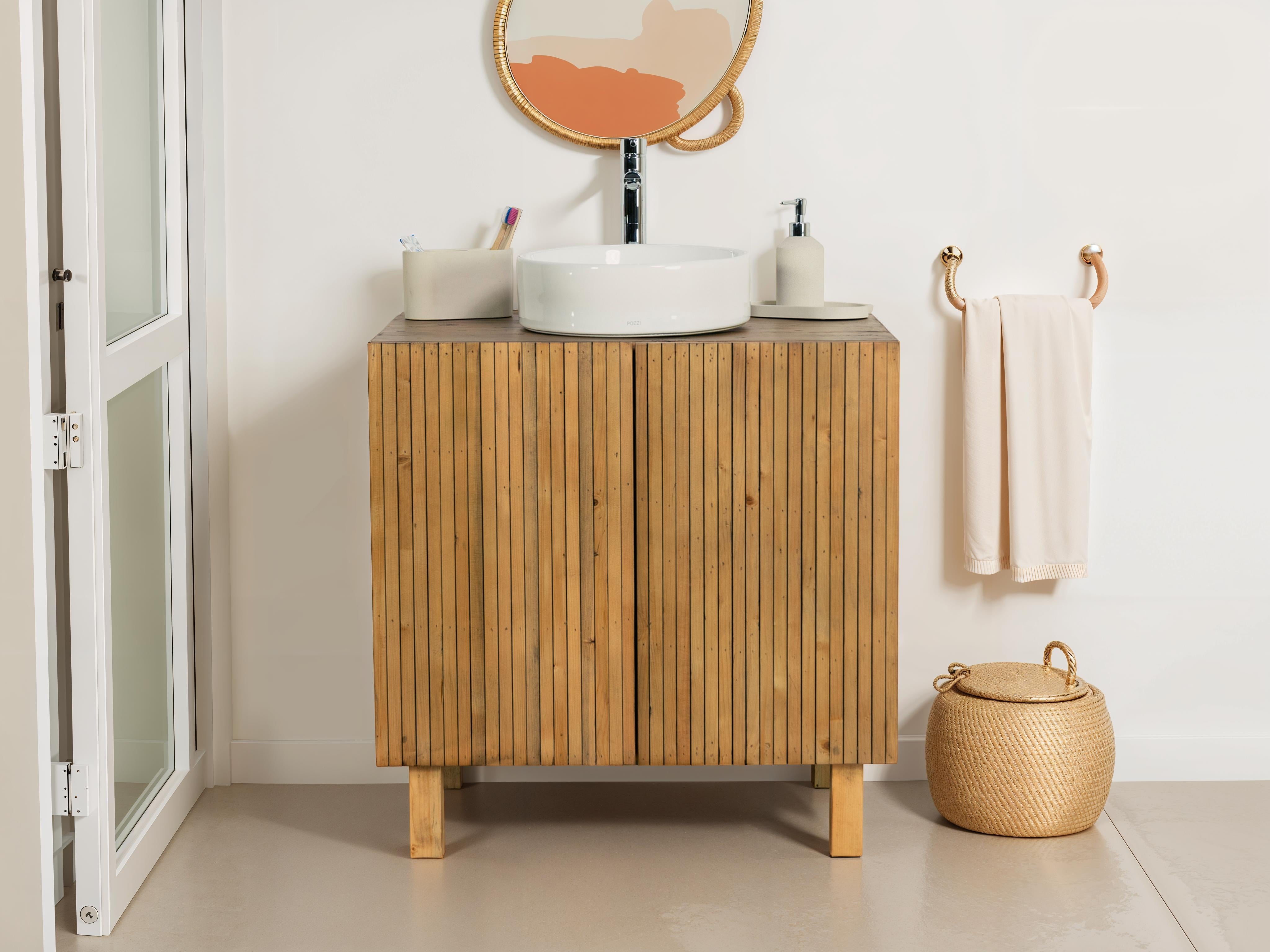
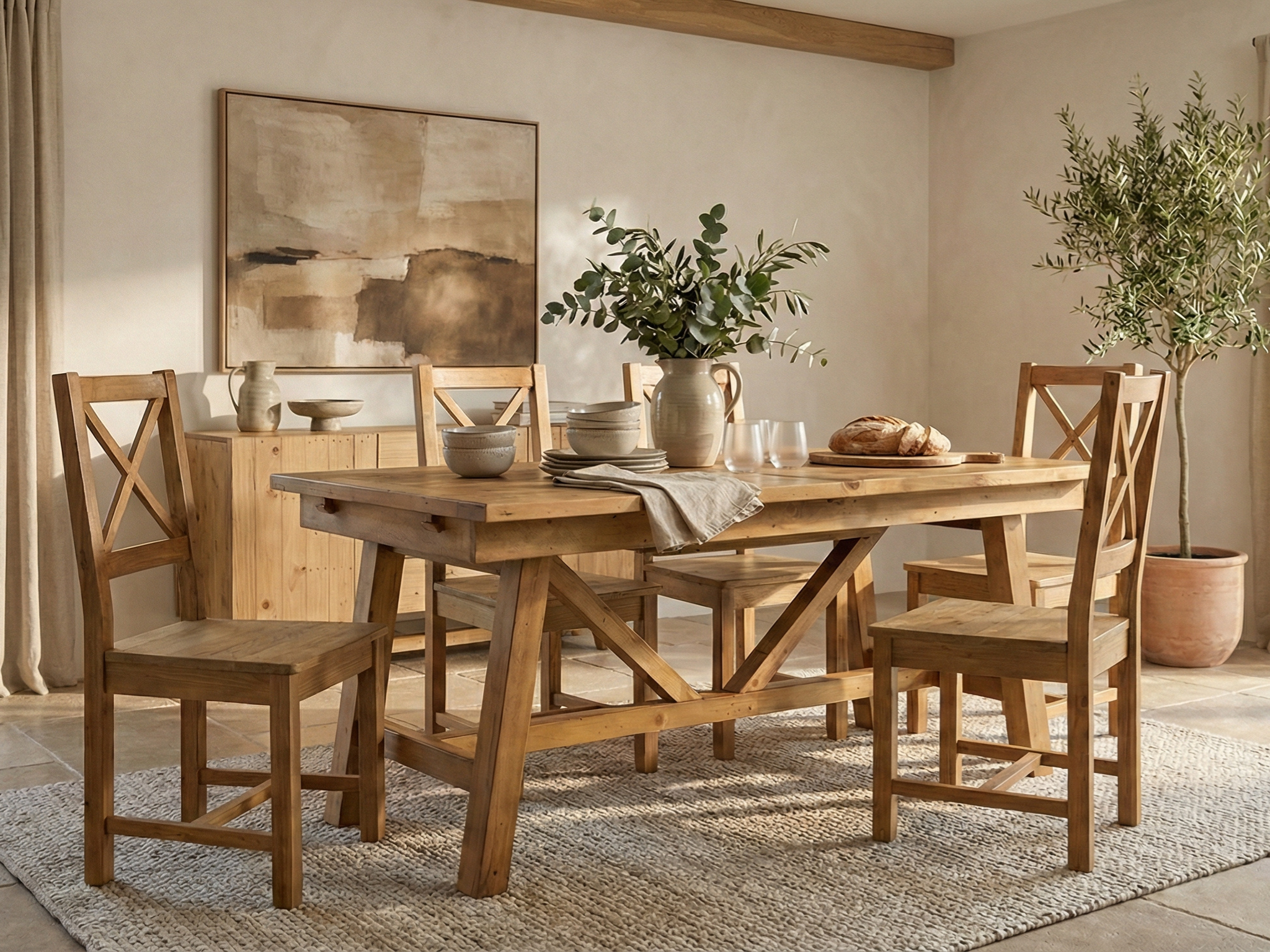
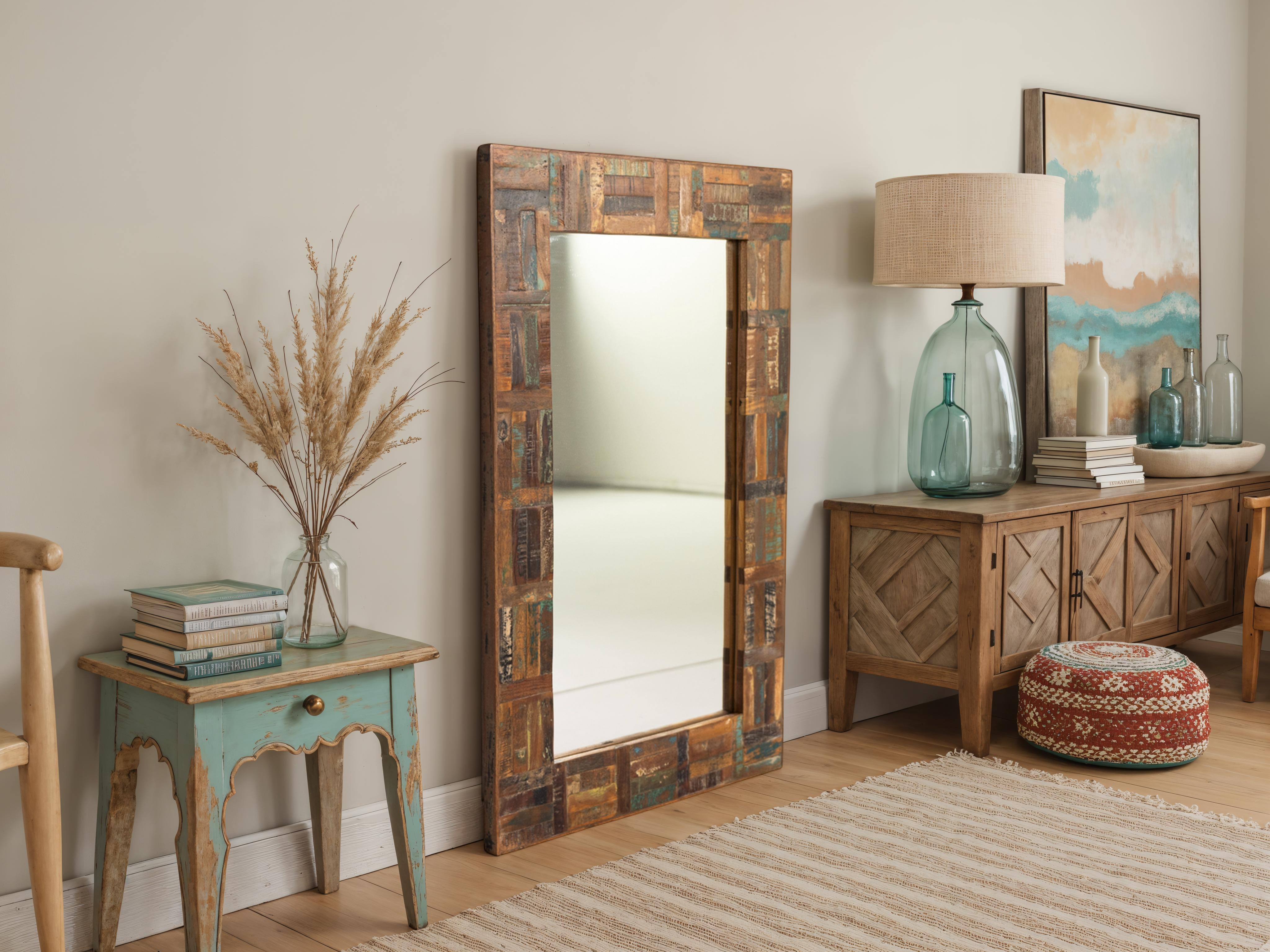
Few materials demonstrate this as clearly as reclaimed timber. Rather than extracting new resources, reclaimed wood is recovered and given a second life - floorboards, pallets and railway sleepers becoming dining tables, shelving, bed frames or storage pieces for modern homes.
If you want to see exactly how that process works in practice, the journey of our reclaimed wood takes you from salvage to finished furniture.
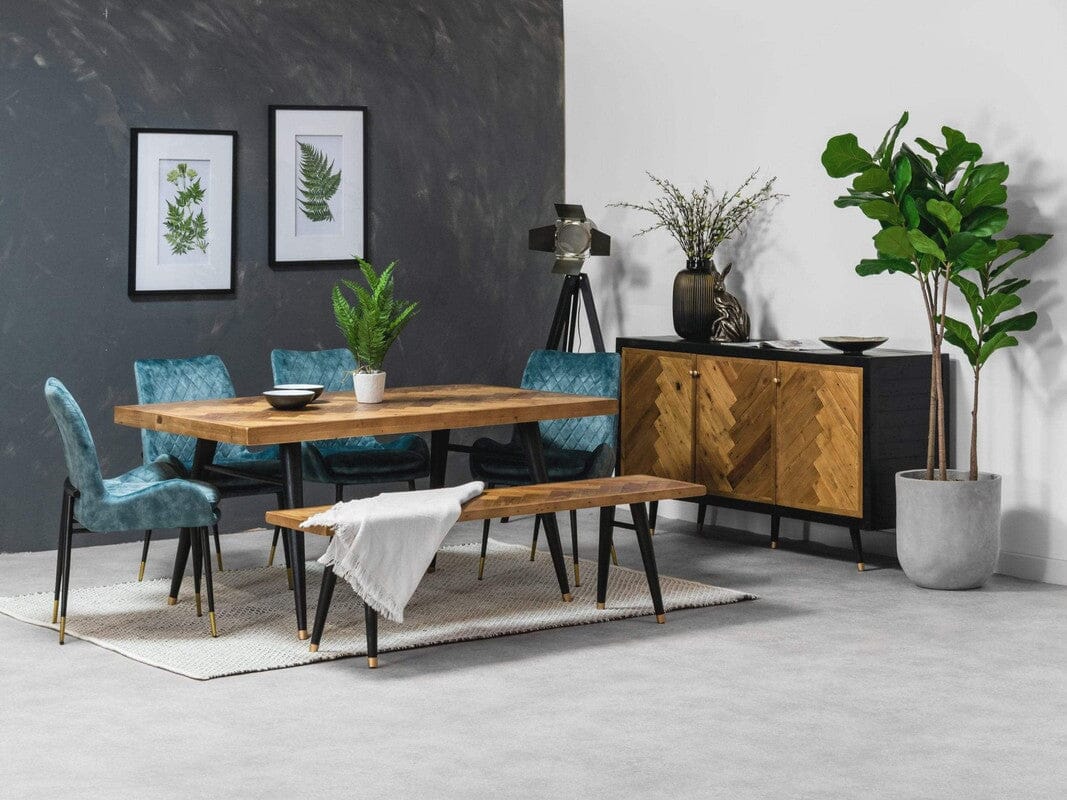
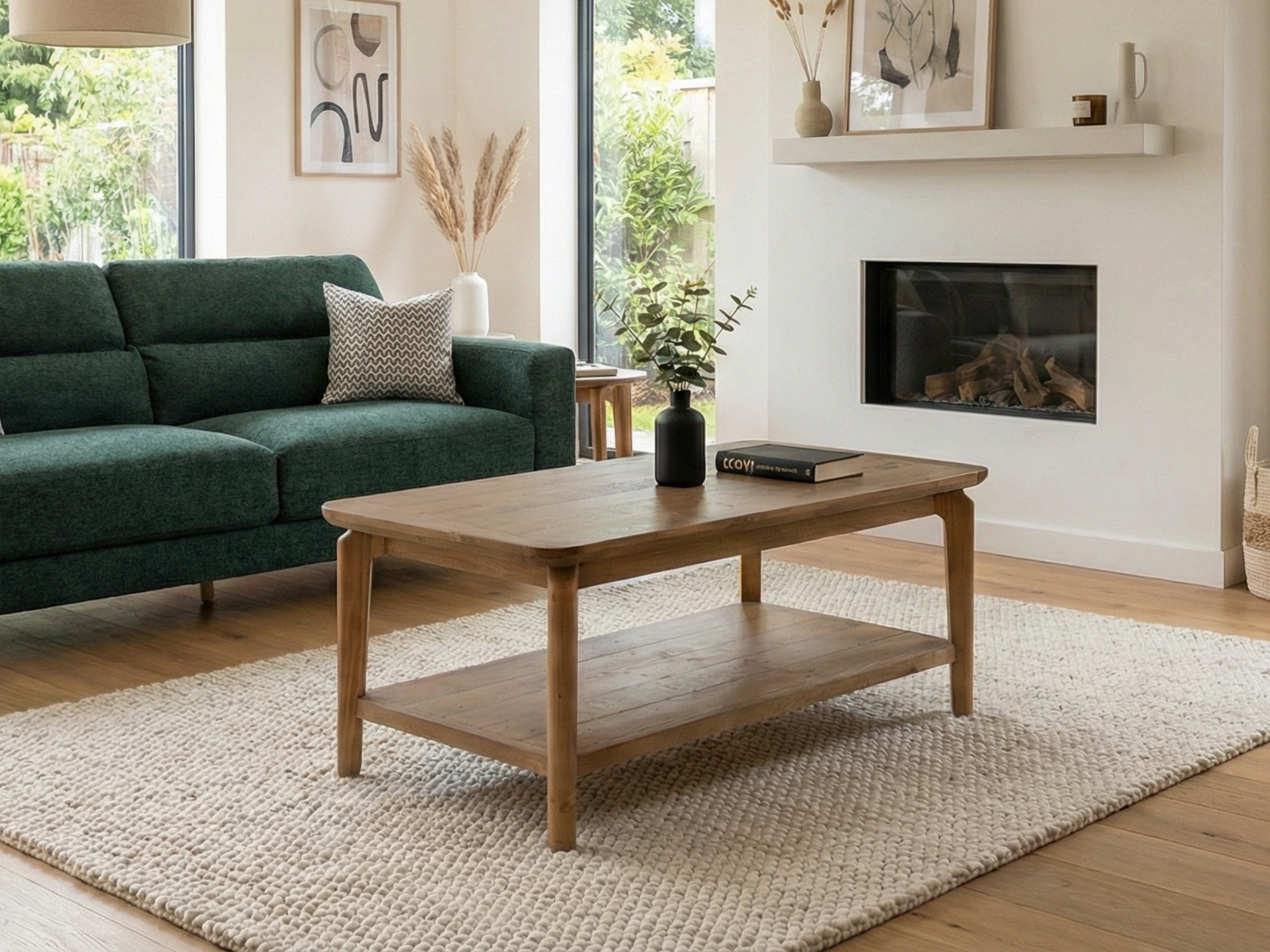
This is also where collections like Mayflower come in. Built from salvaged hardwoods that have already lived through old homes, workspaces, and, in some cases, boats that no longer sail, each piece carries the naturally distressed surfaces and weathered textures that can't be recreated from new timber. No two pieces ever turn out quite the same. In a way, that's what refining circular economy thinking down to a single piece of furniture actually looks like - not a slogan, just timber given somewhere new to be useful.

Furniture Designed to Last
A circular economy isn't only about where materials come from. It's also about how the finished piece is made.
Furniture that's durable and repairable naturally stays in use for longer. A well-built dining table might remain in a family for generations. A solid bed frame can outlast more than one house move, or even more than one household. An old sideboard, if it's made well to begin with, is usually worth restoring rather than replacing.
Furniture built for a season rarely gets that chance.
Small Choices That Add Up
Supporting a circular economy at home rarely means a big lifestyle change. Often it's the small, ordinary decisions that add up to a more sustainable economy:
- Repairing a piece before replacing it
- Choosing furniture built to last over something disposable
- Buying reclaimed furniture or recycled materials where they're a good fit
- Passing furniture on rather than binning it once it's done its job in your home
- Recycling responsibly once reuse genuinely isn't possible
None of these are dramatic on their own, but they're some of the easiest eco-friendly practices a household can pick up without really noticing the effort - and together, they're part of what a green economy quietly runs on.

Looking Beyond Recycling
Recycling is a genuinely useful tool, and it has its place. But it's only one part of a much bigger picture.
A circular economy asks a different question before something gets thrown out: is there still some use left in this? Often, the answer is yes - and reuse means that use gets a chance to continue without the extra energy and processing that recycling requires. It's resource efficiency in its simplest form.
Sustainability, in this sense, isn't only about creating something new and better. Sometimes it's about keeping good materials in circulation for a little longer, which is really what a sustainable economy is built on.
Perhaps that's the simplest way to understand the circular economy - not as a complicated theory, but as the idea that good materials deserve more than one life. Whether that's reclaimed timber finding its way into a new home, or a much-loved piece of furniture continuing its story somewhere else, circular living starts with valuing what already exists.
Frequently Asked Questions
What is the circular economy in simple terms?
It's an approach that keeps products and materials in use for as long as possible through reuse, repair and recycling, instead of the more familiar cycle of buying, using and throwing away.
How does reclaimed wood support a circular economy?
Reclaimed wood gives existing timber a second life instead of relying on freshly felled trees, keeping valuable material in circulation for longer and reducing unnecessary waste.
How can furniture contribute to sustainable development?
Furniture supports sustainable development when it's built to last, repaired when it needs it, and made from responsibly sourced or reclaimed materials.
What are some easy ways to support a circular economy at home?
Repairing items before replacing them, donating furniture that still has life left, choosing durable products, and opting for reclaimed or reused materials where possible are all simple places to start.
Browse our dining tables and sideboards - each one made from reclaimed timber and built to last.

Leave a comment
This site is protected by hCaptcha and the hCaptcha Privacy Policy and Terms of Service apply.