




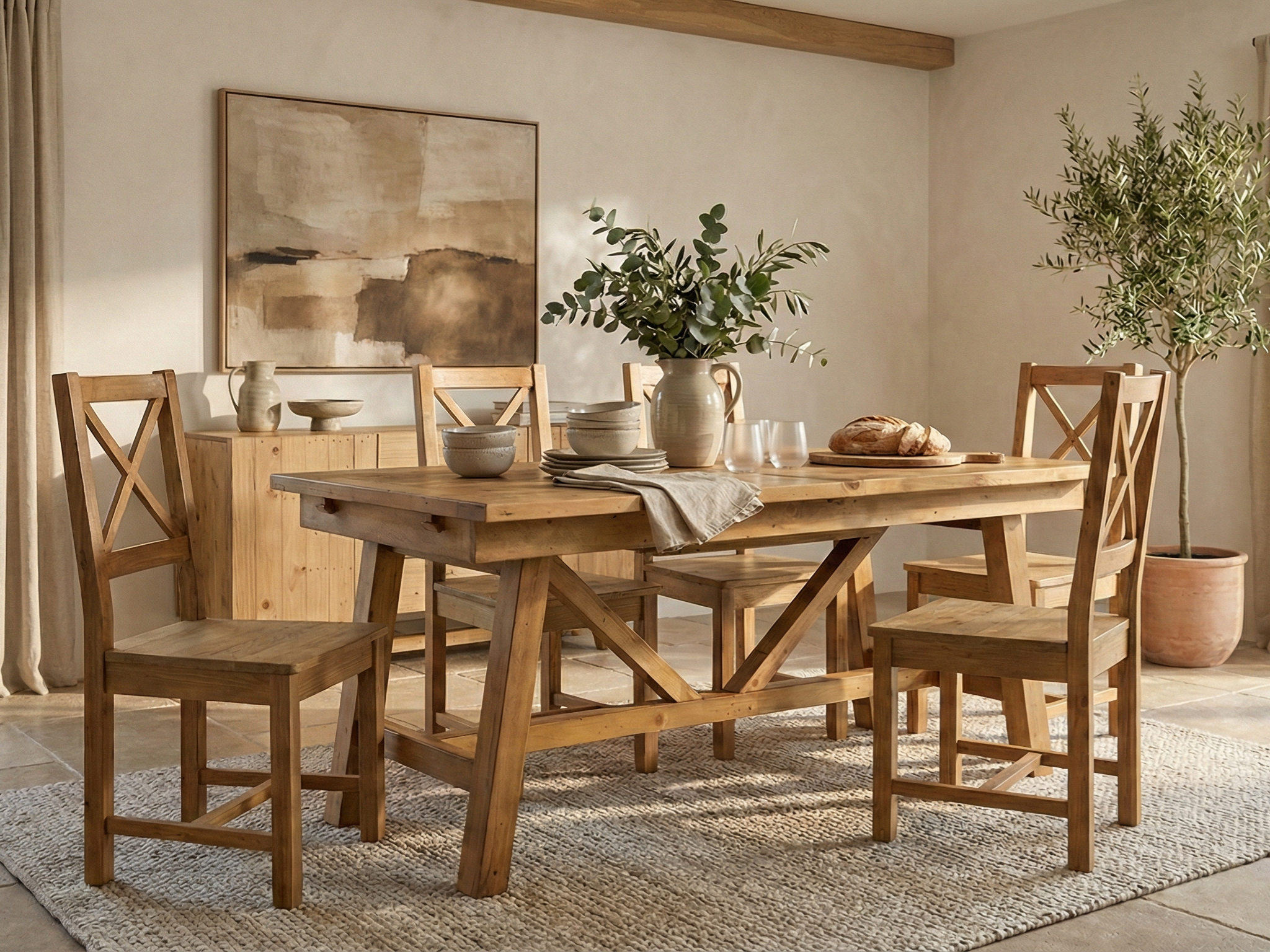

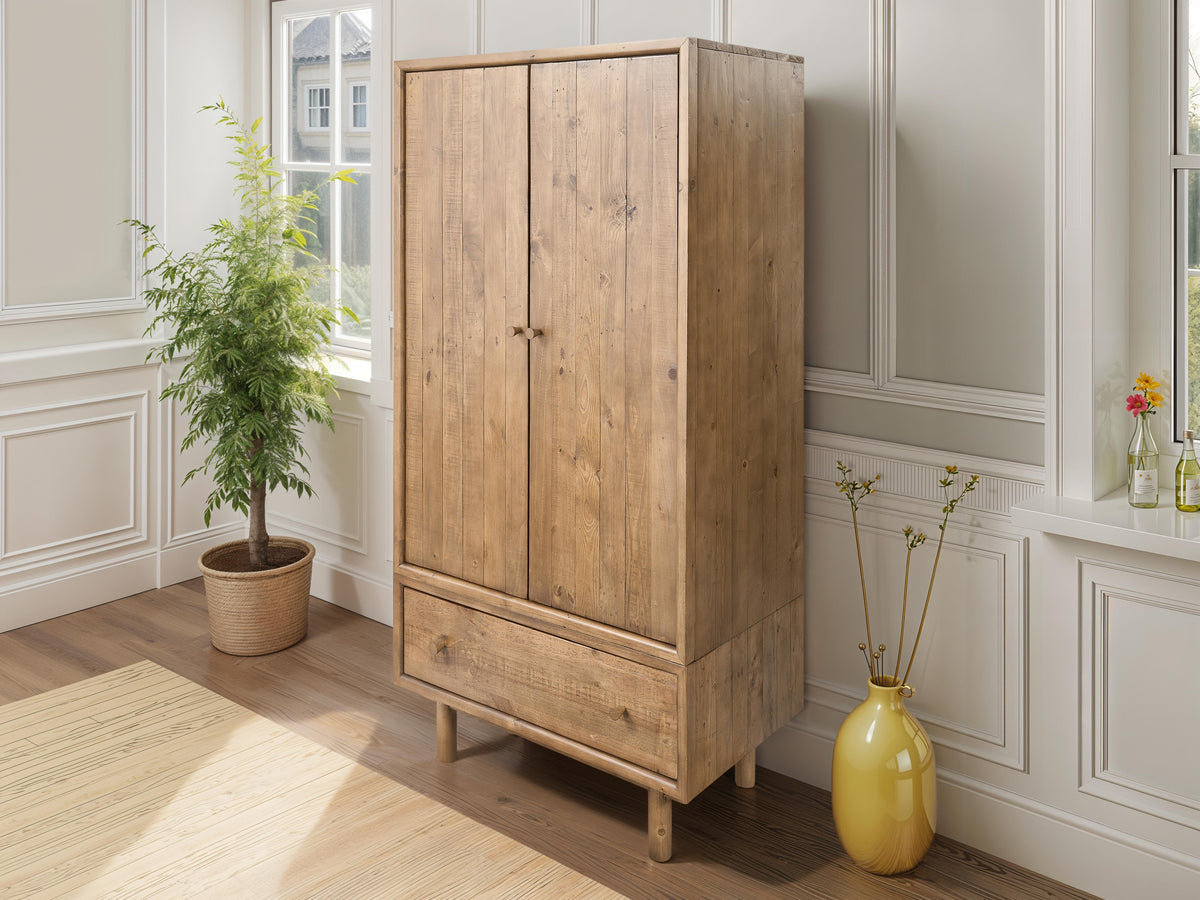
Most wardrobes aren't too small. They're just full of the wrong things in the wrong places. The jumper you wear weekly is wedged behind a jacket you haven't touched since 2019, and the shoes have quietly taken over the floor. If you want to know how to organise a wardrobe so it works every morning, not just for a weekend after a clear-out, the answer starts with editing, then layout, then storage.
These wardrobe organisation tips work for a freestanding reclaimed wood wardrobe or any other kind, and you won't need to buy a thing to begin. We'll cover sorting, arranging, awkward space, seasonal swaps and a few bedroom storage tips, and when it's worth changing the furniture itself.
How Do You Organise a Wardrobe to Make Better Use of Space?
Sort what you own, measure what you've got, and give each item a home. Keep everyday pieces within easy reach, put occasional items higher or lower, and match the storage to the clothes. Do it in that order. Buying baskets first is how people end up with a very tidy box of things they never wear.
Decide how long you've got before you start. If it's one evening, do the hanging rail only and leave the drawers for another day. Don't tip everything onto the bed unless you're happy to sleep on it.
A quick diagnosis helps you find the real problem:
- Everything is squashed together: there are too many items on the rail, so edit before adding hangers.
- Gaps at the top of every shelf: the height isn't being used, so shorter piles or a removable shelf might help.
- Small things vanish: socks, belts, and scarves need containers of their own.
- The floor is a dumping ground: give it one job, such as shoes.
- You can't reach your daily clothes: move them first, then think about extra storage.
Edit Your Clothes Before You Arrange Them
Empty the section you're working on, including the bags and empty boxes that have drifted in. Wipe the inside with a soft cloth, let it dry, and spot anything that needs attention, like a loose handle or a sticking door.
Then sort into four piles: keep, repair, pass on, and undecided. For each item, ask three things. Does it fit now? Does it suit your life as it is? Would you buy it today? Keep the wedding outfit you wear once a year. How often you wear something isn't the only test.
Give the undecided pile a time limit. Put it in one labelled box with a date in your diary, say three months away. If you haven't reached for anything by then, you have your answer.
Before the keep pile goes back, count it roughly. Lots of shirts means you need hanging space. Lots of jumpers and jeans means folded space. That count tells you how to divide the wardrobe, which beats guessing. And get the pass-on bag out of the house quickly, or you'll be making the same decisions next month.
Build a Layout Around How You Actually Get Dressed
The easiest place to reach should hold what you wear most. It sounds obvious, but plenty of wardrobes do the opposite, saving prime space for things that come out twice a year.
Sketch it first. Draw the inside of your wardrobe on a scrap of paper, mark where the rail, shelves, and any drawers sit, and decide what each area is for. If you share, agree a division so you aren't squeezing two routines into one system.
| Area | Good for | Quick check |
|---|---|---|
| Main rail | Shirts, jackets, everyday outfits | Can you take one hanger out without dragging the rest? |
| Longer hanging space | Dresses and coats | Do the hems clear whatever is below? |
| Easy-reach shelves or drawers | Underwear, socks, everyday tops | Can you see every category when you open it? |
| Top shelf | Seasonal or occasional items | Can you get a box down without a wobbly chair? |
| Floor | Shoes or heavier folded items | Is anything blocking the hanging clothes? |
Plan for your own reach, not a magazine photo. If a shelf needs a stretch, it's the wrong place for something you use daily.
Give the layout a fortnight. If clean washing keeps ending up on a chair, something about putting it away is too hard. Usually it's one drawer that's overfull or a category with no home.

What Should You Hang, Fold or Keep in Drawers?
Hang whatever creases easily or needs to keep its shape: many shirts, dresses and tailored jackets. Fold knitwear, T-shirts, jeans and loungewear, checking each care label first. Drawers are best for small things that would otherwise slide around a shelf.
Hanging Space
Group by type before you think about colour. Shirts together, trousers together, longer pieces together, then order each group however you find easiest to scan. Measure your longest garment on its hanger before you move anything, because the rail has to clear it.
If your wardrobe has room for it, a second rail lets shorter garments sit in two levels. Otherwise, keep one rail and use the space underneath for shelves or boxes. Check how your own wardrobe is built before changing anything, and don't force a fitting that isn't designed to move.
Folded Clothes
Try standing T-shirts upright in a drawer instead of stacking them. You'll see everything at once and won't need to dig. A spare box makes a decent test divider before you buy anything.
On shelves, shorter piles beat one tall stack. Keep bulky jumpers apart from lighter tops so reaching for one doesn't bring the lot down. Can you take something out and put it back without rebuilding the pile? If so, it works.
Use Awkward Space Without Overcrowding It
Gaps above shelves, under shorter clothes, and inside deep drawers are all fair game. Measure the gap first, then choose a container to fit it. It's the other way round that leaves you with a set of matching boxes that don't fit anything.
Check the opening too. A box that fits inside but won't come out through the door is useless, and a lid that catches the shelf above gets left off.
A few wardrobe organisation tips worth trying:
- Deep shelves: a removable basket lets you pull the back of the shelf forward.
- Mixed drawers: small boxes or adjustable dividers keep categories apart.
- Spare rail space: a hanging fabric organiser takes folded items.
- Accessories: a shallow tray shows what you own, while a deep box hides it.
Be careful with hooks and add-ons on the inside of doors. Check clearance, avoid anything that could mark the finish or catch a hinge, and stay within any stated weight limits. And don't treat every empty centimetre as a failure. A wardrobe needs a bit of give so you can slide things in and out.
Rotate Seasonal Clothes and Use Bedroom Storage Carefully
Clothes you won't wear for months don't need prime space. Move them to boxes or storage bags and swap over when the weather changes. In the UK, that doesn't have to be a hard line on 1 October. Keep a light jumper and a waterproof where you can reach them, and put the bulkiest layers away.
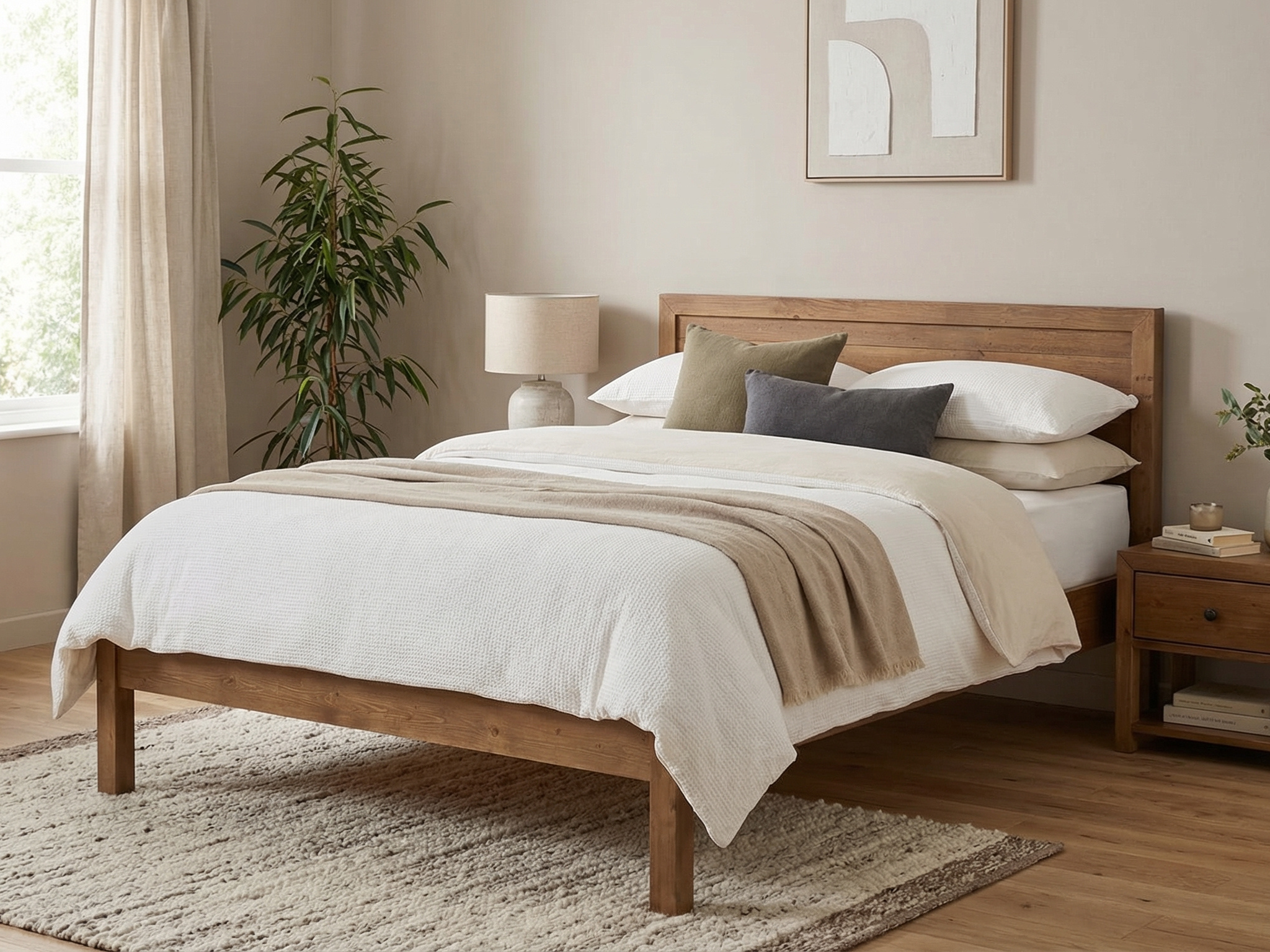
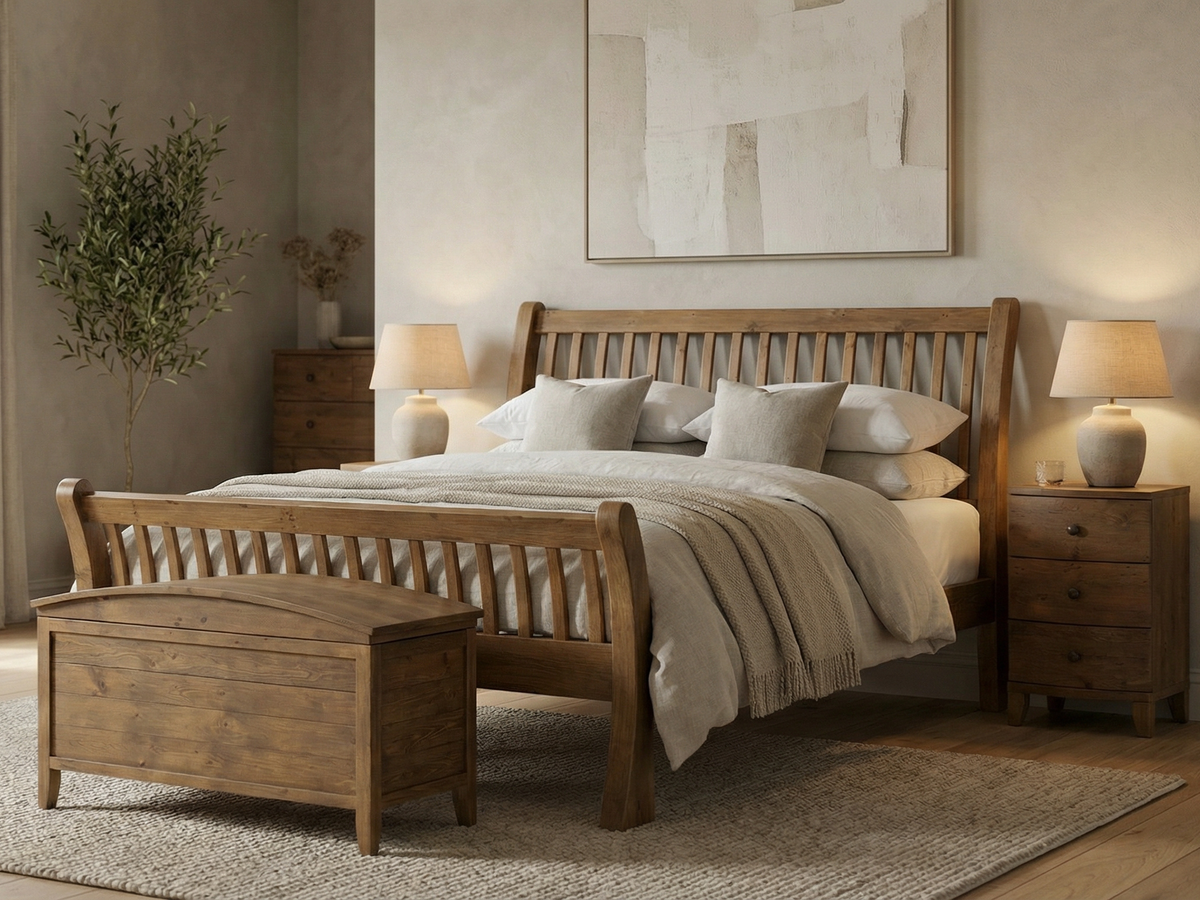
Under-bed storage is the obvious spot if your bed has the clearance. Our bed frame range is worth a look if you're thinking about the whole bedroom, and it's worth checking the gap beneath any frame before you buy boxes to slide under it. If a new mattress is on the list too, our sustainable mattress range is another option to explore.
Label every container with what's actually inside, such as "summer tops" or "winter scarves". "Misc" is a promise to your future self that you won't keep. Make sure clothes are clean and dry before they go away, and follow the care label.
Some bedroom storage tips just push the clutter somewhere else. Set a limit instead: one under-bed box for off-season clothes, not every inch under the bed. And keep a note of what's stored so you don't buy something you already own.
A blanket box at the end of the bed is another handy place for spare bedding and throws. Keep fabrics clean and dry before storing them, and avoid overcrowding the box.
Then there's the bedside, where tomorrow's clothes and a stack of books tend to pile up. Our bedside tables are worth comparing if the one you have can't hold what you reach for at night.
Make Your Wardrobe Work With the Room You Have
UK bedrooms can be awkward. Terraced houses often have narrow rooms with a chimney breast in the way, loft rooms have sloping ceilings, and bedrooms with cold outside walls can be more prone to moisture building up behind furniture in winter. A few small habits help, whatever your room is like.
Leave a gap behind the wardrobe if you can, so air moves. Keep it a little way from a radiator, since heat can dry out solid timber over time. And think about door swing. A wardrobe that opens fully on paper can still hit the bed or the bedroom door in real life, which means you stop opening it properly.
Sometimes the problem isn't how you've arranged things. If you've edited, rearranged, and tried the tricks above and the wardrobe still doesn't suit your clothes, or it's awkward to use in your room, the furniture may be what needs to change.
Think about the inside as much as the outside, and how you like to store clothes. If you own lots of long dresses, check the hanging height. If you prefer folded stacks, look for shelving. Our guide to choosing a reclaimed wood wardrobe goes through size, shape, and layout, so we won't repeat it here.
Style is part of the choice, too. Our Hawaii wardrobe has a heritage feel with antique-style metal handles, while the Cairo has an Art Deco look with fluted panelling and brass accents. Both differ greatly from a plain white fitted unit, and both are freestanding. Check the product page for exact dimensions and what's inside before comparing them with your own measurements.
At Reclaim Nation, our furniture is built primarily from pine and elm, salvaged from old floorboards, pallets, railway sleepers and manufacturing offcuts, and finished by hand in our Bristol workshop. Reclaimed timber keeps its grain and marks, so decide whether that character suits you. Natural markings and grain variations are part of what makes each piece unique.

Keep the System Easy to Maintain
A wardrobe stays organised when putting things away is easy. If it needs perfect folding or colour order to work, it won't last, unless you enjoy that sort of thing.
Try a two-minute reset when you put laundry away: each category back in its place, empty hangers out of crowded sections. Notice what stays tidy without effort and what keeps overflowing. Then run a quick monthly check:
- Access: can you find everyday clothes without moving anything?
- Capacity: do drawers close easily and clothes hang freely?
- Categories: does every new purchase have a place?
- Overflow: has a chair or the floor become an unofficial wardrobe?
- One change: fix the troublesome spot before reorganising everything.
Reclaimed wood furniture is relatively easy to maintain. Wipe it with a soft cloth, clear up spills promptly, and avoid abrasive or chemical-based cleaning products. Our care guide covers the full routine.
With nearly 30 years of designing and selling furniture, we've noticed the wardrobes people keep happiest are the ones arranged around their own habits. A good wardrobe doesn't need to be full or fancy. It needs to make getting dressed a bit easier every morning.
Frequently Asked Questions on Wardrobe Organisation
How do I organise a wardrobe from scratch?
Empty one section at a time, sort into keep, repair, pass on and undecided, then arrange what's left by category. Put everyday clothes at easy reach and occasional ones higher or lower.
Should I organise my wardrobe by colour or by type?
Type first, then colour within each group if you like it. Shirts with shirts and trousers with trousers makes things quicker to find than a rainbow of mixed garments.
How do I fit more into a small wardrobe?
Edit first, since that frees more room than any organiser. Then use the vertical space with shorter piles, a second rail if your wardrobe allows it, and containers measured to fit the gaps.
What are the best bedroom storage tips for a small room?
Use space under the bed for off-season clothes, a blanket box for bedding, and a bedside table with a drawer for everyday bits. Keep the floor clear so the room still feels open.
How often should I rotate seasonal clothes?
Twice a year suits most people, though UK weather means you may want a light jumper and waterproof to hand all year. Base it on what you actually wear, not the date.
When should I buy a new wardrobe instead of reorganising?
When you've edited and rearranged, and it still doesn't suit your clothes or your room. Look at the inside layout, door swing, and how it fits your space before you look at style.
If your wardrobe still isn't working for your space, explore Reclaim Nation's reclaimed wood wardrobes. With distinctive designs such as the Hawaii and Cairo, you can find a piece that brings practical storage and character to your bedroom.

Leave a comment
This site is protected by hCaptcha and the hCaptcha Privacy Policy and Terms of Service apply.