
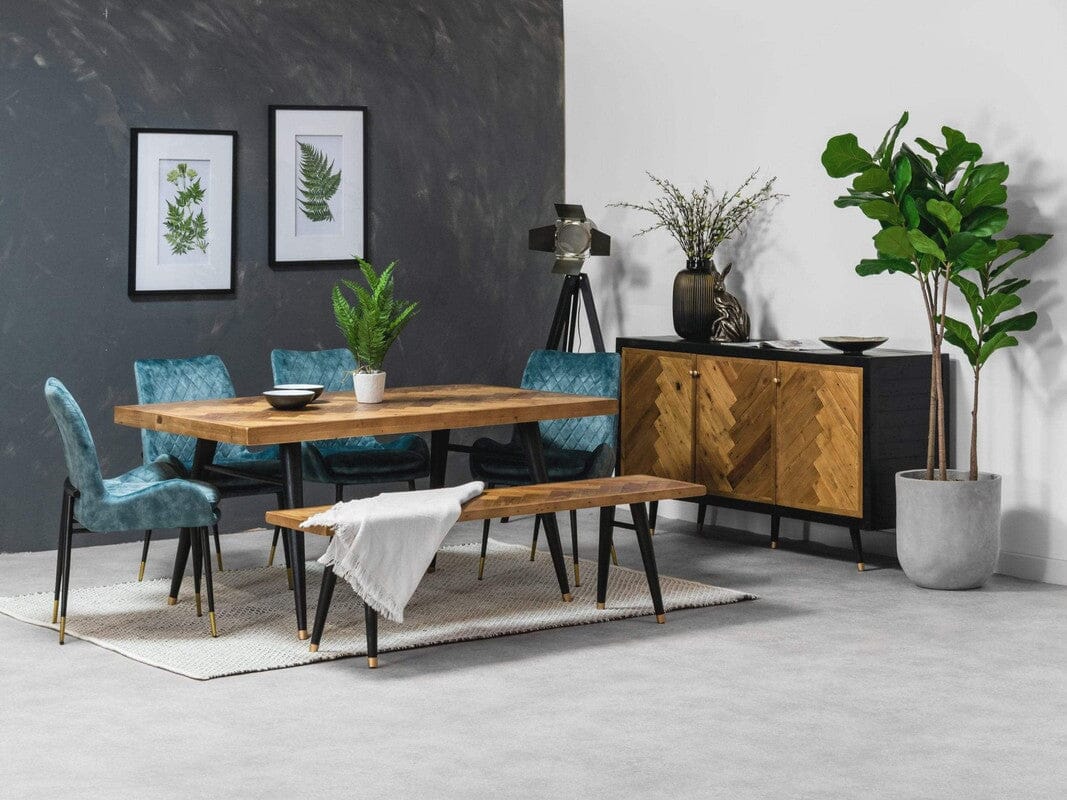
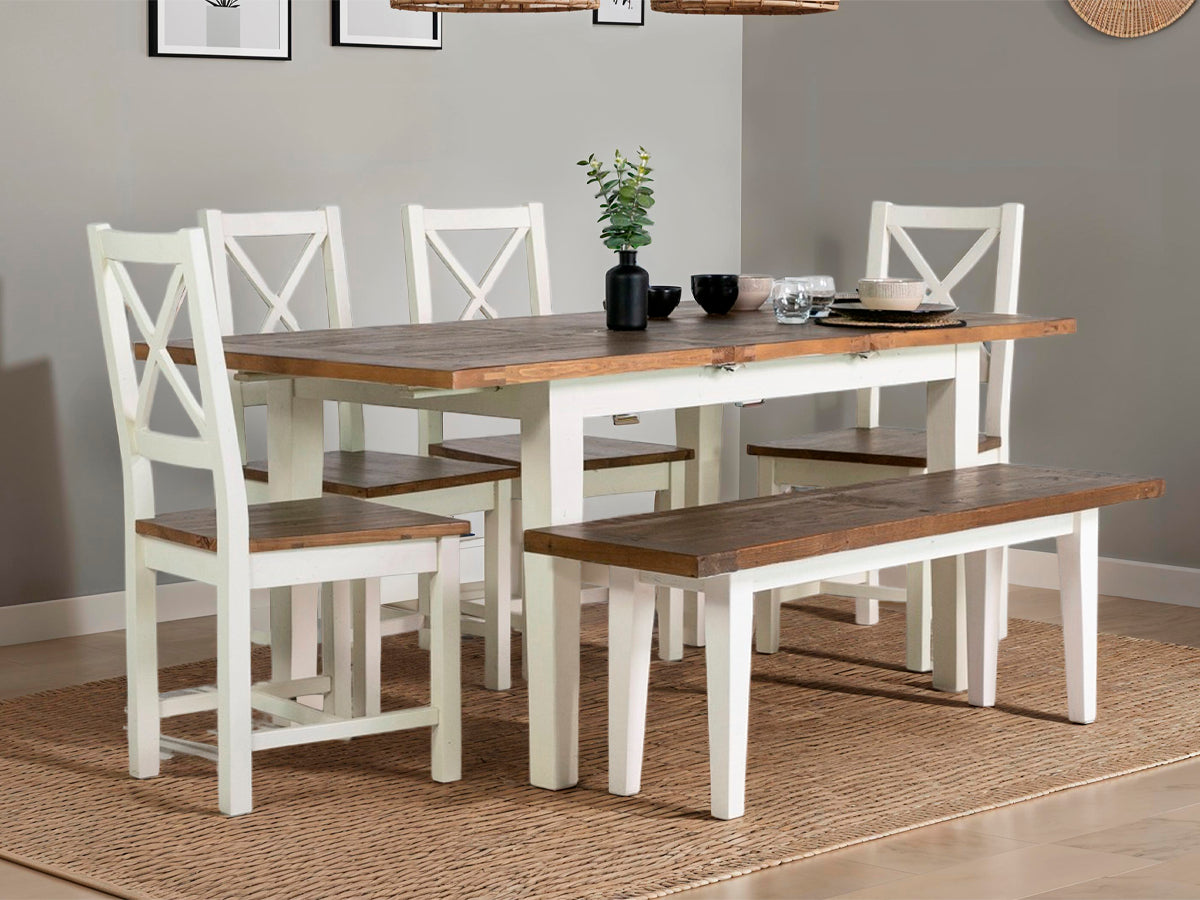
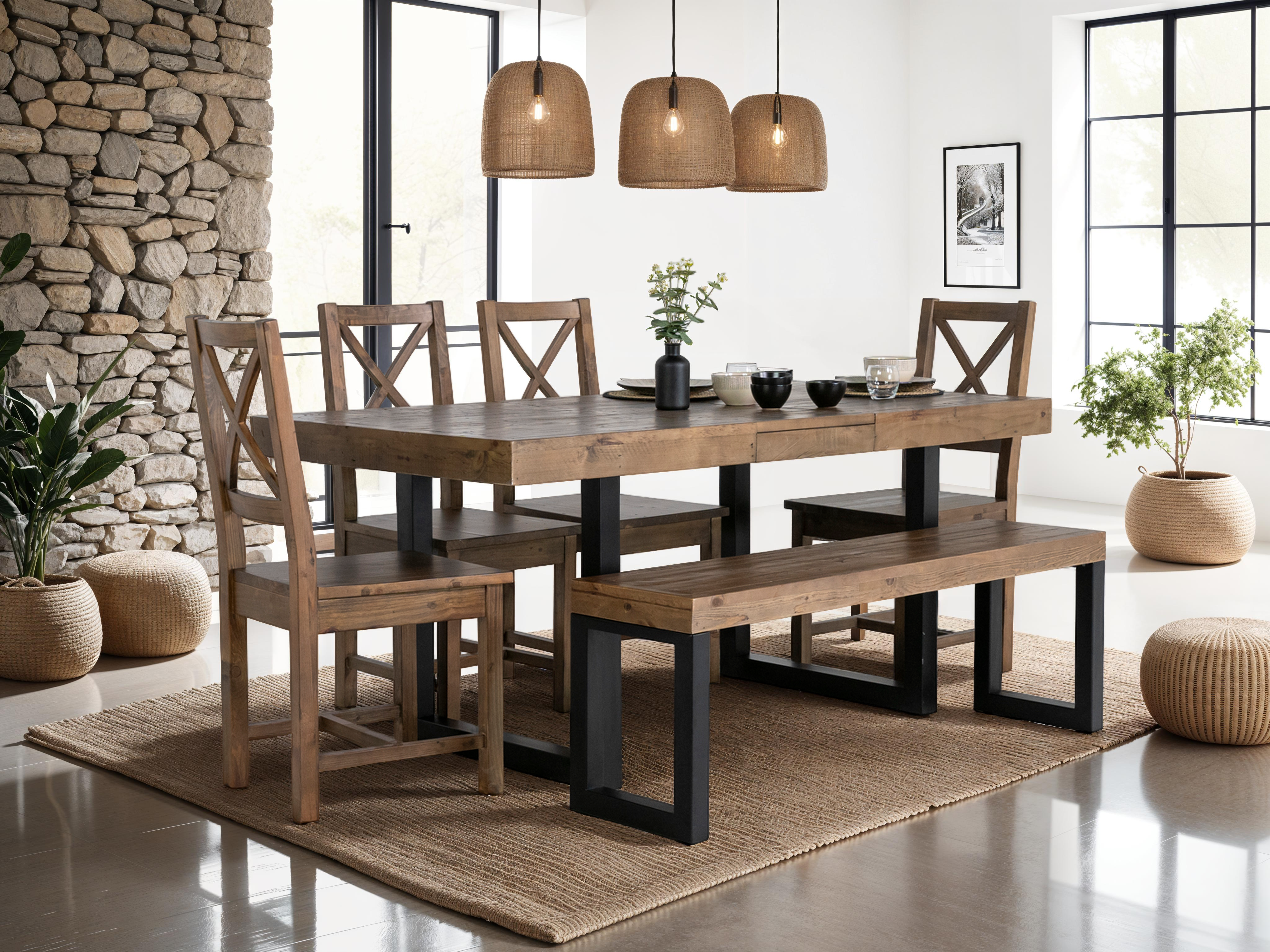
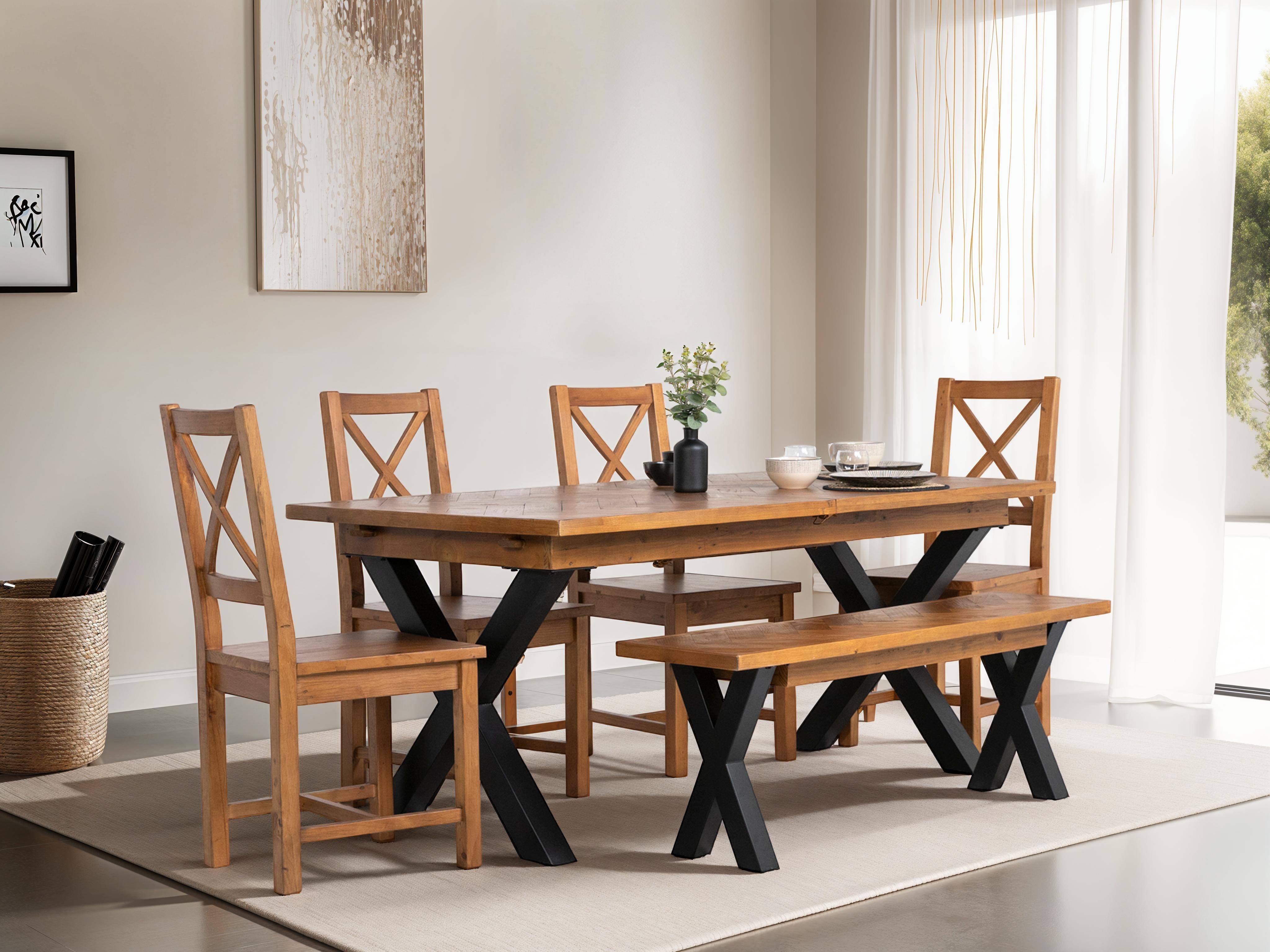




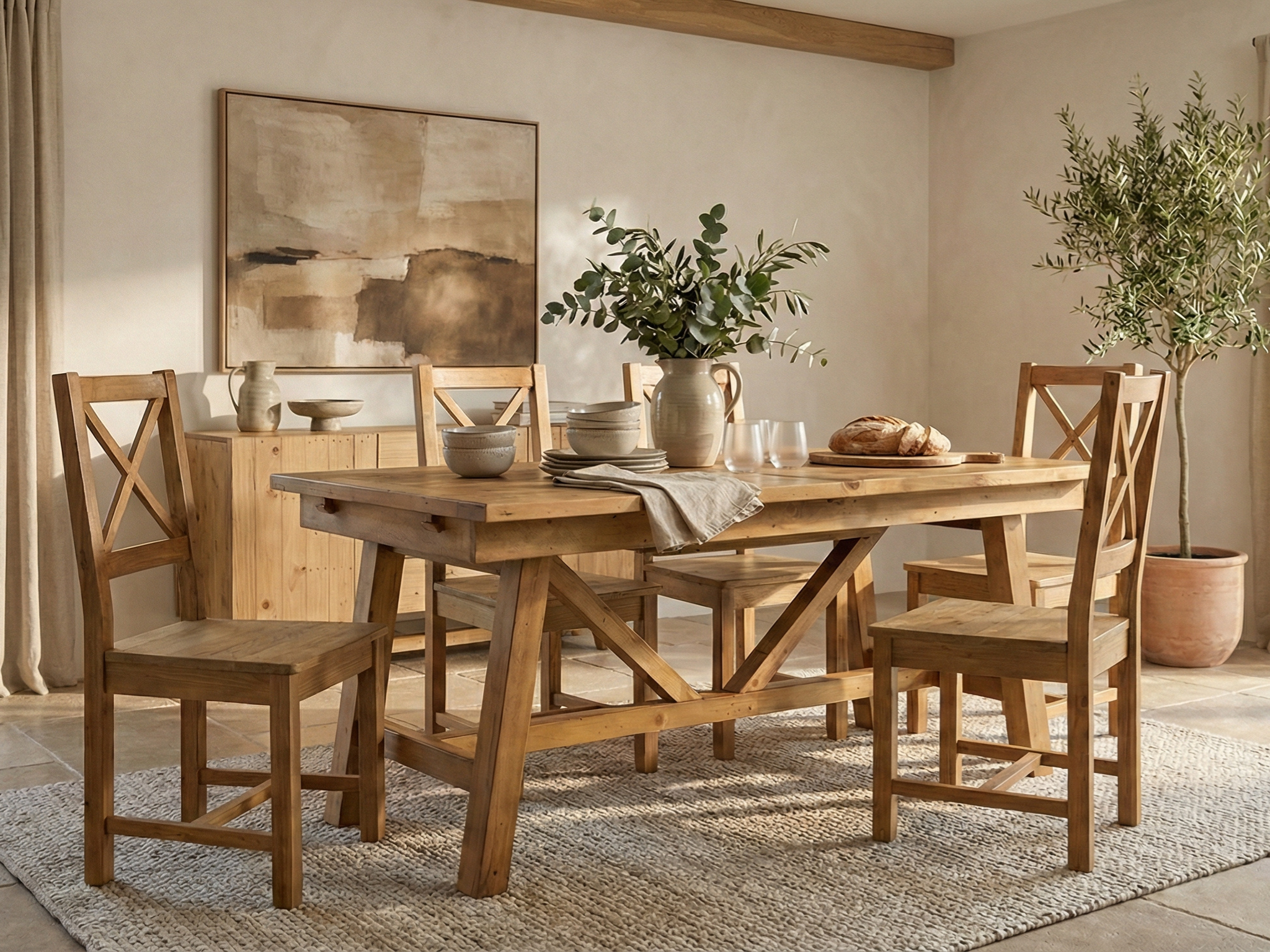

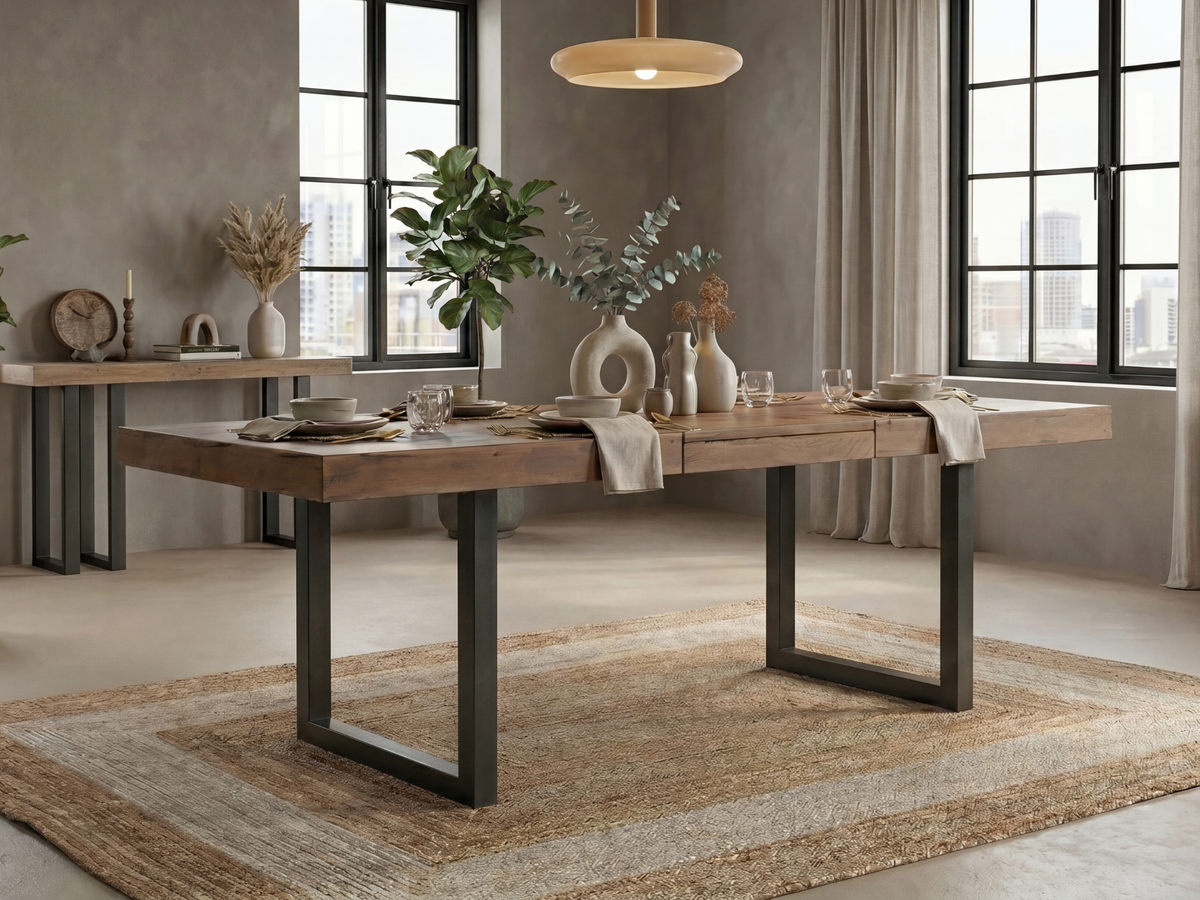
An extendable dining table is one of the more genuinely useful pieces of furniture you can own - one size for an ordinary weeknight, another when the table needs to hold more people than usual. That flexibility only pays off if you actually know how to use it. A table that's always stretched out to its biggest size, or one whose leaves get shoved in a cupboard and forgotten about, isn't really doing the job it was designed for.
Here are seven practical tips for getting the most out of an extendable dining table, from everyday space-saving through to keeping the top looking good for years.
1. Keep It Compact When You Don't Need the Extra Space
The easiest way to get more out of an extendable table is remembering it doesn't need to stay extended all the time. For everyday meals, keeping the table at its smaller size frees up floor space around it - more room for chairs to move, less of the table filling the walkway through an open-plan kitchen-diner.
It's worth thinking about the everyday footprint as much as the maximum size when you're first choosing a table. One that feels right at its compact setting is more likely to actually get used flexibly, rather than sitting permanently extended because collapsing it back down feels like a hassle.
2. Plan Your Seating Layout Before You Extend
It's easy to assume extending the table automatically solves your seating problem, but the table is only half the equation. Before you commit to how far you're extending, work out where the extra chairs are actually coming from and whether the room can take them.
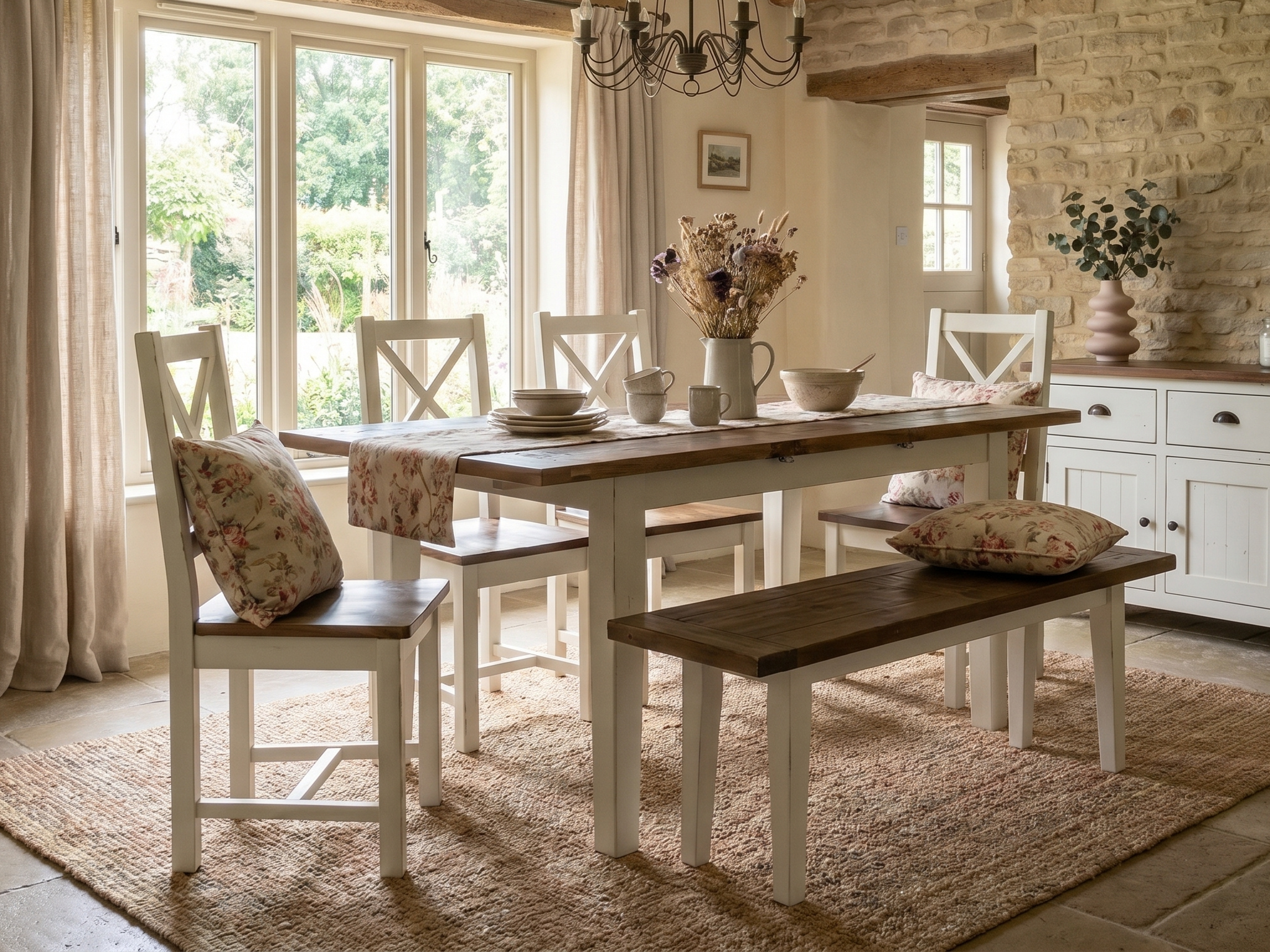
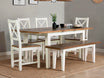
A longer table needs longer sides to seat people comfortably - if your room is on the narrower side, check there's still enough clear space for chairs to be pulled out and for people to move around the table once it's fully open. This is also the moment to think about whether you're sticking with chairs on both sides or bringing in a bench for one side, which tends to be more forgiving of an odd number of guests than a fixed run of chairs.
3. Get to Know How the Leaf Folds Away
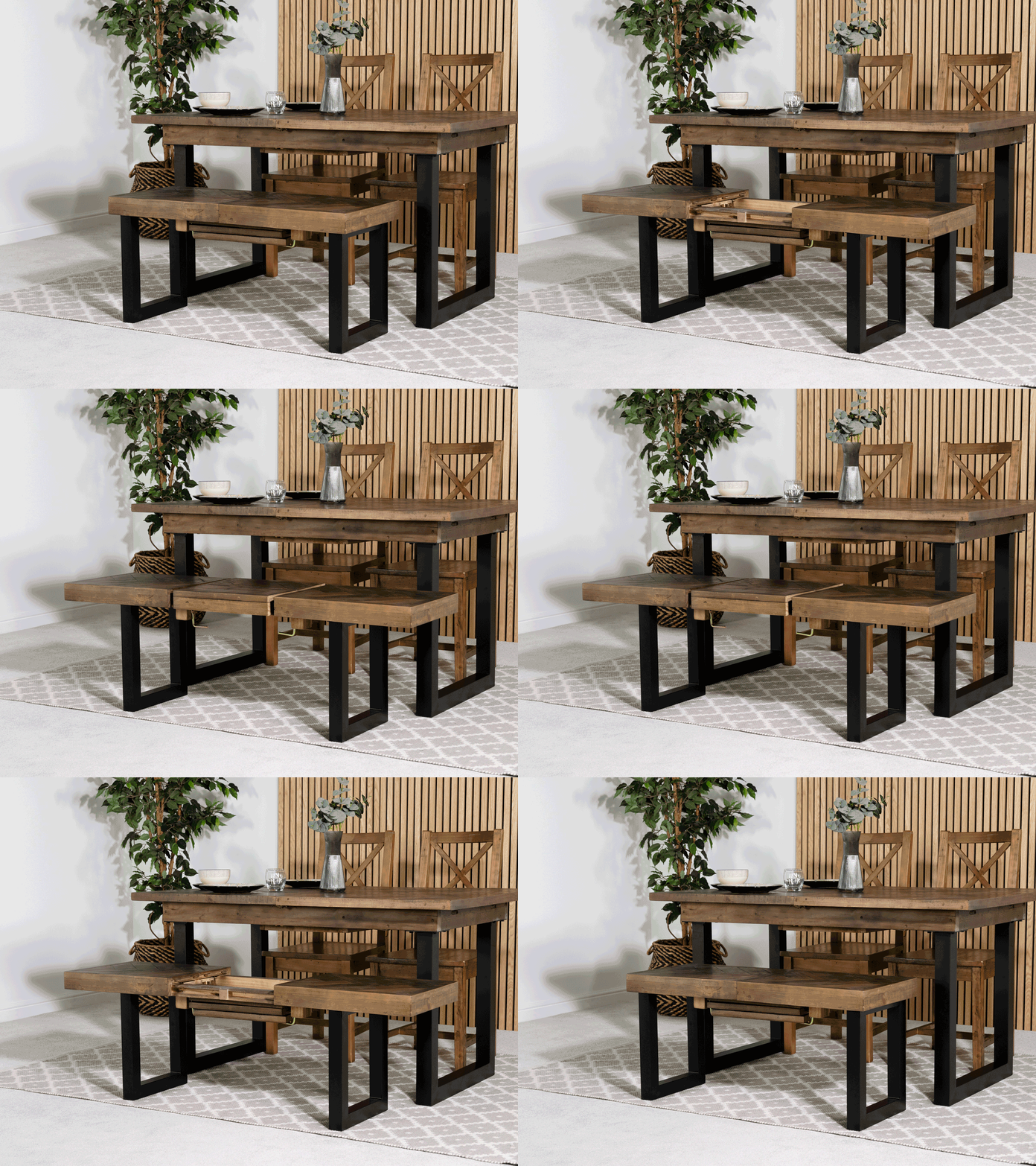
Reclaim Nation's extendable tables use a hinged leaf built into the table's own frame, rather than a separate panel you lift in and out by hand. When the table is closed, the leaf sits folded down underneath the tabletop, out of sight. Pull the two halves of the table apart, and the leaf hinges up and folds flat into the gap, ready to use.
Because the leaf is permanently attached, there's no separate piece to find storage space for or misplace between uses. It's worth getting familiar with how the hinge and locking mechanism work early on - a slow, careful first extension makes every one after it much quicker, and helps you spot how the leaf should sit once it's folded into place.
4. Style the Table Whether It's Open or Closed
A table that only looks finished when it's fully extended for a dinner party isn't earning its keep the rest of the time. Since most extendable tables spend far more days closed than open, it's worth styling for both states rather than treating the everyday size as an afterthought.
When it's closed, a simple runner or a low centrepiece is usually enough - anything too large will feel out of proportion on a smaller footprint. Once it's extended, you've got more surface to work with, so a longer runner, a row of candles or a few serving dishes can sit comfortably down the centre without crowding place settings at either end. Reclaimed wood does a lot of the visual work on its own either way - the grain and colour variation in a solid pine or elm top means the table rarely needs much styled around it to look considered.
5. Protect the Tabletop, Extended or Not
The same basic care applies whether the table is at its everyday size or stretched out for guests. Use coasters under drinks and placemats under hot dishes, and clean up spills as soon as they happen rather than letting them sit. It's also worth taking a little extra care around the seam where a leaf meets the main tabletop, particularly when dealing with spills.
Reclaimed wood is naturally hardwearing - our tables are built from solid pine and elm, and pine in particular hardens through the reclaiming process, giving it a density that holds up well to daily use. If you want the fuller routine for keeping a reclaimed piece looking its best, our care guide covers everything from daily cleaning to seasonal upkeep.
6. Choose Seating That Extends With the Table
One of the more overlooked extendable dining table tips is thinking about your seating as flexibly as the table itself. A fixed set of chairs works fine, but if you're regularly moving between a smaller everyday size and a full extension, seating that can adapt alongside it tends to feel more considered than chairs pulled in from another room.
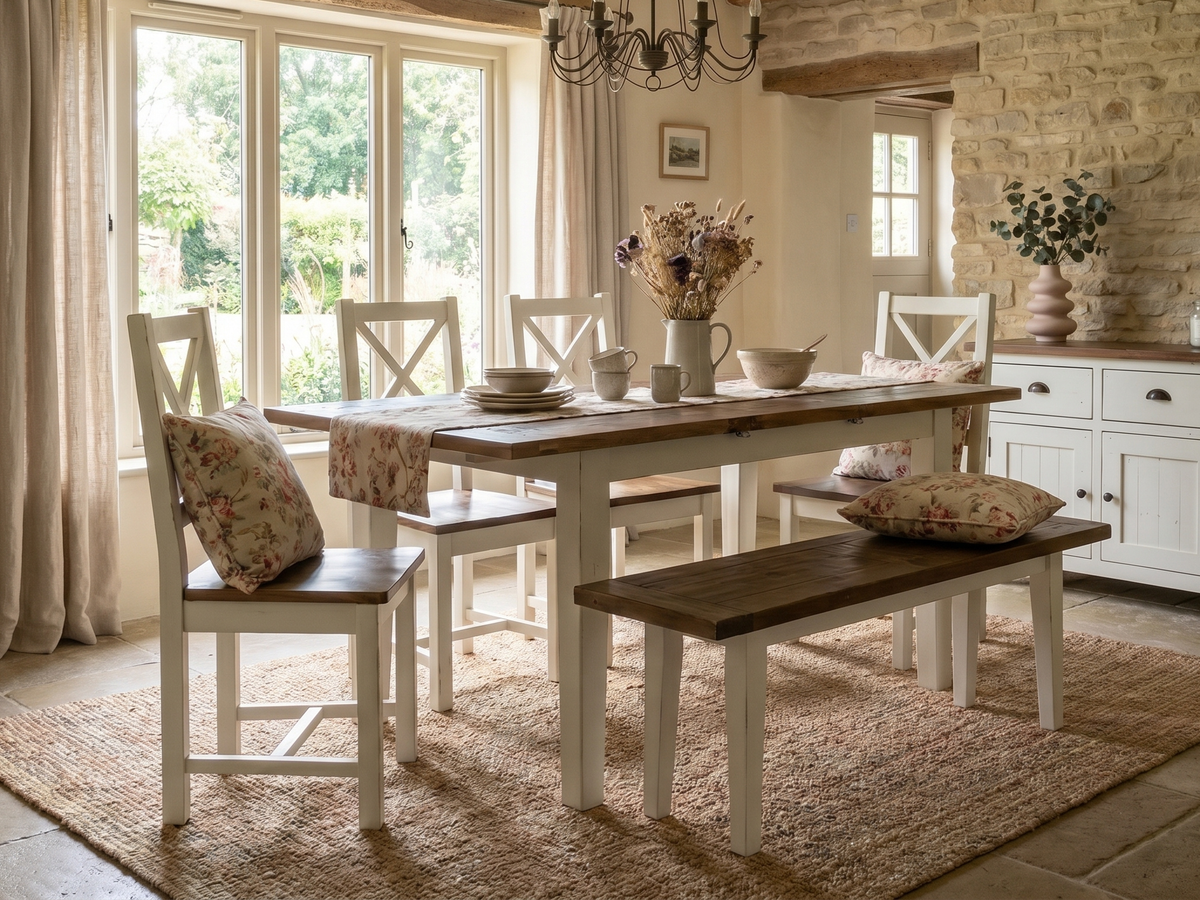
This is where a bench earns its place. Our extendable dining benches are built to extend alongside the table itself, so the proportions stay right whether it's set for a quiet weeknight or opened up for a full table of guests, rather than a fixed-length bench looking stranded against a longer tabletop.
7. Prepare the Table Ahead of Guests
Extend the table the day before, or at least a good hour ahead of guests arriving, rather than leaving it until people are already in the doorway. That gives you time to check the leaf sits flush, wipe down any dust that's settled in the gap, and lay the table properly. If it's the first few times you've used the mechanism, a practice extension when there's no pressure on is worth doing too - most designs are straightforward once you've done it once.
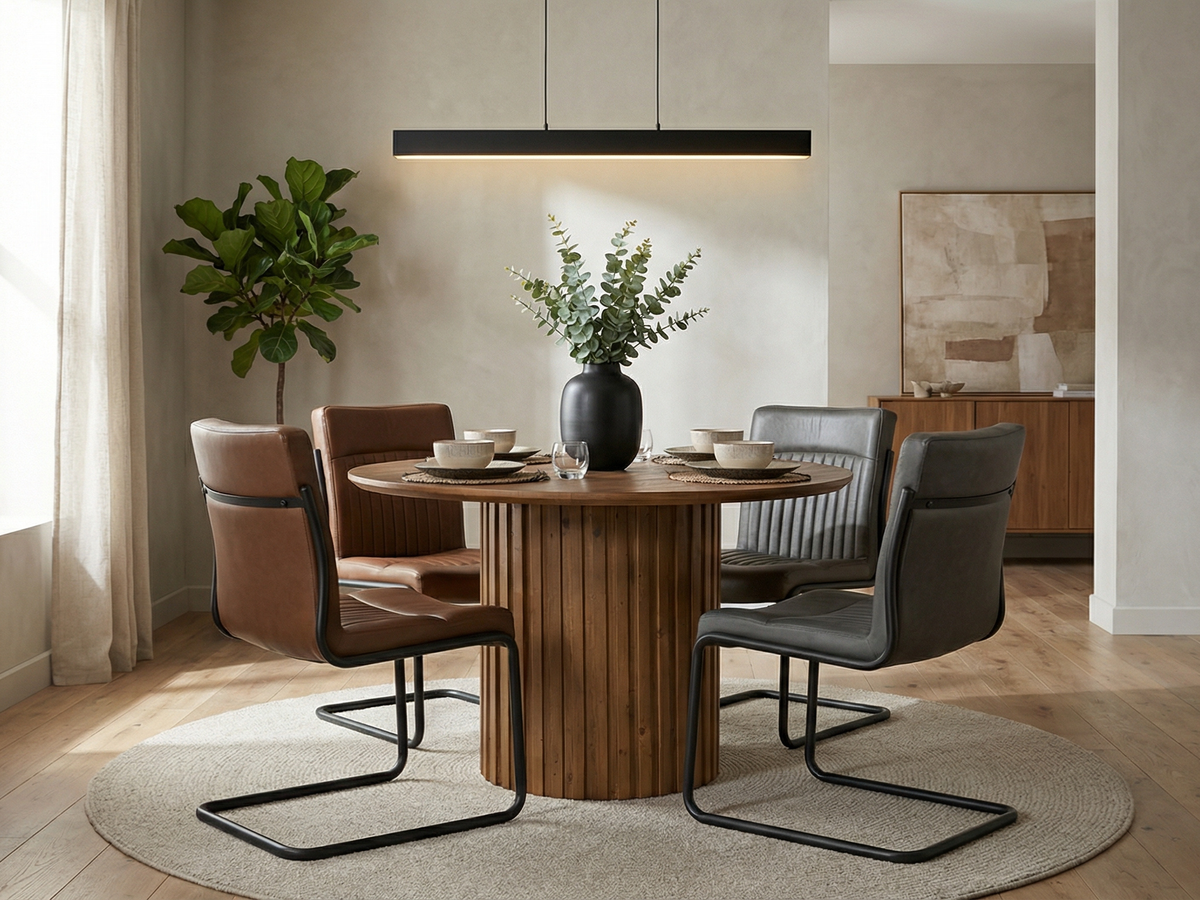
Once it's extended, it's also worth checking the table still works comfortably in the room, since not every household needs that flexibility regularly. A fixed top dining table gives a more consistent footprint if you'd rather one size to plan around every time, while a round dining table handles a smaller, more sociable gathering differently again - worth bearing in mind if you're still deciding what suits your space best.
Make Your Extendable Table Work Harder
Nearly 30 years of designing and selling furniture has taught us that the households who get the most out of an extendable table are the ones who actually use the extension regularly, rather than saving it for rare occasions and forgetting how the mechanism works when the moment comes. A table that goes from a smaller everyday size to a full table without much fuss tends to get used more, not less, once the process feels familiar. Finishes across our range are applied by hand in our Bristol workshop, helping retain the natural character of the timber. That character is part of what makes a reclaimed wood table work just as well as an everyday piece as it does when fully extended for guests.
Frequently Asked Questions on Extendable Dining Table Tips
How often should I extend and retract my dining table?
As often as it's actually useful to you. Tables built for regular extension handle frequent use well - the mechanism is designed for it, not just for occasional special occasions.
Do I need to store the extension leaf separately?
No. Reclaim Nation's extendable tables use a hinged leaf built into the table's frame, which folds away underneath the tabletop when the table is closed. There's no separate leaf to find storage space for.
Does an extendable table need different care from a fixed top table?
Not fundamentally. The same basics apply - coasters, placemats and prompt spill cleanup - though it's worth paying a little extra attention to the seam where the leaf meets the tabletop.
How much extra space do I need for a fully extended table?
Enough for chairs to be pulled out and for people to move around comfortably once the table is fully open. This varies by room, so it's worth measuring your own space against the table's extended dimensions before you commit to a size.
Can I mix chairs and a bench with an extendable table?
Yes, and it's a popular way to seat one. A bench along one side flexes well with the table's changing size, while chairs on the other side or at each end keep some individual seating in the mix.
Do reclaimed wood extendable tables warp or stick over time?
Well-made solid timber tables are built to extend smoothly for years with basic care. Keeping the table away from direct heat sources and excess moisture helps the mechanism and the wood itself stay in good condition long term.
Take a look at the full range of pieces built to flex with your household, each one handmade from solid reclaimed pine and elm in our Bristol workshop.

Leave a comment
This site is protected by hCaptcha and the hCaptcha Privacy Policy and Terms of Service apply.