
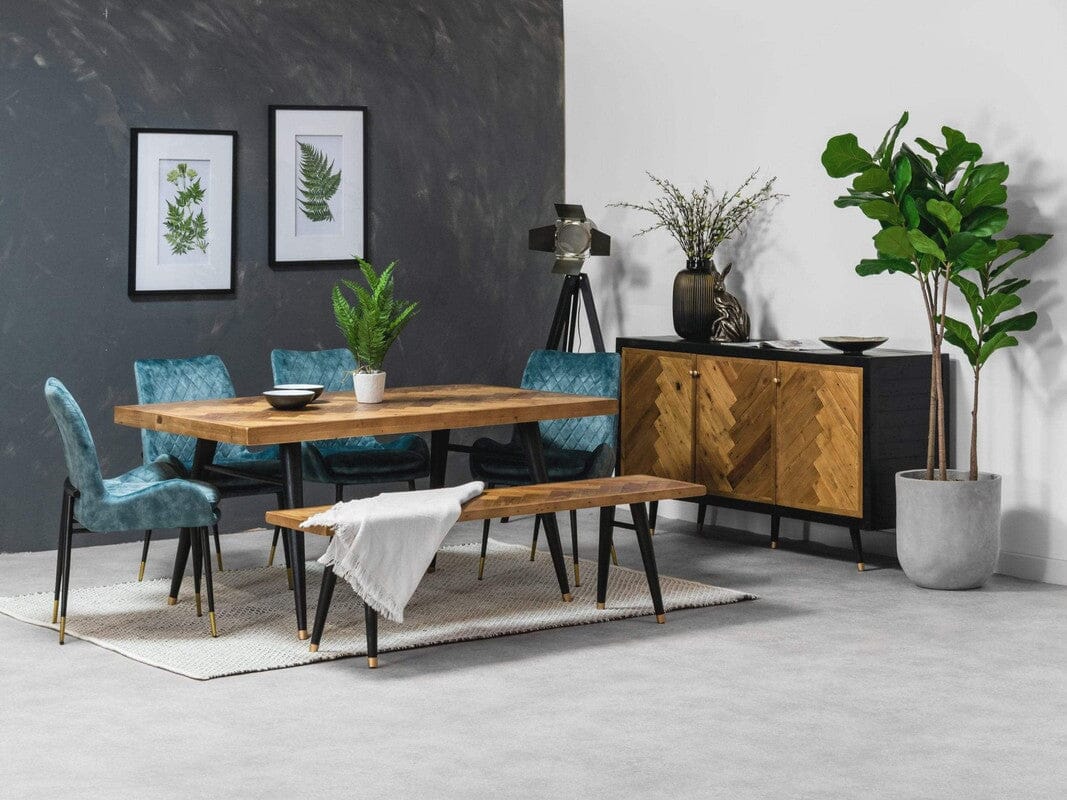
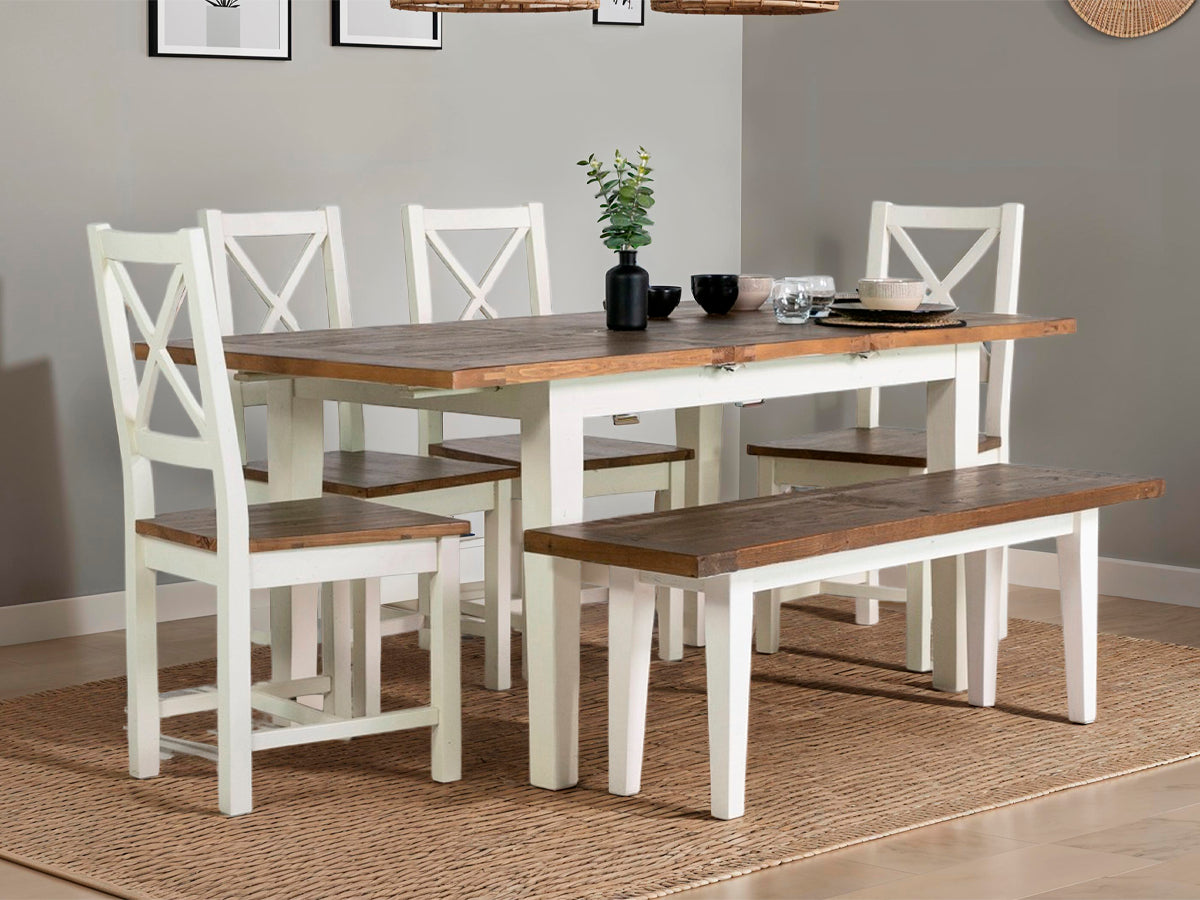
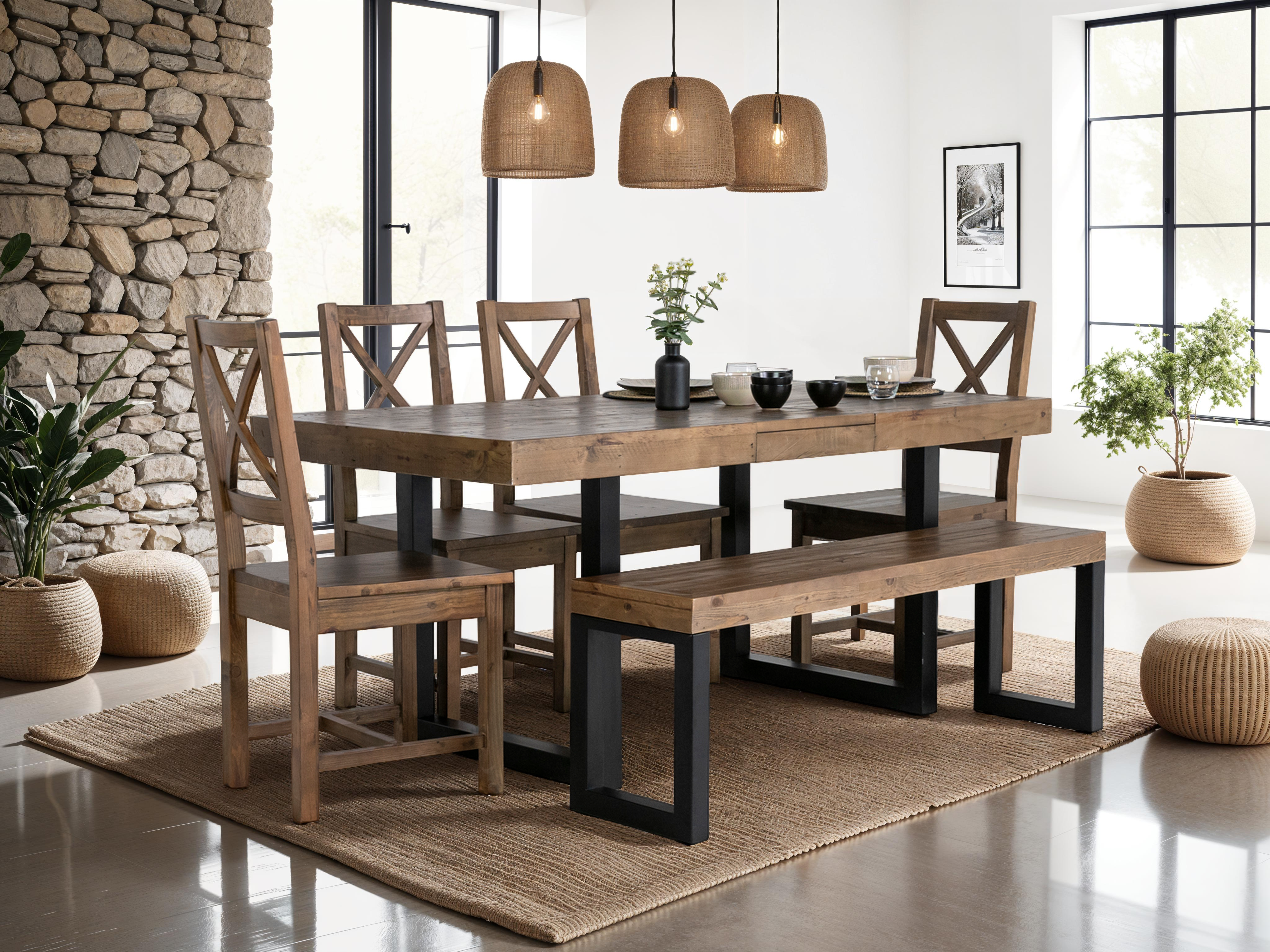
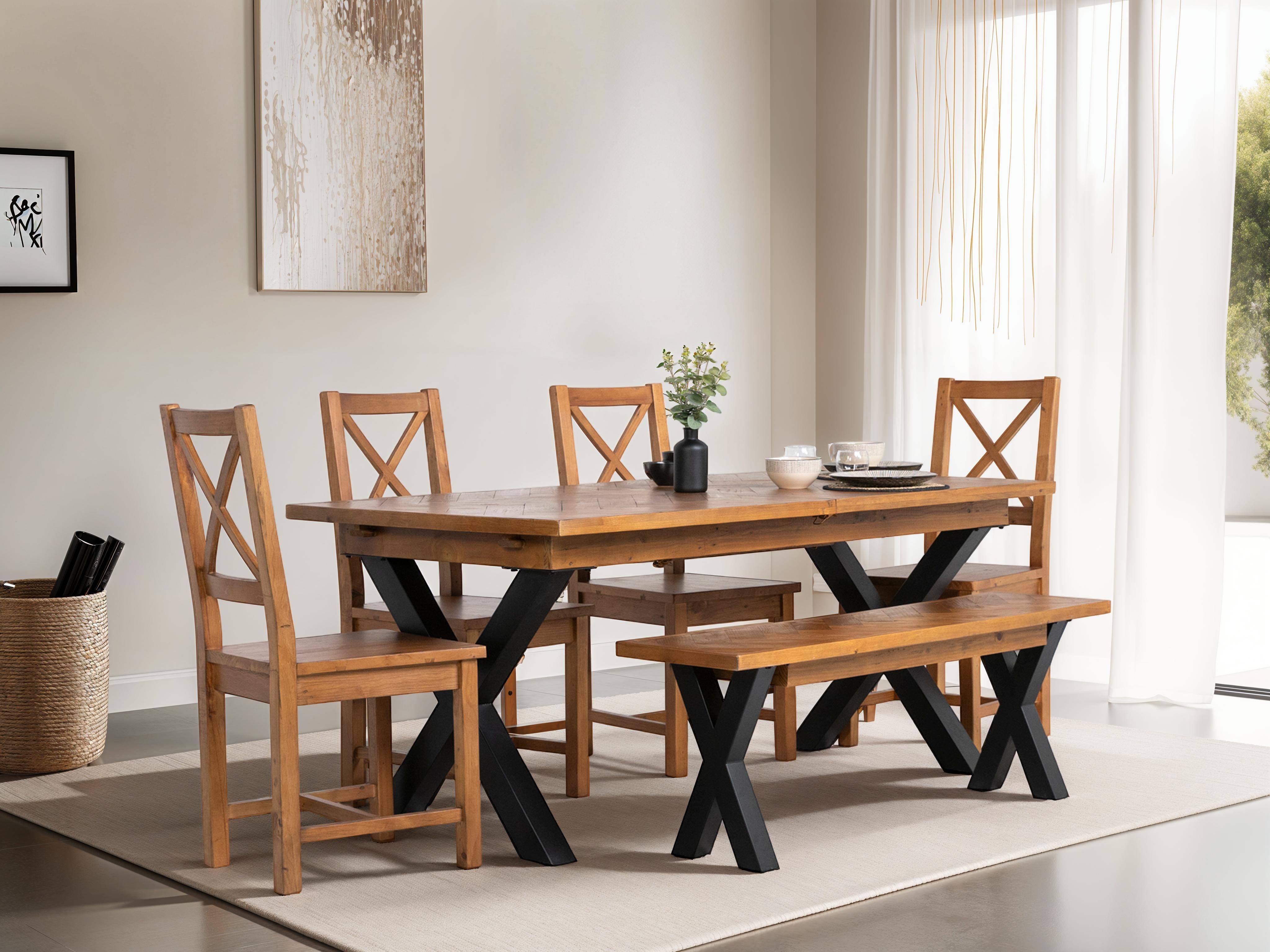
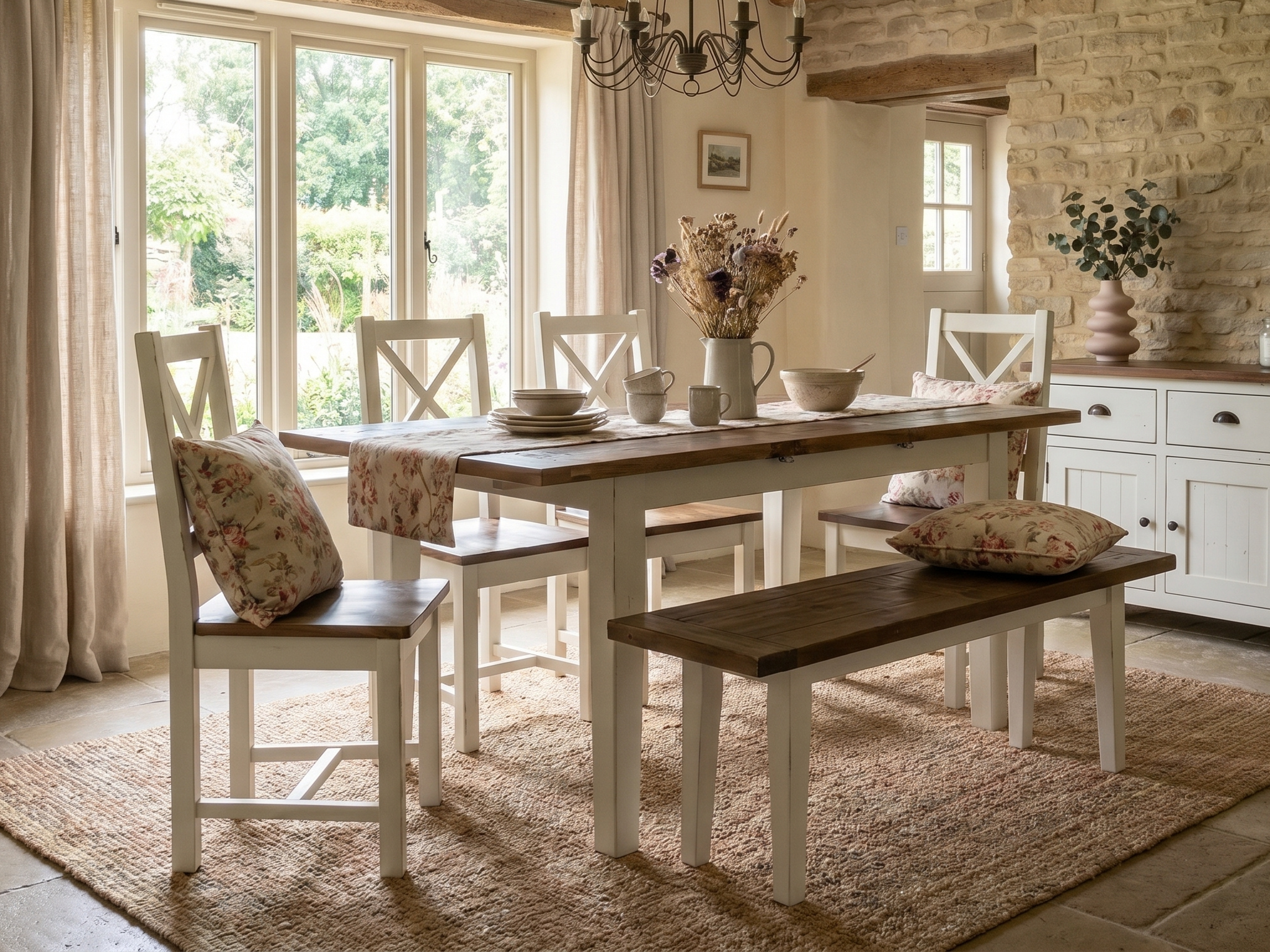
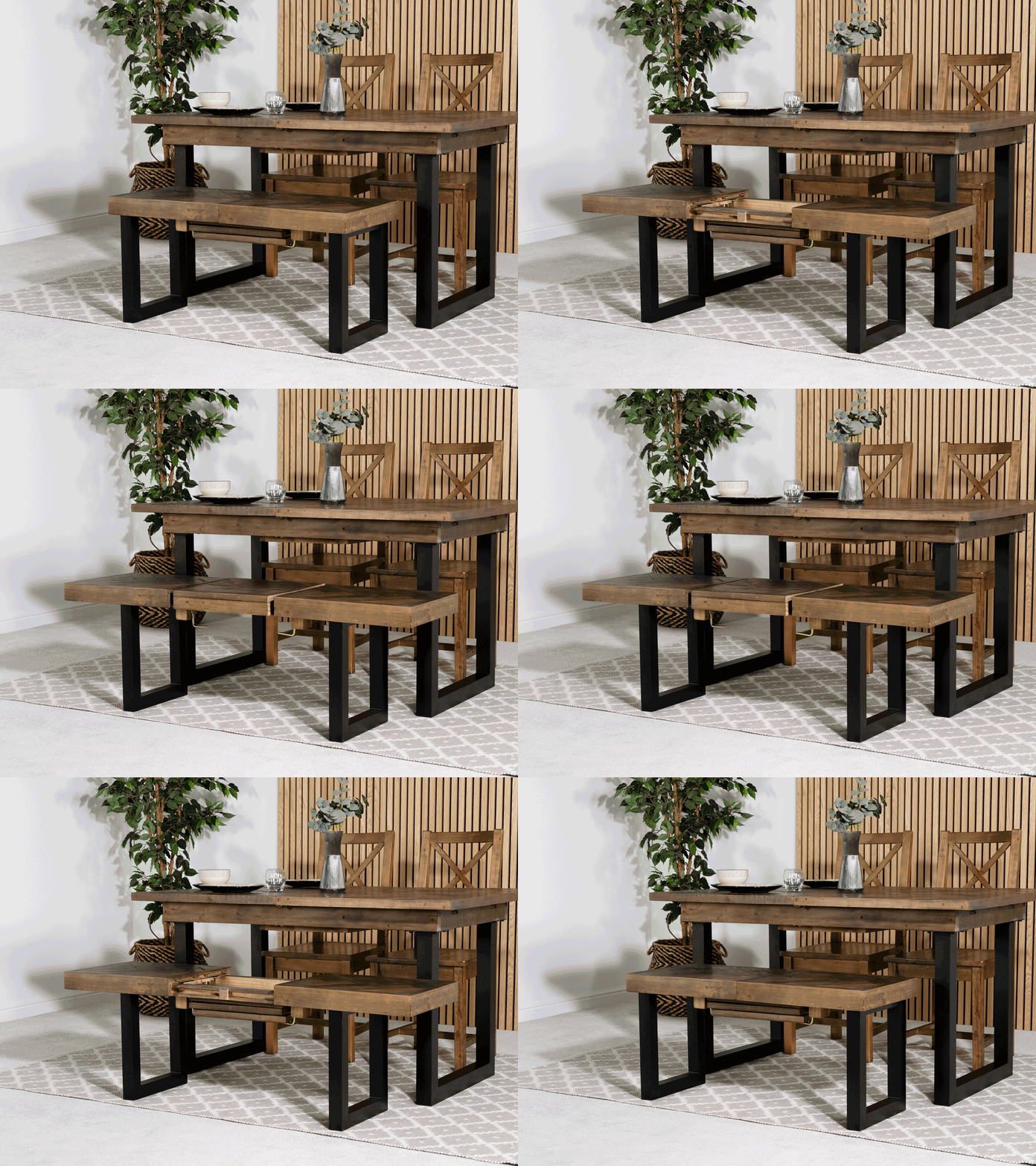


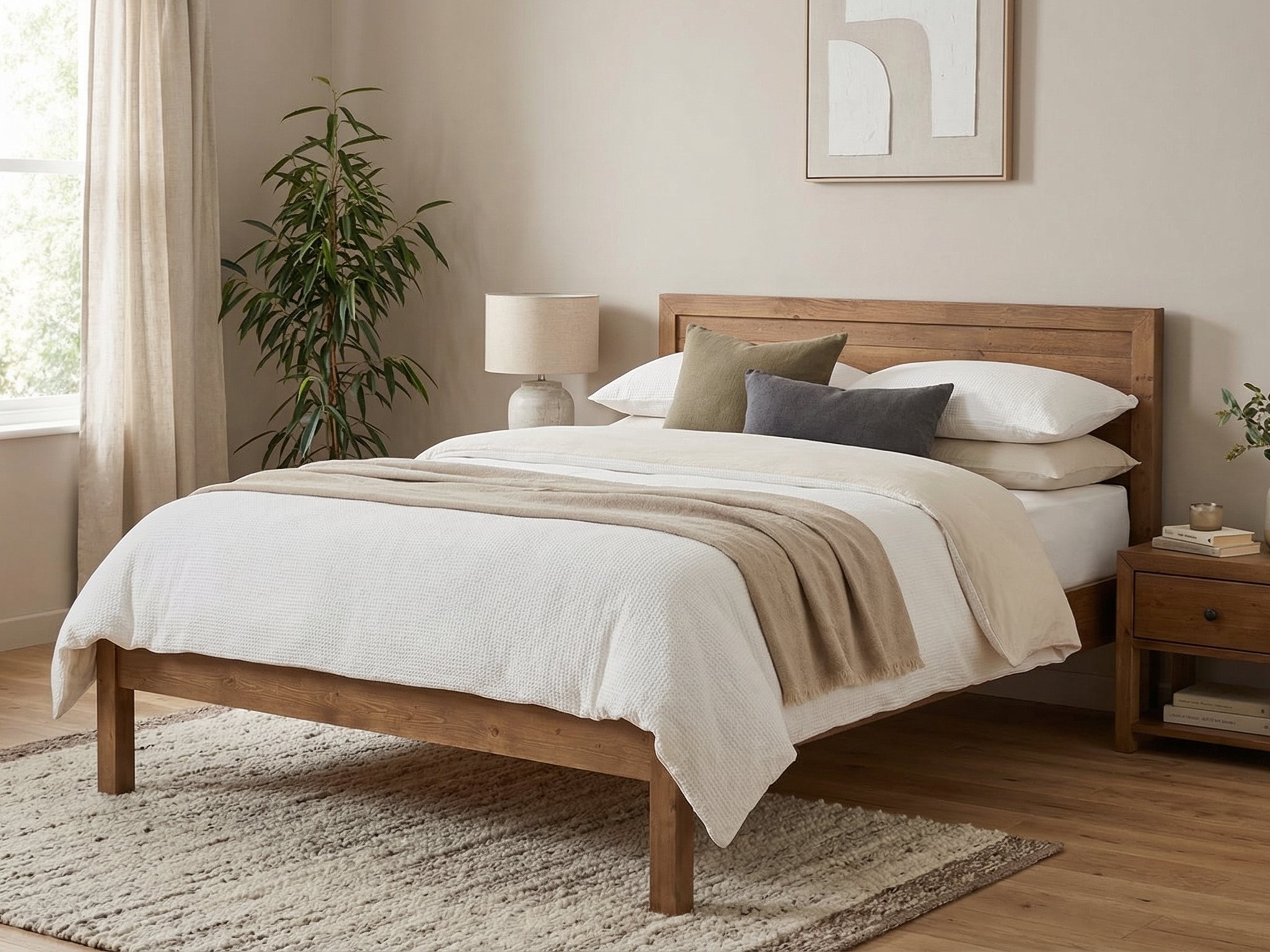


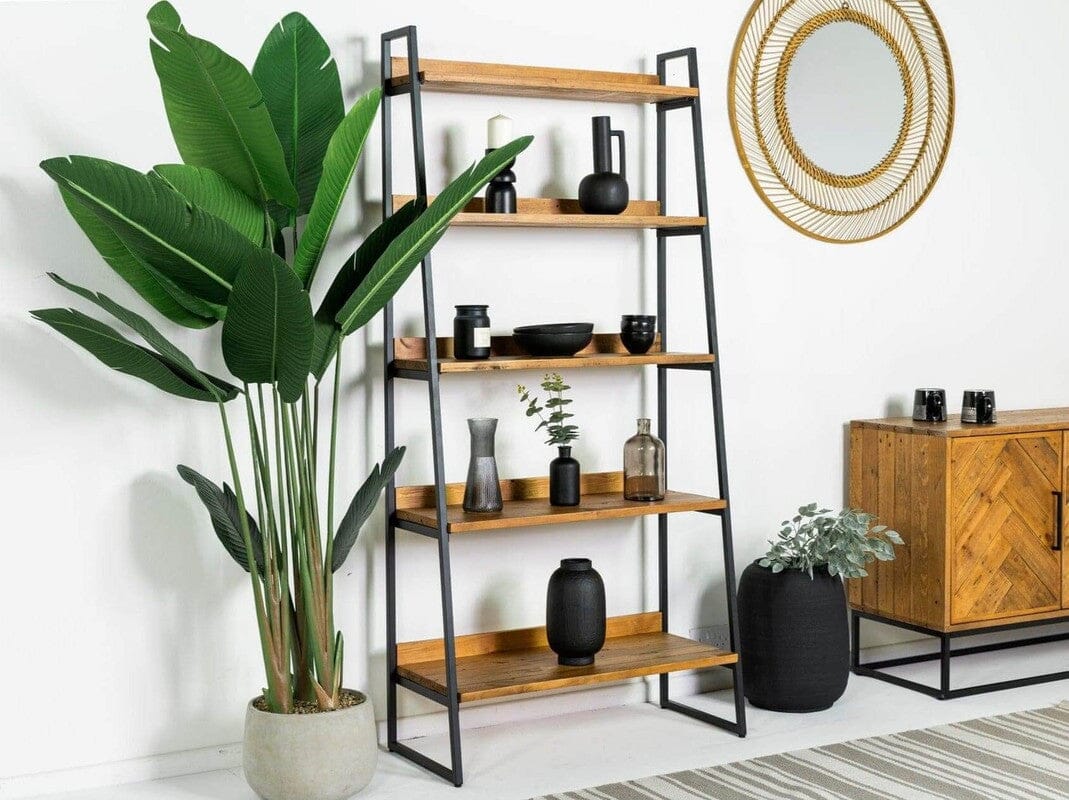
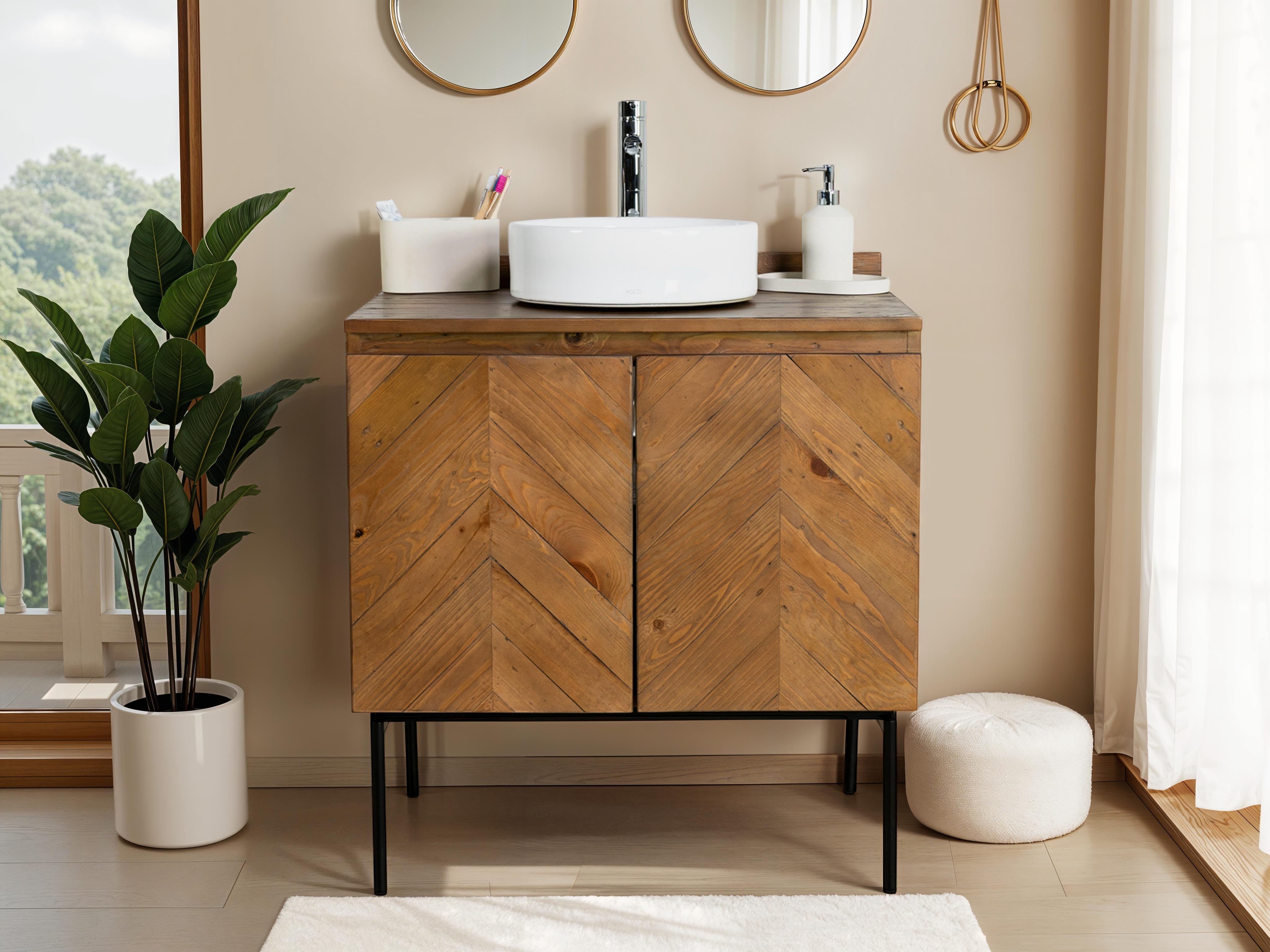
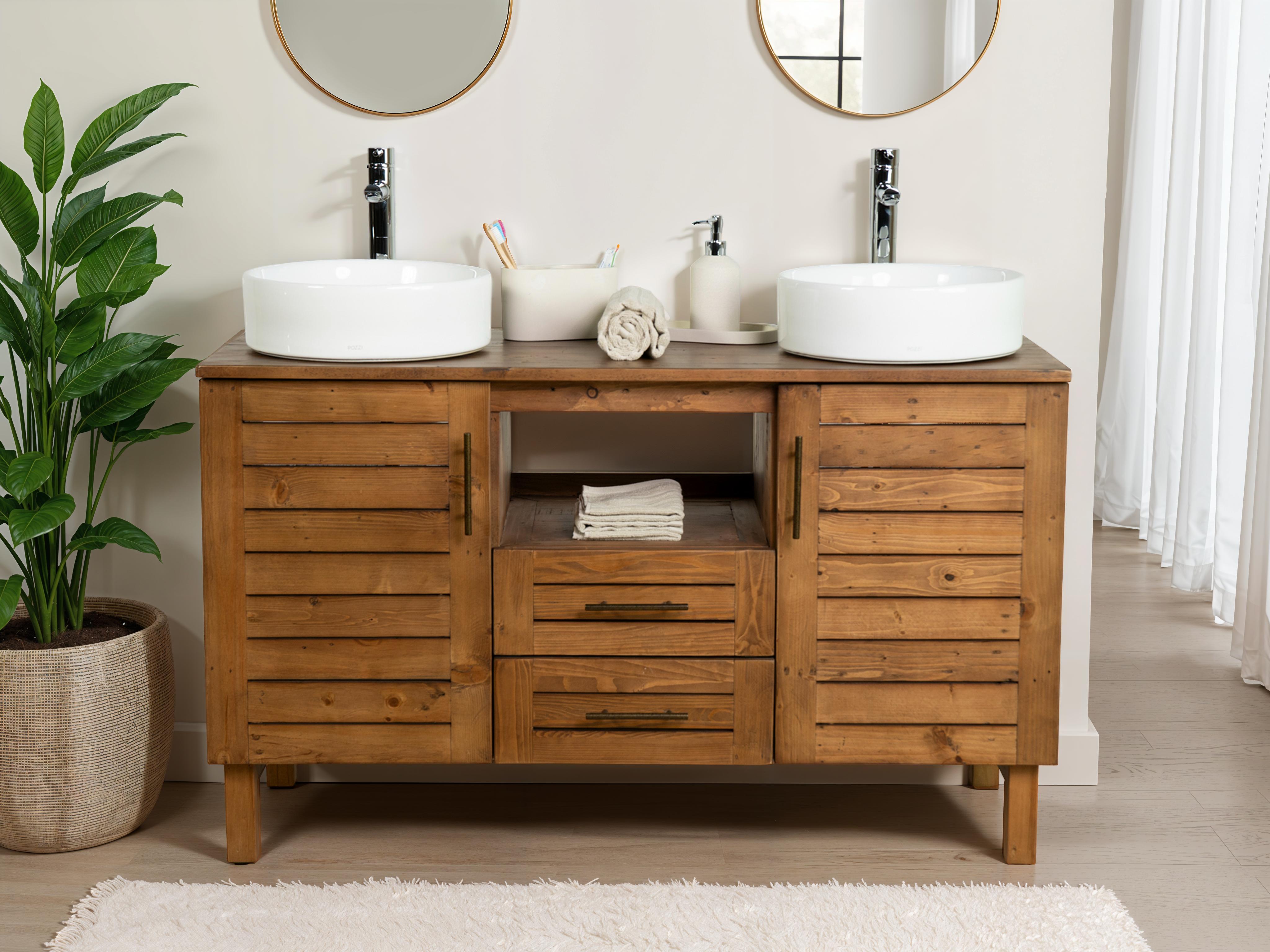
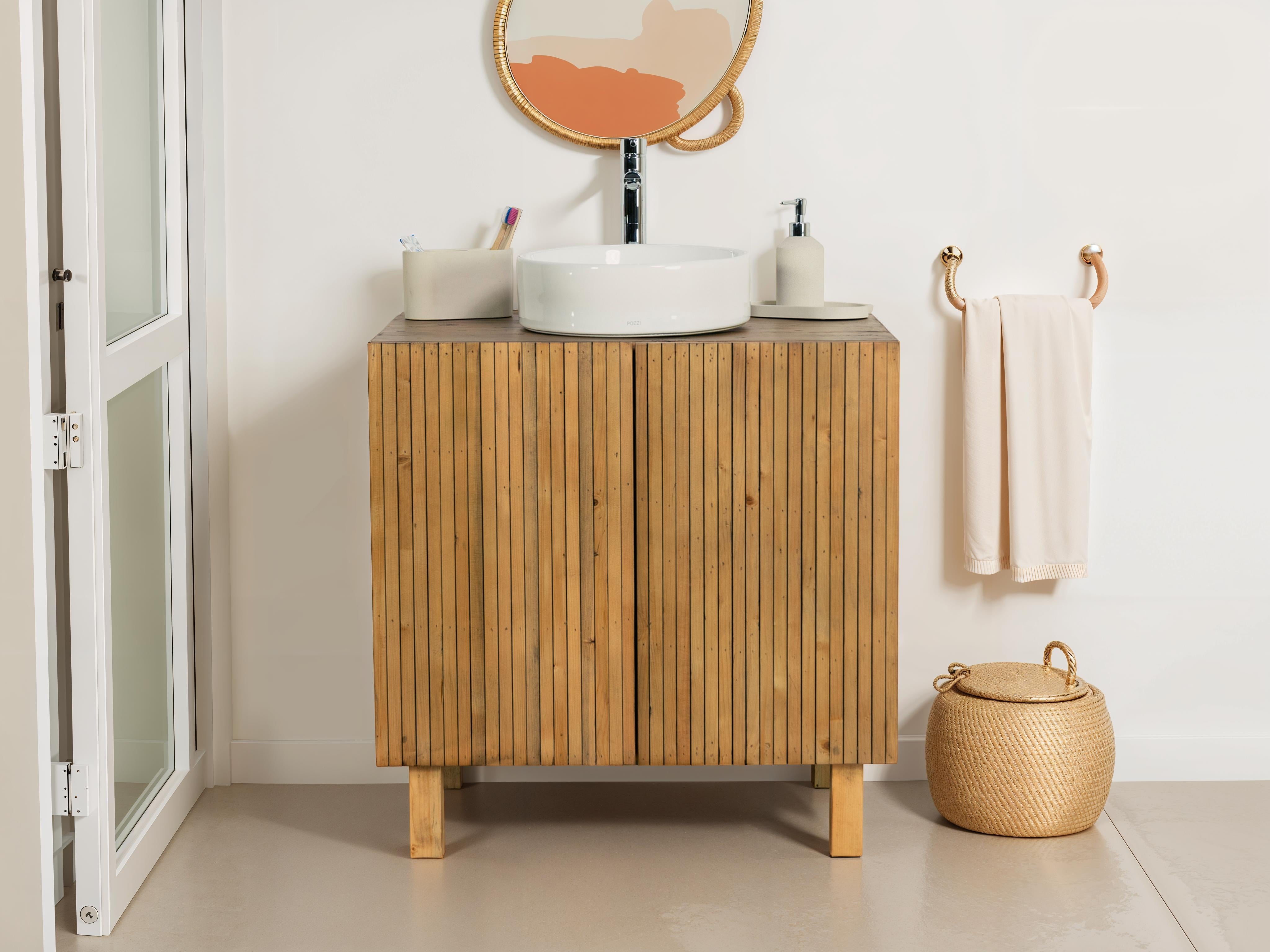
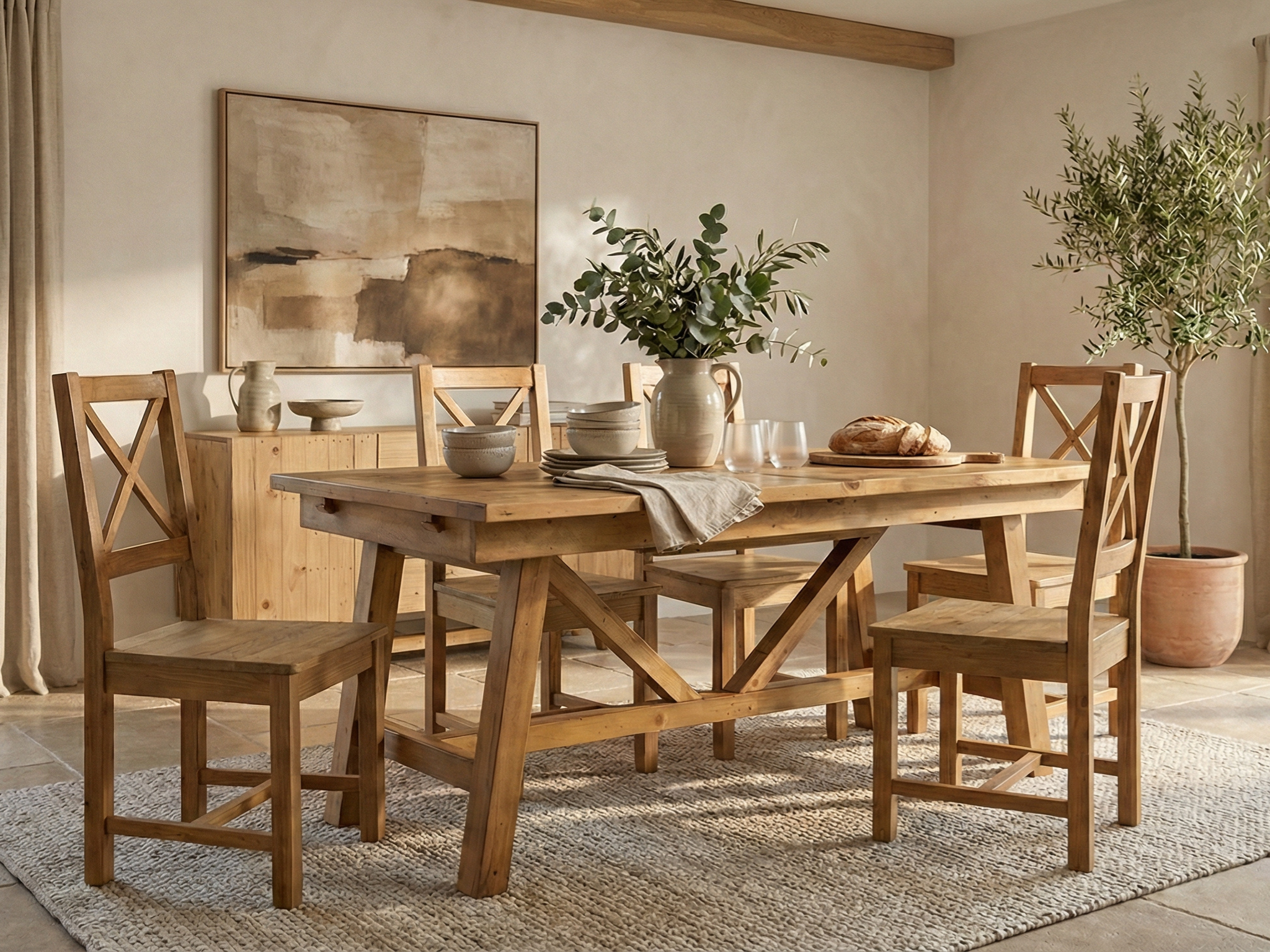

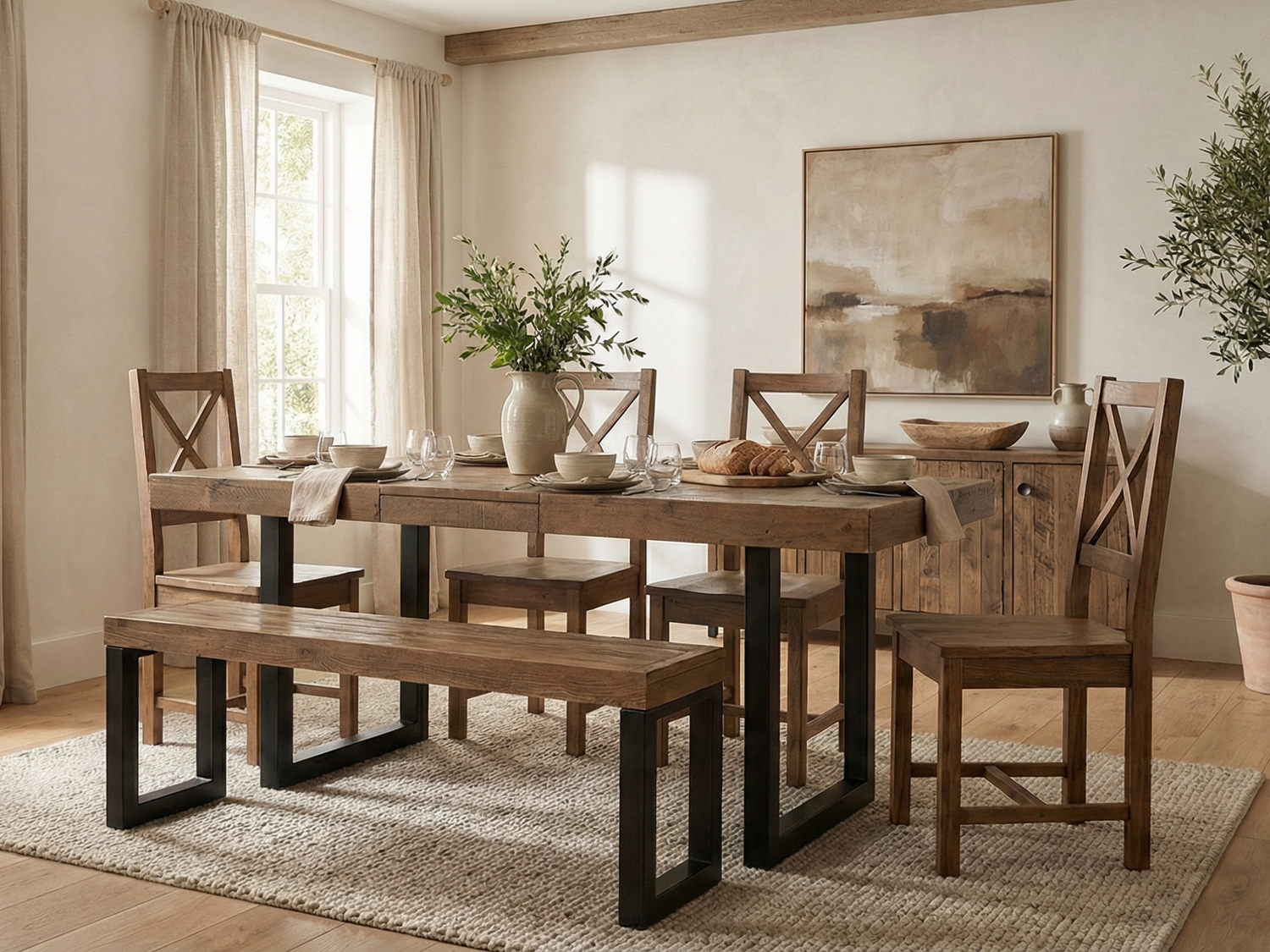
If you still picture reclaimed wood furniture as heavy, dark and strictly farmhouse, it's worth a second look. Walk into a Scandinavian living room, a Japandi bedroom or a modern organic interior right now, and there's a decent chance the wood grain you're admiring came from somewhere else first - an old floorboard, a dismantled building, a railway sleeper that used to carry trains rather than table settings.
Reclaimed wood furniture doesn't go out of style. Not because it's immune to trends, but because it's never stayed tied to just one.
Why It Outgrew the Rustic Label
Reclaimed wood earned its rustic reputation honestly. Exposed beams, chunky farmhouse tables, that distressed look - it was a genuine trend, and a good one. But the wood itself was never actually rustic. The finish, the joinery and the design built around it were doing that work, not the timber.
Which is why the same reclaimed pine or elm that built a farmhouse dining table a decade ago now turns up in rooms that look nothing like a farmhouse. Strip back the styling and let the grain, the knots and the colour variation speak for themselves, and reclaimed wood reads as considered rather than country.

Where It Shows Up Now
It shows up in more places than people expect. In Scandinavian interiors, where light, pared-back rooms rely on natural materials to add warmth, a reclaimed coffee table does exactly that without needing much else around it. In Japandi spaces, where the whole point is calm minimalism with a bit of soul, the marks and irregularities in reclaimed timber fit right in - nothing there is trying to look flawless. Modern organic interiors, all stone, linen and unlacquered metal, use reclaimed wood the same way: as one raw material working alongside others, not the centrepiece fighting for attention.
Rustic reclaimed wood furniture hasn't gone anywhere, and plenty of people still want exactly that. What's changed is that it's no longer the only look the material can pull off.
Part of why designers keep specifying it comes down to texture. A lot of modern interiors lean on smooth surfaces - painted walls, glass, polished stone, steel - and without something to break that up, the room can start to feel flat. Reclaimed wood does that job without needing to be decorative about it. Change the lighting, swap the chairs, repaint the wall behind it, and a well-made reclaimed piece rarely looks out of place next to the update. That's the kind of adaptability a specifier can rely on, long after the specific furniture trend it started in has moved on.
Living With It Day to Day
A reclaimed wood coffee table can anchor a living room without taking it over, especially next to a plain sofa and a woven rug. Reclaimed wood furniture TV stands do something similar for the wall they sit against - they soften the presence of a screen far better than a flat black unit does.
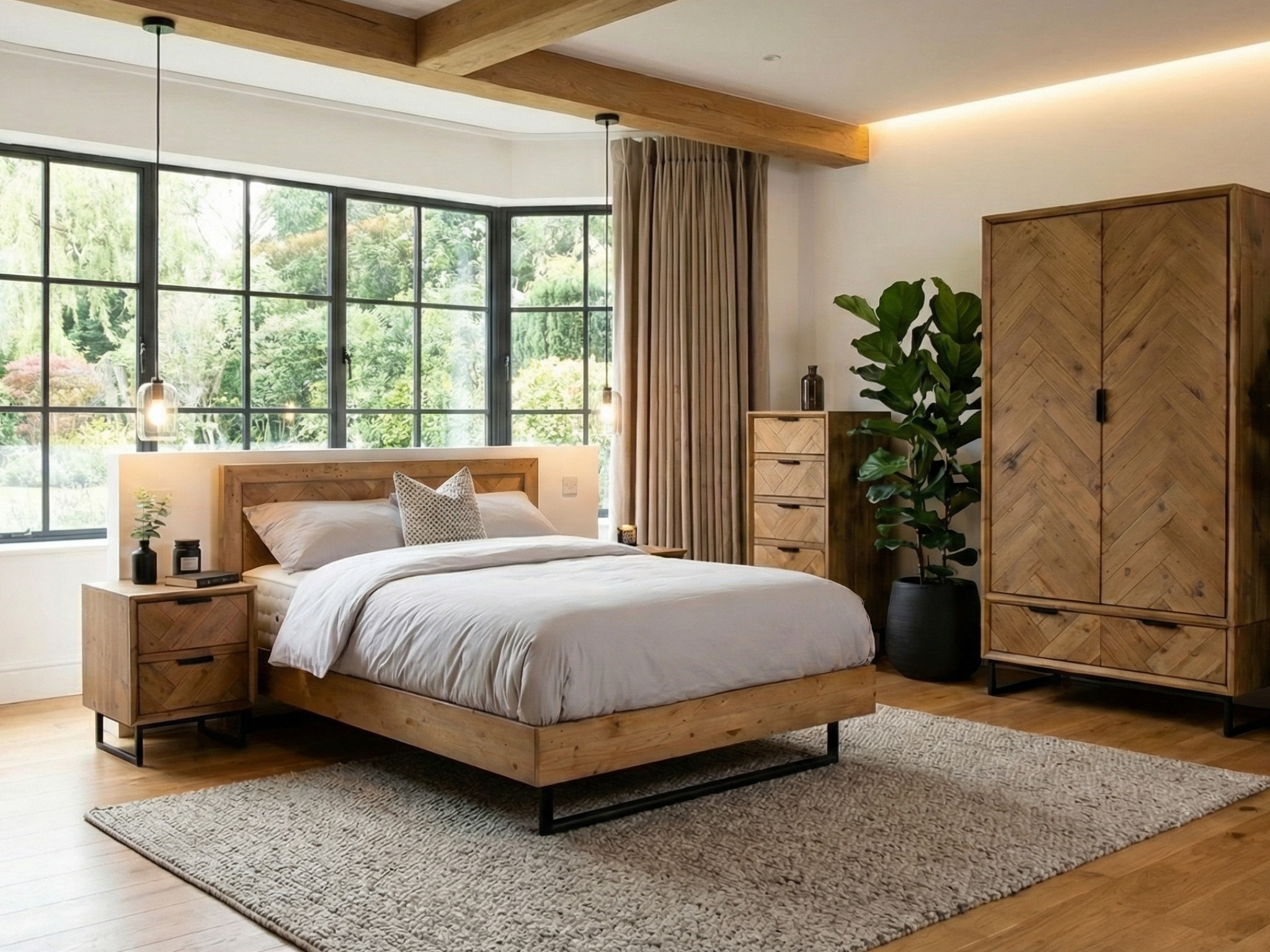
Reclaimed wood bedroom furniture - a bed frame, a bedside table, a chest of drawers - brings a bit of permanence to a room that's supposed to feel restful rather than styled to the minute. And you don't need a whole room in it for reclaimed wood decor to register. A single shelf or mirror frame carries the same texture without the commitment of replacing everything else.
The trick, if there is one, is contrast. Pair it with stone, linen, black metal, ceramics - materials that don't compete with the wood but don't just echo it either. A room built entirely from timber tends to feel flat. One with a single well-placed reclaimed piece against something harder or softer tends to feel deliberate.
Why It Holds Up Over Time
Furniture trends move fast, and a lot of pieces are designed to chase whatever's current rather than to last. Reclaimed wood works differently. It's already survived one lifetime - as flooring, structural beams, pallets, railway sleepers - before it becomes furniture, which means the grain depth and character are genuine rather than something applied with a stain or a distressing tool.
There's a practical side to this too. Solid reclaimed timber can be sanded and refinished if it shows wear - our care guide covers how - so a piece bought for one look can often be reworked to suit a different one later, rather than needing to be replaced outright. Mass-produced furniture rarely offers that, and it's usually built around a specific trend and priced to be swapped out once that trend passes.
For a closer look at how that plays out against furniture made from new wood, how reclaimed wood compares to new wood goes into more depth. A reclaimed wood piece was never tied to a single moment in interior design, so it doesn't fall out of step with one either - which is also part of why it sits so comfortably alongside sustainable furniture and eco-friendly furniture choices built around longevity rather than turnover.
Reclaim Nation has been working with reclaimed pine and elm for nearly 30 years, and if there's one thing that's held constant, it's that the styling around the wood changes far more than the wood itself ever needs to.

Mayflower Round Nest Iron Coffee Table
A Few Things Worth Clearing Up
It only works in rustic spaces. Not anymore - the material adapts to whatever's built around it.
It's a passing trend. The opposite, really. It's been a consistent choice for decades. What shifts is which interior styles it gets paired with.
It won't suit a small flat. One coffee table or a set of shelves brings warmth to a compact space just as well as a full room does.
Frequently Asked Questions
Does reclaimed wood furniture suit modern interiors?
Yes. Paired with a lighter palette and simple silhouettes, it reads as contemporary rather than rustic.
What's the difference between reclaimed wood and distressed new wood?
Distressed new wood is finished to look aged. Reclaimed wood has actually lived a previous life, so the grain and markings are genuine rather than applied.
Can reclaimed wood work in a small space?
Yes. A single anchor piece, like a coffee table or sideboard, adds warmth without needing a whole room furnished in it.
What wood does Reclaim Nation use?
Reclaimed pine and elm, sourced from old floorboards, pallets, railway sleepers and manufacturing offcuts. The journey of our reclaimed wood covers where it comes from in more detail.
Interior trends will keep moving, the way they always do. Reclaimed wood's advantage isn't that it sits outside that cycle - it's that it's flexible enough to move with it, which is a harder thing for most furniture to pull off.
Browse the full range, including bed frames and sideboards - each piece made from reclaimed timber and built to outlast whatever's trending this season.

Leave a comment
This site is protected by hCaptcha and the hCaptcha Privacy Policy and Terms of Service apply.