




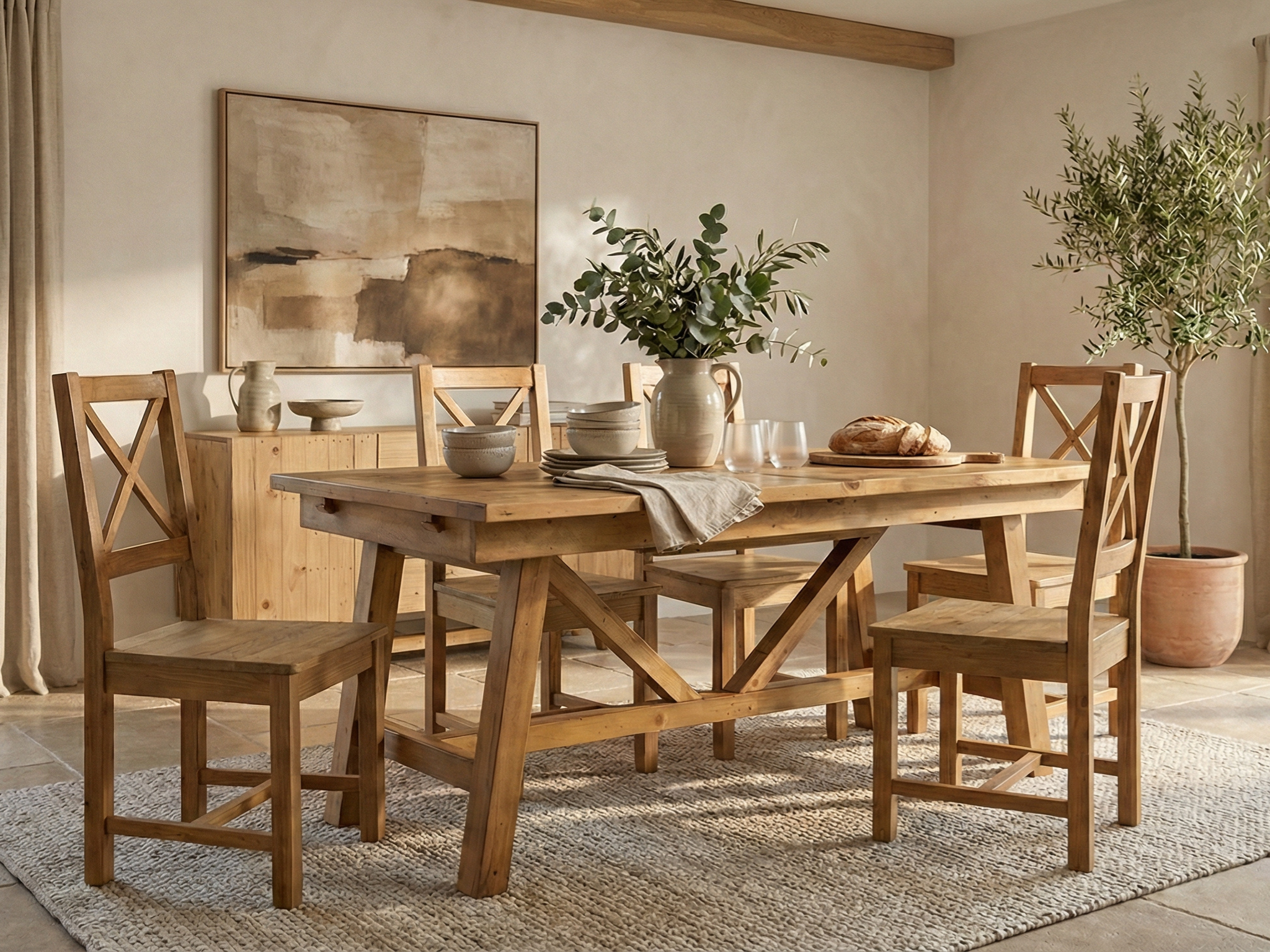

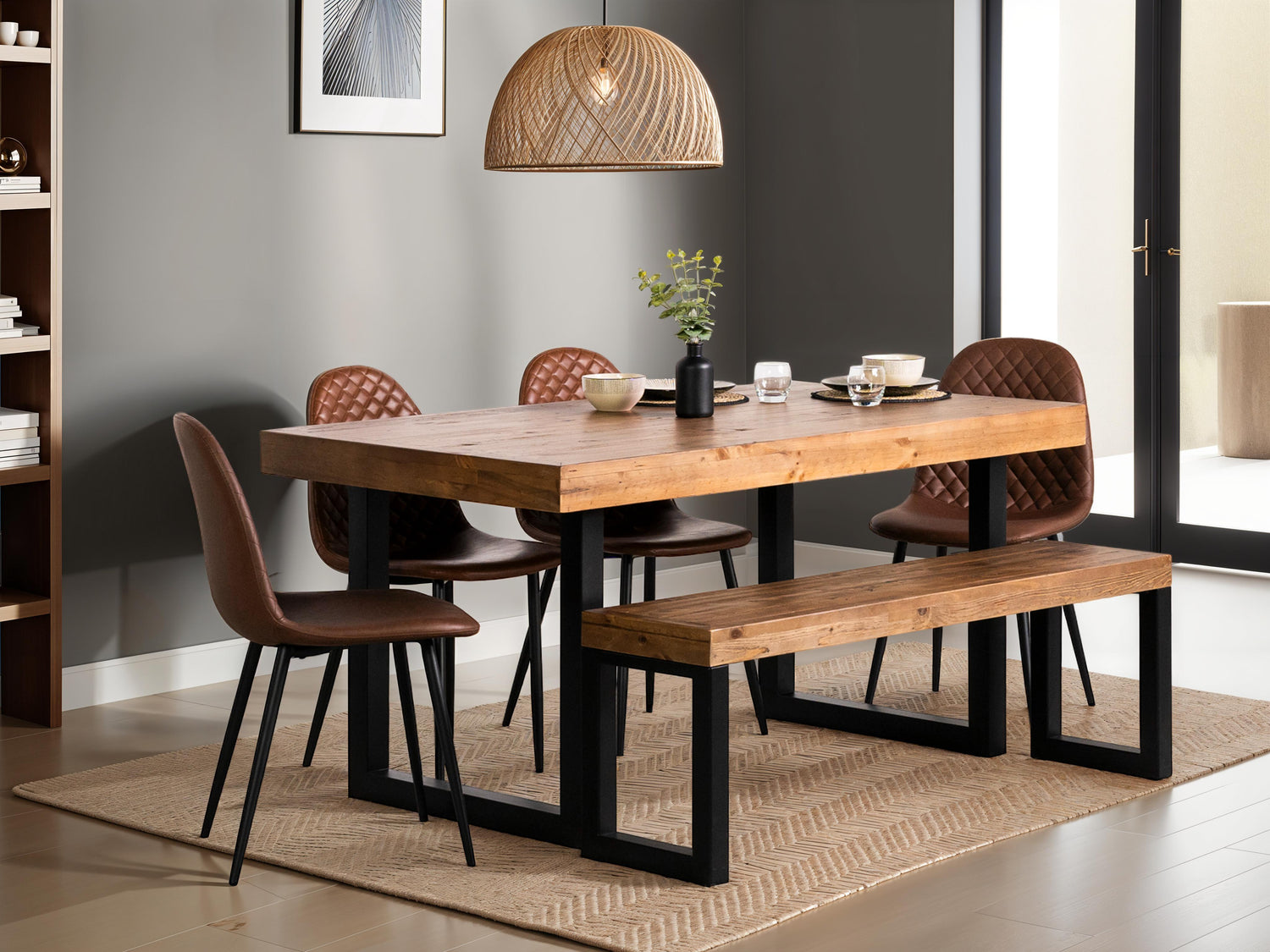
Furniture trends move fast. A colour, shape, or finish can feel like the obvious choice one year and strangely dated within two or three. That doesn't mean trends should be ignored altogether - it means learning to tell a passing look apart from a design choice with real staying power.
The best timeless furniture trends are rarely about following what's fashionable right now. They're about choosing pieces that are well made, easy to live with, and versatile enough to keep working as your home changes around them. If you're furnishing with the long term in mind, here's what actually holds up - and what tends to date fast.
What Makes Furniture Timeless Rather Than Just Old
Timeless doesn't mean old-fashioned. It means durable, adaptable to a room that will keep changing around it, properly constructed, and able to wear well rather than simply wear out. Furniture that does those things still looks considered decades later. Furniture that doesn't just look like whichever year it was bought in.
That's rarely about choosing formal or traditional furniture specifically. A contemporary piece can have just as much staying power when it's built around the same qualities rather than chasing a look. A few practical questions get you there faster than browsing by style: is it made from something that can genuinely stand up to everyday use? Would the shape still make sense if you redecorated? Does it have enough character to stay interesting without needing to dominate the room?
Solid Craftsmanship and Character That Ages Well
Composite boards and veneers are built to look good on day one. They're not really built to look good on year ten - once the surface chips or the finish wears through, there's rarely anything worth keeping underneath.
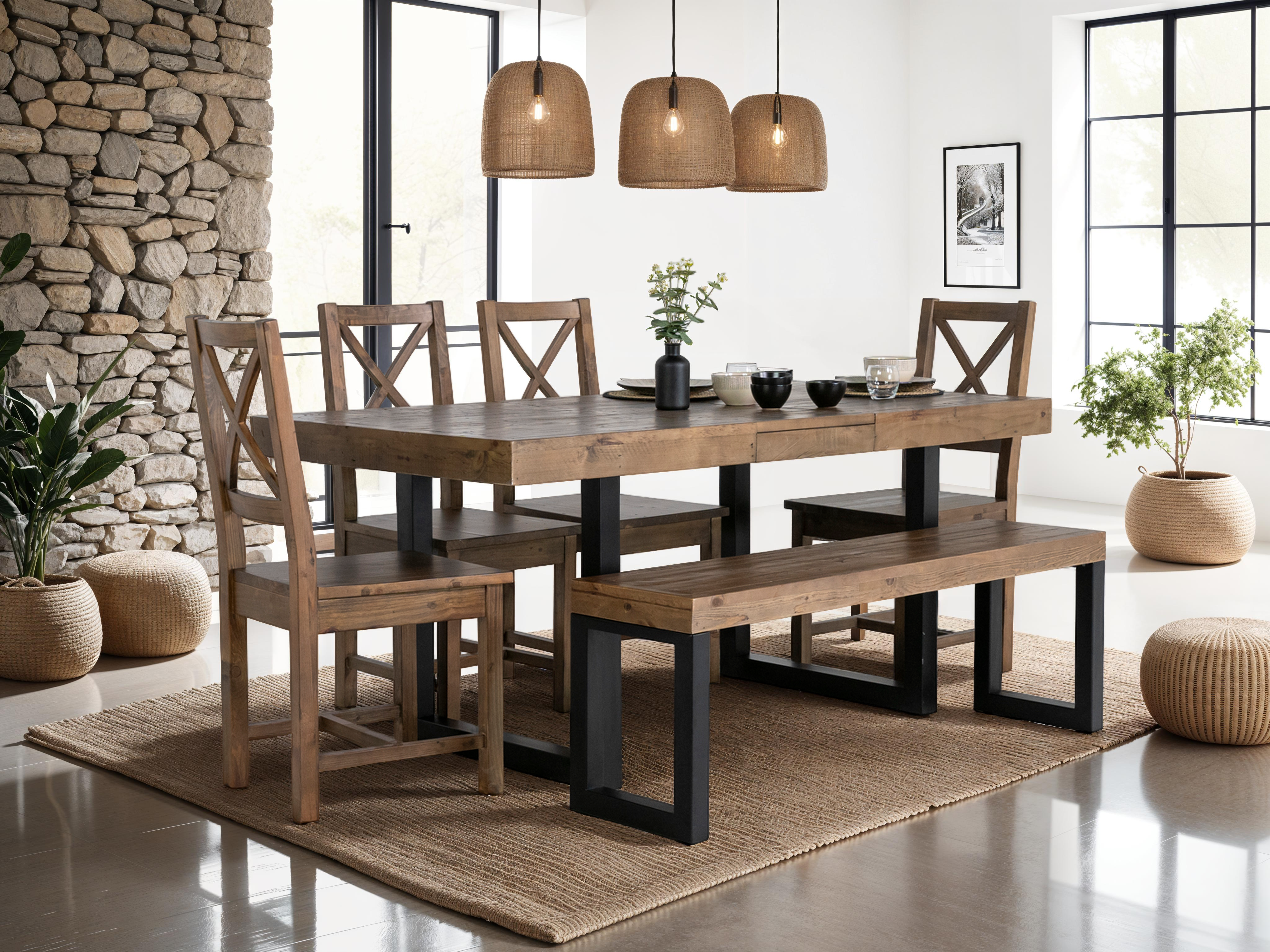
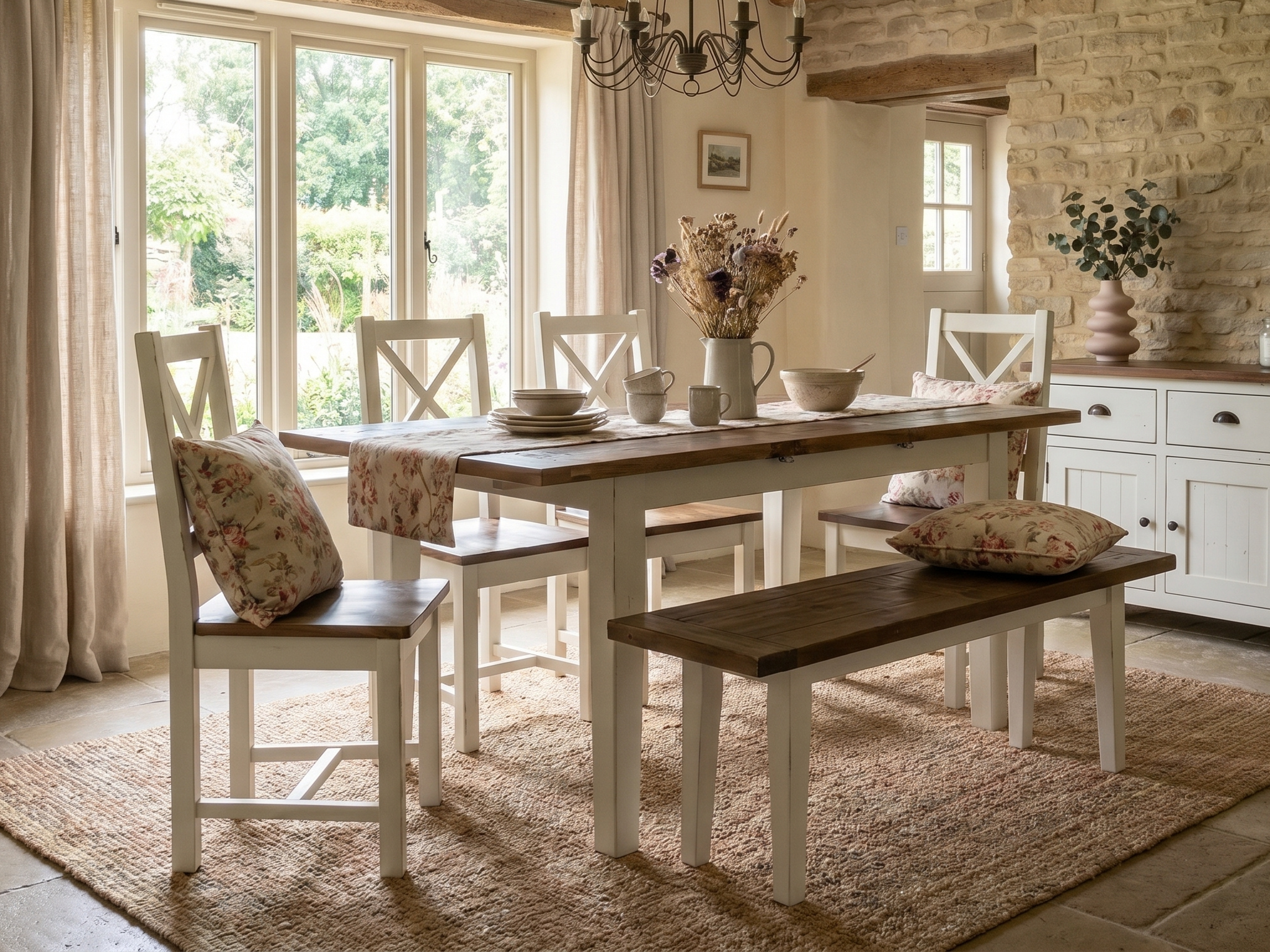
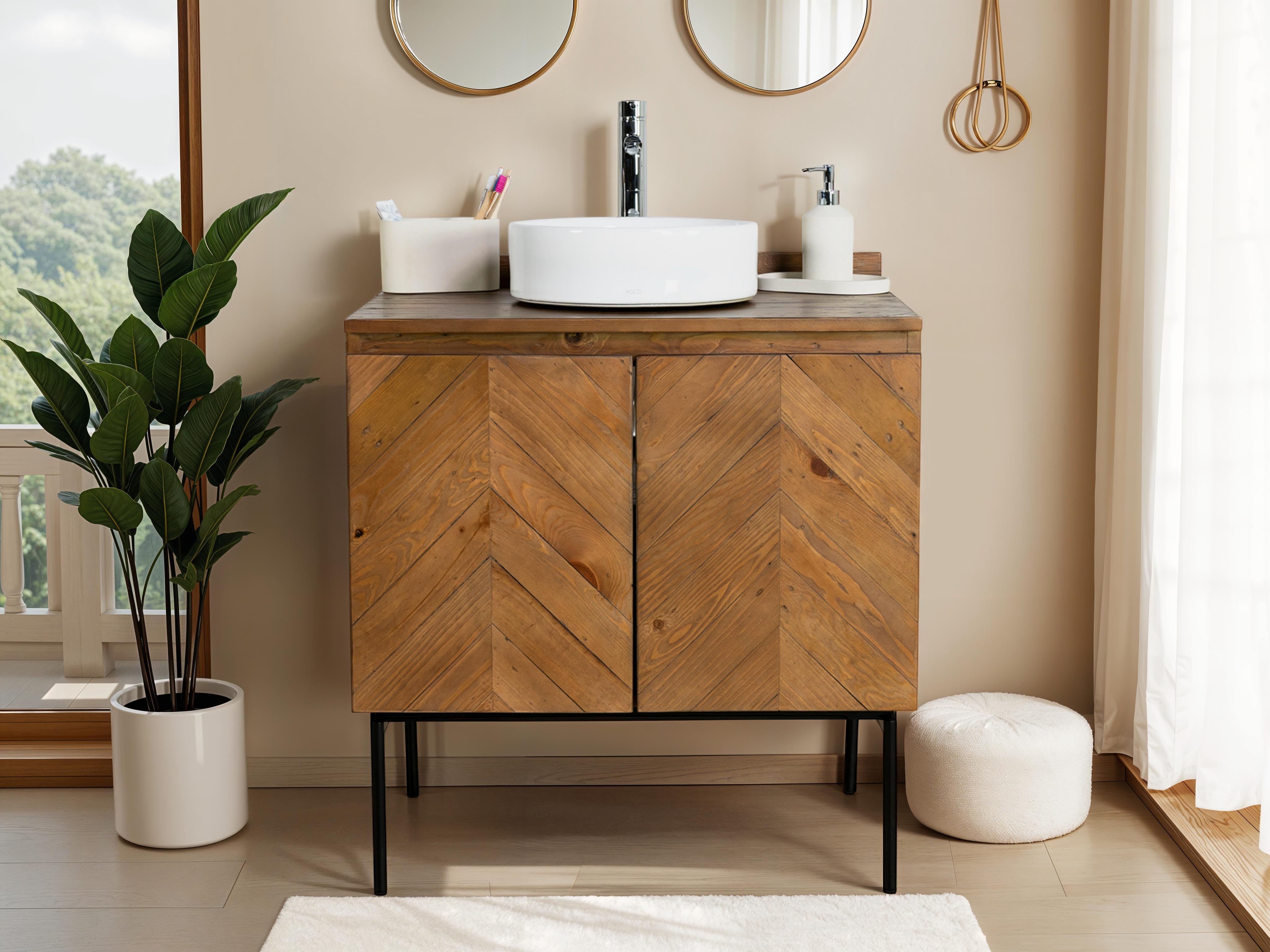
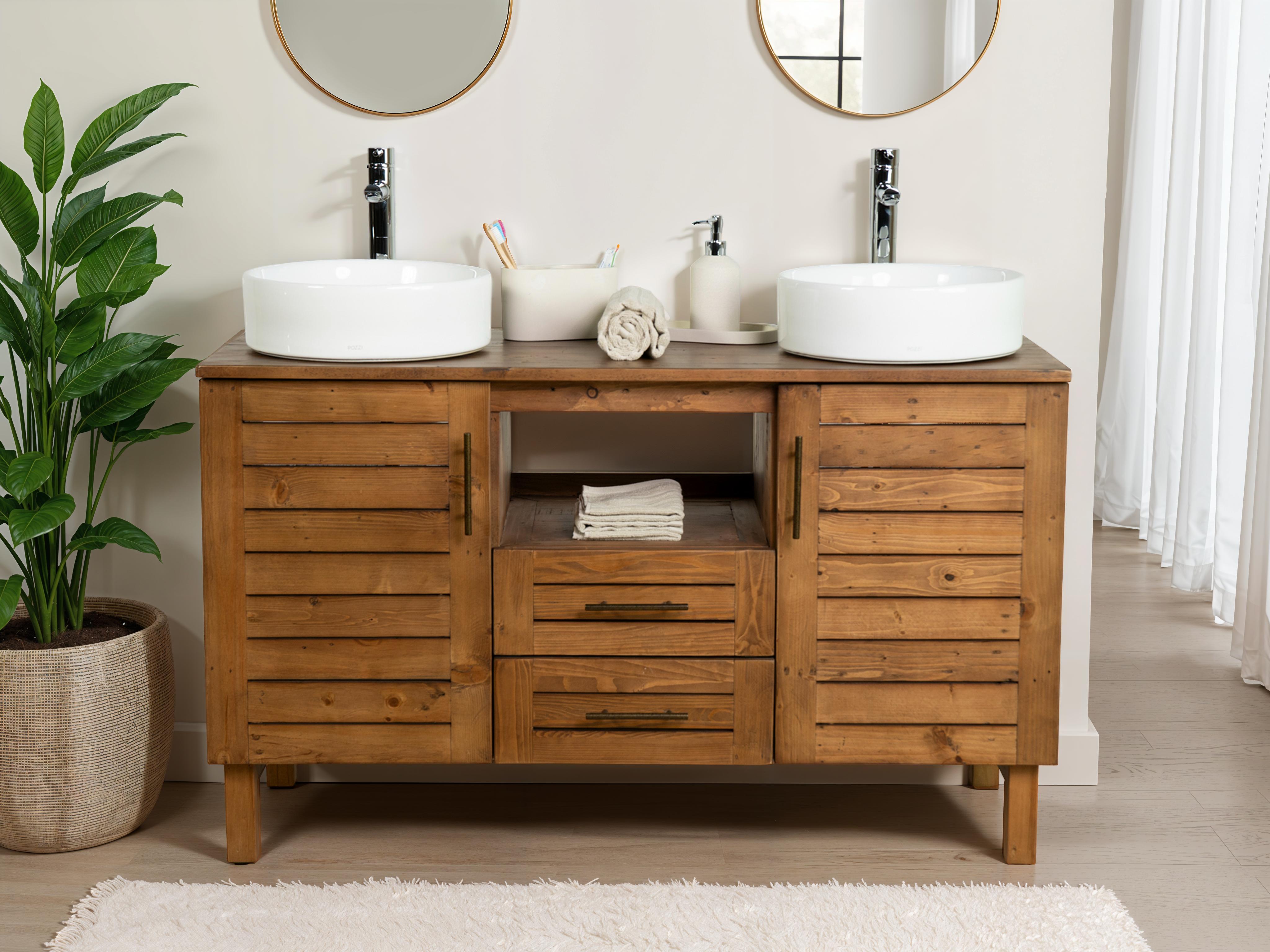
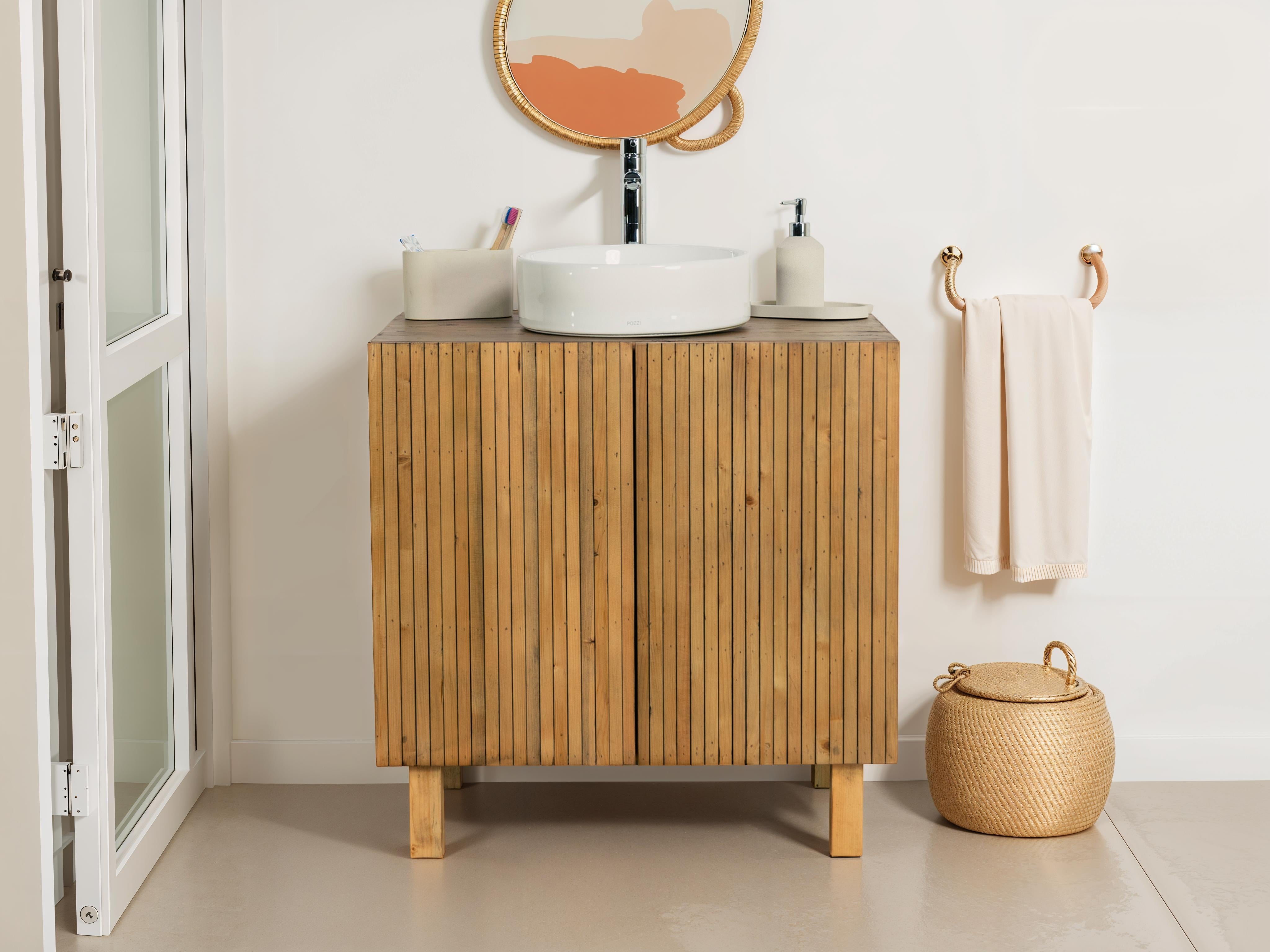
Reclaimed wood works differently, and that's really the whole appeal. Marks, grain variation and differences in tone give each piece its own character, so signs of age become part of what makes it interesting rather than something to hide. At Reclaim Nation, our furniture is built primarily from pine and elm, reclaimed from old floorboards, pallets, railway sleepers and manufacturing offcuts rather than freshly felled timber. Reclaiming actually hardens pine through the process, giving it a density its softwood reputation doesn't suggest, while elm carries a richer grain that becomes more pronounced with age.

Good craftsmanship rarely goes out of style either. Look past decorative detail and pay attention to how a piece is actually built - the stability of a table, the quality of drawer runners, whether the finish sits close to the wood or sits on top of it as a coating. At Reclaim Nation, finishes are applied by hand in our Bristol workshop rather than sprayed on in a single automated pass, and every piece is quality-checked at each stage. With nearly 30 years of designing and selling furniture, that approach hasn't really changed, because the pieces that hold up over decades are the ones built the first time properly.
Classic Silhouettes and Neutral Palettes
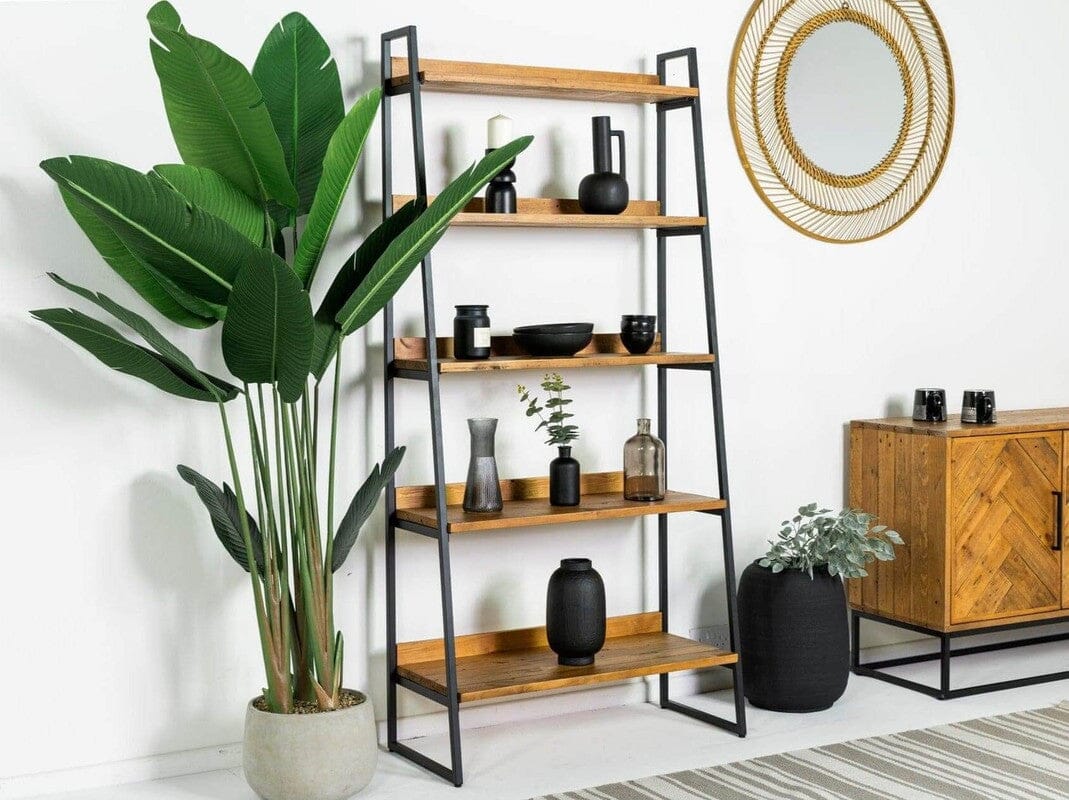
Elaborate detailing tends to anchor a piece firmly to whatever era produced it. Heavy carving and statement hardware read as striking at first and specific to a moment soon after. Furniture with a simpler silhouette has more room to move - a straightforward dining table or a clean-lined sideboard doesn't fight against whatever's around it, which is why it can sit through several redecorations without ever needing to be replaced.
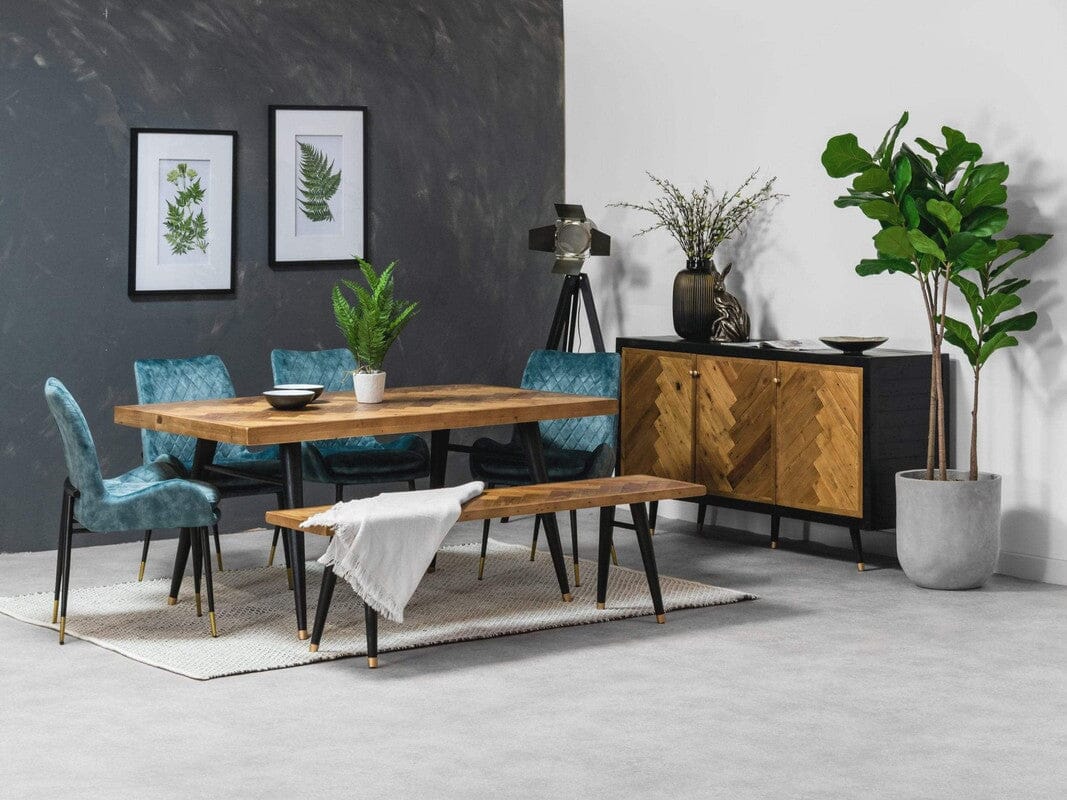
This is also why mixing styles tends to work so well in practice. A reclaimed-wood table can sit comfortably alongside contemporary chairs. A traditional-looking storage chest can work in a modern bedroom. Timeless interiors don't need to match perfectly - rooms often feel more genuine when the furniture in them has been collected over time rather than bought in one visit.
Neutral colours support the same idea. Warm whites, soft greys, taupes and natural wood tones create a foundation that's easy to update, since changeable colour can come through cushions, rugs and artwork rather than the furniture itself. Natural wood is particularly useful here - its grain and tone variation add warmth without relying on a specific colour trend, and it sits comfortably against both warm and cool palettes as a room's colour scheme shifts over time.
Vintage Character That Doesn't Feel Dated
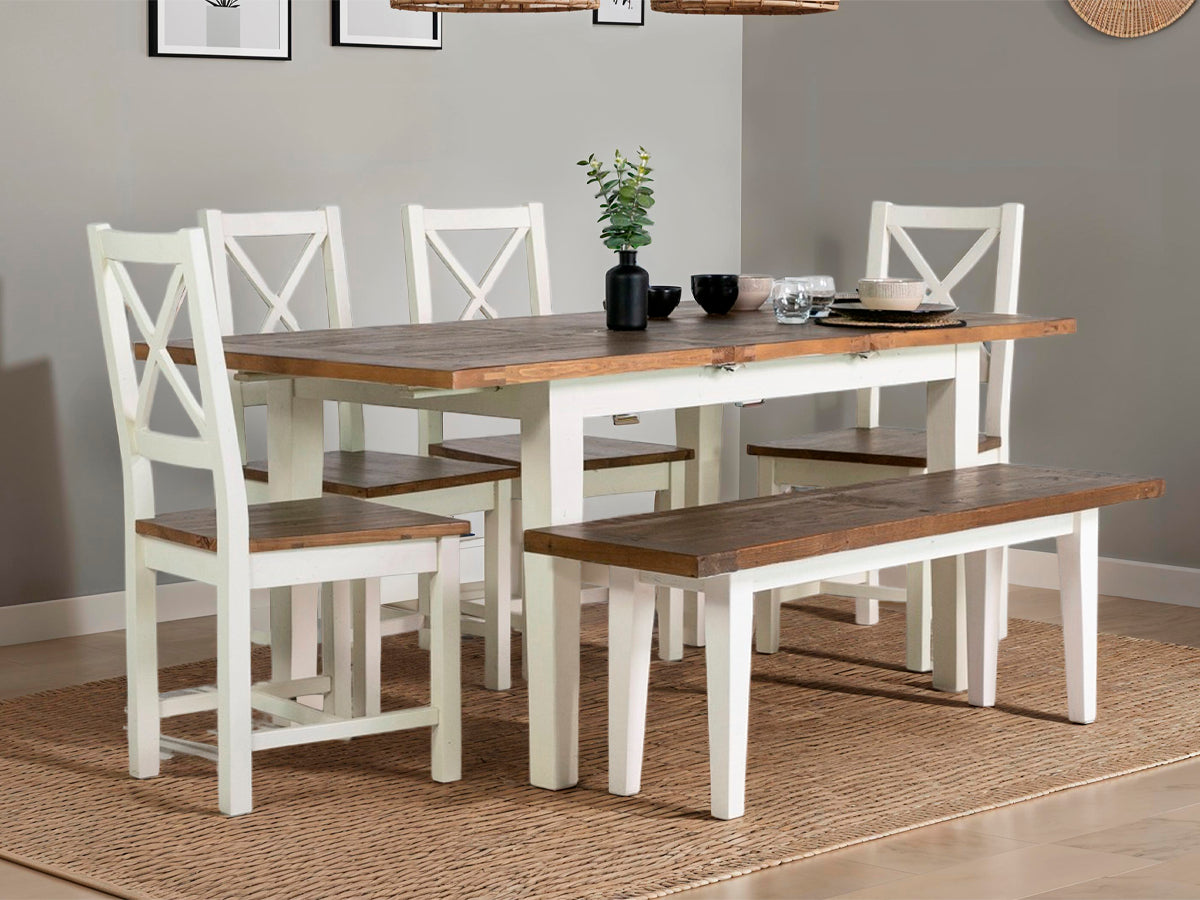
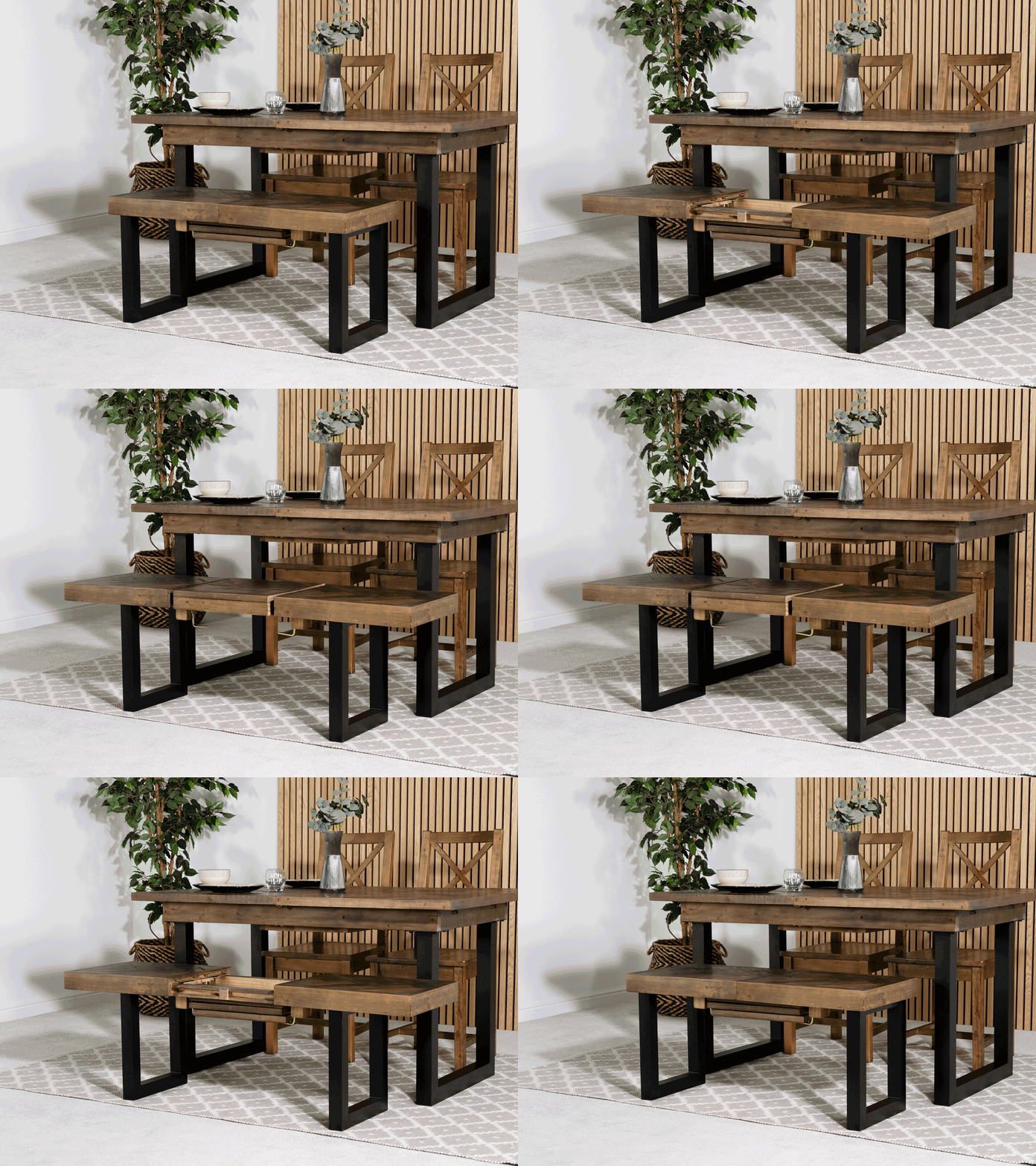
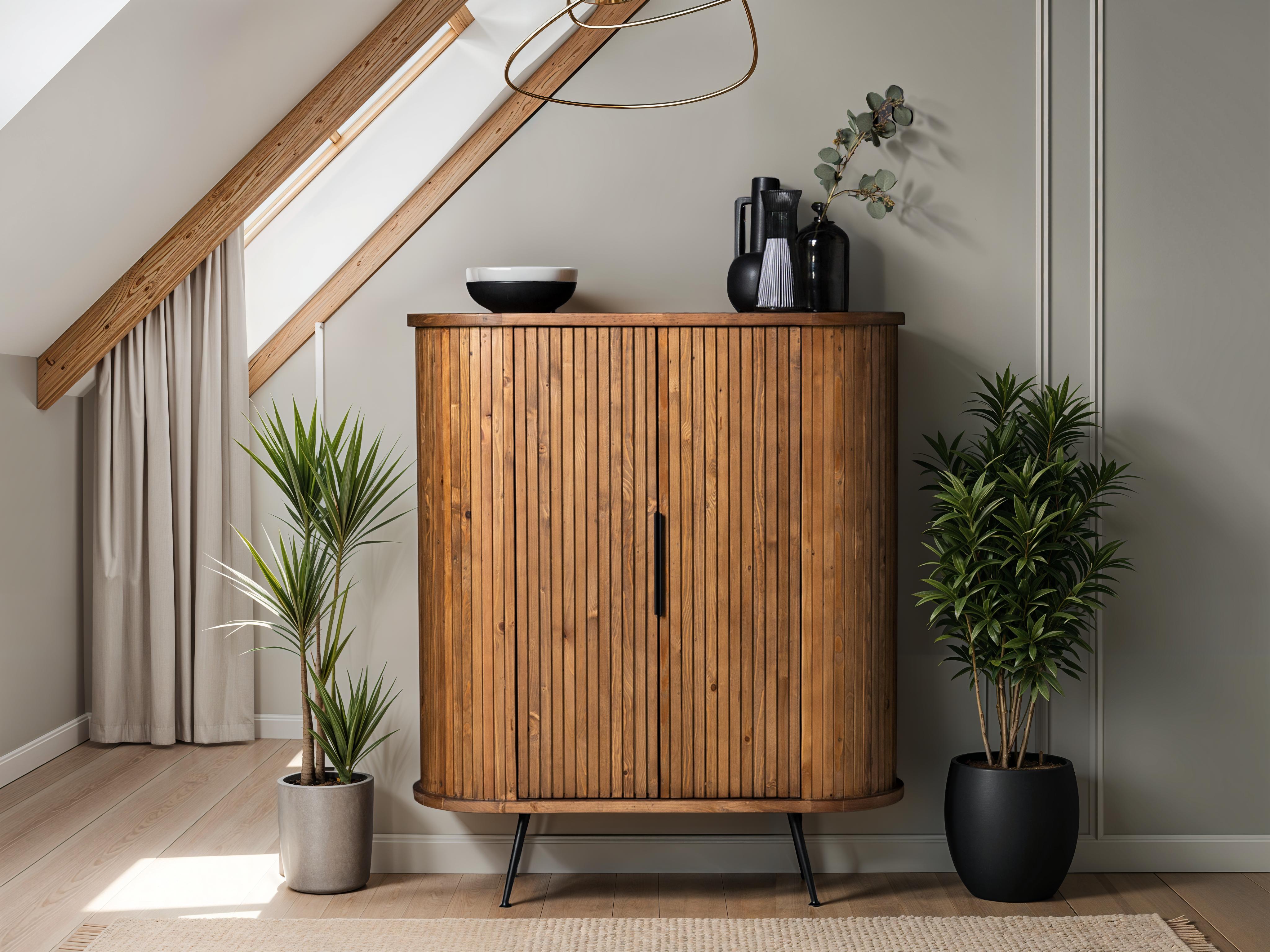
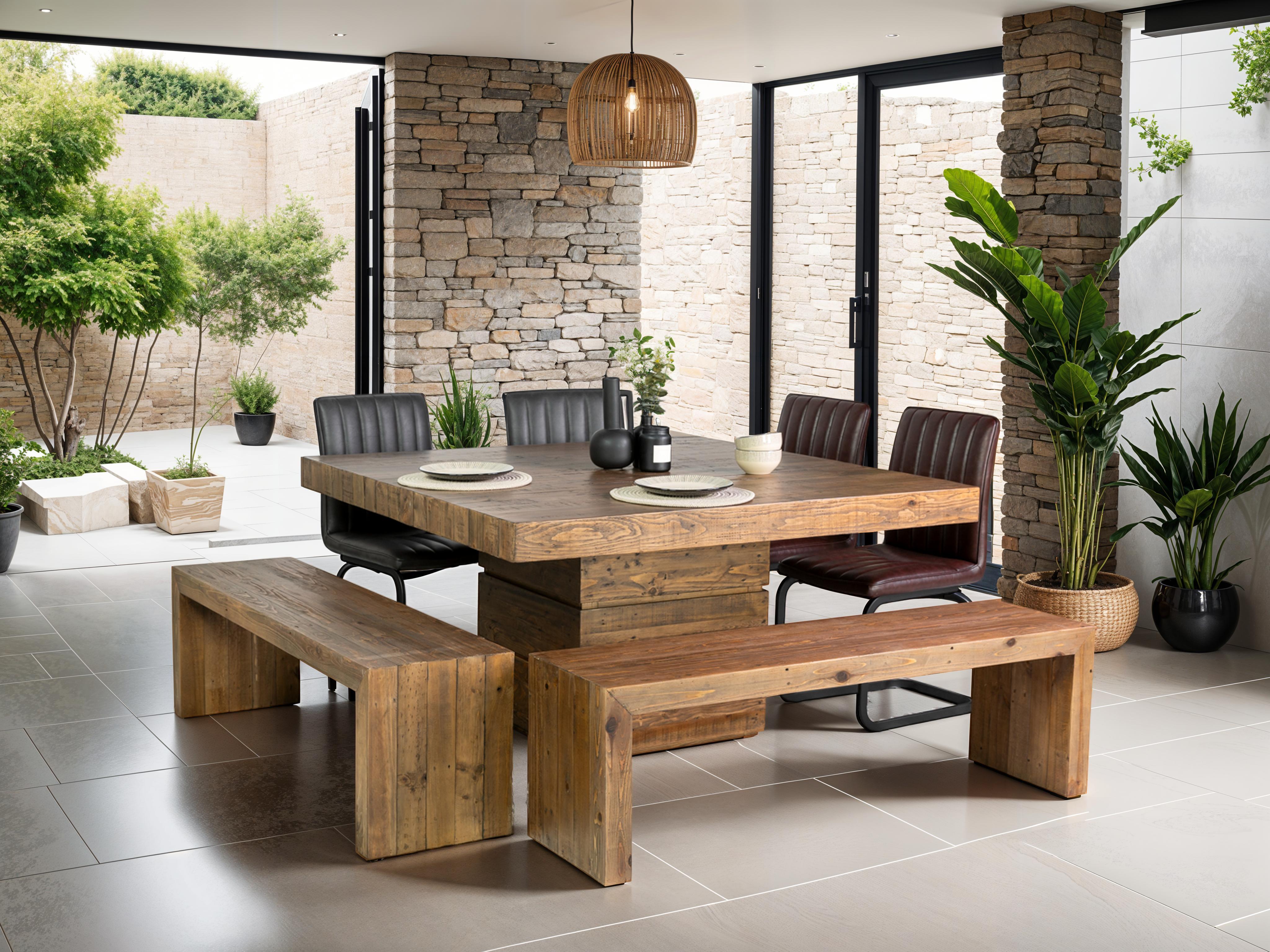
Vintage furniture trends get talked about as though they cycle in and out of fashion, but what actually gives an older piece its appeal was never really about trend timing. It comes down to individuality and history - a vintage-inspired or reclaimed piece stops a room from feeling as though everything in it was bought on the same afternoon. Wooden storage pieces, substantial dining tables, dining benches, and simple cabinets have been used in homes for generations because their purpose hasn't changed, even as the styling around them has moved on repeatedly.
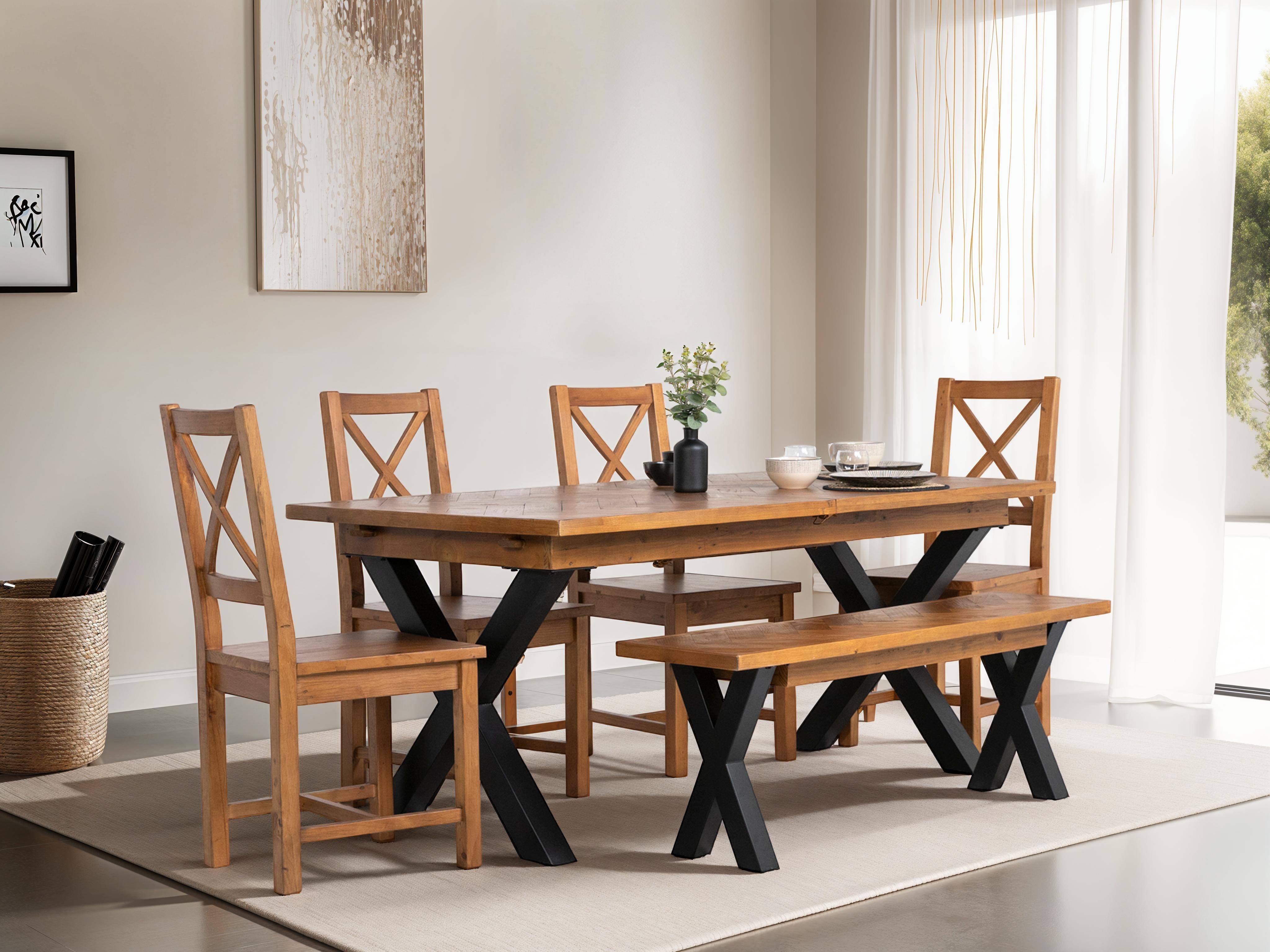
Some materials are valued for their ability to remain pristine. Wood belongs in the other category - it becomes more interesting as it's used, not less. Reclaimed wood already carries a sense of history, which makes further marks from daily life feel like a continuation of that story rather than damage to be corrected. Solid timber can also be sanded and refinished if it does show real wear, which is part of why a well-made piece rarely needs replacing just because it no longer looks brand new.
Choosing Furniture for the Long Term
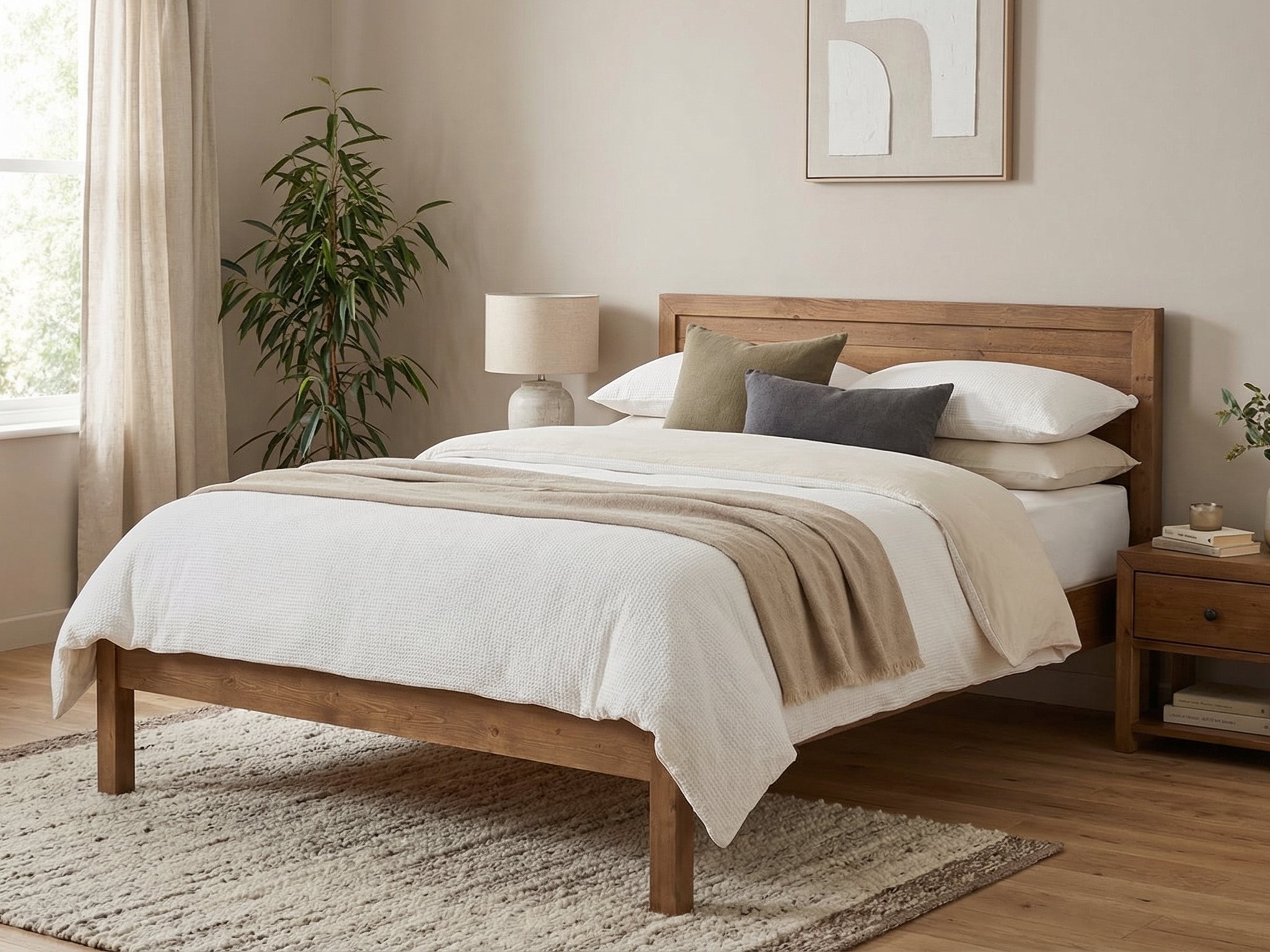
Not every piece in a home needs to be a long-term investment. Cushions, throws and smaller accessories can change with your taste far more cheaply than furniture can. But a handful of pieces are worth choosing with real longevity in mind, since they're expensive to replace and central to how a room actually functions - a bed frame, a dining table, a sideboard.

A few questions tend to separate a piece that will last from one that won't. Is it solid material or a composite with a veneer on top - ask directly if it isn't obvious, since solid timber can be sanded and refinished where most composites can't. Would the shape still make sense in ten years, or does the appeal rest almost entirely on how current it looks right now? Is the finish showing the material or masking it with a flat, trend-led colour? And can you actually see the craftsmanship - joints and construction details visible on inspection are usually a good sign the piece was made to be looked at closely, not just photographed once.
It's also worth thinking beyond your current decorating scheme. Would a piece still work if you changed the wall colour, moved it to another room, or introduced a different style of accessories around it? A bench or a set of wardrobes chosen with that flexibility in mind tends to move between roles more easily than something bought to match one specific look.
If you're planning a wider refresh rather than a single piece, our look at interior design trends shaping homes in 2026 covers the broader picture, and our comparison of reclaimed wood furniture vs new wood furniture goes further into why solid, reclaimed material tends to outlast the alternative.
Frequently Asked Questions on Timeless Furniture Trends
What makes a piece of furniture timeless rather than just old?
A combination of solid material, a simple shape, and visible craftsmanship. Timeless pieces still look considered decades later, while dated pieces tend to look tied to whichever year or trend cycle produced them.
Is reclaimed wood furniture a timeless choice?
Yes. Because it's already lived one working life before becoming furniture, reclaimed timber carries grain, texture, and character that doesn't rely on being fashionable to look considered.
Do timeless furniture trends mean everything has to be plain?
No. Simplicity in shape helps a piece age well, but that doesn't rule out character - grain variation, natural finishes, and visible craftsmanship all add personality without dating the piece.
Which furniture is worth investing in for the long term?
Larger, harder-to-replace pieces tend to matter most - a bed frame, a dining table, a sideboard. Smaller accessories like cushions or throws are far cheaper to change with your taste over time.
How can I tell if a piece is solid wood or a composite?
Ask directly if it isn't clear from the listing. Solid timber can be sanded, refinished, and repaired over time. Most composite boards and veneers can't be restored in the same way once they're damaged.
Do timeless pieces need to match the rest of my furniture exactly?
No. Rooms built up over time, with a mix of tones and styles rather than a perfectly matched set, tend to feel more considered and less like everything was bought on the same day.
A timeless approach to furniture isn't really about avoiding change. It's about choosing the pieces you won't need to replace every time your own taste does.
Explore the full Reclaim Nation collection to find pieces built to last well beyond a single trend cycle, each one handmade from solid reclaimed timber.

Leave a comment
This site is protected by hCaptcha and the hCaptcha Privacy Policy and Terms of Service apply.