
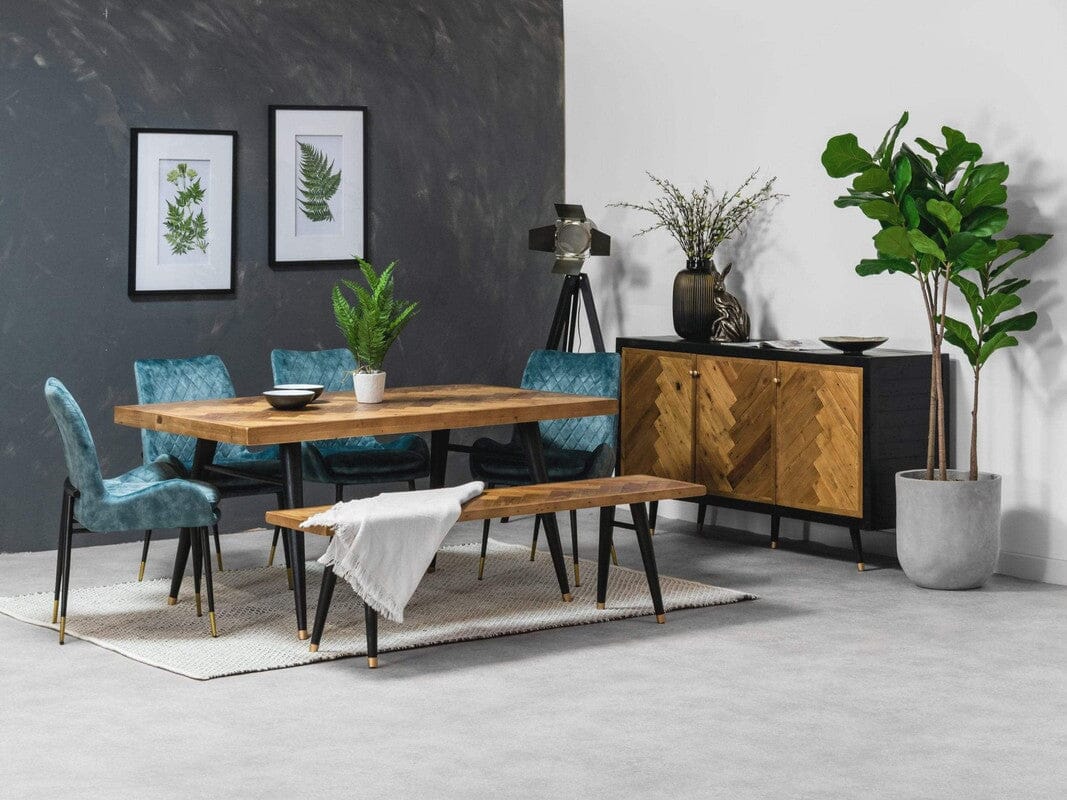
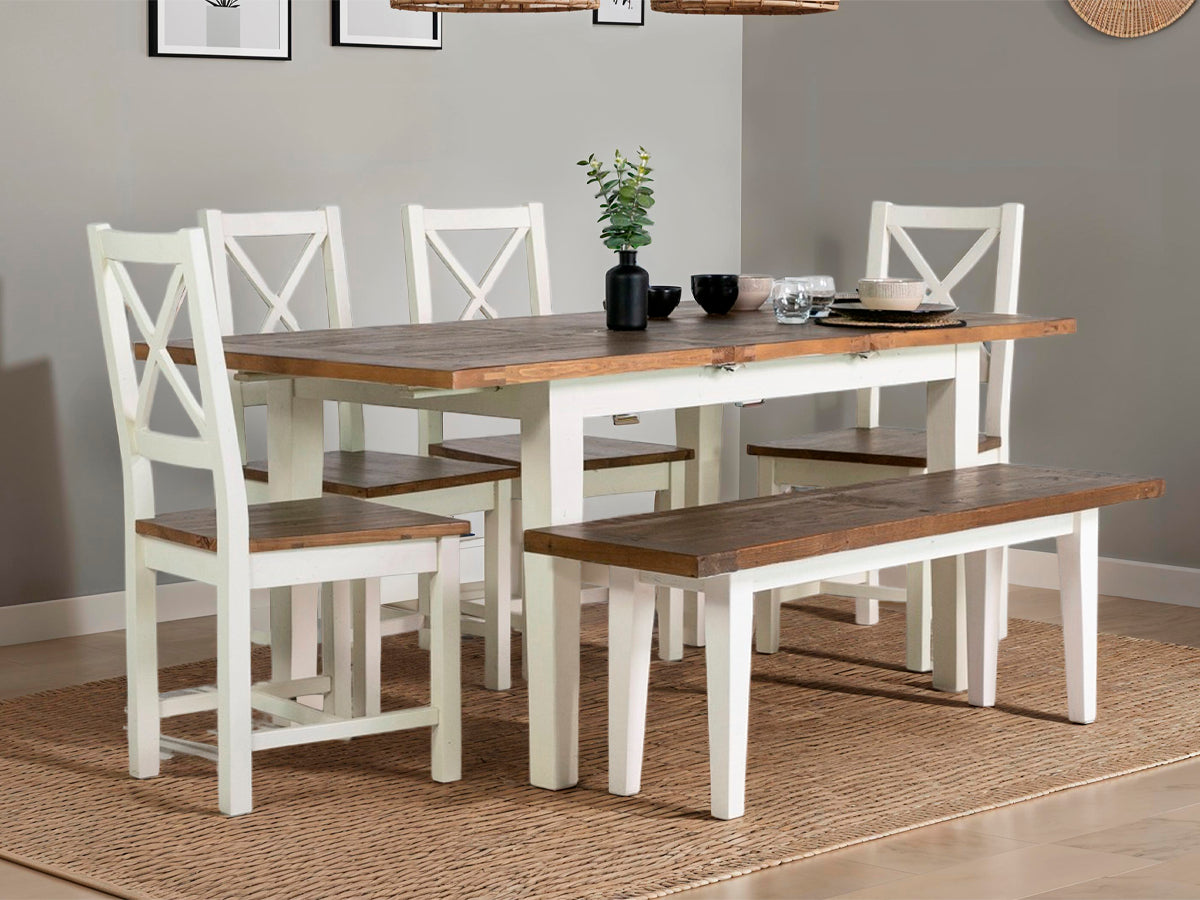
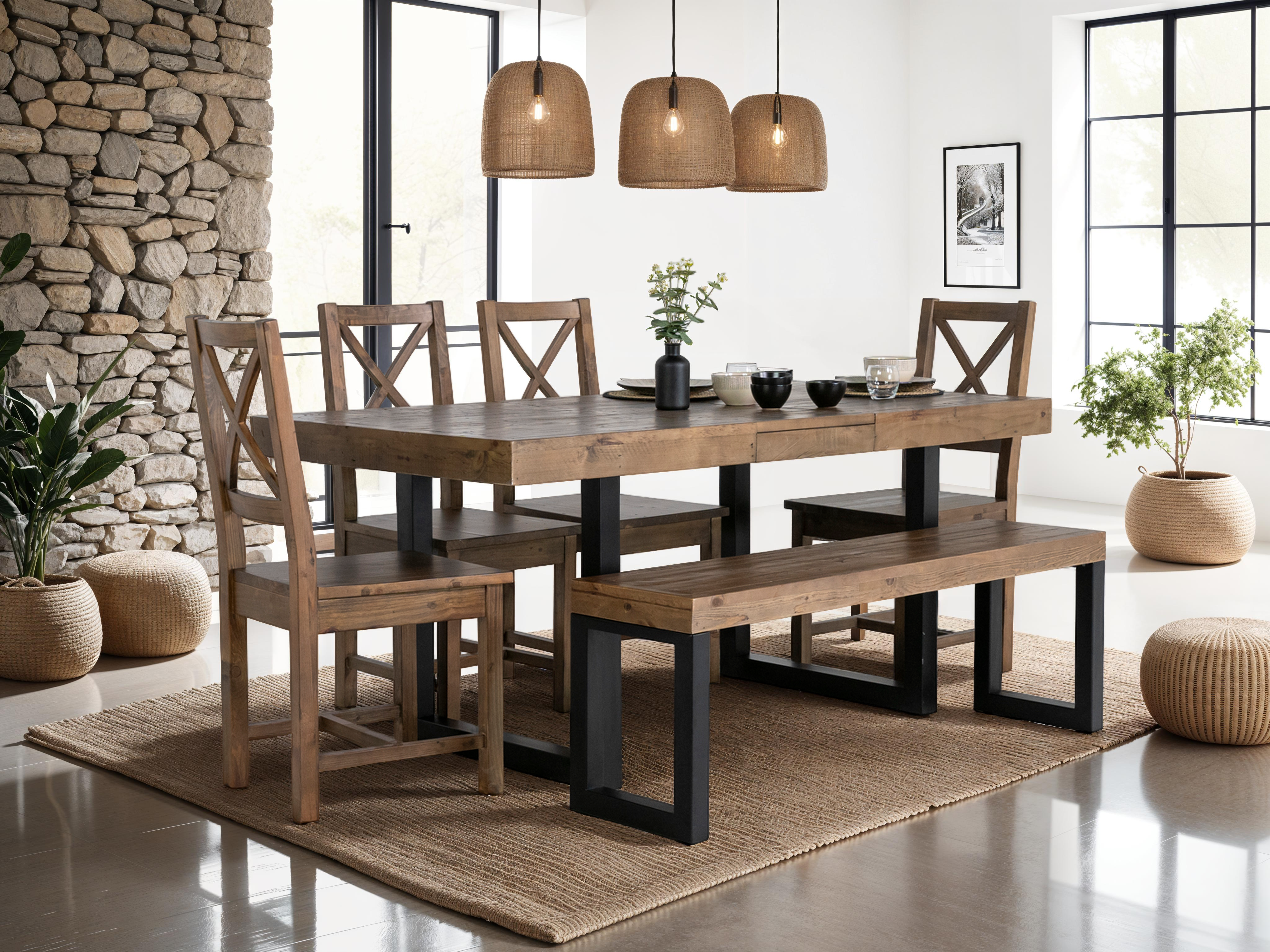
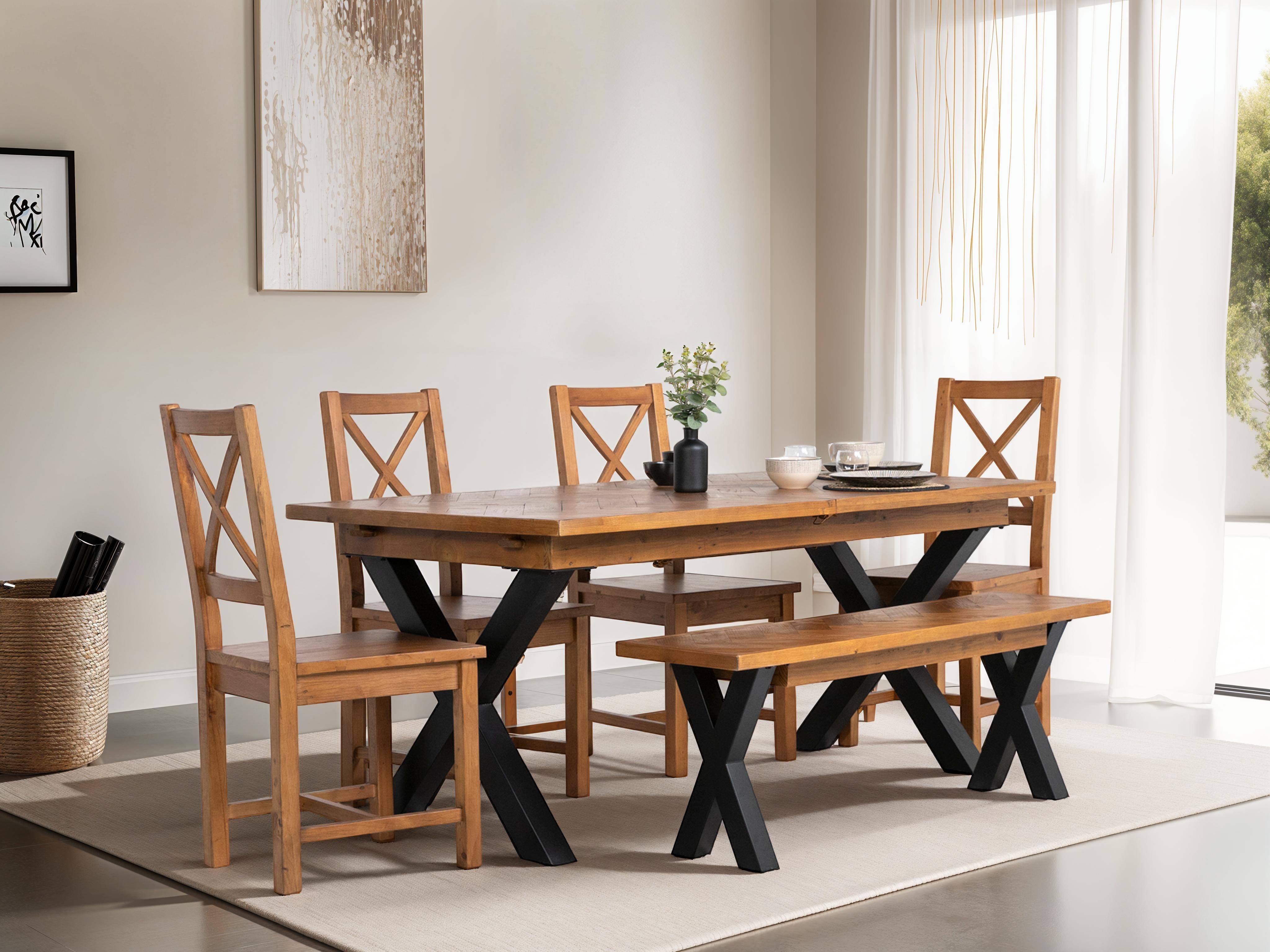




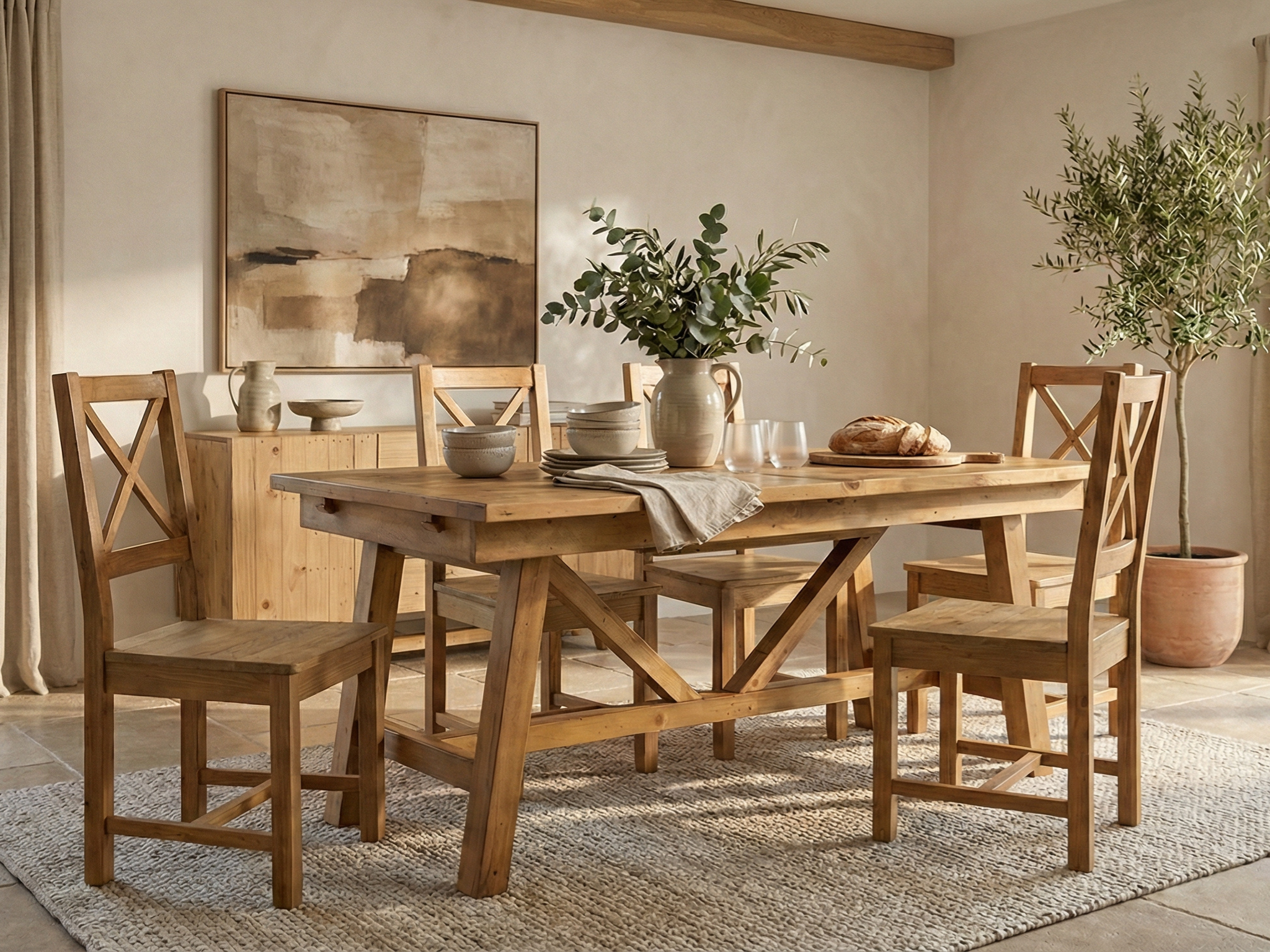

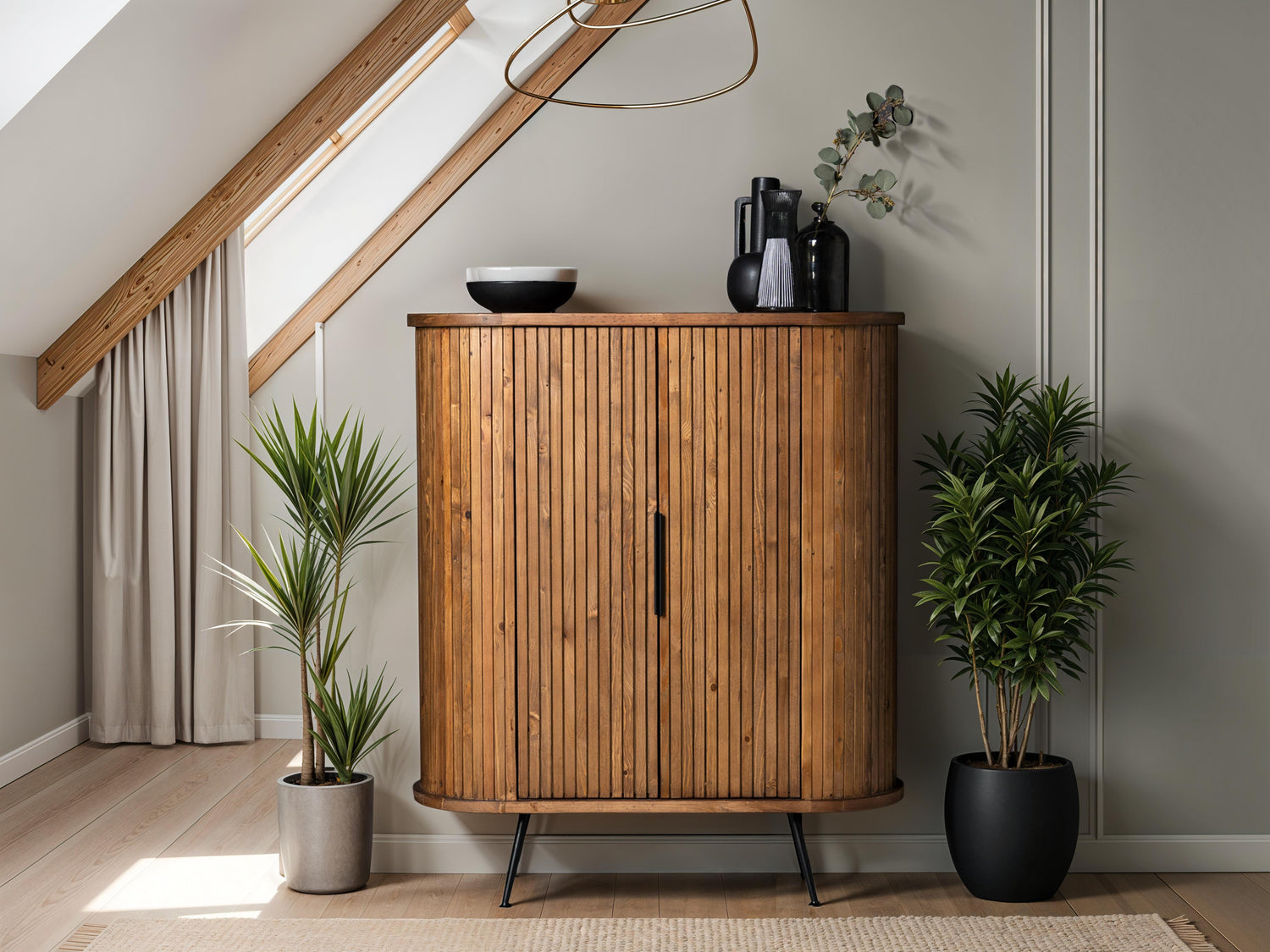
Rather than being defined by one dominant look, interior design trends in 2026 are centred on something quieter - spaces that feel personal, comfortable and built to last. Natural materials, timeless furniture and a more considered approach to decorating are shaping most of what's actually gaining ground this year, not a single colour or silhouette.
These aren't passing social media trends. They're longer-term shifts that were already visible earlier in the year and, if anything, are picking up pace rather than fading as 2026 moves into its second half - with every sign of carrying into 2027 rather than resetting. Here's what's genuinely driving them, room by room, and how to bring it home without starting from scratch.
Natural Materials Continue to Lead 2026 Interiors
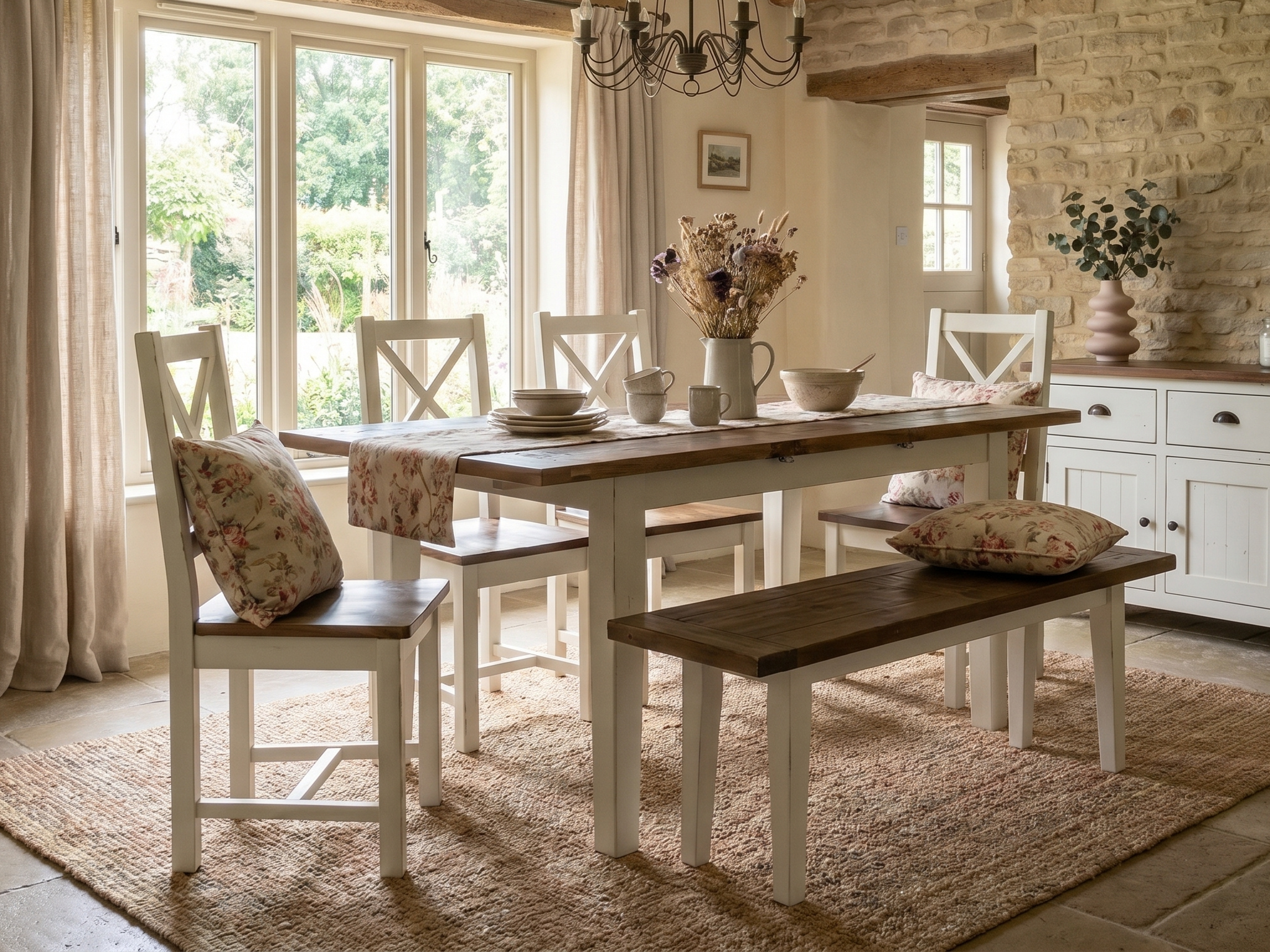
Wood, linen, wool, and other tactile materials have been building momentum for a few years now, and this year, 2026, is where that momentum settles in properly rather than fading. These materials bring warmth and texture into a room in a way that smoother, more uniform surfaces can't, and they work across a genuinely wide range of styles - Rustic, Industrial, Scandinavian, Japandi, and more contemporary schemes all lean on the same underlying idea.
Reclaimed wood adds a further layer to that. Every plank carries its own grain pattern, colour variation, and small marks built up over decades before it ever became furniture, which makes it a natural fit for homes that value individuality over uniformity. At Reclaim Nation, that character comes through in how pieces are finished - by hand, using either a natural water-based coating or a whitewash, both of which let the grain of the pine and elm underneath stay visible rather than sitting a flat colour on top of it.
Textiles are following the same logic. Recycled fabrics and upcycled textiles are increasingly being used to soften a room rather than simply decorate it. Our Eco Sofa & Chair Collection reflects this shift, with upholstery crafted from recycled fabric, repurposed fibres or upcycled vintage cotton textiles that bring comfort, character and sustainability into modern living spaces.

Olive 2 Seater Ratchet Headrest - Eco Sofa
Furniture Built to Outlast a Trend, Not Follow One
One of the broader shifts sitting underneath 2026 interior design trends is a growing interest in furniture that outlasts a particular look rather than being replaced when the next one arrives. A statement colour or a new cushion is easy to change. A coffee table, sideboard or wardrobe is a different kind of decision - these pieces tend to stay in a home for years, which makes durability and genuine versatility matter more than chasing whatever's newest.
That doesn't mean plain. A piece with distinctive grain and real texture can still work through several changing colour schemes over its lifetime, provided the shape itself stays simple enough to adapt. Solid reclaimed wood also has a practical edge here - it can be sanded back and refinished if it shows wear, rather than replaced outright, which is part of why a piece bought today should still earn its place in a room well beyond 2026.
Warm, Earthy Colour Palettes for 2026
Colour trends move quickly, but the wider shift toward warmer, more grounded palettes looks set to continue. Soft neutrals, clay-inspired tones, muted greens and warm browns are creating a comfortable backdrop for both contemporary and more traditional furniture, and they pair naturally with timber - not as a single flat colour, but with genuine variation in grain and tone left visible rather than smoothed over.
The result tends to be a more relaxed interior where nothing needs to match perfectly. A sideboard a shade darker than the piece next to it, or a lighter bedside table against a richer bed frame, reads as collected rather than mismatched - closer to how most homes actually come together over time.

Softer Shapes and a More Personal Mix
Boxy, angular furniture is giving ground to rounder, more organic silhouettes, and it's one of the more practical shifts on this list rather than a purely visual one. A round dining table takes up less visual space than a rectangular equivalent, suits smaller UK dining rooms well, and tends to encourage conversation rather than a formal line-up of seats down each side.
Alongside softer shapes, homes are also leaning further into mixing old and new rather than coordinating everything to match. A characterful reclaimed piece can sit comfortably alongside more contemporary furniture and modern lighting, and there's no strict rule governing how the two are combined - which is part of the appeal. A home built from pieces chosen for their own sake, rather than to complete a single look, tends to feel more genuinely personal and holds up better as tastes shift.
Where 2026 Trends Show Up by Room
Living Room: Warmth Through Texture
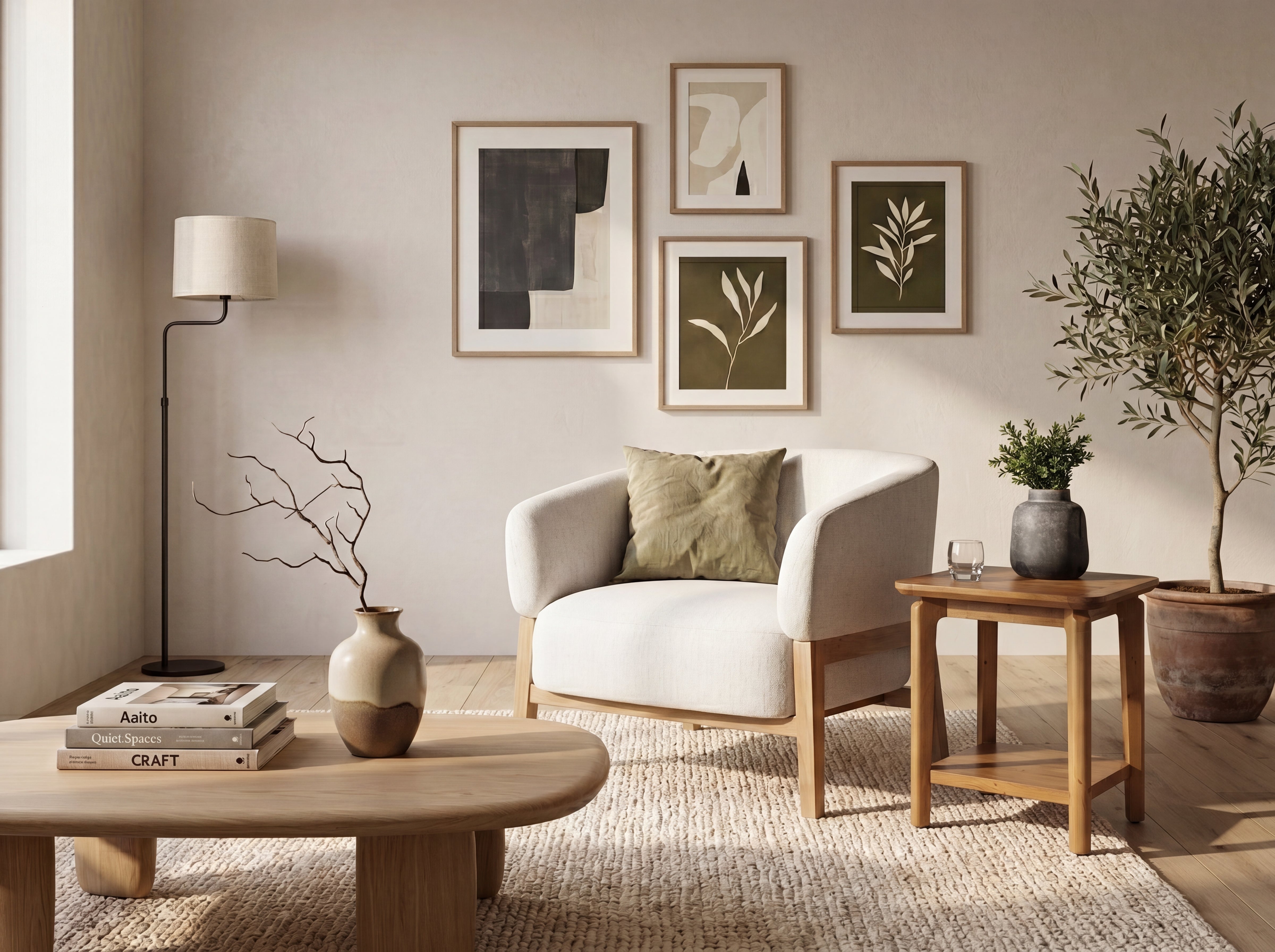
Living rooms are where texture and warmth tend to show up first. A coffee table with real grain variation, paired with a rug in a warm neutral tone, does more to shift a room's feel than a full furniture change.
Bedroom: A Calmer, More Natural Retreat
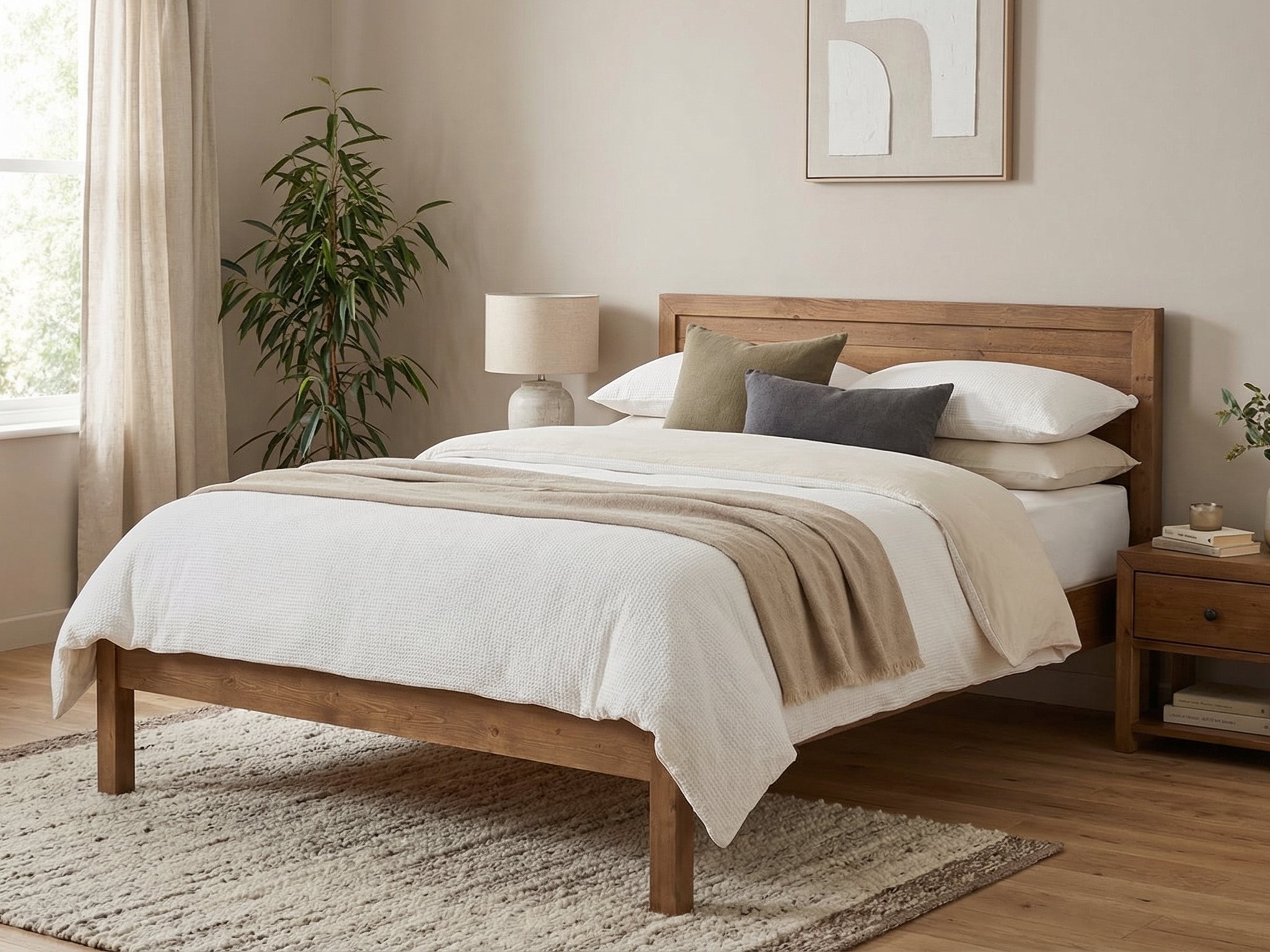
Bedrooms are following the same warmth-led direction with a quieter touch. A solid bed frame in a natural finish anchors the room, with soft textiles and a muted palette doing the rest. This is usually the room where the trend feels least like a trend and most like common sense.
Bathroom: Moving Beyond Clinical Design
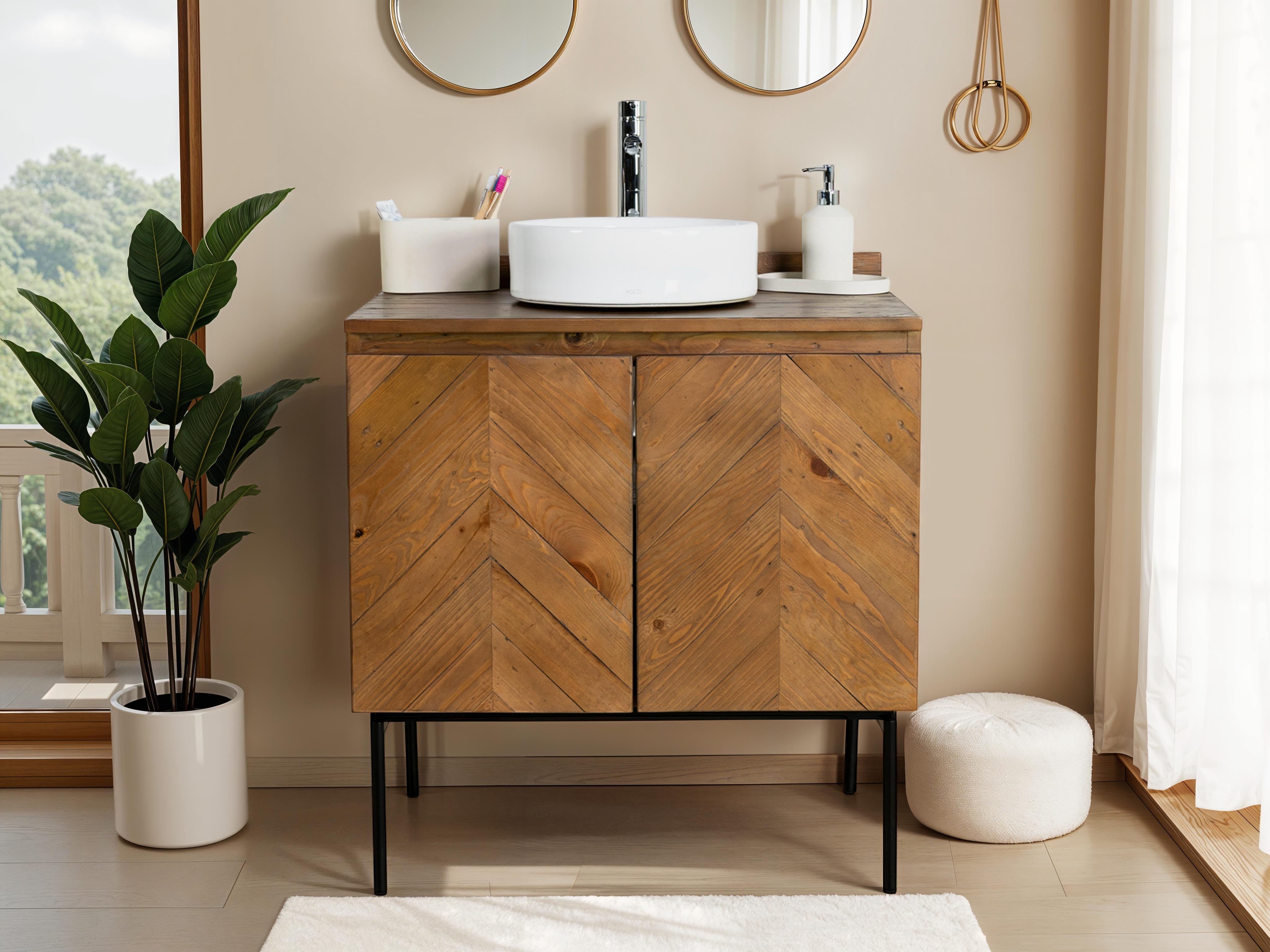
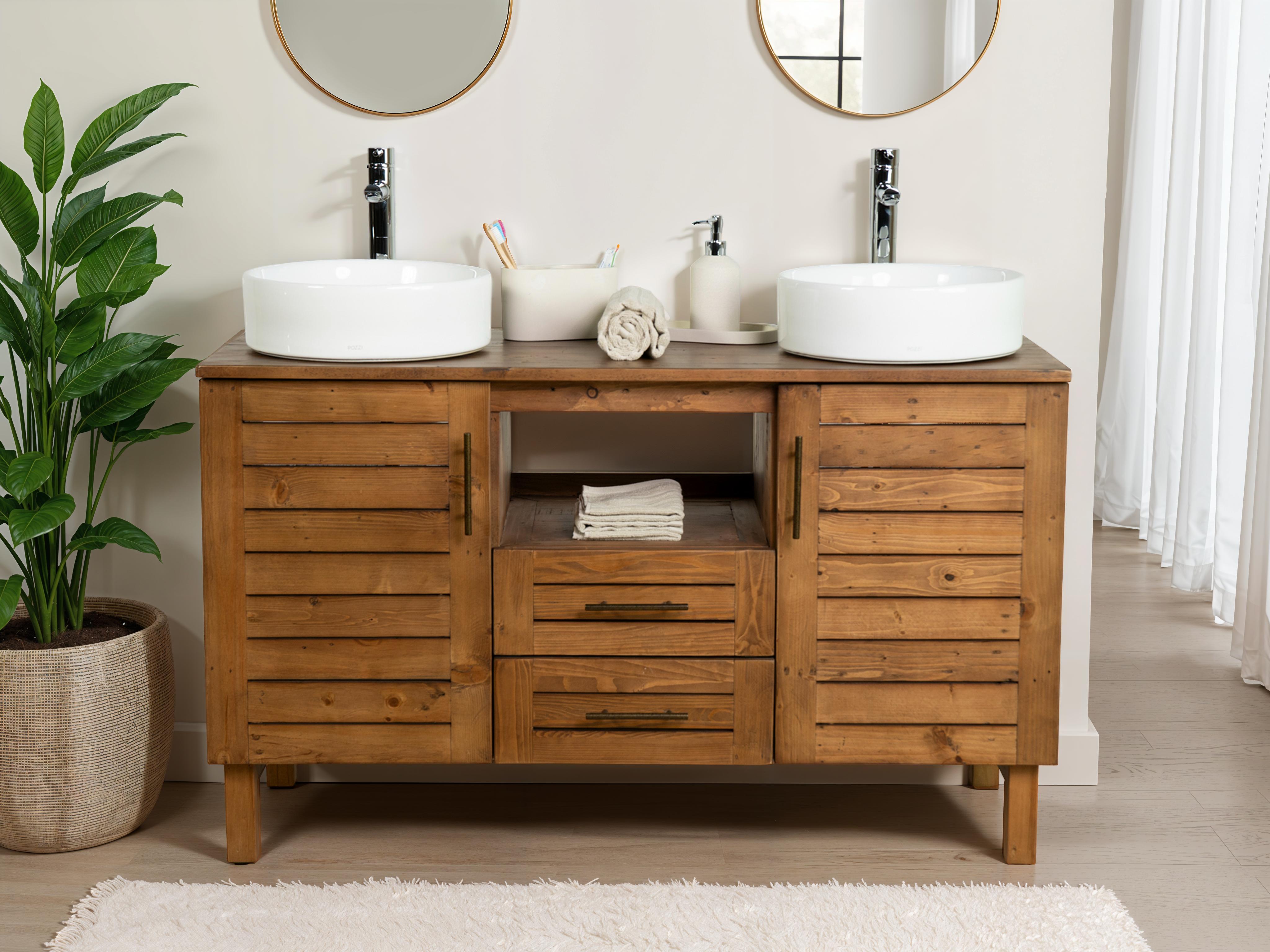
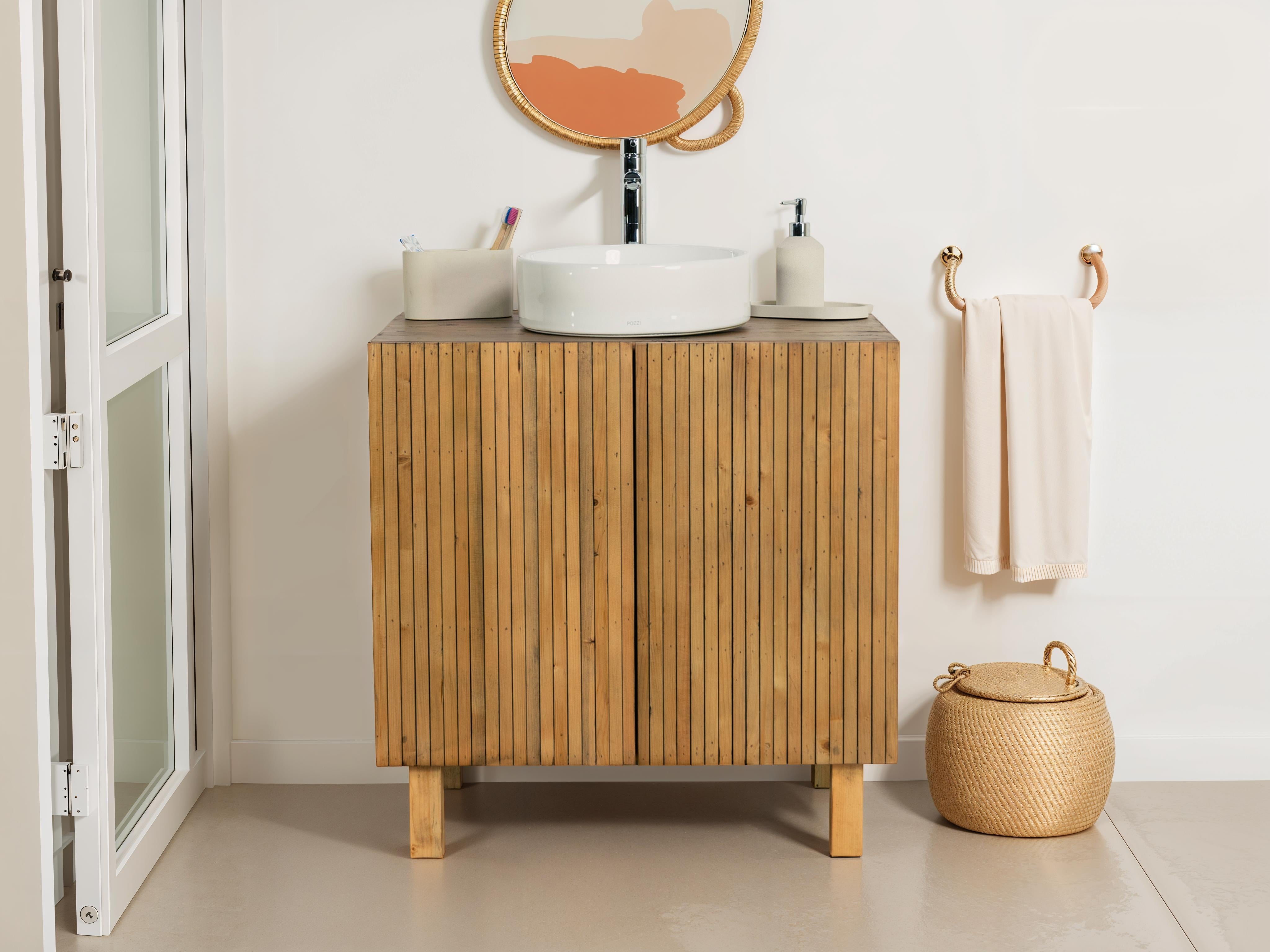
Bathrooms are catching up to the same material shift that's already reshaped living and dining spaces. Natural timber is increasingly used for vanity units rather than gloss-finished cabinetry, bringing warmth into a room that can otherwise feel clinical. Our bathroom vanity units carry the same solid reclaimed timber as the rest of the range.

Kitchen: Warmer, More Connected Spaces
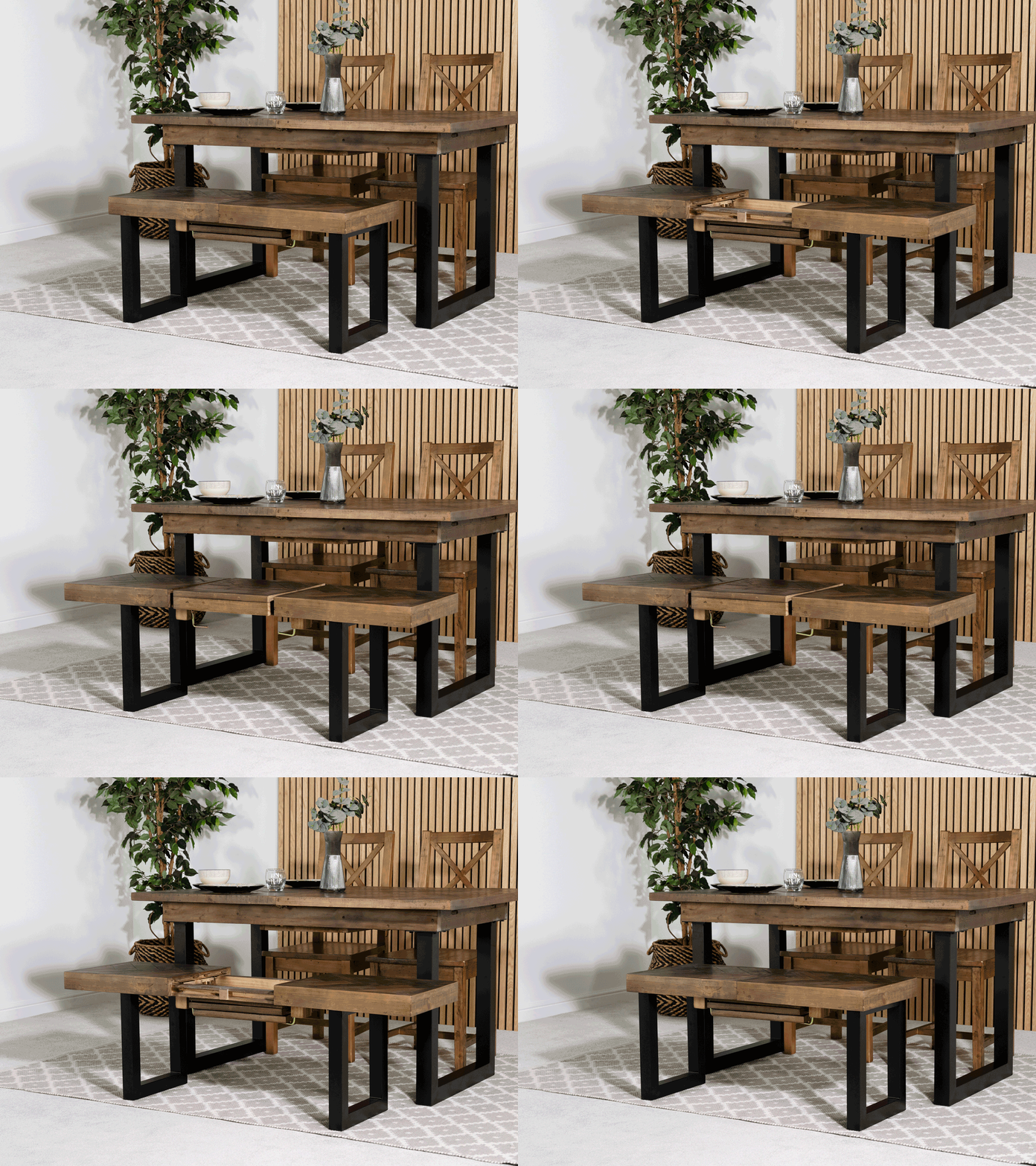
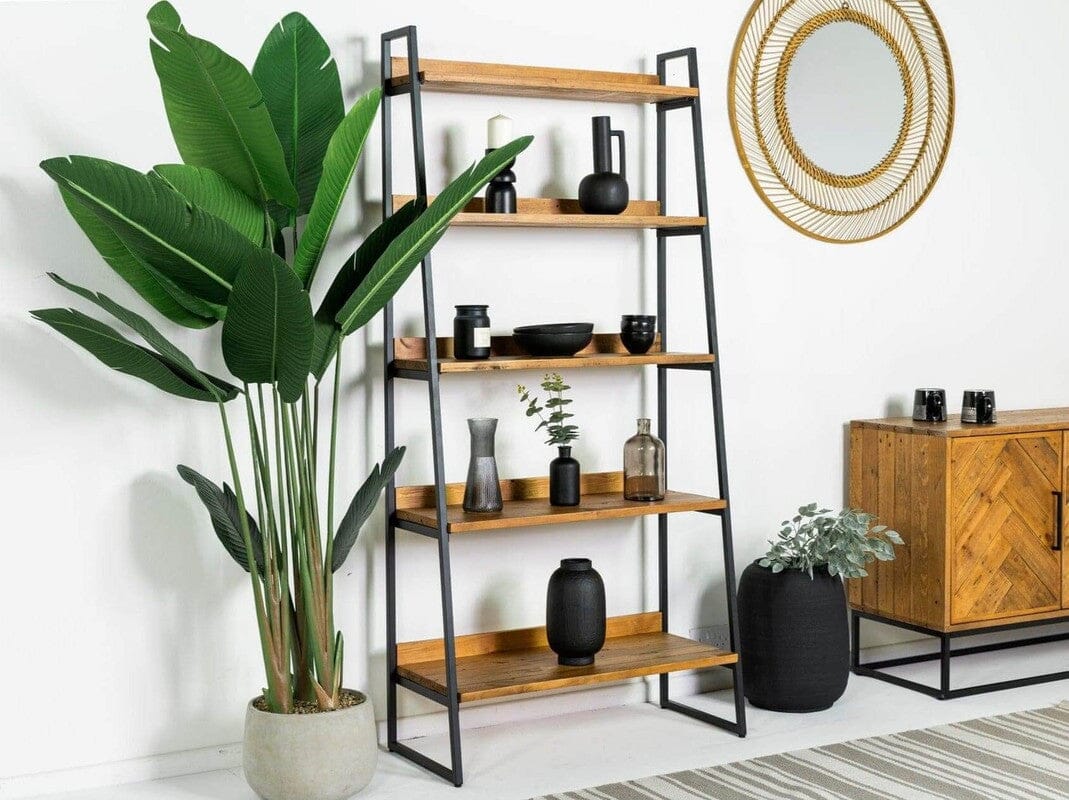
Kitchens are moving in a similar direction - warmer cabinetry tones, natural wood accents and freestanding storage replacing purely clinical, high-gloss finishes, especially in open-plan homes where the kitchen flows straight into a dining or living space. If your kitchen opens onto a dining area, a reclaimed dining table can be exactly the piece that ties the two spaces together.
Sustainability Woven Into the Decision, Not Bolted On
Sustainability is increasingly part of the wider conversation about how homes are furnished, rather than sitting apart as a separate style. That shows up in questions people are asking more often - where materials actually come from, whether furniture is made to last, and whether existing resources can be reused rather than replaced with something newly made.
Reclaim Nation has been designing and making furniture for nearly 30 years, sourcing timber from old floorboards, pallets, railway sleepers and manufacturing offcuts rather than freshly felled trees, with any offcuts that can't be used in furniture going on to fuel the kilns and boilers on site. It's a slower way of working, but it's also why pieces bought years ago are still holding up rather than needing to be replaced to keep pace with each new year's trends.
Bringing 2026 Trends Into Your Home Without a Full Redesign
Not everyone wants - or needs - a full renovation to bring these ideas into their home. Most of what's driving 2026 interior design trends works just as well applied to a single room, or even a single piece.
Start with one anchor piece that does the textural or colour work - a sideboard, a coffee table or a bed frame in solid reclaimed wood - and let the rest of the room stay simple around it. Add warmth gradually through textiles rather than one big purchase, and resist the urge to match every wood tone exactly, since a slight mix of finishes tends to look collected rather than staged.
If you're planning a wider refresh rather than a single piece, our earlier look at sustainable interior design trends covers the material side of this shift in more depth, and our guide to organic modern style is a good next read if the warmer, texture-led direction is one you want to lean into fully.
Frequently Asked Questions on Interior Design Trends 2026
What is the biggest interior design trend for 2026?
The clearest thread running through 2026 interior design trends is a move toward natural materials, timeless furniture and warmer, more grounded colour palettes - homes built for longevity rather than a single passing look.
Will interior design trends 2026 still be relevant in 2027?
Much of what's shaping 2026 - natural materials, considered sustainability, furniture chosen to last - reflects a longer shift rather than a single-year moment, so it's reasonable to expect the direction to continue rather than reset. Specific colours and shapes will keep evolving, as they always do.
Is reclaimed wood furniture part of the 2026 design trend?
Yes. The move toward natural texture and materials with genuine character plays directly into why reclaimed wood is having such a strong moment - no two pieces look the same, which is exactly what this trend is built around.
What are kitchen design trends for 2026?
Kitchens are trending warmer and less clinical, with natural wood tones, freestanding storage and mixed materials replacing purely high-gloss finishes - particularly in open-plan homes where the kitchen flows into a dining or living space.
What's an easy way to update a room for 2026 without a full renovation?
Start with one anchor piece in a natural material - a coffee table, sideboard or bed frame - and build texture around it gradually through textiles and lighting rather than replacing everything at once.
Explore the full Reclaim Nation collection to find pieces that bring these trends into your own home, each one handmade from solid reclaimed timber.

Leave a comment
This site is protected by hCaptcha and the hCaptcha Privacy Policy and Terms of Service apply.