







"Recycled fabrics" is one of those terms that appears everywhere, from rug labels to sofa descriptions, yet it's rarely explained in any meaningful way.
As recycled materials become increasingly common in furniture and home furnishings, many people are still unsure what recycled fabrics actually are and how they are made.
At their simplest, recycled fabrics are textiles made from materials that have already served another purpose. Old clothing, manufacturing off-cuts, surplus fabric and even plastic bottles can all be recovered and transformed into new textile products rather than being discarded as waste.
The appeal is straightforward. Instead of relying entirely on new raw materials, recycled fabrics make better use of resources that already exist. In many cases, they help reduce demand for virgin fibres while giving materials a second life.

The Different Types - And What Makes Each One Different
This distinction matters because "recycled fabric" can refer to a wide range of materials, each with its own characteristics and applications.
Recycled Cotton
Cotton farming is known for its significant water requirements, which is one reason recycled cotton has become increasingly valuable. Recycled cotton is typically sourced from manufacturing off-cuts, surplus textiles and old garments that are processed back into usable fibres.
The recycling process can shorten the fibres slightly, which is why recycled cotton is often blended with other materials to maintain strength and durability. When used well, it produces fabrics that remain soft, breathable and well suited to cushions, upholstery and other home furnishings.
Recycled Wool Fabrics
What often surprises people is that recycling wool is nothing new. Textile mills have been recovering and re-spinning wool fibres for generations. In many ways, it was simply a practical response to making the most of valuable materials.
Wool is particularly well suited to recycling because it retains many of its natural qualities throughout the process. Warmth, texture, durability and comfort can all remain intact, which is why recycled wool fabrics continue to be used in upholstery, soft furnishings and interior textiles.
Recycled Polyester
Recycled polyester is perhaps the best-known example of a recycled fabric, largely because the source material is so familiar. Many recycled polyester fibres begin life as discarded plastic bottles.
After being cleaned and processed, the material is transformed into textile-grade fibres that can be woven into everything from rugs to upholstery fabrics. By the time the process is complete, the finished textile bears little resemblance to its original form, offering durability, colour retention and a surprisingly soft feel.
Upcycled Textiles
Upcycled textiles are slightly different because their appeal often lies in preserving the character of the original material.
Rather than reducing a fabric back to its raw components, upcycling works with what already exists. As a result, traces of the material's previous life often remain visible in the finished piece, creating products with a sense of individuality that would be difficult to replicate through conventional manufacturing.
What This Looks Like in the Reclaim Nation Range?
Understanding the theory behind recycled fabrics is useful. Seeing how those materials are used in practice is often far more interesting.
The Sustainable Rug Collection - Starting With Plastic Bottles
The rugs in Reclaim Nation's sustainable collection begin with discarded plastic bottles. Those bottles are transformed into durable textile fibres before being handwoven, stitched and braided by skilled artisans into finished floor coverings.
The result is a collection of rugs that are soft underfoot, durable enough for everyday use and suitable for both indoor and outdoor spaces. What stands out is not the recycled origin of the material, but the quality of the finished product. The craftsmanship, texture and design take centre stage, while the sustainability story sits naturally in the background.

The Kantha Collection - Vintage Cotton Textiles Reimagined
The Kantha collection tells a slightly different story.
Traditionally, the process begins with vintage cotton sarees that have already lived one life. Through a hand-stitching technique from Bengal known as Kantha, the textiles are layered, stitched and transformed into entirely new pieces for the home.
The resulting products are rich in colour, texture and character. Because every piece begins with different vintage textiles, no two are exactly alike. Those subtle variations are not imperfections but part of what makes each item unique.
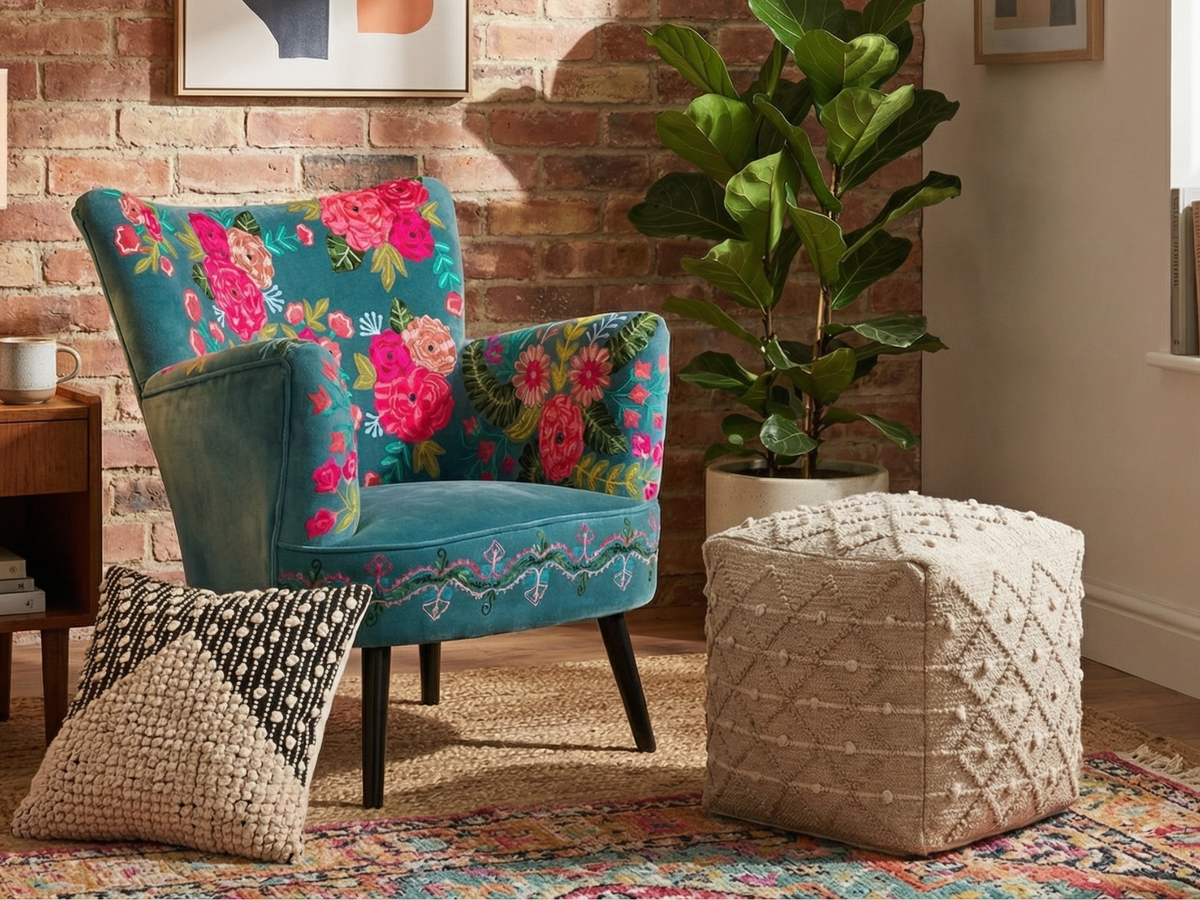
Inspired by the traditional Kantha stitching techniques of Eastern India, Reclaim Nation reimagines vintage cotton textiles into distinctive pouffes, footstools and cushions, celebrating craftsmanship, character and the beauty of giving materials a second life.

The Eco Sofa and Chair Collection
Recycled fabrics are often associated with smaller home accessories, but their application extends far beyond cushions and rugs.
The eco sofa and chair collection demonstrates how recycled materials can be incorporated into larger furniture pieces without compromising on comfort, practicality or design. These are products intended for everyday living, built with the same focus on durability and longevity that defines the wider Reclaim Nation collection.
What matters most is that the sustainability credentials never come at the expense of the user experience. The furniture succeeds first as furniture. The recycled materials are part of the story, not the entire story.

Why Any of This Matters
Textile production is resource-intensive. Conventional cotton farming requires substantial amounts of water, while virgin polyester is derived from petroleum. At the same time, vast quantities of textiles and other potentially useful materials are discarded every year.
Recycled fabrics are not a complete solution to those challenges. They are, however, a practical way of making better use of resources that already exist. By recovering and repurposing materials, recycled fabrics can help reduce waste, lessen demand for virgin materials and extend the useful life of existing resources.
What is often overlooked in sustainability discussions is the importance of longevity. A well-made piece that remains in use for fifteen years will generally have a lower environmental impact than one that needs replacing several times over the same period.
That principle sits at the heart of sustainable design. The most responsible products are often the ones that are made thoughtfully, used regularly and kept for years to come.
A Few Things People Get Wrong About Recycled Fabrics
That Recycled Means Lower Quality
Perhaps the most persistent misconception is that recycled materials are somehow inferior. In reality, quality is determined by design, manufacturing and craftsmanship. The origin of the material is only one part of the equation.
That They Won't Be Comfortable
Comfort depends on construction, fibre blends and finishing techniques rather than whether the fibres are recycled. A well-made sofa upholstered in recycled fabric should feel no different from one upholstered in conventional materials.
That Recycled Materials Wear Out Faster
Durability is largely a question of craftsmanship and product design. Handwoven rugs, carefully stitched Kantha textiles and well-constructed upholstery are all designed to withstand everyday use.
That Sustainable Fabrics Limit Design Choices
The Reclaim Nation collection offers a good example of how outdated this assumption has become. From richly patterned Kantha textiles to contemporary upholstery and textured woven rugs, sustainable materials are capable of delivering just as much variety, colour and character as their conventional counterparts.
To Wrap Up
Recycled fabrics are not a compromise. At their best, they are simply another way of creating thoughtful, well-made products using materials that still have value.
Plastic bottles become handwoven rugs. Vintage cotton textiles become Kantha footstools and cushions. Existing fibres find new life in contemporary furniture. Different materials, different processes, but the same underlying principle: recognising the value in what already exists and transforming it into something worth keeping.
That idea runs through the fabric collections at Reclaim Nation in much the same way it runs through the reclaimed wood furniture collection. Good design is not always about starting with something new. Sometimes it is about seeing potential in materials that already have a story to tell.
Frequently Asked Questions
What's the difference between recycled and upcycled textiles?
Recycled textiles get broken down into raw fibres and reprocessed into something new. Upcycled textiles skip the breakdown - existing material gets repurposed more directly. Both keep materials in use longer and reduce waste. The difference is in how much transformation the material goes through.
Are recycled fabric sofas and chairs as durable as regular ones?
Yes. Durability is about how a piece is made - the fabric's origin isn't what determines that. The eco sofa and chair collection is built for daily use and comes with a two-year guarantee.
What is Kantha fabric?
A hand-stitching technique from Bengal that's been practised for generations. Artisans layer vintage cotton textiles - usually old sarees - and stitch through them using a running stitch that creates a richly textured surface. Because every piece starts from different vintage fabric, no two finished pieces are identical.
What are the Reclaim Nation rugs actually made from?
Recycled plastic bottles. They're processed into threads, then handwoven, stitched and braided by skilled artisans into finished rugs. Designed for indoor and outdoor use.
Do recycled fabric pieces need any special care?
Always check the care label on the specific piece first. Most recycled fabric upholstery is fine with a damp cloth and mild detergent for spot cleaning. Kantha pieces are hand-stitched, so handle them a bit more carefully - no soaking or heavy scrubbing.


Leave a comment
This site is protected by hCaptcha and the hCaptcha Privacy Policy and Terms of Service apply.