When furnishing a compact dining area, every design choice matters. From layout to materials, the right decisions can make a small space feel open, welcoming, and functional. One option that continues to grow in popularity across the UK is the
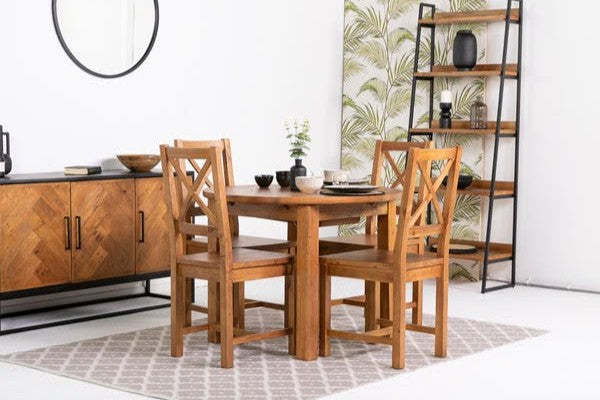
round reclaimed wood dining table. Combining sustainability with timeless style, these tables offer practical advantages that make them particularly well-suited to smaller homes, flats, and open-plan living areas.
But are round reclaimed wood dining tables truly better for small spaces? Let’s explore why they might be the ideal choice for your home.
What is Reclaimed Wood
Reclaimed wood refers to timber that has been salvaged from old buildings, barns, factories, warehouses, railway sleepers, and even ships. Instead of being discarded, the wood is carefully restored and repurposed into new furniture.
Unlike newly harvested timber, reclaimed wood carries history within its grain. Nail marks, saw cuts, knots, and subtle weathering tell the story of its past life. When transformed into a
dining table, it becomes a centrepiece rich in character and authenticity.
Benefits of Using Reclaimed Wood
Sustainability
By reusing existing timber, reclaimed wood reduces the demand for newly cut trees. This helps conserve forests and lowers the environmental impact associated with logging and processing new materials.
Strength and Stability
Many reclaimed timbers come from old-growth trees, which grew slowly and developed dense grain structures. This often makes reclaimed wood more durable and stable than some modern fast-grown alternatives.
Unique Appearance
No two
reclaimed wood dining tables are identical. Each piece showcases distinctive colour variations, grain patterns, and textures that add warmth and individuality to your dining space.
For environmentally conscious homeowners, reclaimed wood is not only a design choice but a responsible one.
Why Opt for Round Dining Tables in Small Spaces?
The shape of your dining table plays a major role in how efficiently your space functions. In smaller rooms, round tables offer several clear advantages.
Space Optimisation
Round dining tables lack sharp corners, which means they typically occupy less visual and physical space. Without protruding edges, they fit more naturally into tight areas and awkward layouts.
A round table can often be positioned centrally in a small room without creating blocked walkways. In compact kitchens or open-plan living-dining areas, this flexibility can make a noticeable difference.
Additionally, round tables make better use of limited floor space by allowing
dining chairs to be tucked in neatly all the way around. There are no “head” positions that demand extra clearance, making seating arrangements more efficient.
Enhanced Flow and Movement
In small spaces, ease of movement is essential.
Rectangular tables can create narrow passageways and sharp corners that disrupt flow. A round table, on the other hand, promotes smoother circulation.
Without corners to navigate around, household members and guests can move freely, reducing the risk of bumps and bruises. This is particularly helpful in homes with children or in multifunctional rooms where dining areas blend with living spaces.
The softer shape contributes to a more relaxed and accessible environment.
Aesthetic Appeal
Round tables create a sense of balance and harmony. Their curved silhouette softens the overall look of a room, which can make smaller spaces feel less rigid and crowded.
When crafted from reclaimed wood, the natural texture and warm tones enhance this welcoming effect. The combination of organic material and curved design results in a visually lighter presence, even if the table itself is substantial and sturdy.
Features of Reclaimed Wood Round Dining Tables
A reclaimed wood round dining table offers more than just good looks. It brings together craftsmanship, character, and practicality.
Unique Character and Texture
Reclaimed wood’s natural imperfections are part of its charm. Weathered grain, knots, and tonal variations create depth and authenticity that mass-produced furniture simply cannot replicate.
In a small dining area, a round reclaimed wood table often becomes the focal point. Its distinctive texture draws attention without overwhelming the room, adding personality without clutter.
Durability and Longevity
Reclaimed timber has already stood the test of time. Many pieces originate from structural beams or heavy-duty industrial uses, meaning the wood is exceptionally robust.
A well-crafted reclaimed wood dining table can last for decades with proper care. In small homes where furniture is used daily and frequently moved, this durability is invaluable.
Eco-Friendly Choices
For homeowners seeking sustainable interiors, reclaimed wood aligns perfectly with eco-conscious values. Choosing reclaimed over newly harvested timber reduces environmental impact and supports responsible craftsmanship.
In compact urban living environments where mindful consumption is increasingly important, this sustainability factor adds meaningful value.
Comparison with Solid Wood Dining Tables

When considering a new dining table, many buyers compare reclaimed wood with traditional solid wood options.
Pros and Cons of Solid Wood vs. Reclaimed Wood
Solid Wood Dining Tables
Pros:
- Clean, uniform appearance
- Wide range of finishes and styles
- Often lighter in colour and tone
Cons:
- May lack the character of aged timber
- Can be more susceptible to movement if made from fast-grown wood
- Greater environmental impact if not sustainably sourced
Reclaimed Wood Dining Tables
Pros:
- Unique, character-rich aesthetic
- Environmentally responsible choice
- Typically made from dense, mature timber
Cons:
- Natural markings may not suit ultra-modern minimal interiors
- Slight variations and imperfections are part of the design
For small spaces, the individuality of reclaimed wood can be a major advantage. A single striking piece reduces the need for excessive decorative elements, helping to keep the room uncluttered.
Cost-Effectiveness
At first glance, reclaimed wood furniture can sometimes appear more expensive than standard solid wood alternatives. However, its longevity and timeless appeal often make it a cost-effective investment.Because reclaimed wood dining tables are highly durable and less trend-dependent, they are unlikely to need replacing due to wear or changing styles. Their versatility means they adapt well to evolving interior themes, from rustic farmhouse to industrial chic.In smaller homes where furniture must work harder and last longer, this long-term value is particularly important.
Practical Considerations for Small Spaces

Before choosing your table, it’s important to assess your available space and lifestyle needs.
Sizing Your Reclaimed Wood Round Dining Table
Measure your dining area carefully, ensuring there is adequate clearance around the table. Ideally, allow at least 75–90 cm of space between the table edge and walls or other furniture for comfortable movement.For very compact spaces, a 90–100 cm diameter table may comfortably seat two to four people. Slightly larger rooms may accommodate 110–120 cm tables without compromising flow.Remember that round tables create more flexible seating arrangements, making it easier to host occasional guests without requiring a permanently large footprint.
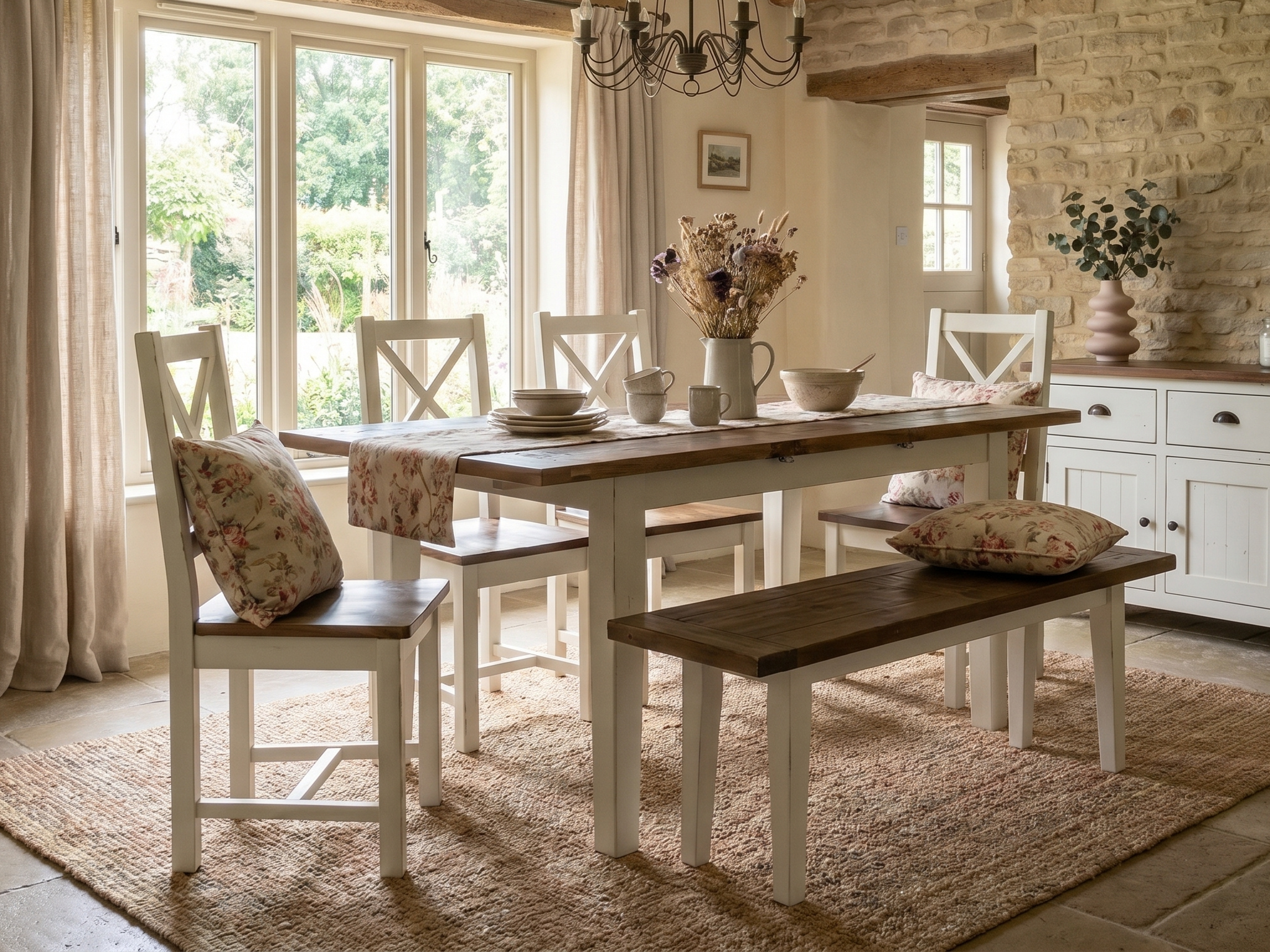
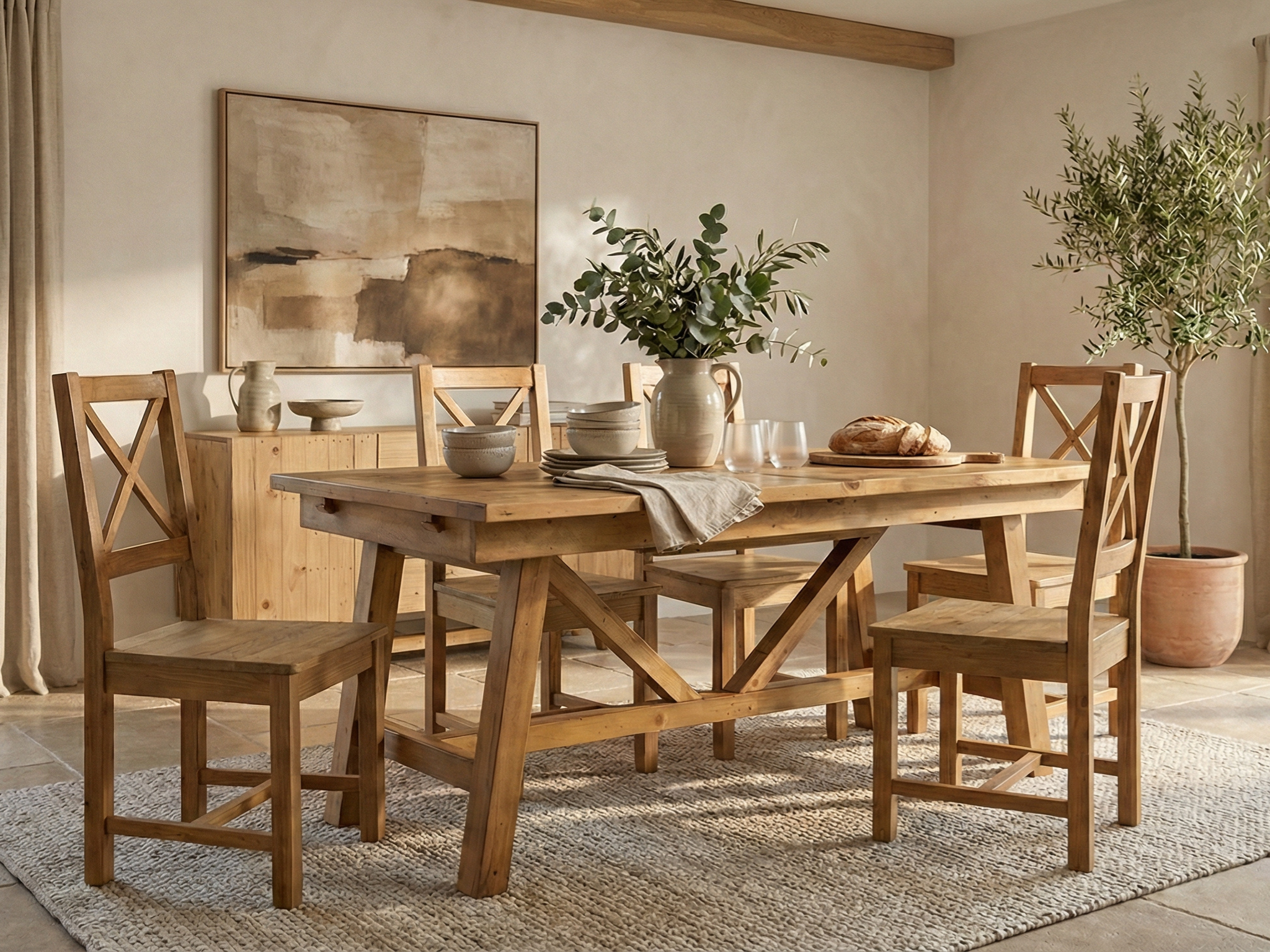
Pairing with Reclaimed Wood Dining Room Table and Chairs
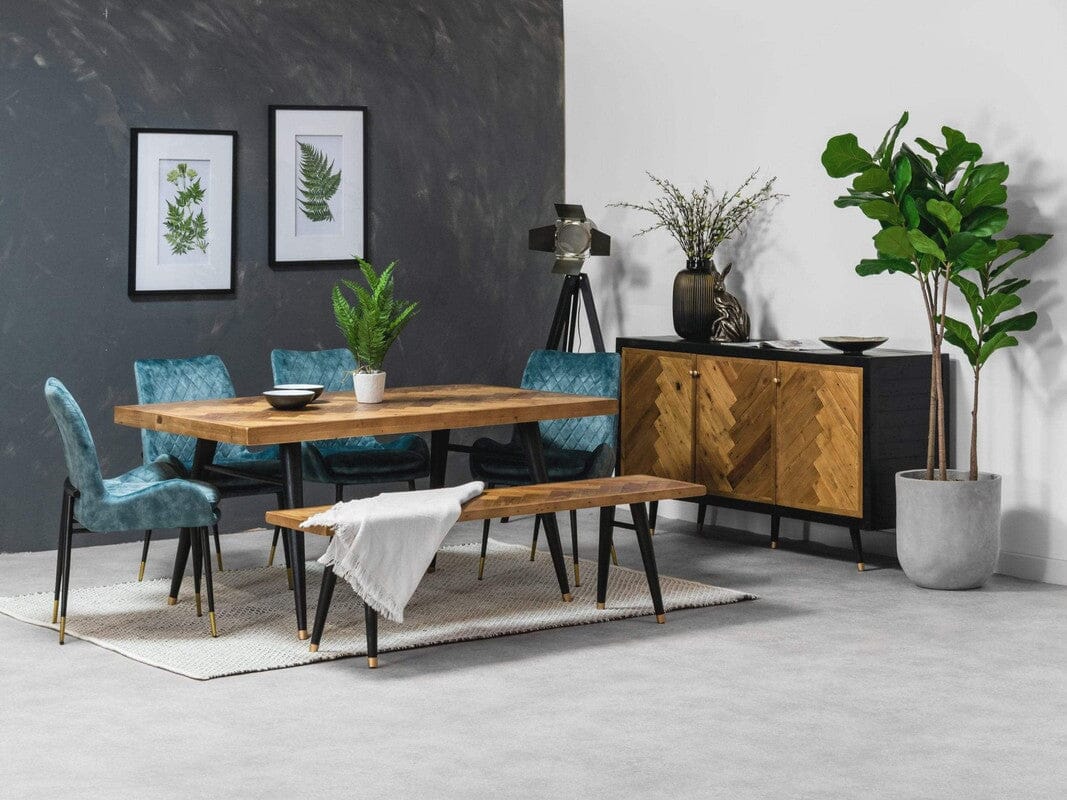
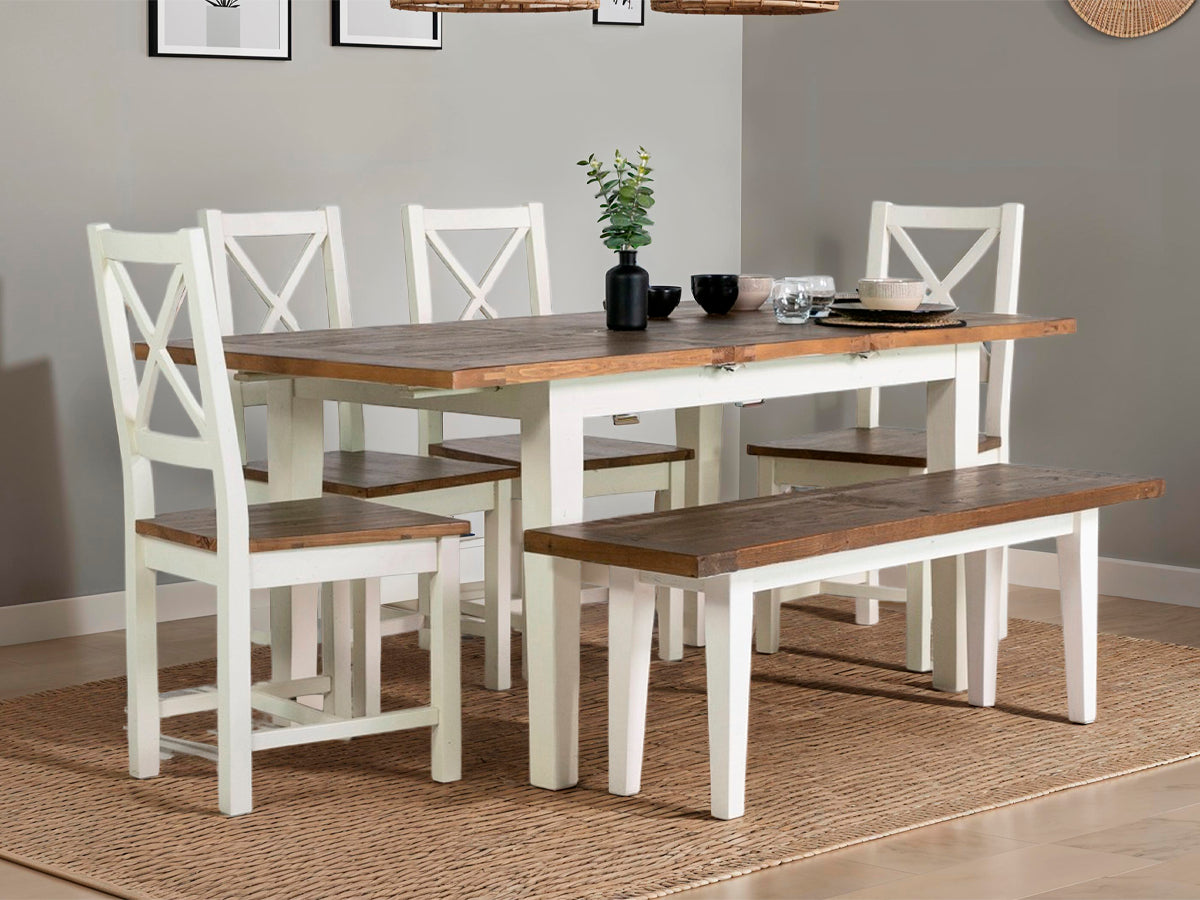
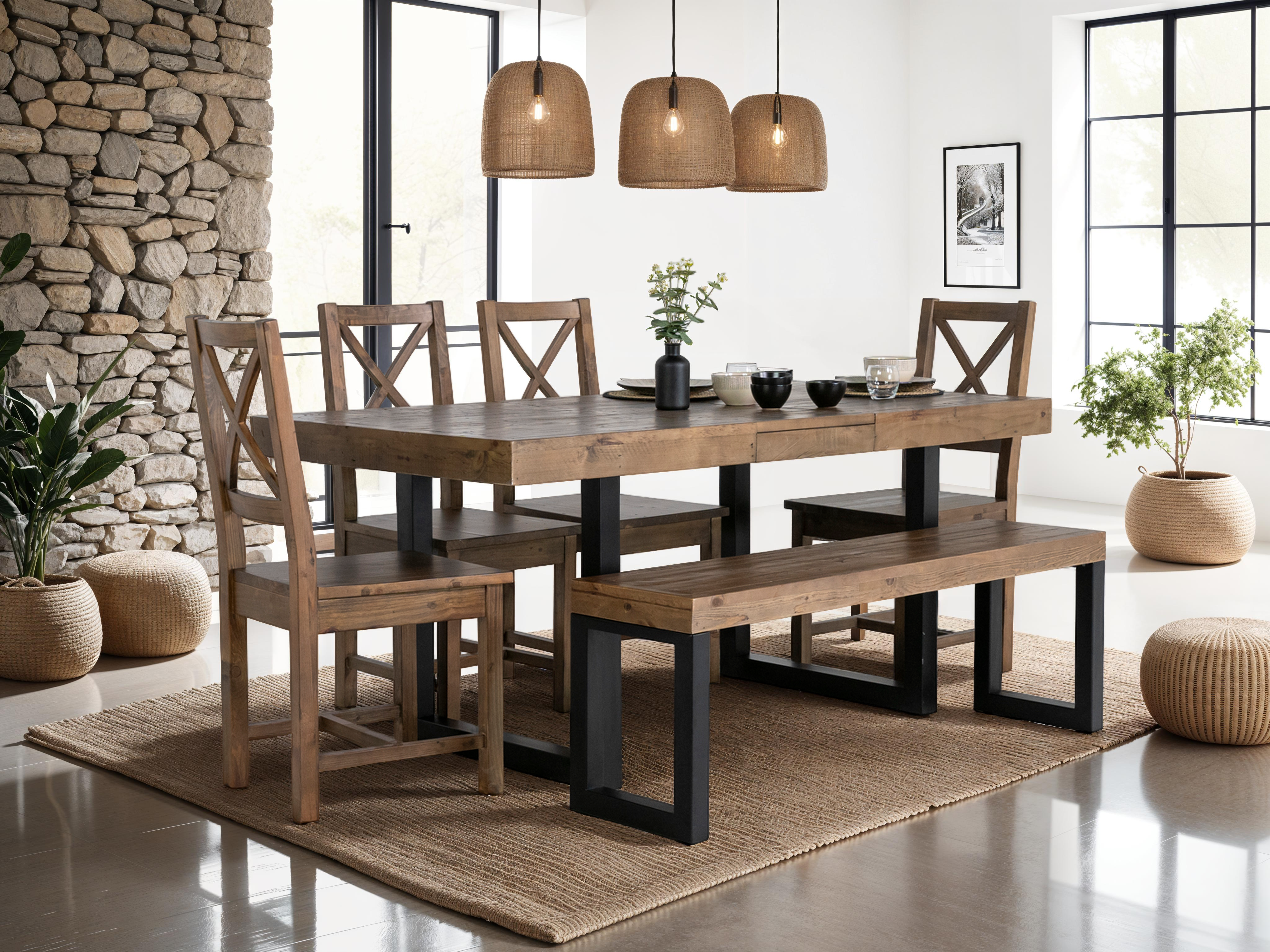
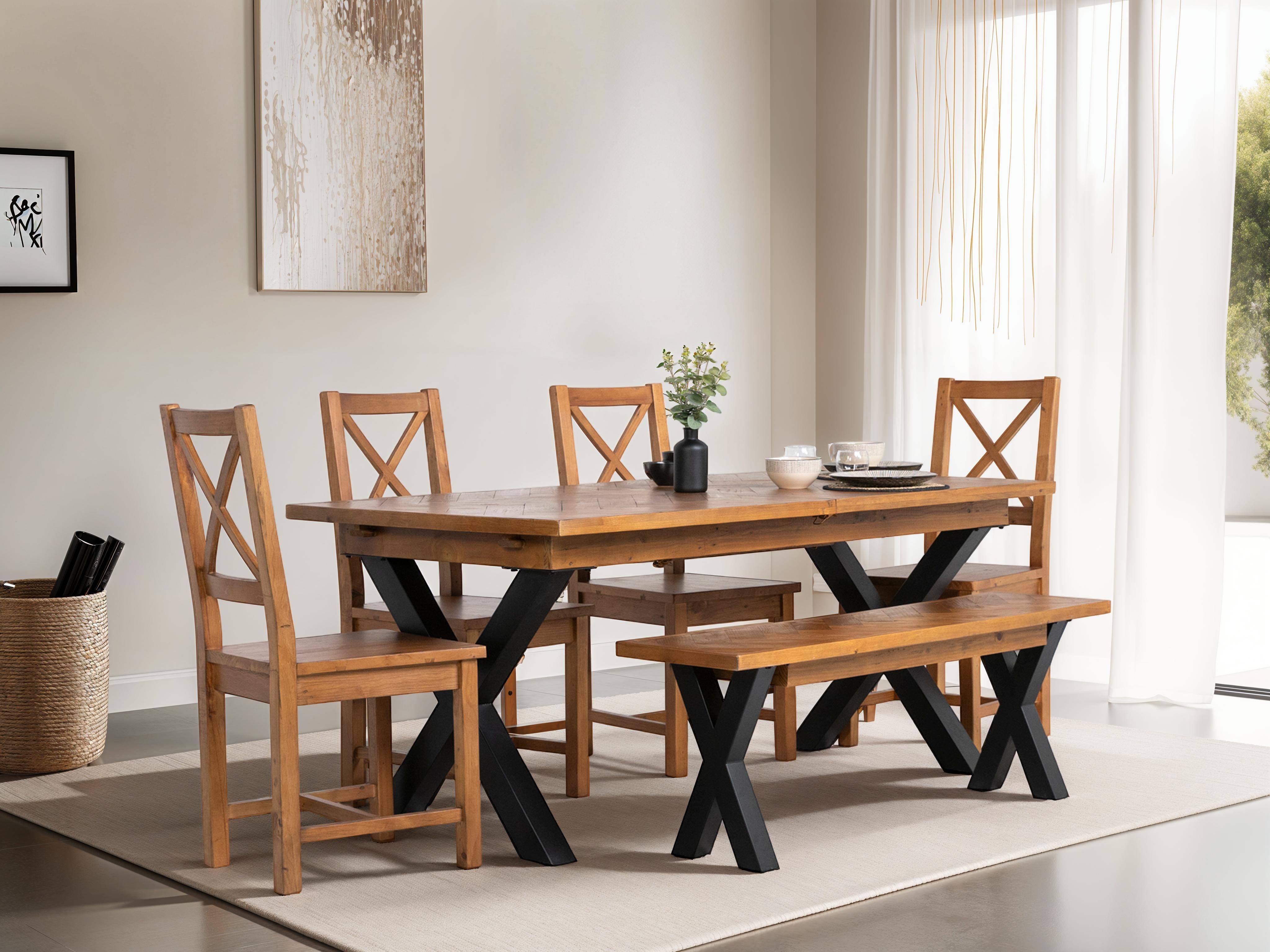
To maximise space efficiency, pair your round table with appropriately scaled chairs. Slim-profile chairs or benches that tuck neatly underneath help maintain a tidy appearance.A coordinated reclaimed wood dining room table and chairs set can create a cohesive look while preserving visual harmony. Alternatively, mixing textures—such as metal or upholstered seating—can lighten the overall feel and prevent the room from appearing heavy.
In small spaces, balance is key. Keep the surrounding décor minimal to allow the table’s natural beauty to shine.
Making the Right Choice for Your Home
So, are round reclaimed wood dining tables better for small spaces?
In many cases, yes. Their curved shape enhances flow and movement, their proportions suit compact layouts, and their character-rich surfaces add warmth without overwhelming the room. Combined with the sustainability and durability of reclaimed timber, they offer both practical and aesthetic advantages.
While the final decision depends on your personal style and space requirements, a round reclaimed wood dining table is a smart, timeless solution for small dining areas. It blends function with craftsmanship, creating a welcoming centrepiece that reflects both thoughtful design and responsible living.
For homeowners seeking to maximise space while embracing authenticity and sustainability, it may well be the perfect fit.









Leave a comment
This site is protected by hCaptcha and the hCaptcha Privacy Policy and Terms of Service apply.