






The Imperfectly Perfect Story
The look came first
Reclaim Nation didn't begin with a spreadsheet or a sustainability strategy. It began with a feeling.
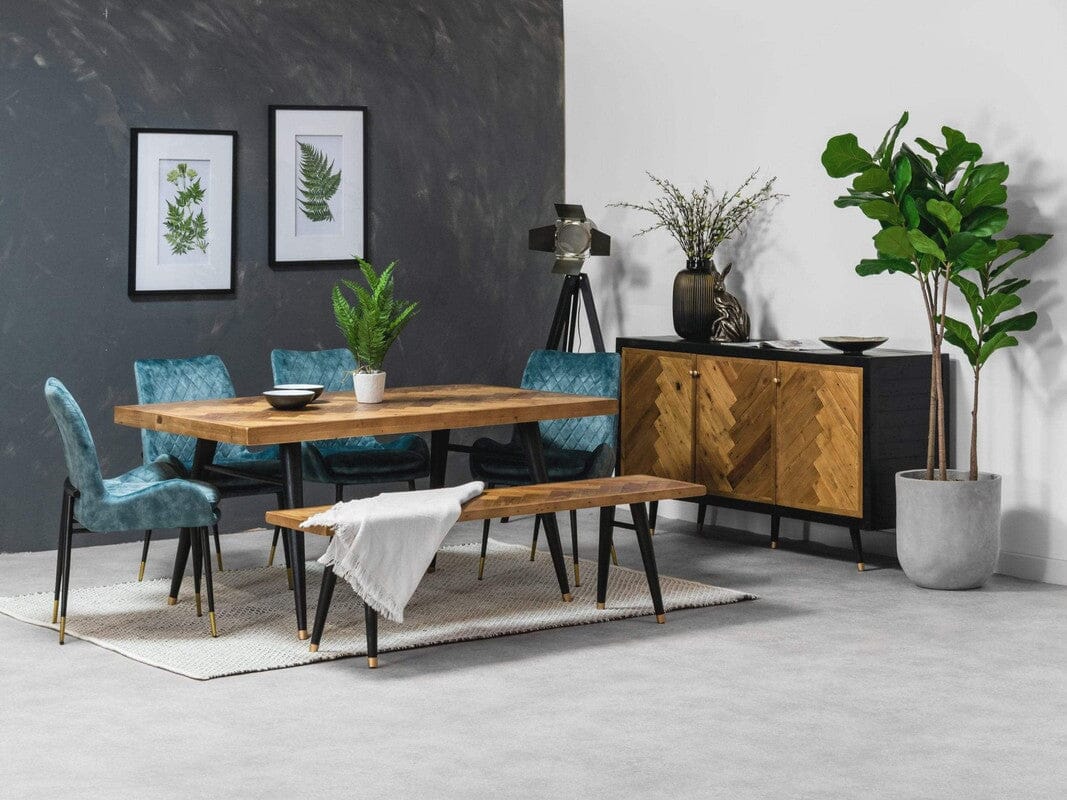
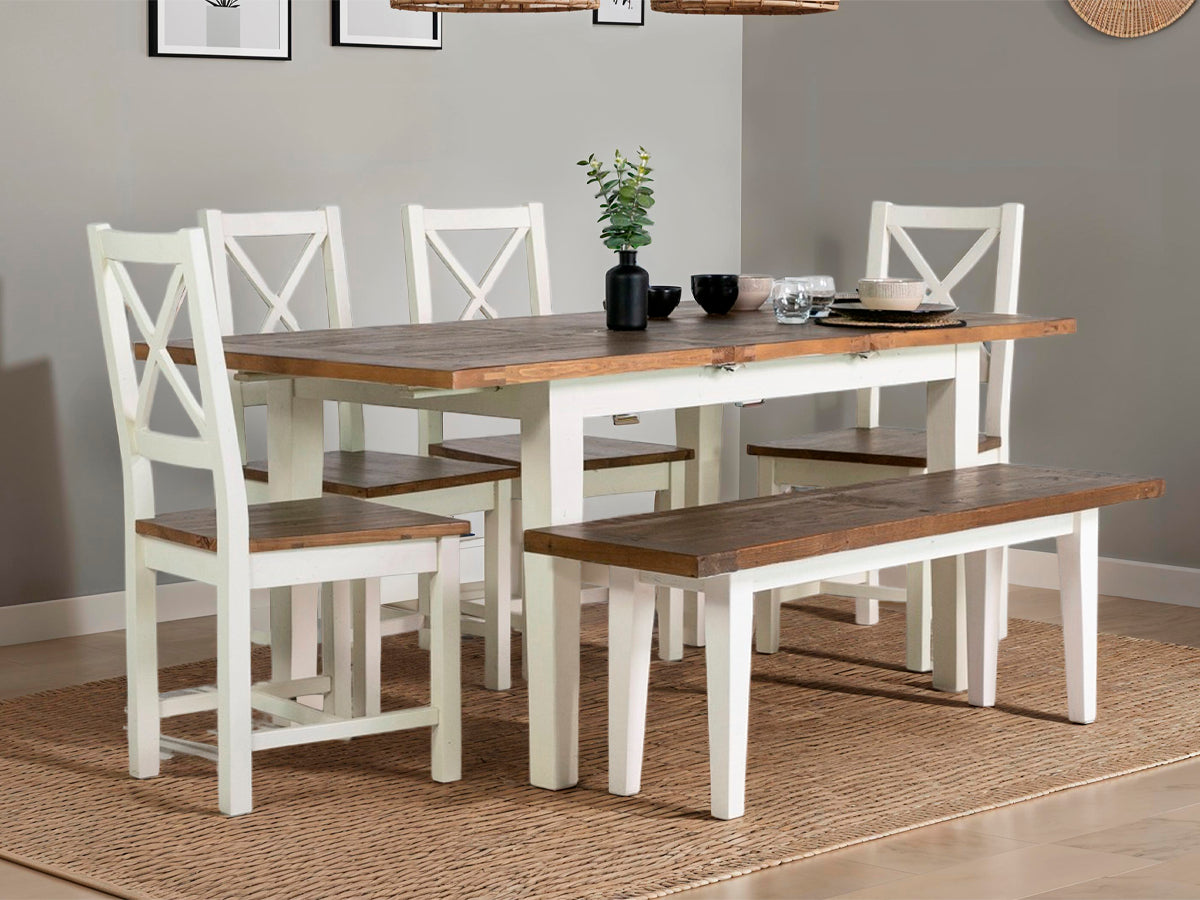
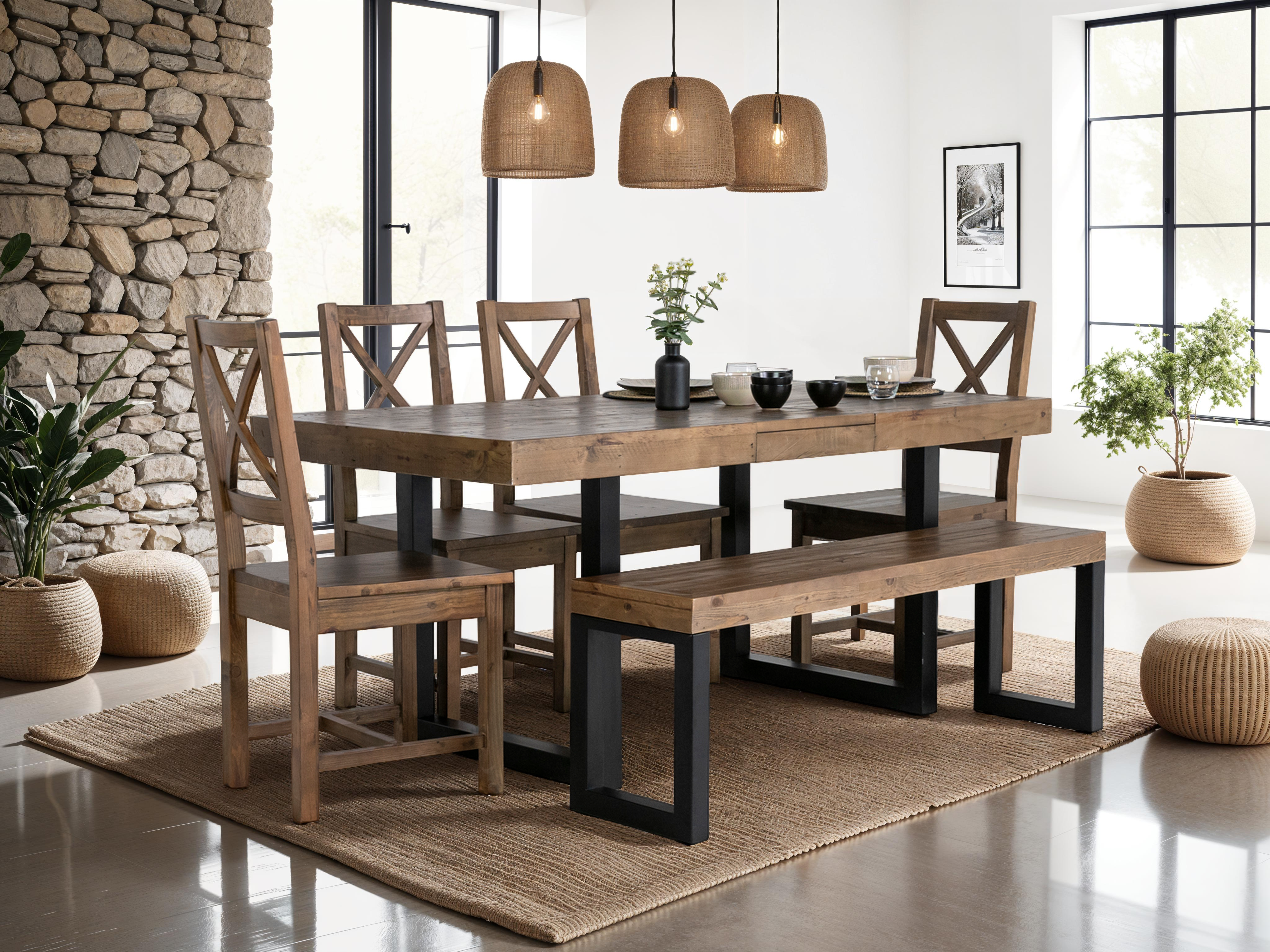
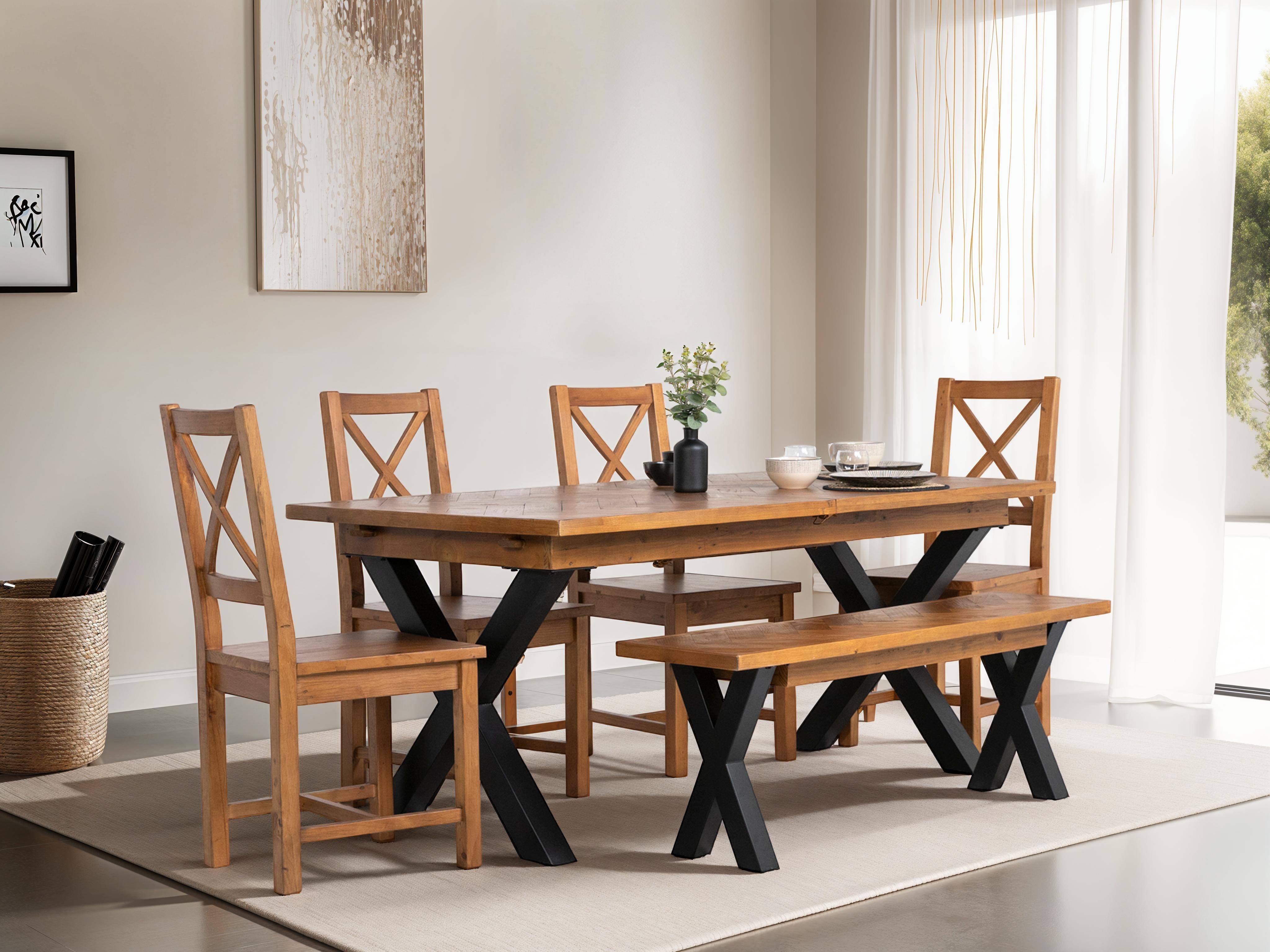
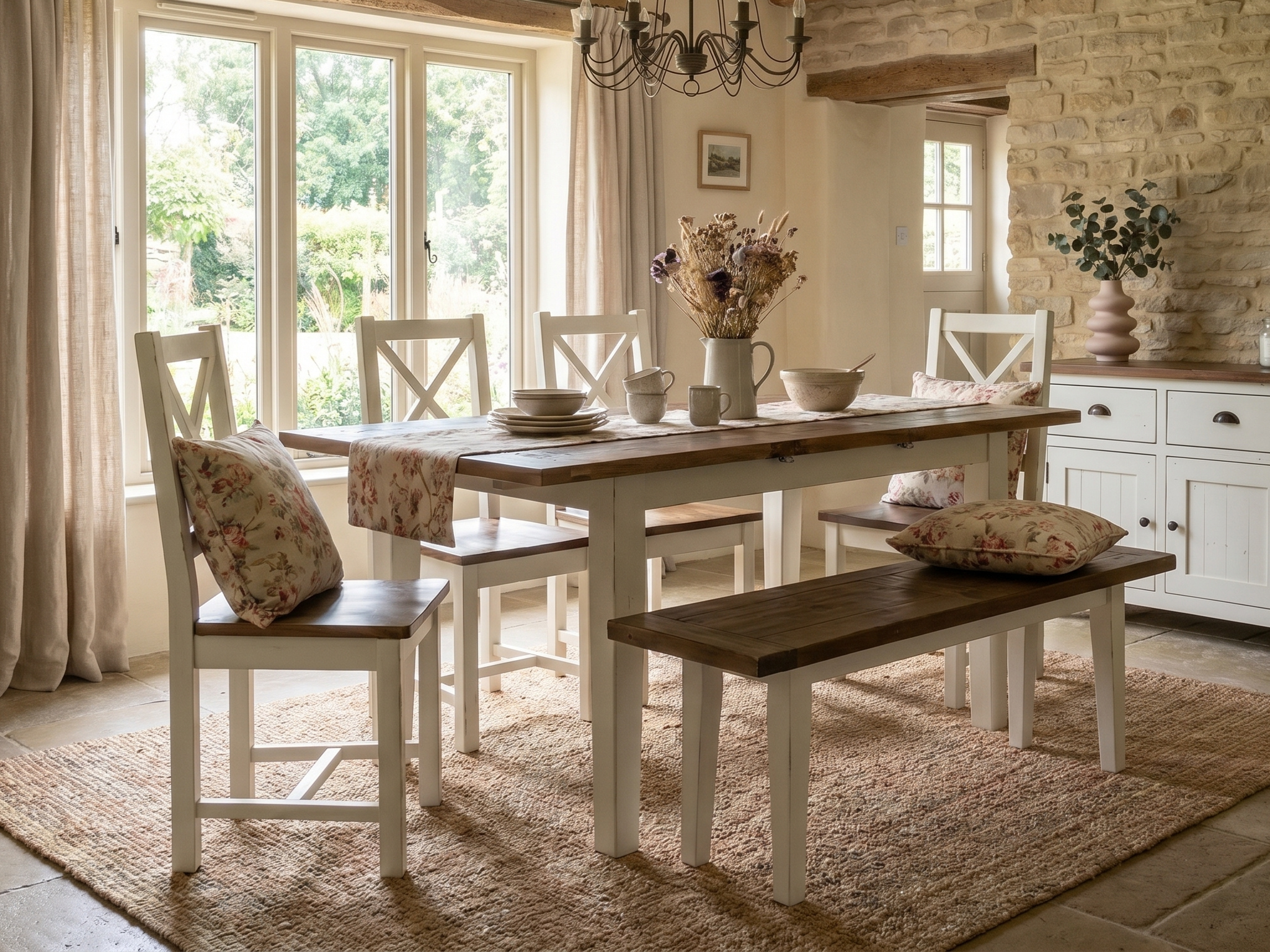
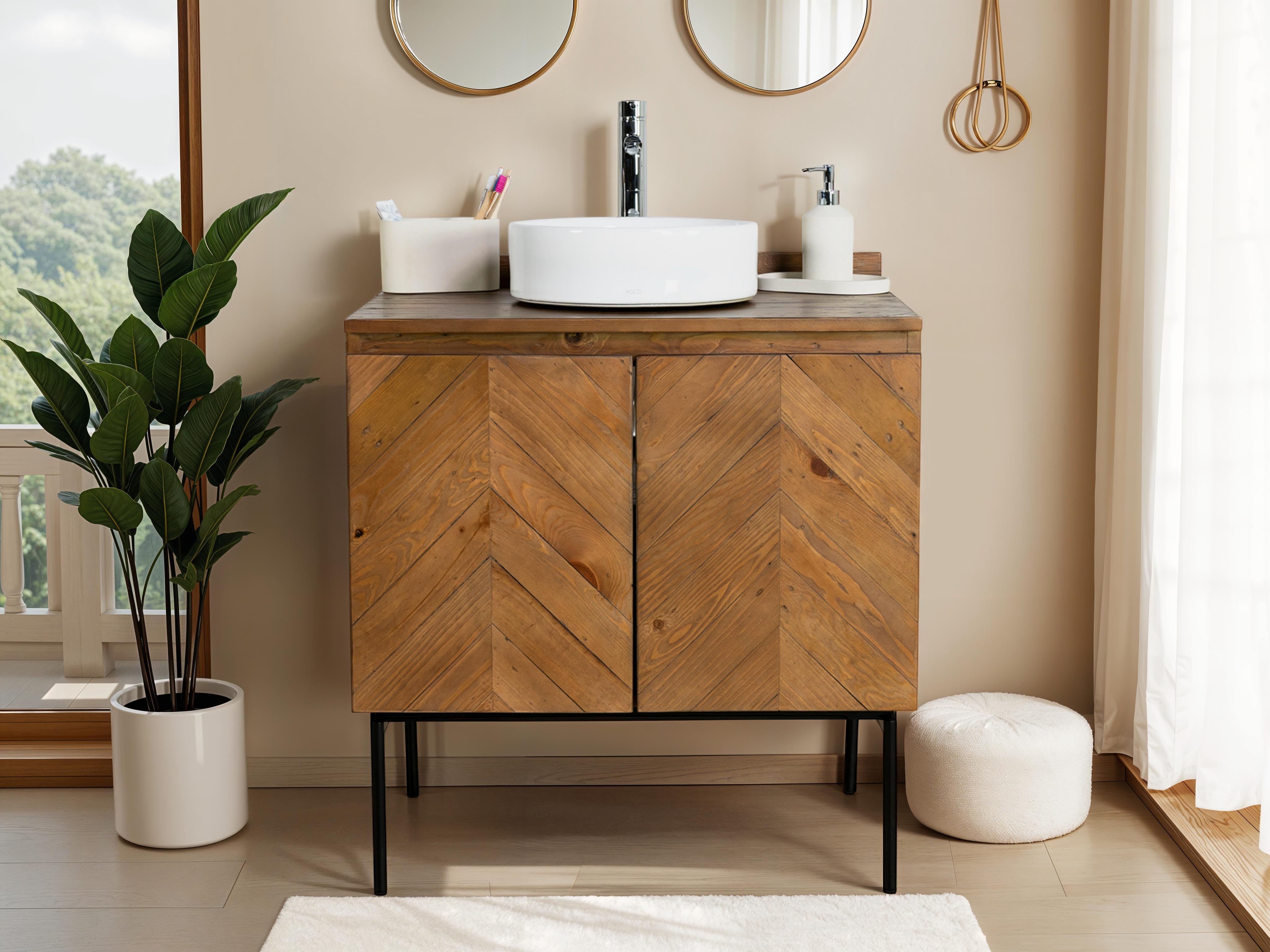
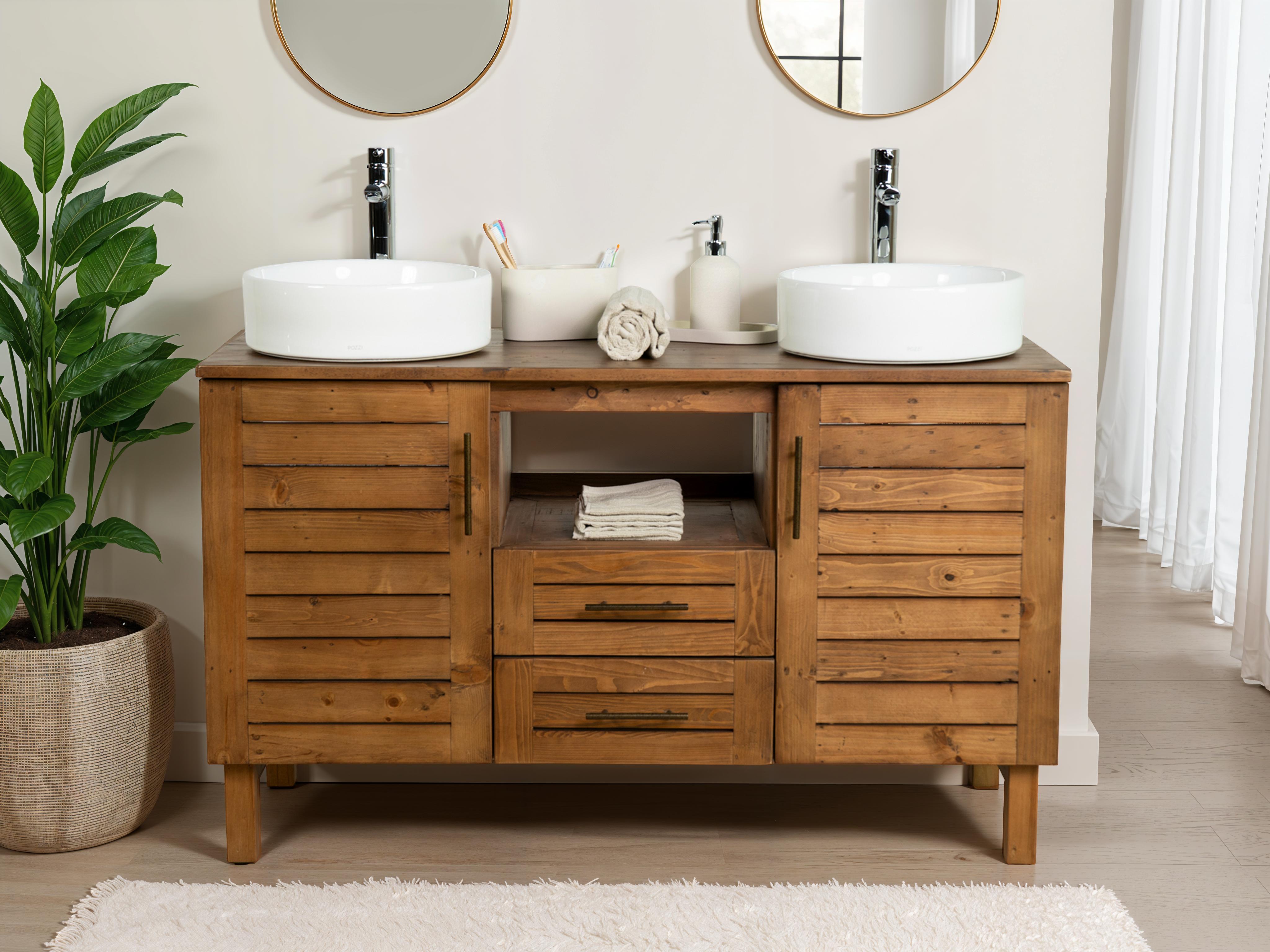
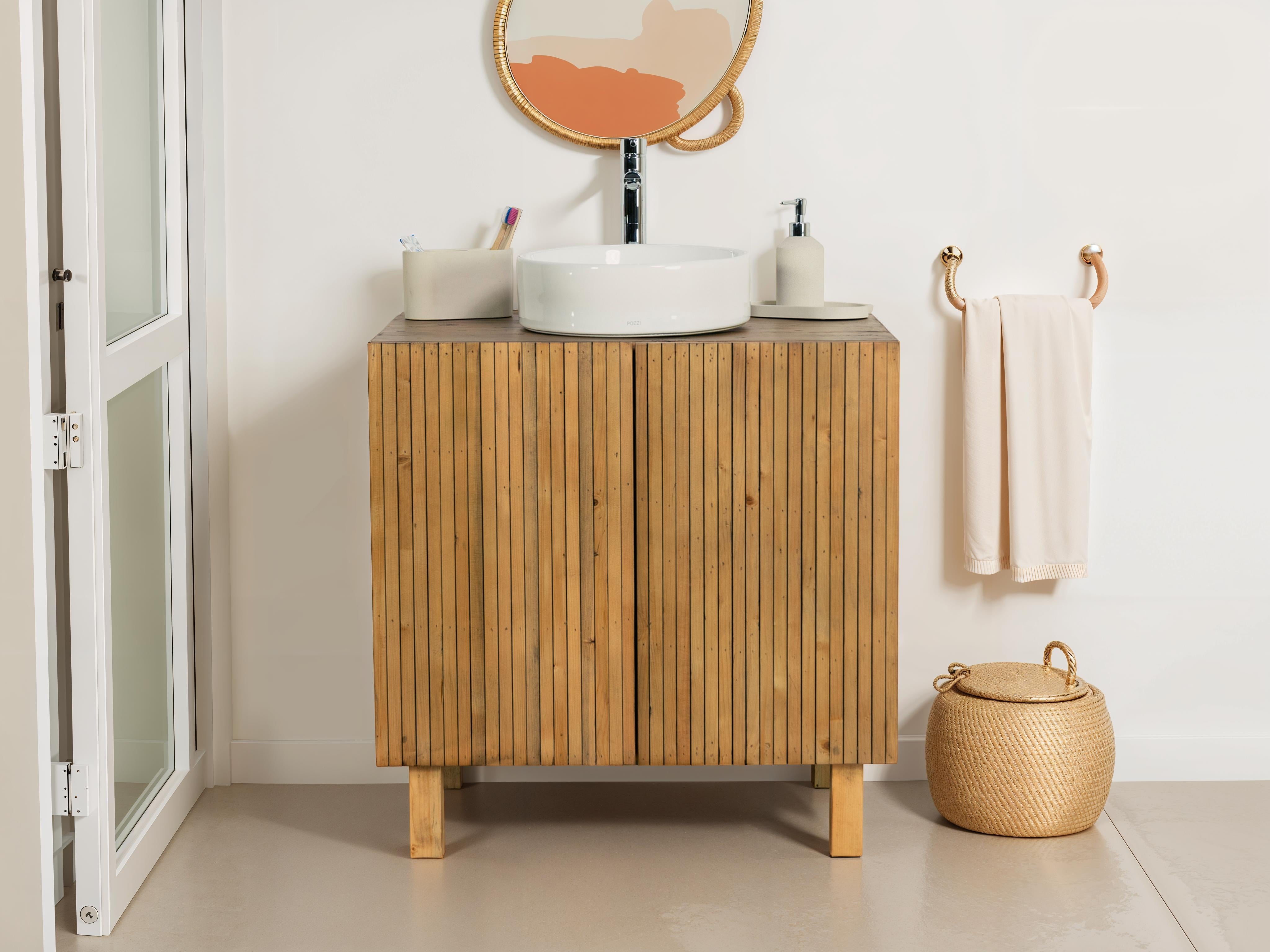
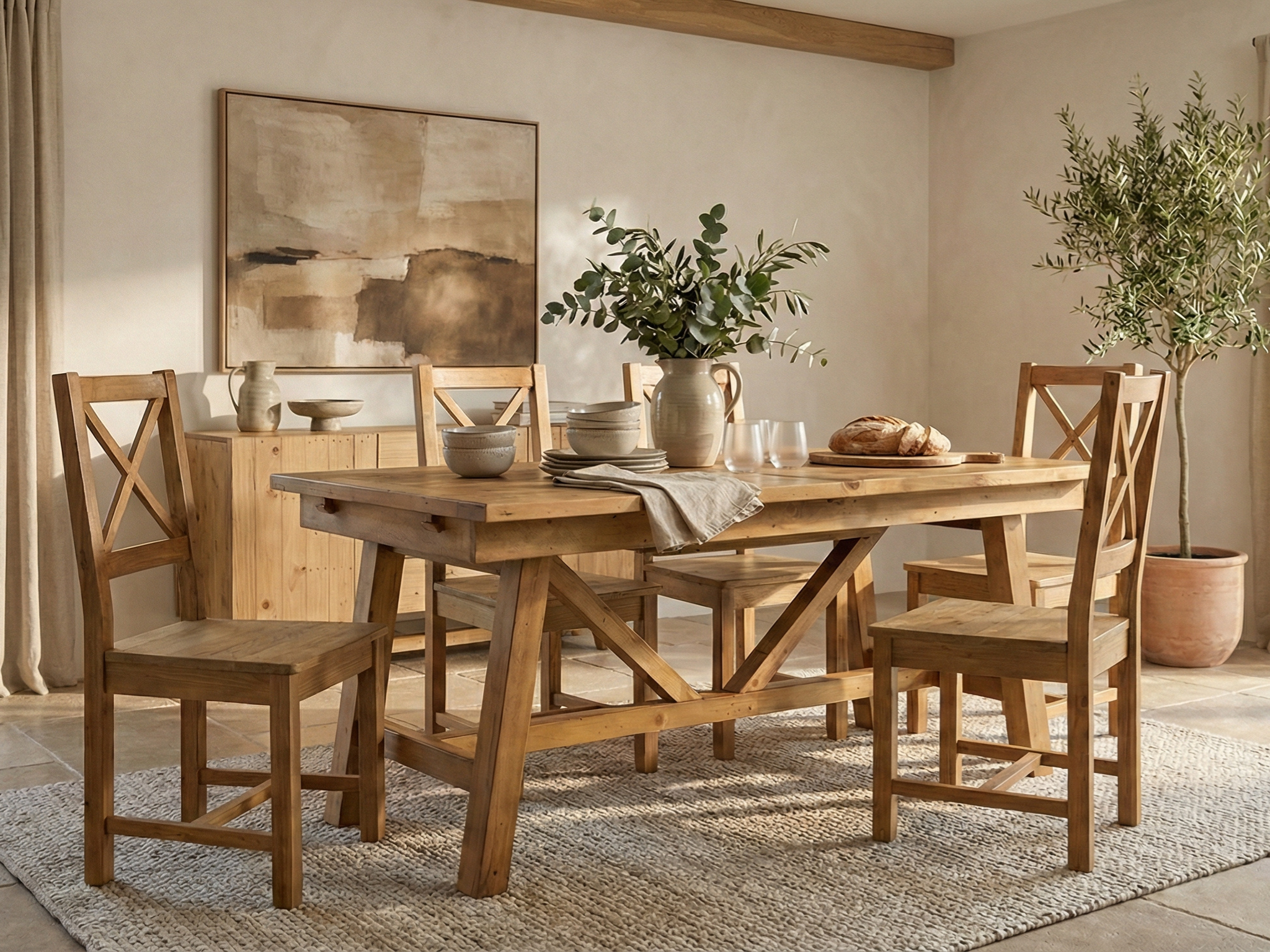
Mark loved what reclaimed timber did to a home. The depth of a grain that had already lived a life. The knots, the old nail holes, the faint tide-lines of a previous existence — the kind of character no factory can print onto a laminate. Mark's own description of it says everything: imperfectly perfect. The very marks that would be dismissed as flaws in a brand-new piece are exactly what give reclaimed wood its soul. Where new furniture arrives flawless and anonymous, a reclaimed piece arrives with a story already written into it. Put one in a room and it doesn't just fill a space; it anchors it.
That's the honest origin of the business. Mark set up Reclaim Nation because he was, quite simply, in love with the aesthetic — the warmth, the weight, the sense that a table had earned its place before it ever reached your kitchen.
The carbon benefit came second
The environmental case wasn't why Mark started — it came second. But once he understood the scale of it, it turned a love of the look into real conviction. Reusing wood that already exists avoids felling a new tree, keeps its stored carbon locked in, skips the energy-heavy work of hauling, sawing and kiln-drying fresh timber, and keeps usable wood out of landfill.
Reclaim Nation's wood is mostly reclaimed pine, with other salvaged timbers in the mix, so no single figure fits every piece. But reusing wood rather than felling and processing new is widely reckoned to cut the timber's carbon footprint by up to around half compared with a brand-new equivalent — and by far more against the mass-produced chipboard and MDF that fills the high street.
Mark keeps it honest, though: that's about the wood, not the whole journey. Reclaim Nation's furniture is still brought into the country by container ship, which carries a footprint of its own. Reclaimed wood is a genuinely better starting point than new — not a perfect one — and he'd rather say so than pretend otherwise.
A family business, built on a simple belief
More than thirty years in furniture gave Mark the eye. Reclaim Nation gave him the freedom to act on it — building a brand, now run as a family business, around a straightforward idea: that beautiful furniture and a more responsible choice needn't be two different things.
He didn't set out to save the planet. He set out to sell tables he actually believed in. It just so happens that a table with decades of character built into its grain is also a table that kept carbon locked away, spared a tree, and kept good wood out of the ground.
For Mark, the look was always the point. The carbon footprint was the happy proof that his instinct had been right all along.
Carbon comparisons are based on third-party life-cycle assessments of reclaimed versus new timber and are typical, cautious estimates; the exact saving varies by piece. Reclaim Nation furniture is made from reclaimed and responsibly sourced wood.