

















Sustainability is something that is on the forefront of everyone's mind, even more so now than ever, and although some are trying to make a conscious effort more than others, it's understandable that sometimes we all need a little bit of a push to change old habits or try to adapt to a new process, especially at work through sustainable office practices.
It's great to see that so many people, companies, the government and more are trying their best to become more sustainable and do their bit for the planet, many years ago there wasn't that much attention or attentiveness around doing so, but evidently it is still not enough and we all need to do more if we really want to become more sustainable and create a greener world for now and for future generations to come.
There are many ways to become more sustainable and sometimes the change doesn't need to be so big or drastic, small changes can make a big difference and so we've put together a few popular and simpler ways that we can make these adjustments as a way to become more responsible and sustainable.
Set Goals
It's all well and easy to say you want to become more sustainable, but sadly it isn't something that can happen overnight. So, create measurable and achievable goals that you can implement to help you become greener.
Reduce Energy Consumption
Although this is quite a common tip that you come across, it is one that has the potential to make a large difference. Making changes such as swapping out regular light bulbs for energy-saving ones, opening windows and doors during summer instead of using the air con, switching to renewable energy to power your space, distributing reusable water bottles to your employees, swapping fluorescent lighting for LEDs, developing areas where there is potential for more natural light to enter and so on. Those were just a few of the many options you have to hand.
Use Eco-Friendly Packaging
Choose eco-friendly packaging by picking biodegradable or compostable packaging materials whilst avoiding materials that can't be recycled. If you do need to use plastic don't use plastic that contains two types of polymers which as a result can make it un-recyclable, stick to one type.
If you want to be a bit fun as well as functional, where possible you could try to create packaging which is stylish as well as sturdy. Perhaps then it is less likely to end up in landfill as it's being reused by the customer.
Go Paperless
Easier said than done but try making the switch from paperwork to online documentation and billing. Here are a few paperless office tips to start the transition: digitise forms, encourage e-signatures, and centralise documents in a secure shared drive.
Did you know that the average office worker will use up to 45 sheets of paper per day, and two-thirds of that is considered waste? So not only will it drastically cut down on costs, paper waste and the deforestation of trees, it can also help to create more space in the areas where once there would be stacks of paperwork.
As we said, it is easier said than done, so if you can't go completely paperless because it isn't practical in your circumstance, try using sustainably sourced recycled paper, and even better if it is sourced locally too.
Working From Home
Stats have shown that remote working could have a huge impact on a company's environmental footprint. Research showed that increasing the number of people working from home in 2014 could save more than 3 million tonnes of carbon a year, a figure that would most likely increase if more and more people worked from home where possible.
Revamp Your Office Space
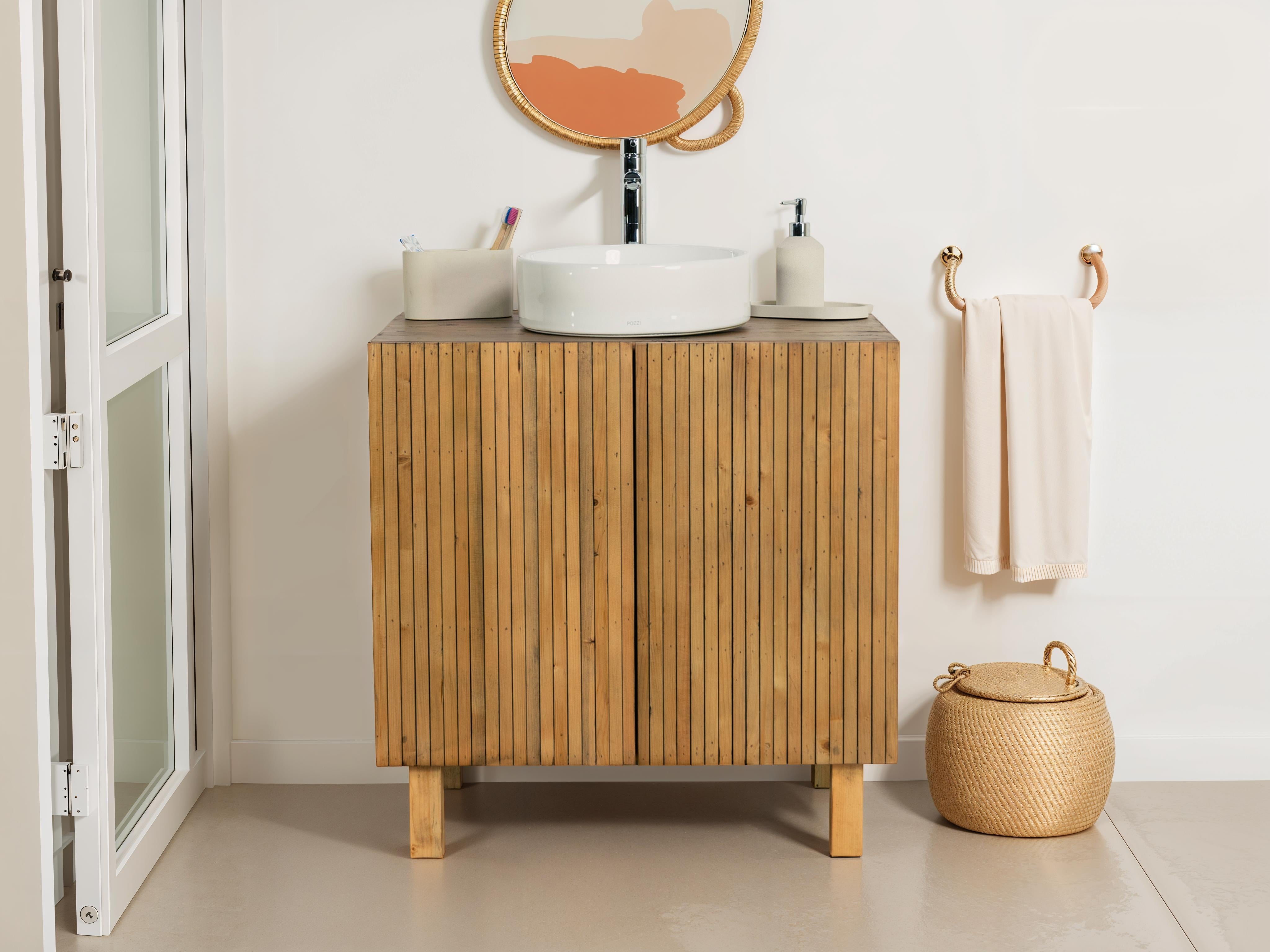
Whether you provide sustainable products and services, you can supply your own office with the same things. Why not purchase reclaimed office furniture the next time you redecorate your office or refurbish and up-cycle your current furniture if you're looking for a change rather than getting rid of it.
Create sustainable storage solutions in your warehouse or office to store your goods efficiently as well as in the correct conditions, as this is a cost that can add up over time, for example if you have manual lights in your warehouse which you forget to turn off as opposed to sensor-powered LED lights that will turn off if they sense they are not being used.
Make Charitable Contributions
If you can't make many sustainable changes immediately, support the process and perhaps donate a percentage of your profits to environmental programmes, join an initiative that supports the environment or even start a promotion regarding environmental impact. For example, here at Reclaim Nation (RN HOME) we plant trees every time our customer makes an order, so you can also find something that works for you.
Find A Green Business Certification Or Initiative
Everyone wants to say that their business is green or sustainable, but you want to make sure that you truly are or are on your way to be.
Joining a green initiative or finding certification that approves your sustainable practices is a good way to make sure you are what you say you are, give others an indication of what you're about so they can make a conscious decision about working with you or purchasing from you and most importantly it will keep you in check. For example, it could be a seal of approval such as 'our food is 100% organic' or 'all our packaging is recyclable' and so on. Consider pursuing a recognised green business certification to validate your efforts.
Becoming A 'B Corp'
Consider pursuing B Corp certification. This is where businesses voluntarily undergo certification every two years for their social and environmental performance by a global non-profit organisation. Taking part in something like this will not only motivate you to make sure that you are taking care of your own needs as well as the needs of the planet, but it will also help you to maintain or improve your standards further.
We hope these tips were useful for you. We all have an opportunity to do better not just for ourselves but for the planet too. It's a new year so that means another fresh start, let's all try our best to implement as many sustainable practices into our business as we can and get further to a greener and healthier planet earth!
Q&A
Question: How should we start setting sustainability goals for our business?
Answer: Treat sustainability as a gradual journey and create measurable, achievable goals you can actually implement. Pick a few high-impact, manageable actions from the article and turn them into clear targets—for example, replace fluorescent lighting with LEDs, move forms and billing to e-signatures, switch your space to renewable electricity, or commit to reclaimed furniture in your next office refresh. Keep the goals realistic so you can build momentum and expand over time.
Question: What are some quick, practical ways to reduce energy consumption at the office?
Answer: Focus on simple changes with big impact:
- Swap fluorescent lighting for energy-saving LEDs.
- Let in more natural light where possible.
- Open windows and doors in summer instead of relying on air conditioning when conditions allow.
- Switch your workspace to renewable energy.
- In warehouses or large spaces, use sensor-powered LED lights so they turn off when not in use.
Question: We can’t go fully paperless—what should we do instead, and why bother?
Answer: Start the transition with digital-first practices: digitise forms, encourage e-signatures, and centralise documents in a secure shared drive. It cuts costs and paper waste, helps prevent deforestation, and frees up space that paper used to occupy. The article notes the average office worker uses up to 45 sheets of paper per day—and two-thirds of that is waste. If going completely paperless isn’t practical, use sustainably sourced recycled paper, ideally from local suppliers.
Question: What can we do if immediate operational changes aren’t feasible?
Answer: Support sustainability in parallel while you plan bigger shifts. Donate a percentage of profits to environmental programmes, join an initiative that supports the environment, or run a promotion tied to impact. For example, the article mentions Reclaim Nation (RN HOME) planting trees for every customer order—find a similar approach that fits your business.
Question: How can we validate and communicate that we’re truly “green”?
Answer: Pursue recognised green business certifications or join credible initiatives to back up your claims and keep you accountable. Clear seals like “100% organic” or “all our packaging is recyclable” help customers make informed choices. Consider becoming a B Corp: businesses voluntarily undergo certification every two years by a global non-profit organisation that assesses social and environmental performance, which both validates current practices and motivates continuous improvement.


Leave a comment
This site is protected by hCaptcha and the hCaptcha Privacy Policy and Terms of Service apply.