






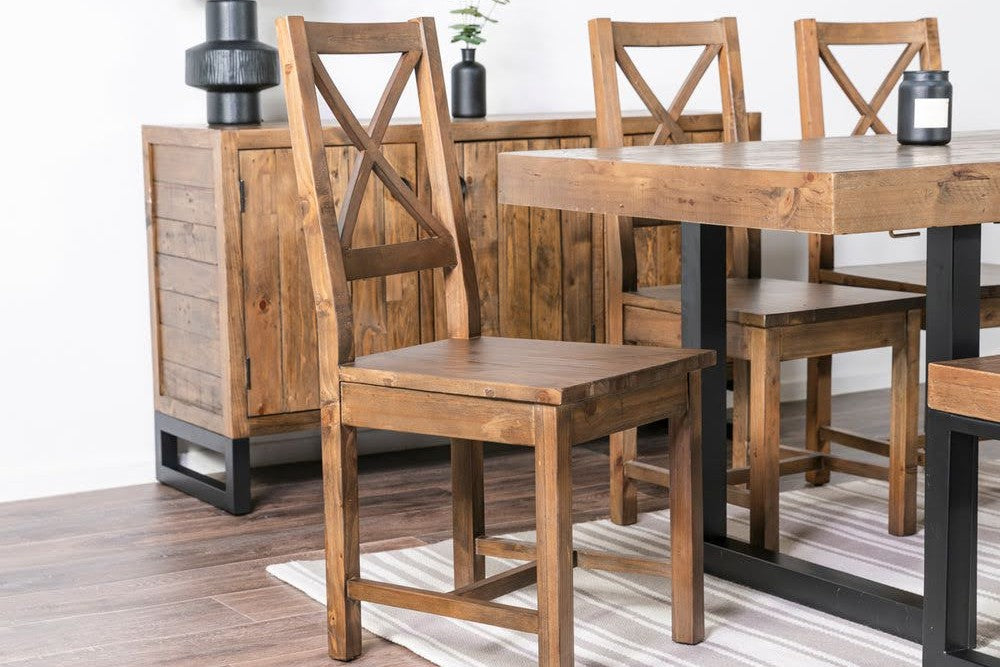
Reclaimed wood dining chairs are no longer just a niche trend enjoyed by interior design enthusiasts. In 2026, they sit firmly at the heart of the sustainable furniture movement — beloved for their character, environmental credentials, and the warmth they bring to any dining space. Whether you are furnishing a rural farmhouse in the Cotswolds or a converted flat in East London, these chairs offer something that factory-fresh furniture simply cannot replicate: history, soul, and substance.
But with so many options on the market, how do you choose wisely? This guide walks you through everything you need to know — from understanding the material itself to matching the right chair to your home and lifestyle.
Understanding Reclaimed Wood
Definition and Benefits
Reclaimed wood is timber that has been salvaged from old buildings, barns, factories, ships, wine barrels, and other structures before being repurposed into new furniture. Rather than felling fresh trees, craftspeople take wood that has already served one life and give it another. The result is furniture that carries genuine character — knots, nail holes, weathering marks, and rich colour variations that no amount of distressing or faux-ageing can fully imitate.
From a practical standpoint, reclaimed timber is often denser and more durable than newly harvested wood. Old-growth trees, felled and milled long before modern forestry practices, typically produced tighter grain and greater structural integrity. This means a well-made reclaimed wood dining chair is not only full of personality but is also built to last.
Differences Between Reclaimed and New Wood
New solid wood dining chairs are made from freshly cut timber that has been kiln-dried and processed. They tend to have a uniform appearance and are available in consistent finishes. Reclaimed wood, by contrast, is inherently imperfect — and that is precisely the point. Each piece tells a different story. Expect variation in tone, texture, and marking. Some buyers see these as flaws; those who understand reclaimed furniture see them as defining features.
There is also a significant environmental distinction. New timber requires fresh forestry activity — land use, water consumption, and carbon emissions from processing and transportation. Reclaimed wood sidesteps much of this impact, making it a genuinely lower-footprint choice in a world increasingly conscious of how our purchases affect the planet.
Trends in Sustainable Furniture for 2026

The Rise of Upcycled Furniture
Upcycled furniture has moved well beyond its craft-fair origins. Today, it commands premium price points and appears in some of the most respected interior design publications. The shift reflects a broader change in consumer values: buyers in 2026 are less interested in disposable trends and more focused on pieces that are meaningful, durable, and honest in their origins.
Upcycled furniture has moved well beyond its craft-fair origins. Today, it commands premium price points and appears in some of the most respected interior design publications. The shift reflects a broader change in consumer values: buyers in 2026 are less interested in disposable trends and more focused on pieces that are meaningful, durable, and honest in their origins.
Reclaimed wood dining chairs fall squarely within this movement. Unlike mass-produced alternatives, each chair is unique. No two are identical. That individuality has become a selling point rather than an inconvenience, particularly among buyers who value authenticity in their homes.
Importance of Eco-Friendly Choices in 2026
Sustainable furniture is no longer a niche preference — it is fast becoming the default expectation for conscientious UK buyers. As awareness of deforestation, carbon emissions, and waste grows, consumers are scrutinising where their furniture comes from and what happens to it at the end of its life. Reclaimed wood chairs offer a compelling answer: the raw material already exists, the craftsmanship adds value rather than consuming raw resources, and the end product is typically robust enough to last for decades.
For buyers in the United Kingdom, this aligns with evolving expectations around sustainable living — from energy-efficient homes to reduced single-use plastics. Choosing reclaimed wood furniture is a simple, tangible way to make your home more aligned with those values.
Features of Quality Reclaimed Wood Dining Chairs

Solid Wood vs. Other Materials
When shopping for reclaimed wood dining chairs, one of the most important distinctions to understand is between solid wood construction and engineered or veneered alternatives. Genuine solid wood dining chairs, reclaimed or otherwise, are built entirely from timber throughout — no particle board cores, no thin wood veneers over cheaper substrates. This matters enormously for longevity. A solid reclaimed oak or elm chair, properly maintained, can serve your dining table for generations. A veneered imitation will not.
Look for chairs that specify the species of wood used and confirm it is reclaimed rather than simply styled to look rustic. Reputable suppliers will be transparent about provenance — where the wood came from, what it was originally used for, and how it was processed. At Reclaimnation, for example, provenance is central to the product story rather than an afterthought.
Natural Wood Finishes and Their Appeal
Natural wood finishes are a key feature that separates quality reclaimed chairs from lesser alternatives. The best finishes protect the wood while allowing its natural grain, texture, and tonal variation to remain visible. Hardwax oils and beeswax finishes are popular choices because they penetrate the wood rather than sitting on top as a plastic-like lacquer. The result is a tactile surface that feels warm and genuine underhand.
Importantly, natural finishes are also easier to maintain and repair. A scratched lacquered surface often requires professional refinishing, whereas a hardwax oil finish can be spot-repaired at home. For busy UK households where dining chairs face the daily rigours of family life, that practicality matters.
Styling with Reclaimed Wood Dining Chairs

Incorporating Rustic Dining Chairs into Modern Farmhouse Decor
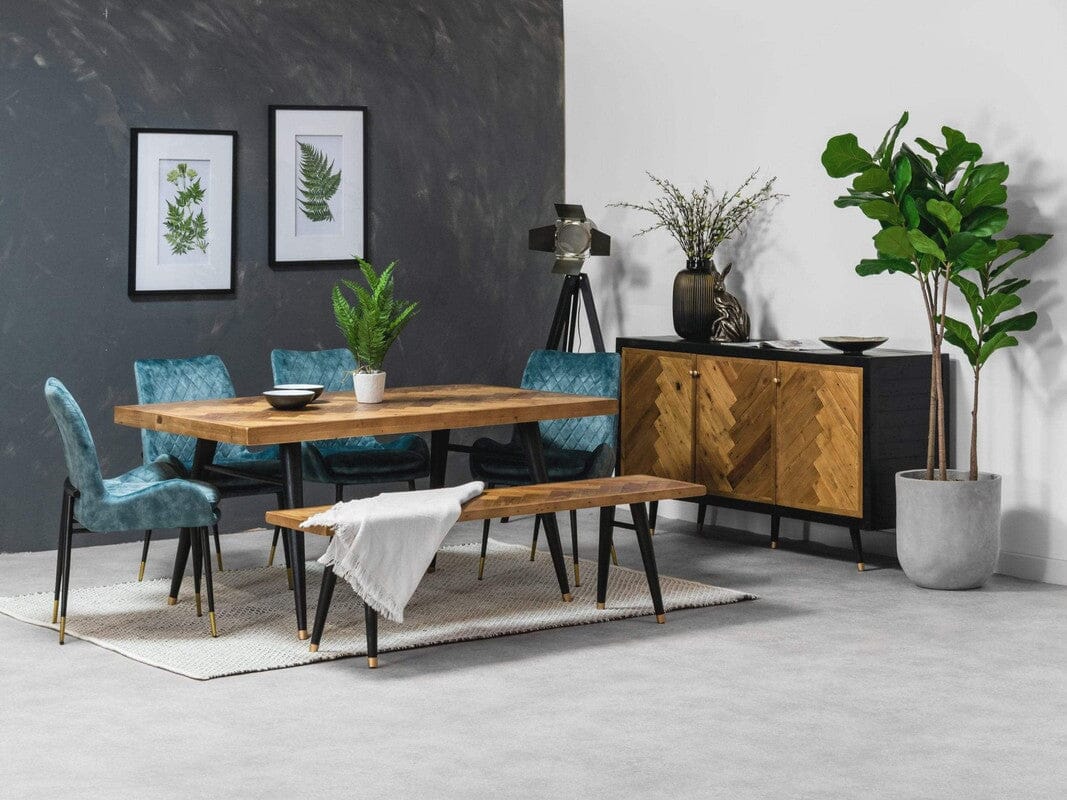
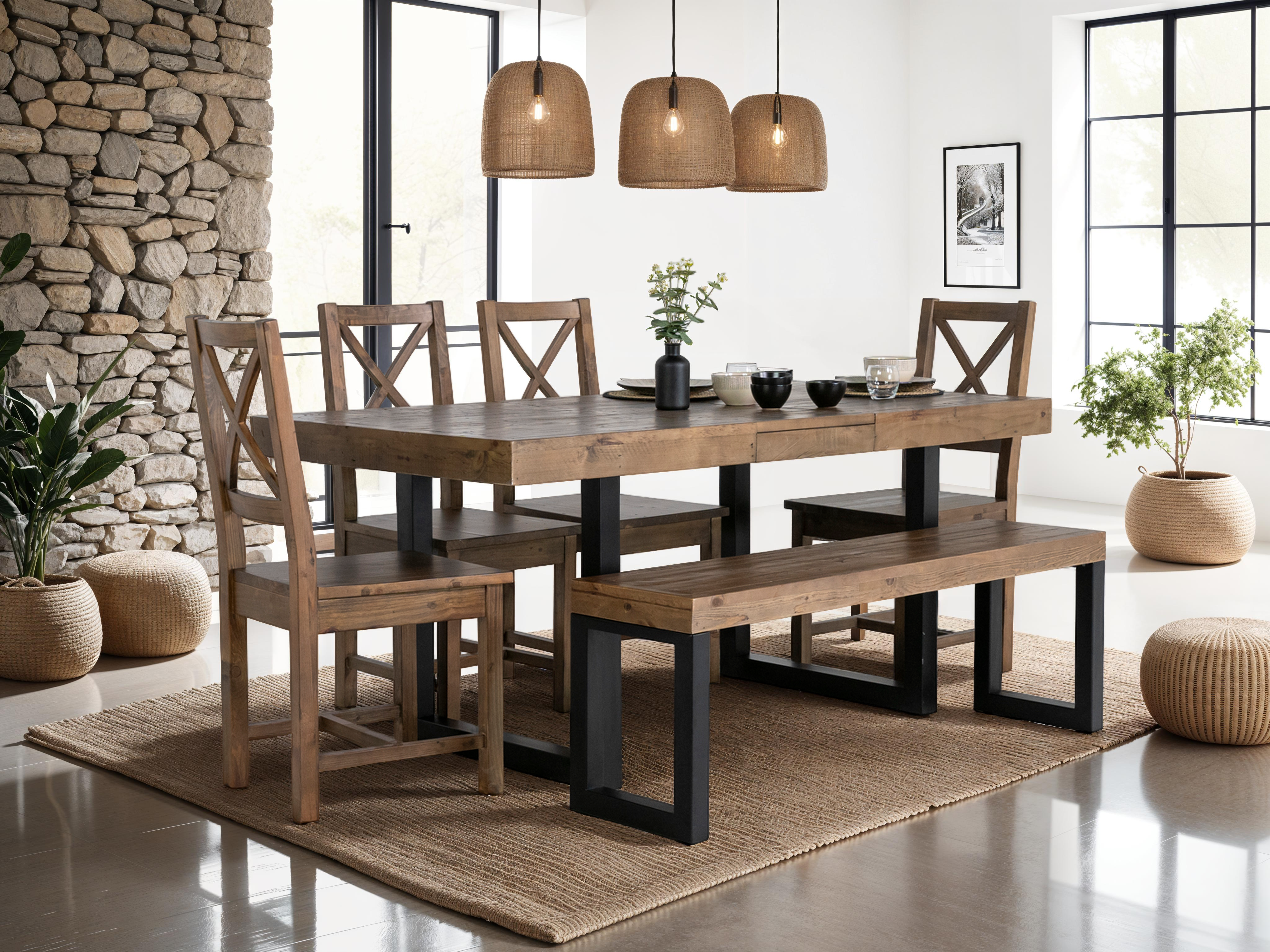
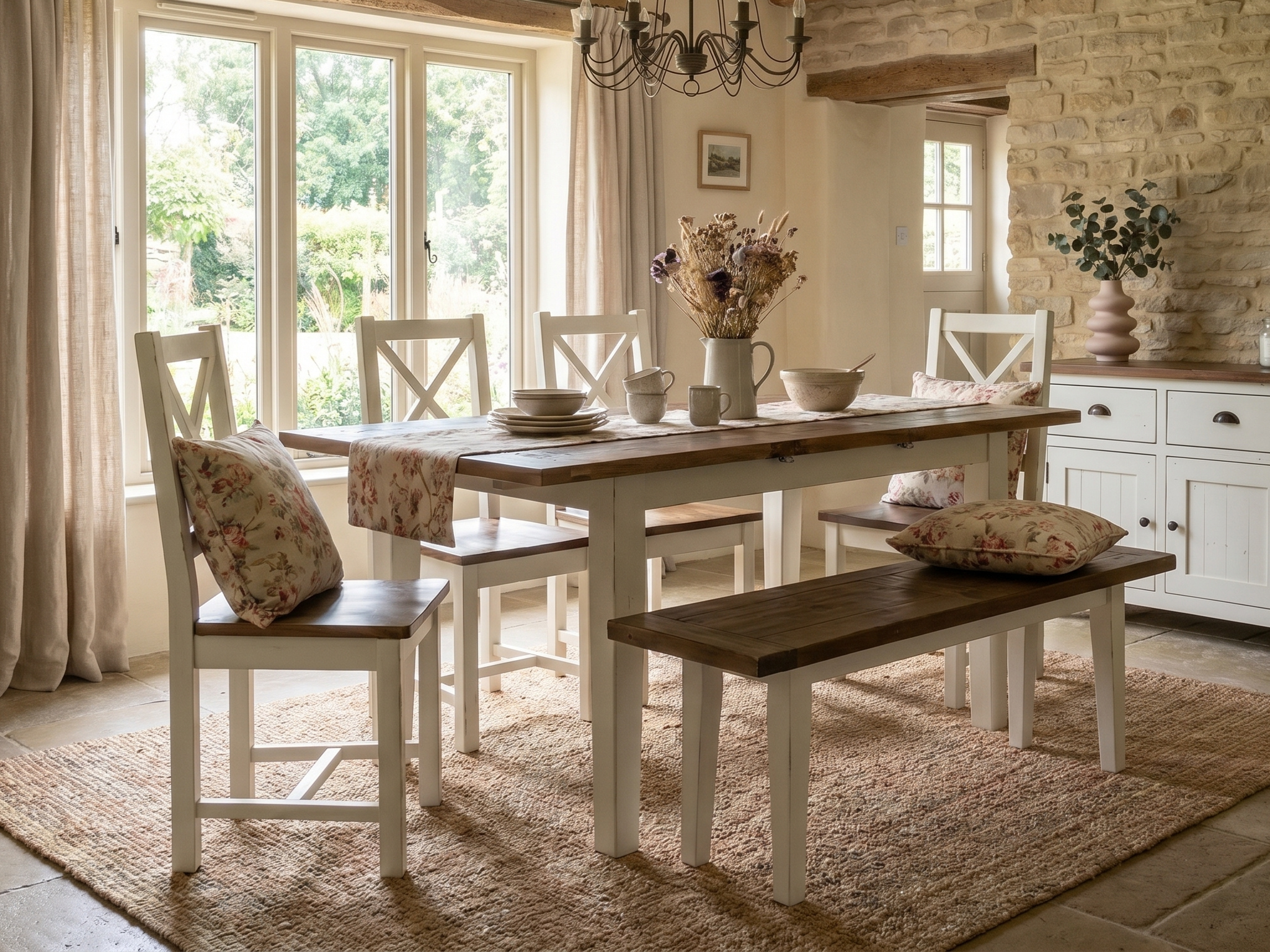
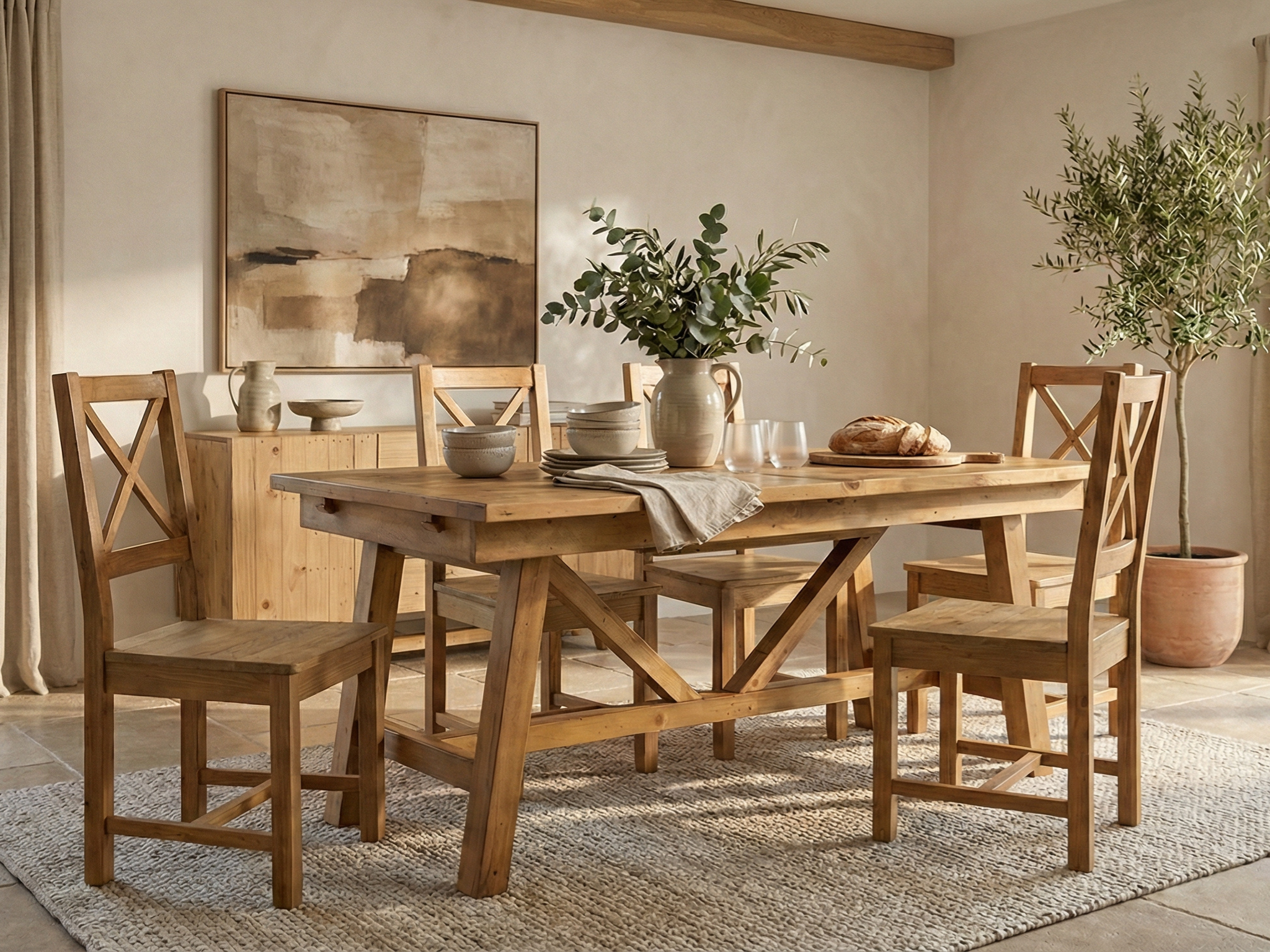
The modern farmhouse aesthetic has become one of the most enduring interior styles of the past decade, and it shows no signs of fading in 2026. Defined by a blend of warm natural materials, simple forms, and relaxed elegance, modern farmhouse dining chairs pair beautifully with the relaxed character of reclaimed timber. The key is in the balance: rustic wooden chairs benefit from pairing with clean-lined tables, neutral linen upholstery where applicable, and simple pendant lighting overhead.
In practical terms, look for chairs with simple, unfussy profiles — straight or gently tapered legs, slatted backs, and proportions that feel grounded rather than ornate. These will sit comfortably in a range of UK home settings, from new-build kitchens to period properties.
Creating a Rustic Chic Atmosphere
Rustic chic decor is about layering texture and warmth without tipping into clutter or chaos. Reclaimed wood chairs are one of the easiest ways to anchor this look. Their natural imperfections create visual interest that more polished furniture lacks. To build out the aesthetic, consider pairing your chairs with a stone or concrete floor, a woven jute rug beneath the table, and a mix of ceramic and aged-metal accessories on the sideboard.
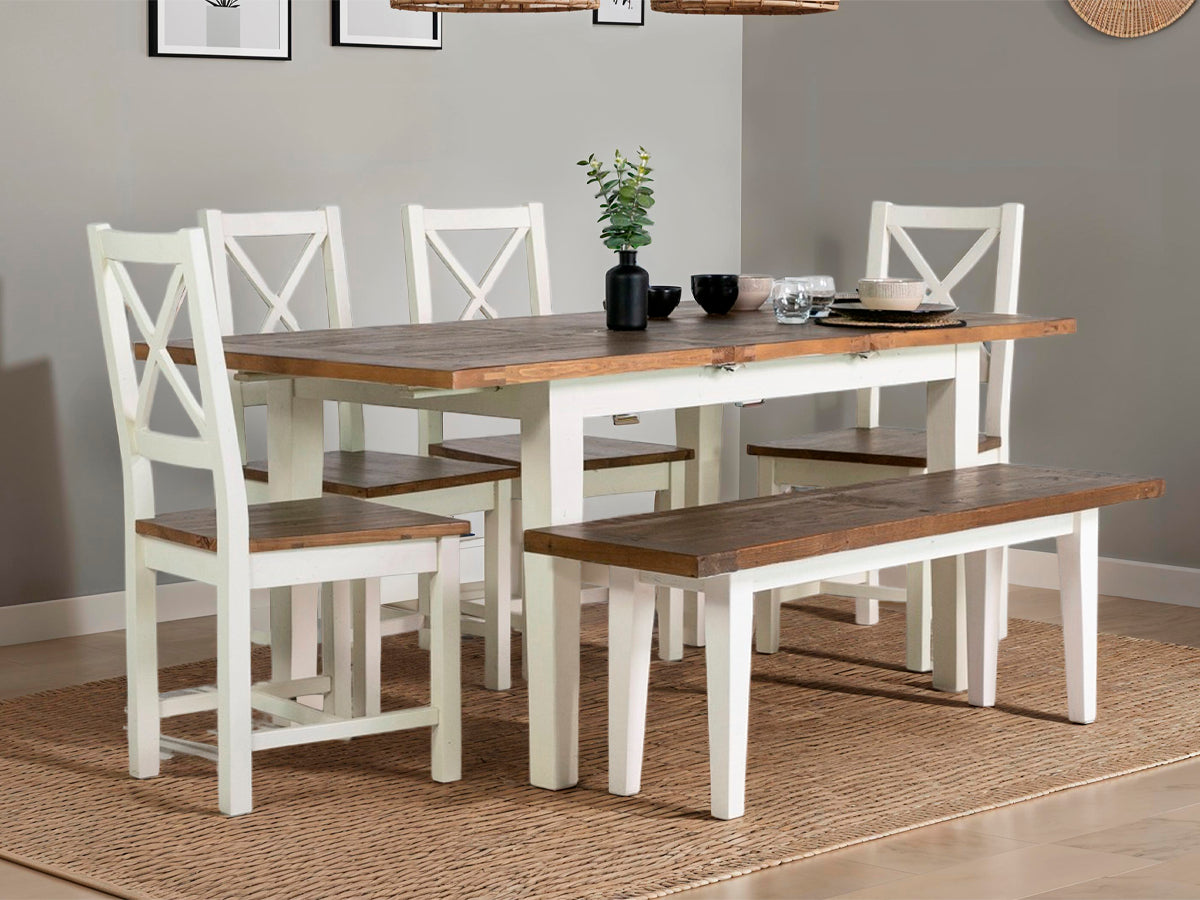
Avoid over-matching. Rustic chic thrives on considered contrast — a reclaimed wood chair against a sleek marble dining table, or around a painted Shaker-style table in a muted heritage colour. The wood's natural tones tend to harmonise readily with the muted, earthy palette that characterises this style.
Tips for Selecting the Right Dining Chairs

Measuring for Space and Comfort
Before purchasing reclaimed wood dining chairs, take careful measurements. The standard rule of thumb is to allow at least 60cm of width per chair around the dining table, and to ensure the seat height leaves roughly 25–30cm of clearance beneath the tabletop. Most dining chair seats sit between 44cm and 48cm from the floor. If your table height falls outside the standard 74–76cm range, measure accordingly.
Before purchasing reclaimed wood dining chairs, take careful measurements. The standard rule of thumb is to allow at least 60cm of width per chair around the dining table, and to ensure the seat height leaves roughly 25–30cm of clearance beneath the tabletop. Most dining chair seats sit between 44cm and 48cm from the floor. If your table height falls outside the standard 74–76cm range, measure accordingly.
Comfort is just as important as proportion. Sit in any chair before buying where possible, or order from a Reclaimnation as we offer a returns policy. Consider whether you want an upholstered seat pad — many reclaimed wood chair designs accommodate removable cushions, which can soften the experience for longer meals without compromising the chair's aesthetic.
Considering Aesthetic and Functional Needs
Think about how the chairs will be used day-to-day. A household with young children needs chairs that are easy to wipe clean and sturdy enough to withstand enthusiastic use. A home that hosts occasional dinner parties may prioritise aesthetics above all else. Both scenarios can be served by reclaimed wood chairs — but the specific design, finish, and construction will differ.
Also consider how the chairs will age. Reclaimed wood develops a patina over time that tends to enhance its beauty rather than diminish it. Minor scratches and marks from use often blend into the existing character of the wood rather than standing out as damage. That forgiving quality is one reason reclaimed wood furniture suits family homes particularly well.
Choosing Between Different Styles
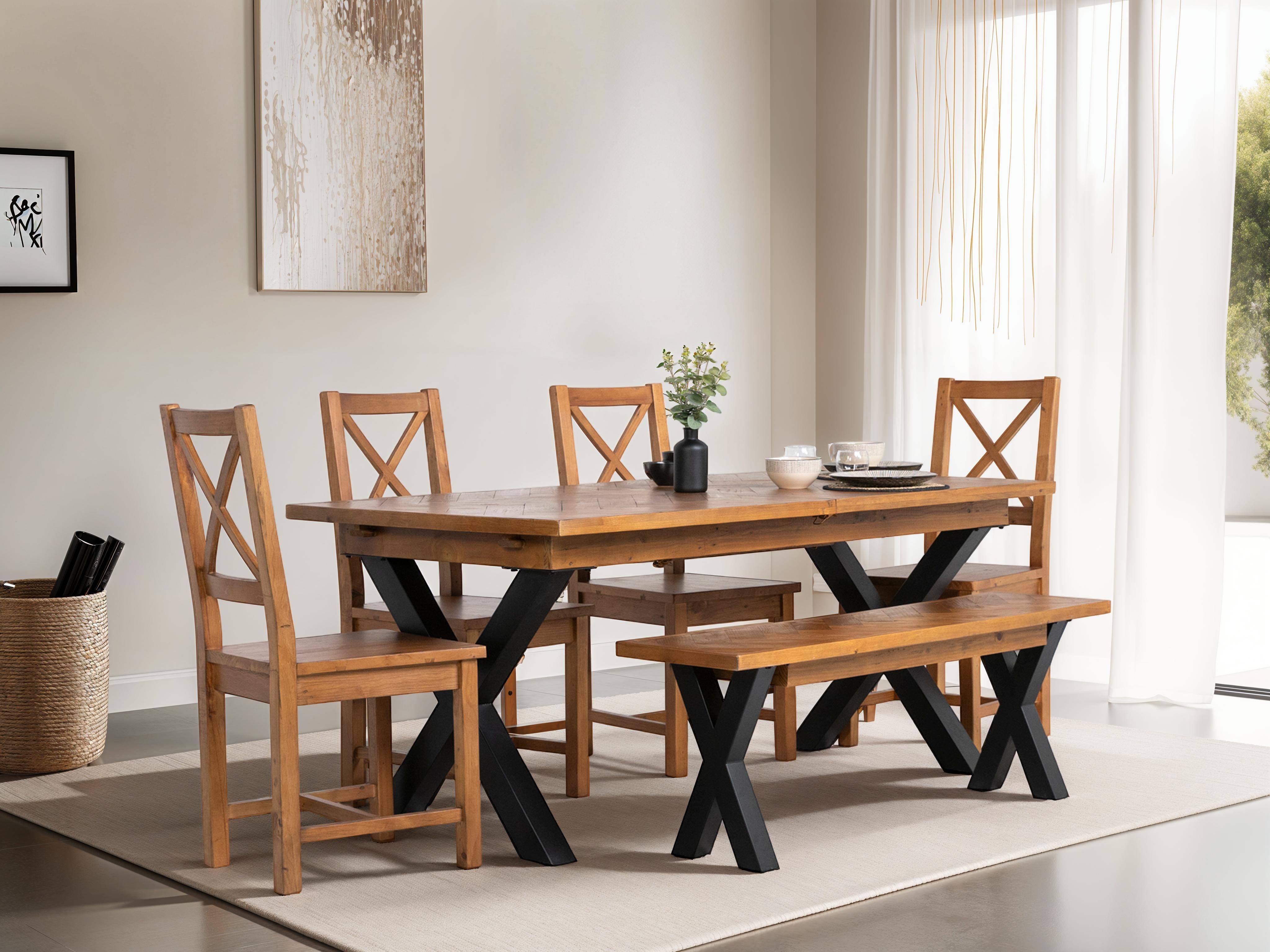
Reclaimed wood dining chairs are available in a wide range of styles — from stripped-back farmhouse benches and cross-back chairs through to more refined ladder-back and Windsor-inspired designs. The right choice depends on your existing interior and the atmosphere you want to create. For a relaxed, informal dining space, simpler forms with an unfinished or lightly oiled surface work well. For a slightly more dressed dining room, look for chairs with a cleaner silhouette and a more refined joinery detail.
Farmhouse style chairs remain perennially popular in the UK, particularly in rural and semi-rural properties, but they translate equally well into urban settings when paired with the right surroundings. The versatility of reclaimed timber — its ability to feel simultaneously at home in a thatched cottage and a Shoreditch loft — is one of its most compelling qualities.
Final Thoughts
Choosing reclaimed wood dining chairs in 2026 means investing in furniture that is genuinely better — better for the environment, better in terms of quality and longevity, and richer in character than almost anything produced from virgin timber. The key is to buy thoughtfully: understand the wood's provenance, assess the construction quality, check the finish, measure carefully, and ensure the style suits both your space and your way of living.
At Reclaimnation, every chair we sell carries a story. Browse our collection of handcrafted reclaimed wood dining chairs and find the piece that belongs in your home.

Leave a comment
This site is protected by hCaptcha and the hCaptcha Privacy Policy and Terms of Service apply.