








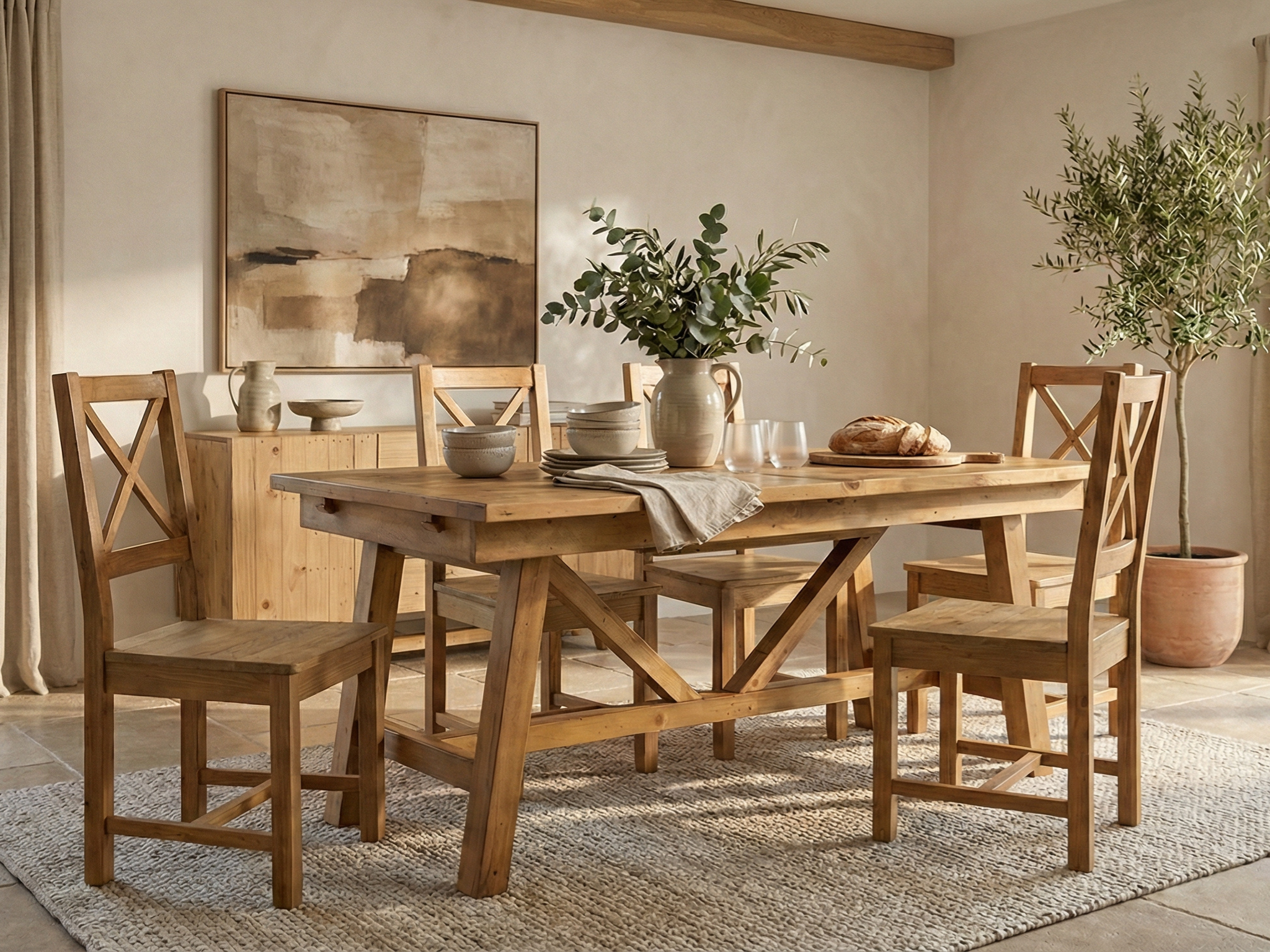

Why Choose Reclaimed Wood

The durability and eco-friendly nature of reclaimed wood furniture make it a popular choice for those looking to purchase new pieces. Not only does this option boast authentic character, but it also gives old timbers another chance at life by reusing them in ways other than simply burning or rendering away in a landfill. This approach aligns with eco-conscious home decor and green furniture ideals, offering a beautiful form of upcycled and sustainable wood furniture.
What to Expect in Appearance
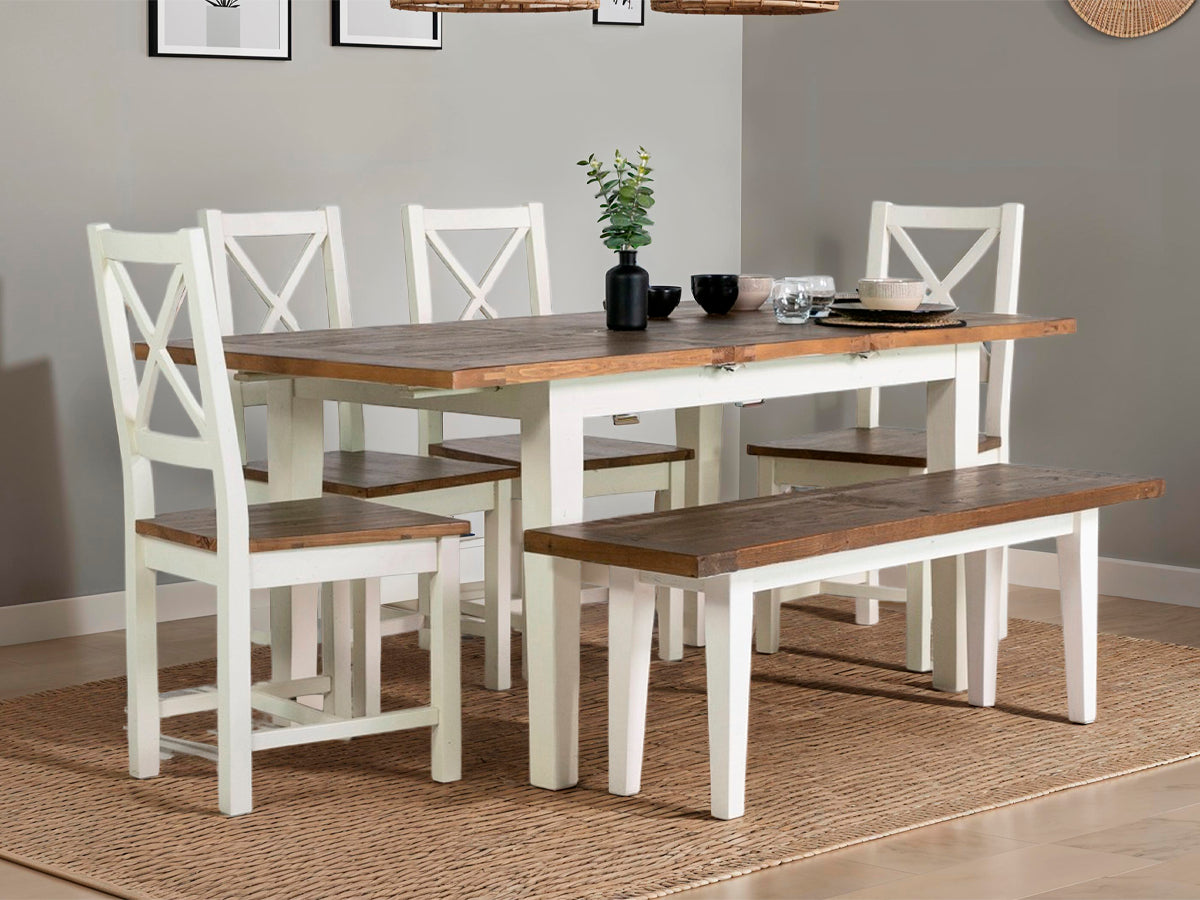
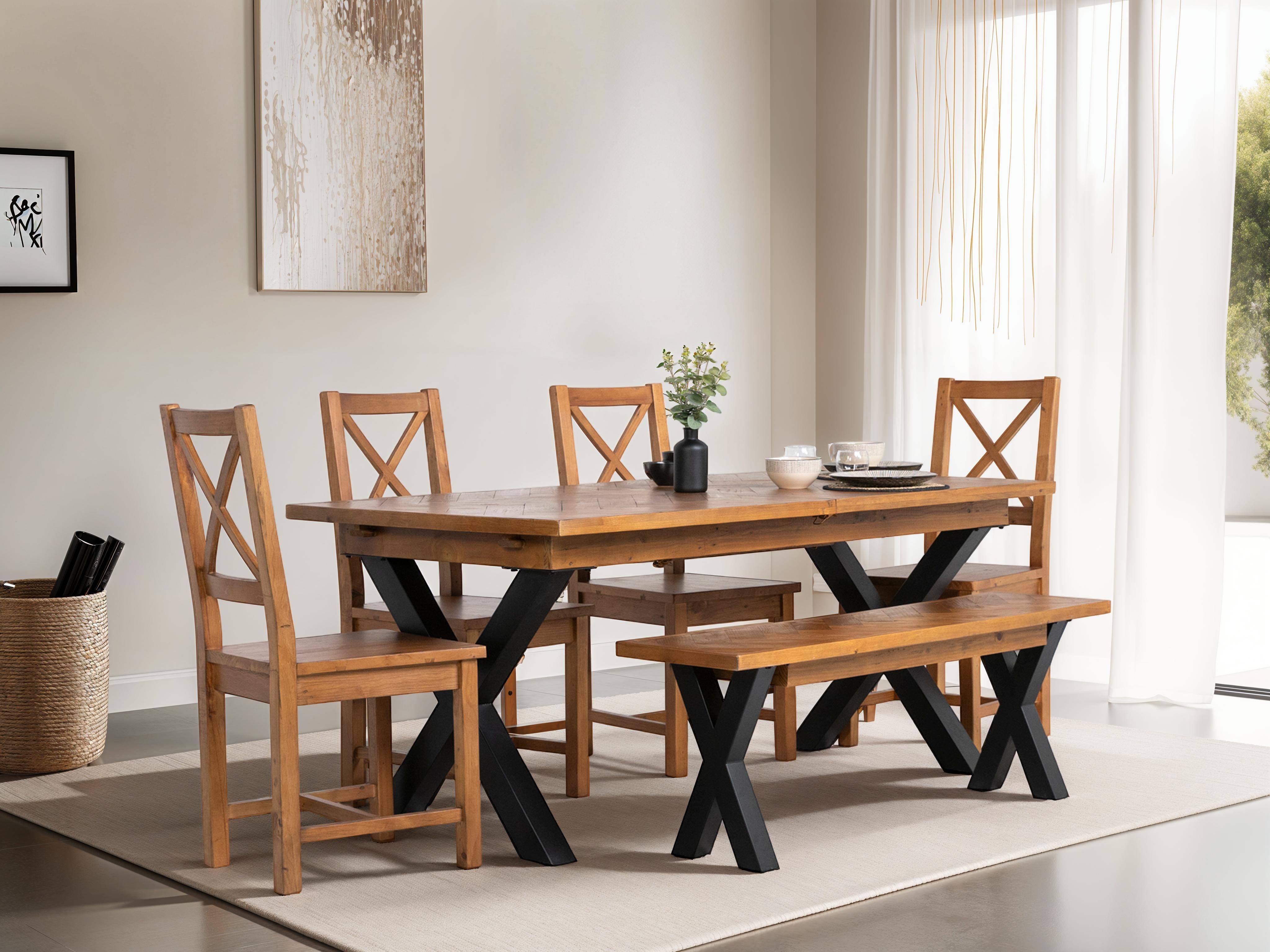
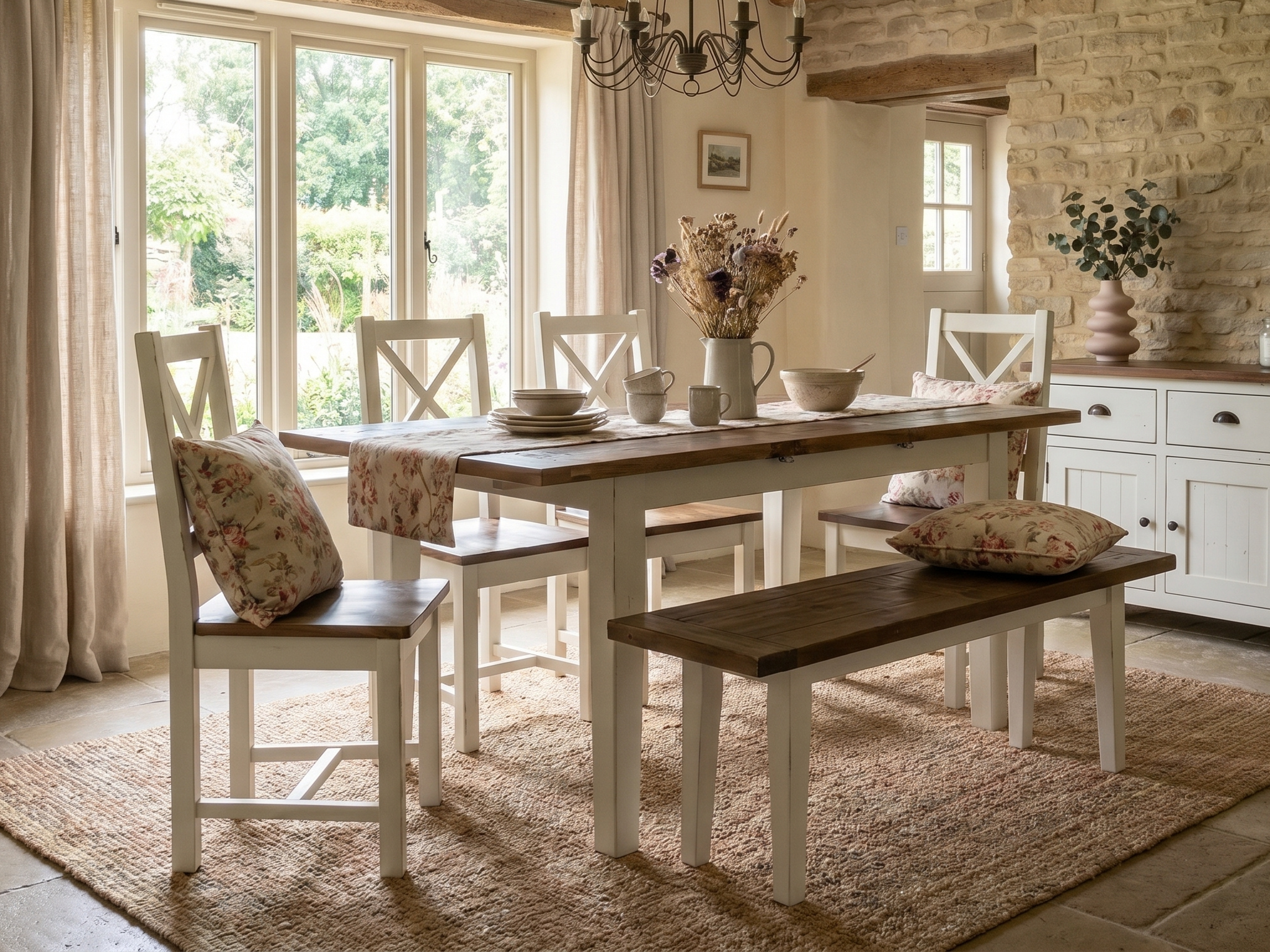
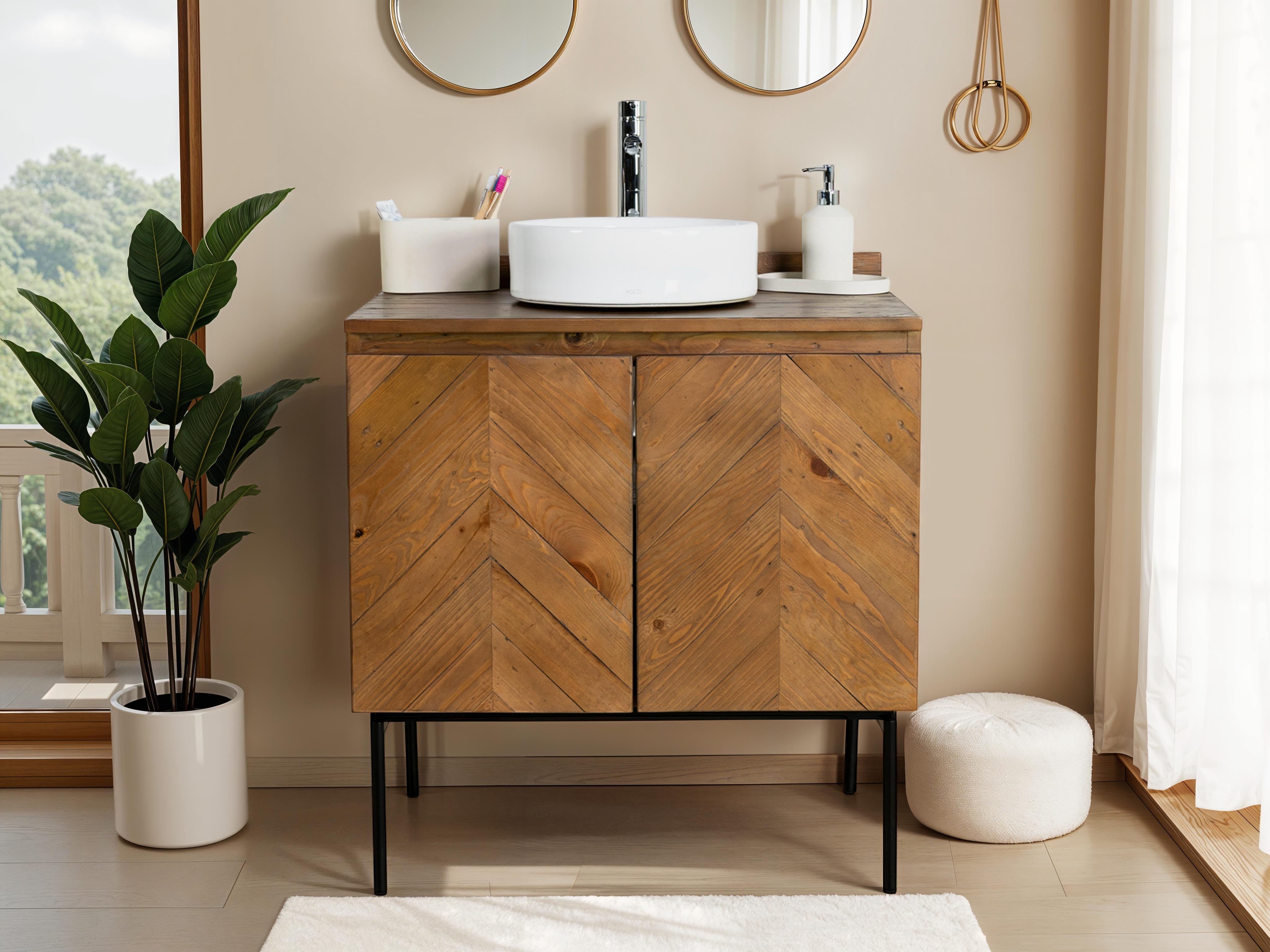
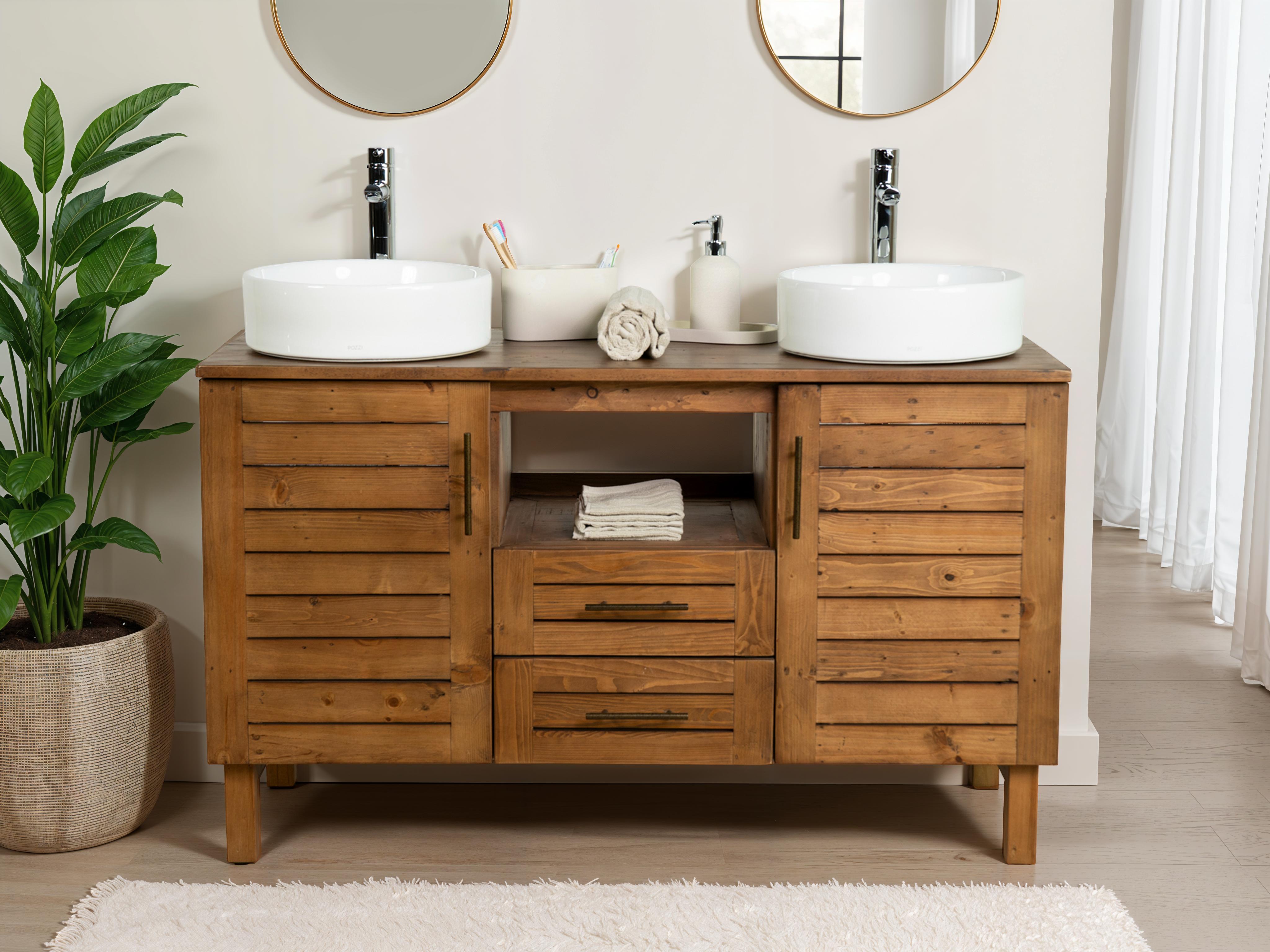
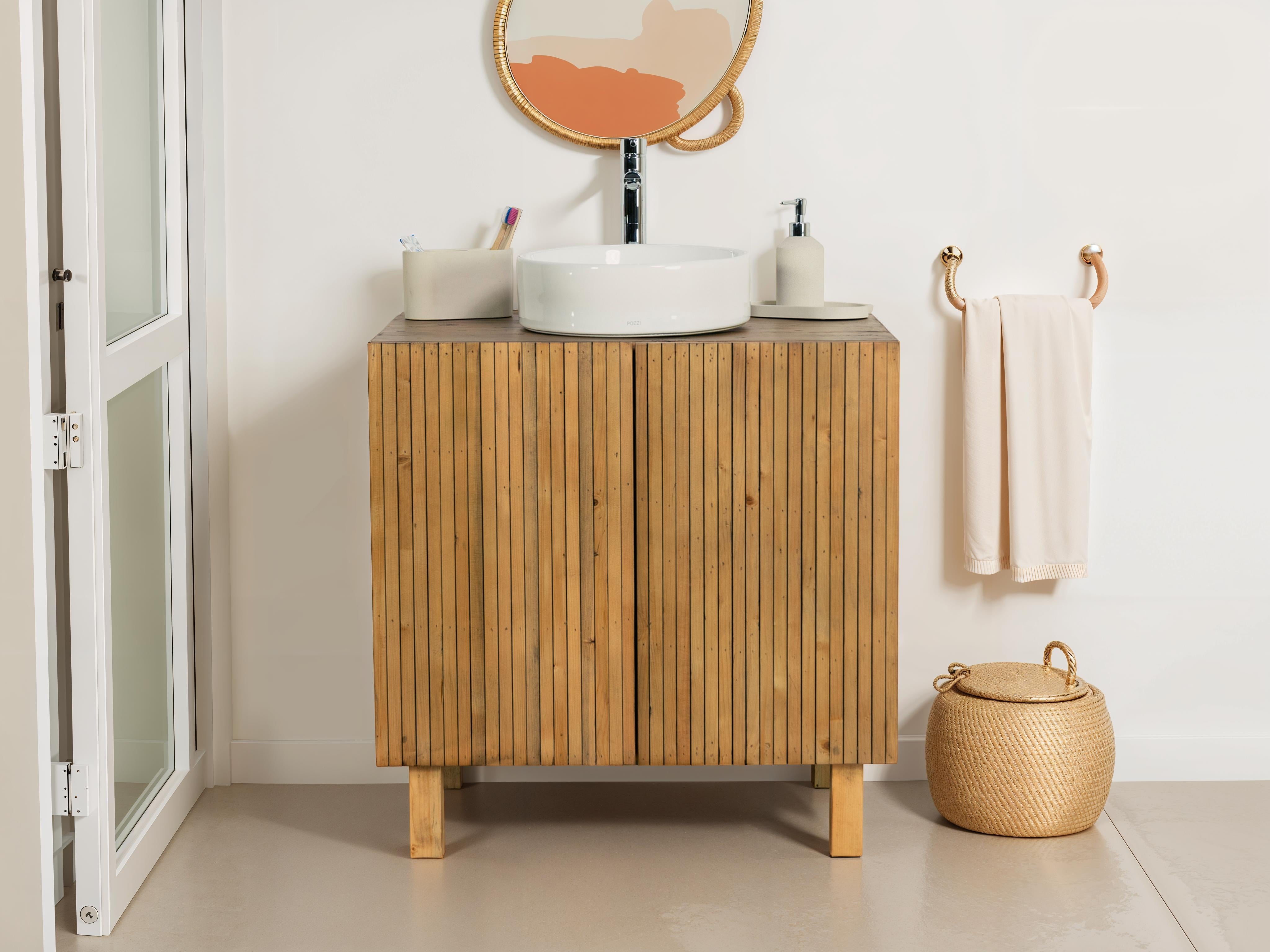
Rustic furniture pieces made from reclaimed wood are not intended to look new. They should proudly display tone variations, knots, and holes from where the nails have been hand removed—features that give the furniture genuine, unique character and history that new timber cannot match. A reclaimed dining table will last for many years if properly cared for, whether your style leans rustic or industrial.
Settling In: First Weeks at Home
- Reclaimed wood is a natural product that reacts to its surroundings and will take some time to “settle in” when you first bring it into your home.
- During this time, wax it regularly—about once a month—especially on frequently used surfaces.
- Using a lint-free cloth, apply wax along the grain to ensure it gets into all areas and leave for at least 30 minutes.
- Wax nourishes the timber and helps build up the stain resistance of the wood, increasing the table’s lifespan.
- If you plan to use a wood varnish, test it on the underside first in case it changes the colour.
Everyday Use and Protection
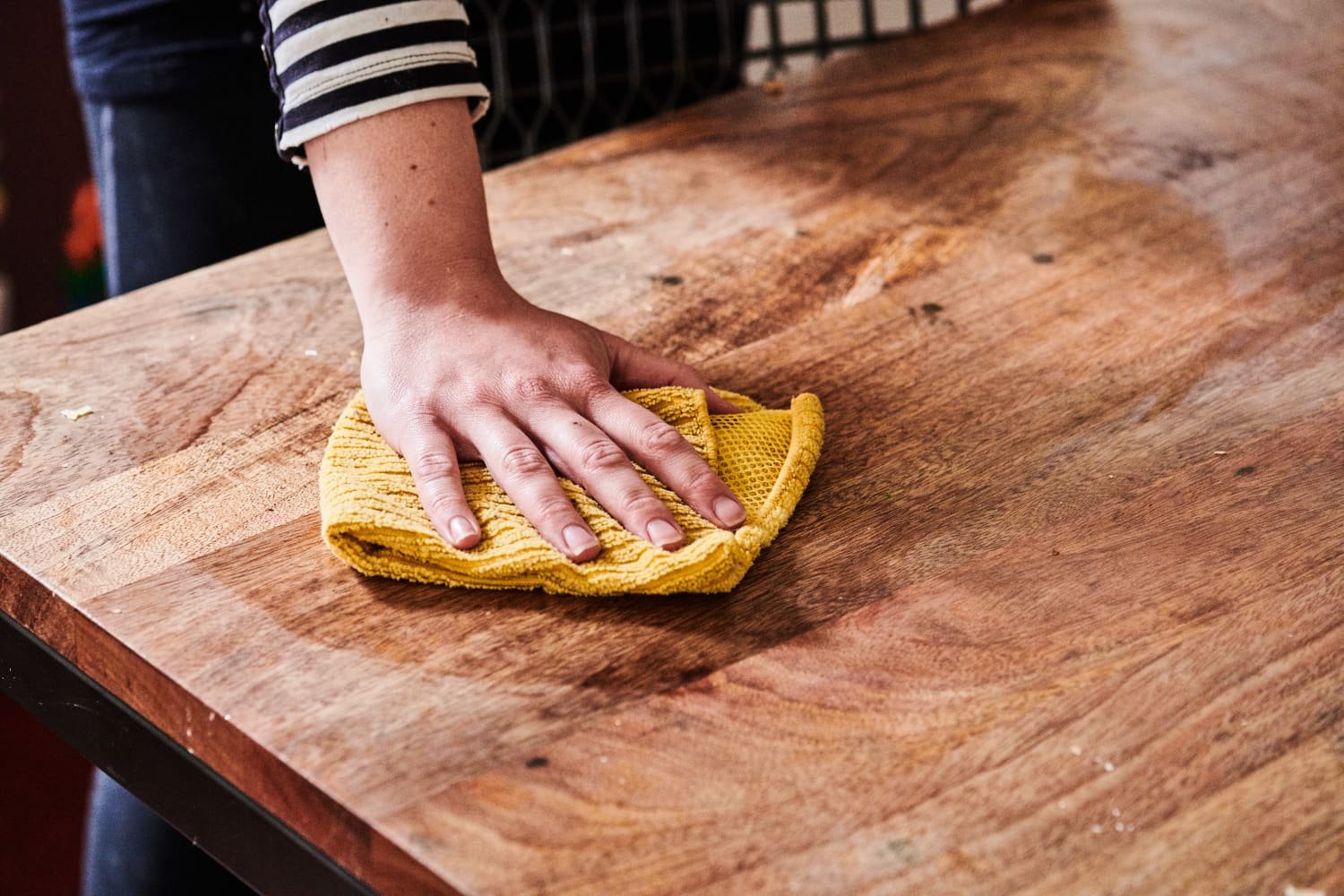
- Use placemats and coasters to avoid heat and water ring marks on your wood furniture.
- When writing, place something underneath the paper to avoid impressions and to provide a smoother surface—especially important for particularly rustic finishes.
- Don’t panic over spills. Wipe up excess water as soon as possible and avoid leaving puddles, but the table will be fine with the occasional splash.
Cleaning: What to Use and Avoid
- Avoid wood polishes that contain silicone, as they accumulate over time.
- For routine care on a regularly waxed table, use:
- A dry lint-free cloth, or
- A damp cloth with a little mild detergent.
Dealing with Scratches and Dents
- A reclaimed wood dining table is extremely forgiving, making it ideal for a busy family home—particularly with young children.
- Small scratches and dents can be easily blended with clear wax. Because a rustic table already has natural splits and nail holes, new scratches often become indistinguishable.
- There are numerous waxes available, and some rustic wood dining tables may use a slightly tinted wax. If unsure, snap a quick photo with your phone and ask your local hardware store for colour and product recommendations.
Frequently Asked Questions
Why choose a reclaimed wood dining table over new timber?
Answer: Reclaimed wood offers durability with eco-friendly benefits. You’re giving old timbers a second life instead of sending them to landfill or burning them, which aligns with green, upcycled, and sustainable furniture ideals. It also brings authentic character—patina, history, and uniqueness—that new timber can’t match.
What should I expect my reclaimed table to look like?
Answer: It’s not intended to look brand new. Expect tone variations, knots, natural splits, and small holes from hand-removed nails. These features are part of the table’s genuine character and history. In fact, minor new marks tend to blend in with the rustic look.
How often and how should I wax my reclaimed dining table?
Answer: When the table is new and “settling in” to your home, wax it regularly—about once a month, especially on frequently used surfaces. Apply wax with a lint-free cloth along the grain, ensuring coverage in all areas, and leave it for at least 30 minutes. Wax nourishes the timber and builds stain resistance, extending the table’s lifespan. If you plan to add varnish, test it on the underside first in case it alters the colour.
What can I do about small scratches or dents?
Answer: Reclaimed tables are forgiving. Light scratches and dents can usually be blended with clear wax. Some finishes use a slightly tinted wax; if you’re unsure, take a quick photo of your table and ask a local hardware store to recommend a suitable colour and product.
How do I prevent rings and keep the table clean day to day?
Answer: Use placemats and coasters to avoid heat and water rings. Place something under paper when writing to prevent impressions and to create a smoother surface, especially on very rustic finishes. Wipe spills promptly—don’t leave standing water—but there’s no need to panic over the occasional splash. Avoid silicone-based wood polishes (they build up over time). For routine care on a regularly waxed table, use a dry lint-free cloth or a damp cloth with a little mild detergent.



Leave a comment
This site is protected by hCaptcha and the hCaptcha Privacy Policy and Terms of Service apply.