





Introduction
A great way to bring a home to life? Plants! They take in pollutants, give out clean oxygen, and improve the air quality in our homes. They boost our mood, concentration, and provide many more physical and mental health benefits—while making our homes look good too.
As wonderful and resilient as they are, plants also need a bit of TLC from time to time. If you're wondering how to care for houseplants and how to keep houseplants alive, the following tips will help. You don't need green fingers or to be a budding botanist to keep your plants healthy—and, most importantly, alive. Use these handy tips to get your greens glowing and growing.
Summary
This guide offers simple, practical tips to keep houseplants thriving:
- Water based on soil dryness, with good drainage.
- Place plants in bright but indirect light suited to each species.
- Repot and refresh soil as they grow.
- Group plants with similar needs.
- Use plants to elevate décor—filling corners, shelves, walls, and tabletops.
Follow these basics to enjoy healthier, happier houseplants without needing expert skills.
1. Watering: Who Doesn’t Need a Drink Once in a While?
Although plants don't get thirsty all the time, they do need steady hydration. Plants are about 80–95% water, so it's important they’re topped up. Every plant is different, and most houseplants don't need frequent watering—the key is to water when the soil is dry.
- Check the top inch of soil before you water; if it’s dry, water.
- Ensure pots have drainage so roots don’t sit in water.
- Avoid both parching and drowning—find a happy medium.
- Tweak your schedule with the seasons.
2. Light: Sunshine Is the Best Medicine
How to achieve a glorious glow? Step out into the sun—and the same goes for plants. Some love to bask in the sun, while others prefer shade. Find out what your plant likes and try to place it in the lightest suitable space in your home.
- Most houseplants do best in bright but indirect light.
- Avoid harsh direct sunlight unless the plant tolerates it.
- Be prepared to try a few locations until your plant looks happy.
- Use bright windowsills or gentler, indirect areas depending on needs.
3. Repotting and Soil: One Size Doesn’t Fit All
Some plants are speedy growers and outgrow their pots sooner than others. In that case, repot so the roots have room to spread. Slower growers may not need repotting for years, but all plants benefit from fresh soil and occasional feed.
- Repot when roots fill the container or circle the bottom.
- Choose a slightly larger pot with drainage.
- Refresh the potting mix so roots can breathe.
- Add plant feed as directed to support growth.
4. Grouping: Everything Is Better Together
Just like us, plants enjoy good company. Keeping plants together can make your indoor garden look better—and some grow healthier when clustered rather than isolated.
- Group plants with similar light and watering needs.
- Clustering simplifies your care routine.
- Create visual impact with varied heights and textures.
5. Decorating: Fill in the Blank
Every home has tricky spots to decorate—let plants do the heavy lifting.
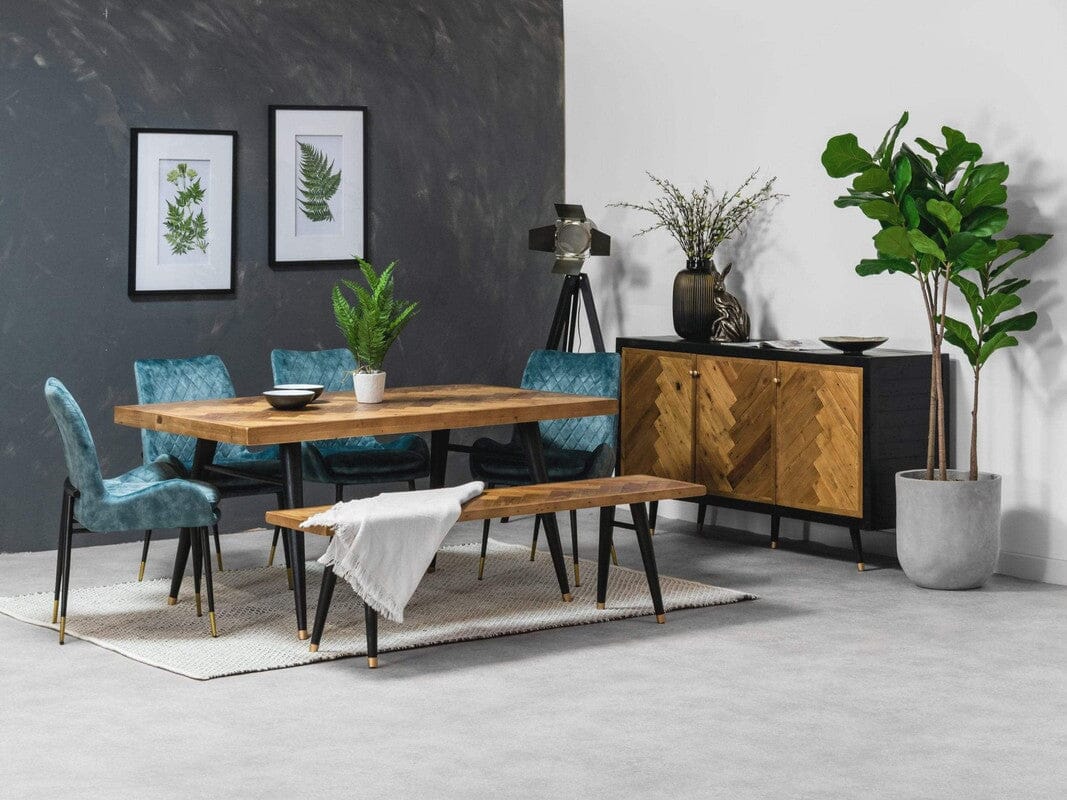
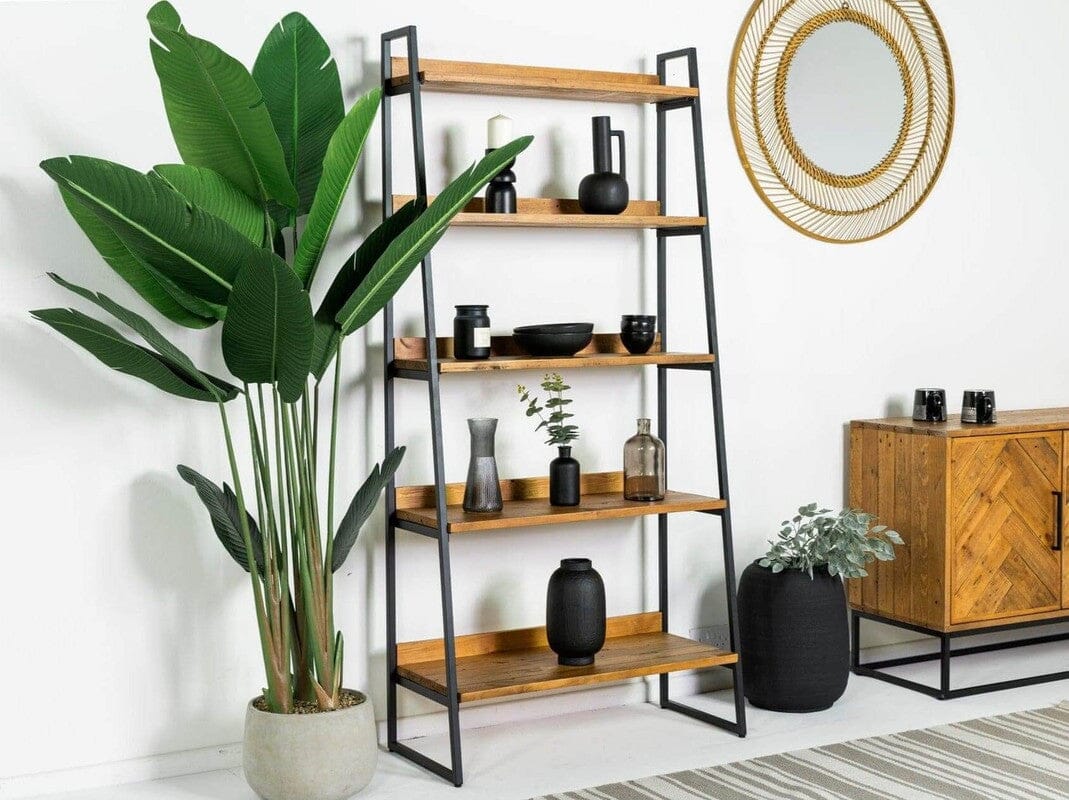
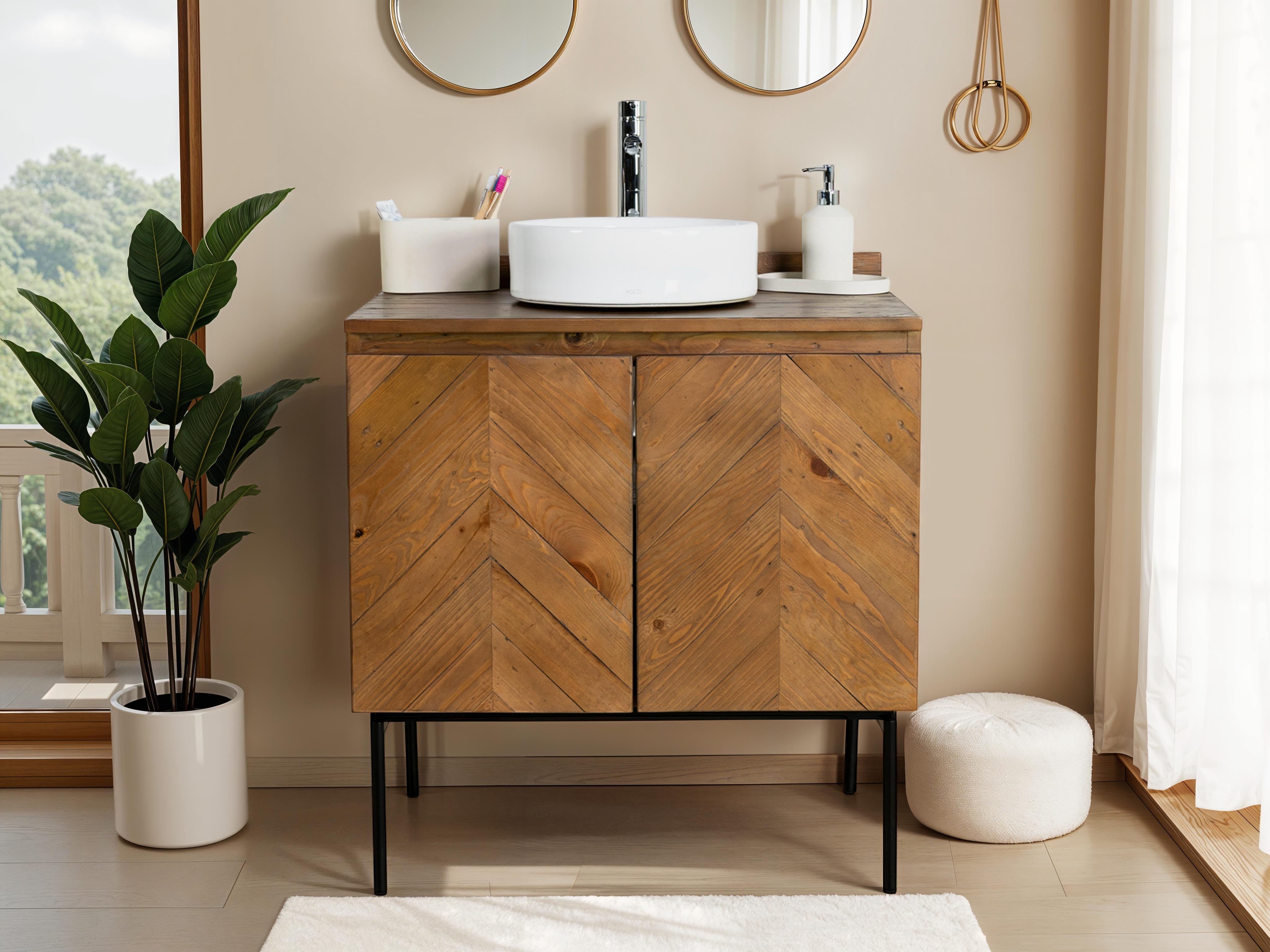
- Use tall, top‑heavy plants to anchor empty corners.
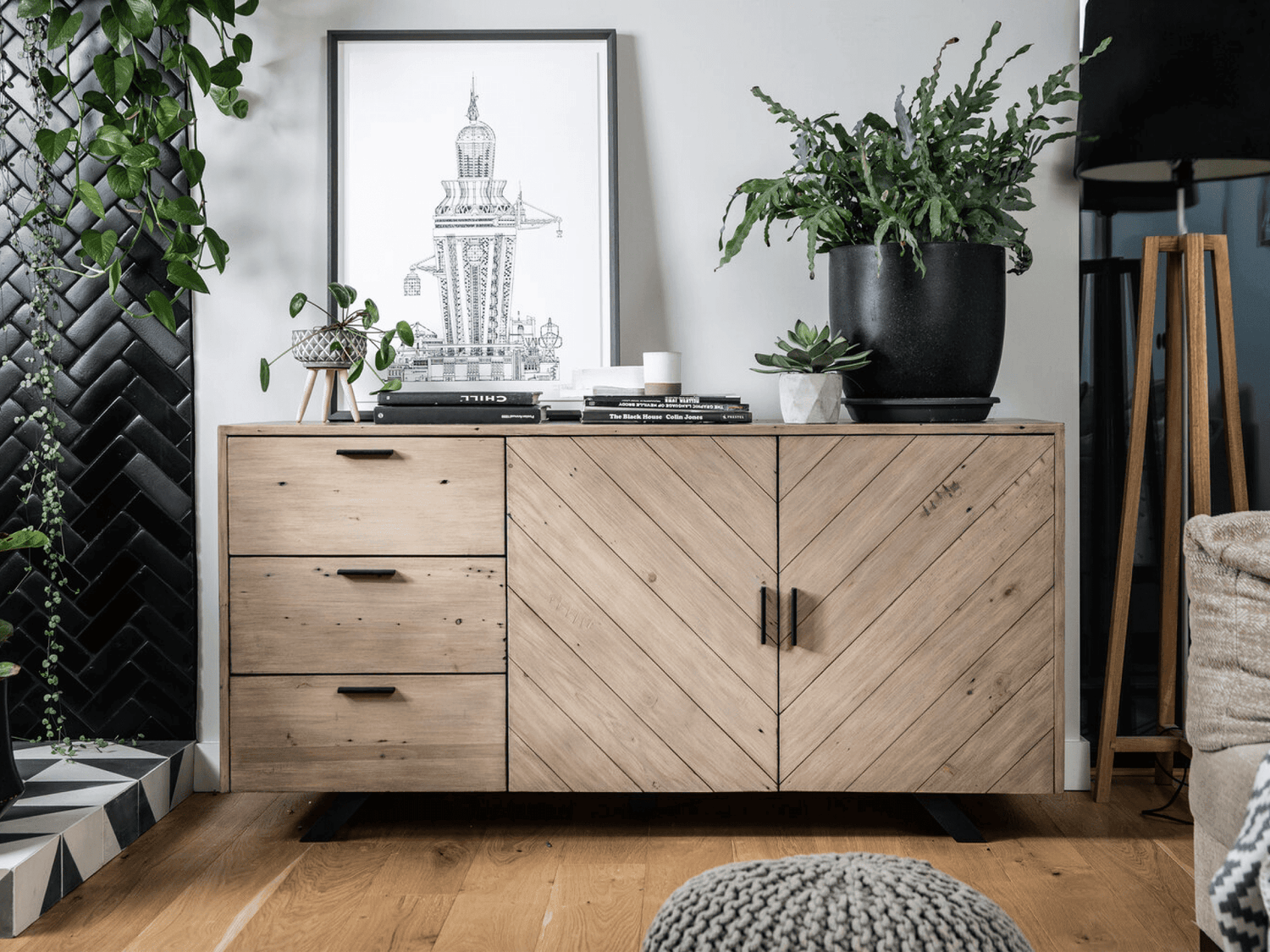
- Nestle trailing varieties into shelving.
- Add character to walls and tabletops so they don’t look bare.
Your luscious leaves aren’t far away—soon you’ll have an indoor garden to boast about. Green is go!
Q&A
How do I know when to water my houseplants?
Answer: Water based on dryness, not the calendar. Check the top inch of soil—if it’s dry, water, and make sure the pot has drainage so roots don’t sit in water. Avoid both letting plants go parched and overwatering; find a happy medium and tweak your schedule with the seasons. Remember, plants are 80–95% water, so steady hydration matters.
What kind of light do houseplants need?
Answer: Most do best in bright but indirect light, though each species has its own preference. Find the lightest spot in your home while avoiding direct sunlight, and be prepared to try a few locations until your plant looks happy. Use bright windowsills or gentler, indirect areas depending on the plant’s needs.
When and how should I repot my plants?
Answer: Repot when a plant outgrows its container so roots have room to spread—fast growers may need this sooner, while slow developers might go years. Choose a slightly larger pot, refresh the potting mix, and add some plant feed to help them along. Keep an eye out to prevent any “growing pains.”
Is it better to group houseplants together?
Answer: Yes—grouping plants with similar needs can make them healthier and easier to care for. Some plants grow happier together than in isolation, and clustering by shared light and watering requirements simplifies your routine while improving your indoor garden’s look.
How can I use houseplants to decorate tricky spaces?
Answer: Let plants fill the “blanks.” Tall, top‑heavy plants anchor empty corners; trailing varieties nestle neatly into shelving; and well‑placed plants add character to walls and tabletops so they don’t look bare.



Leave a comment
This site is protected by hCaptcha and the hCaptcha Privacy Policy and Terms of Service apply.