
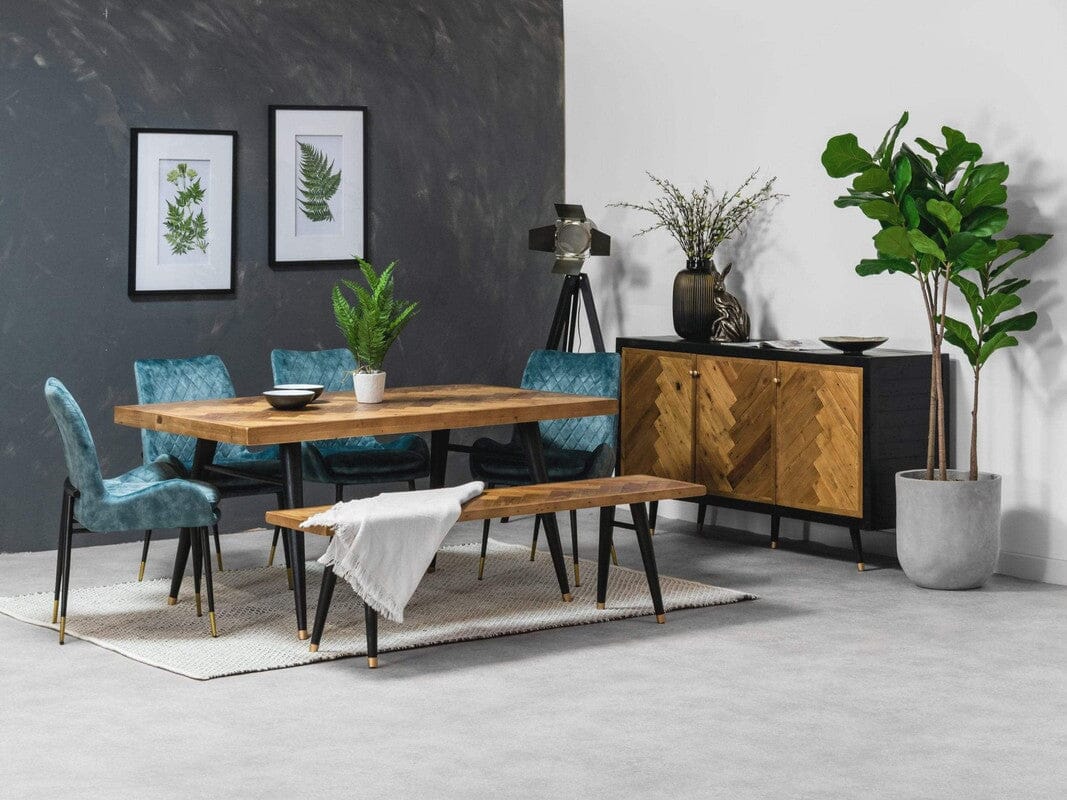
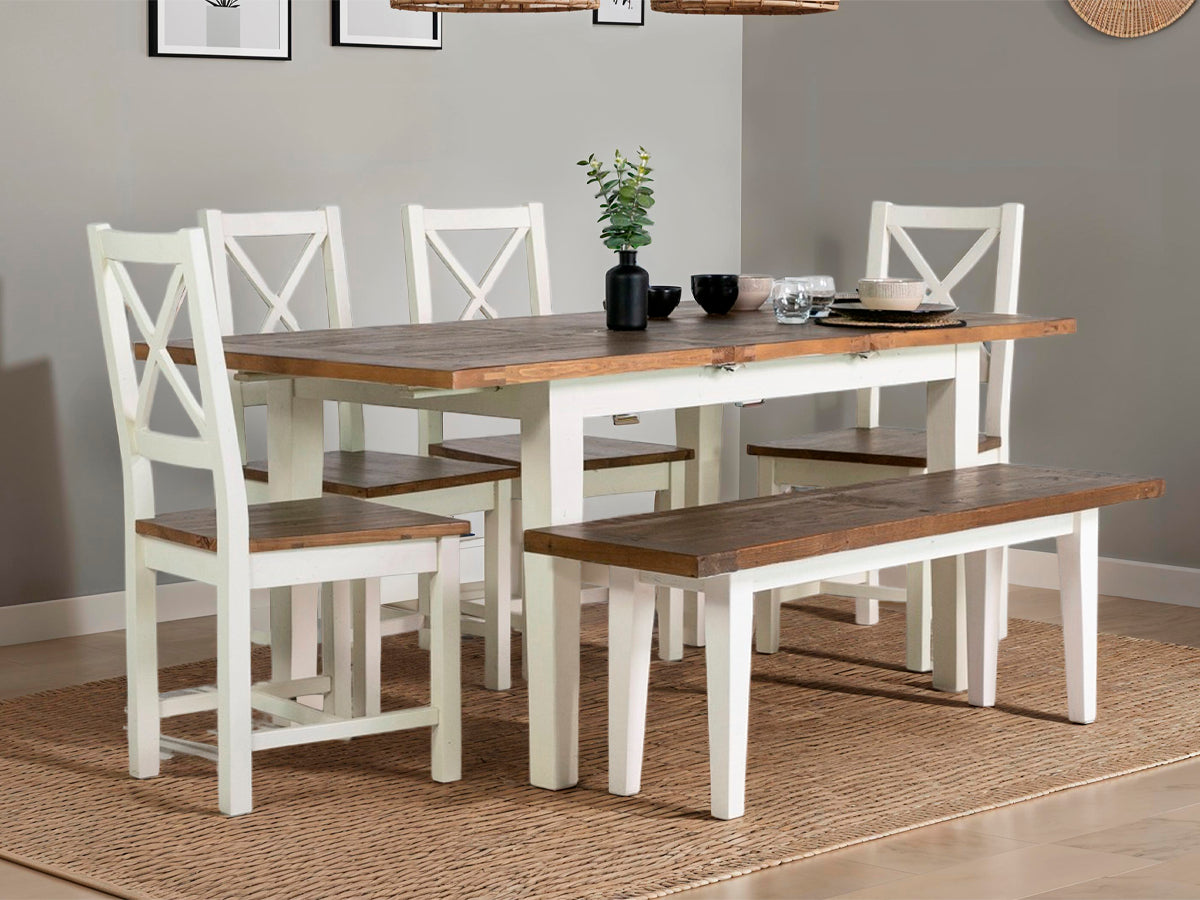
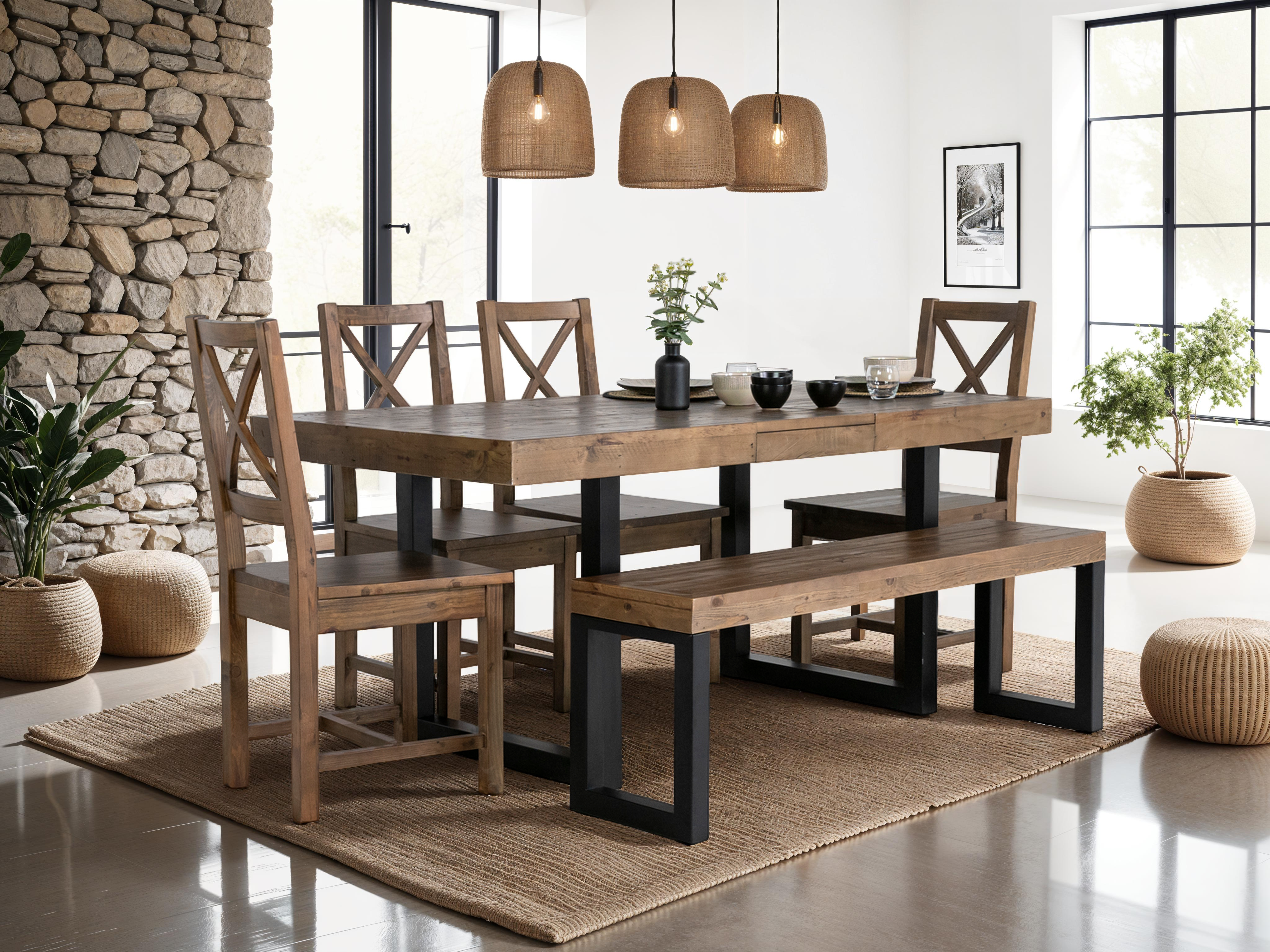
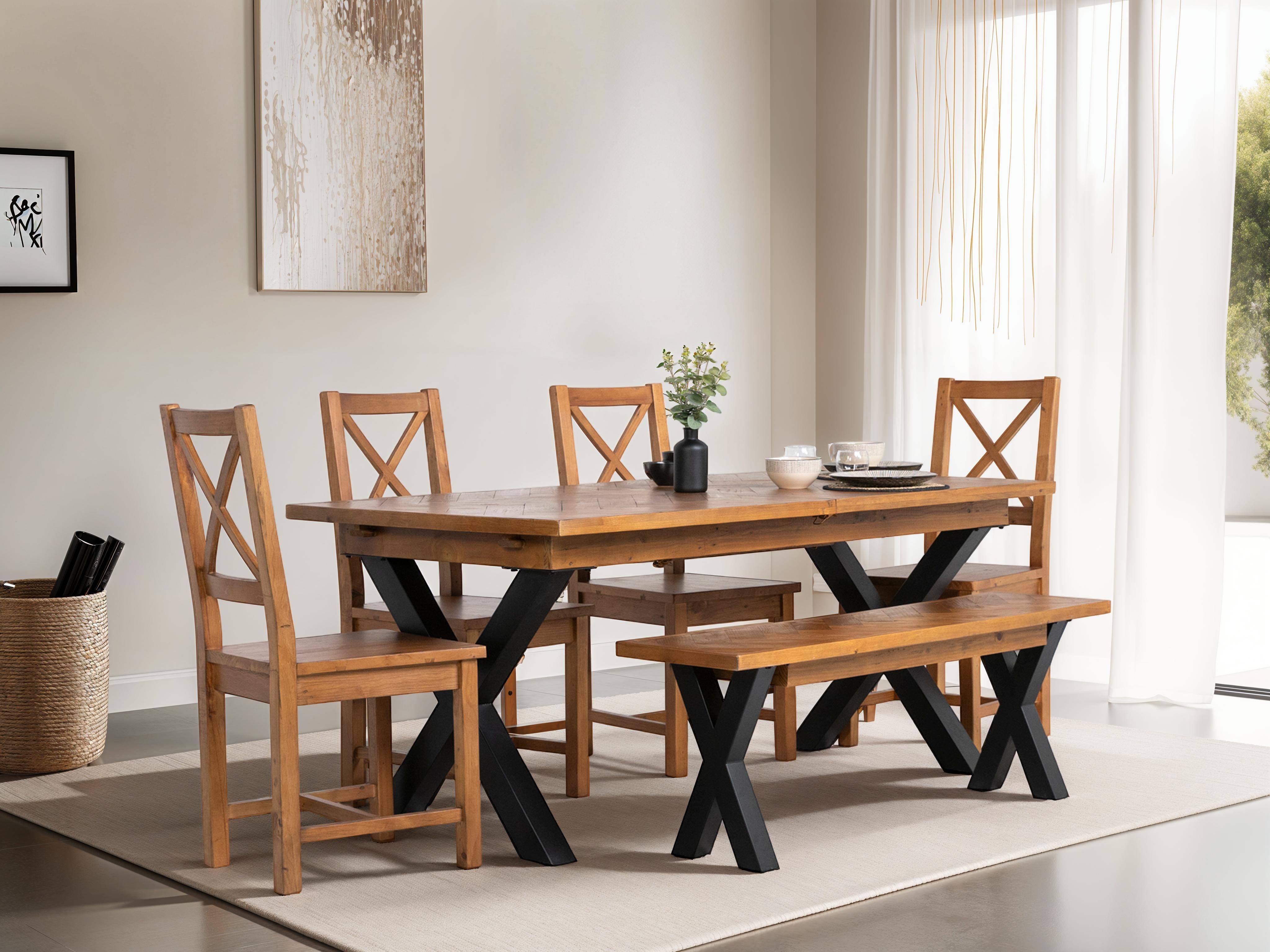




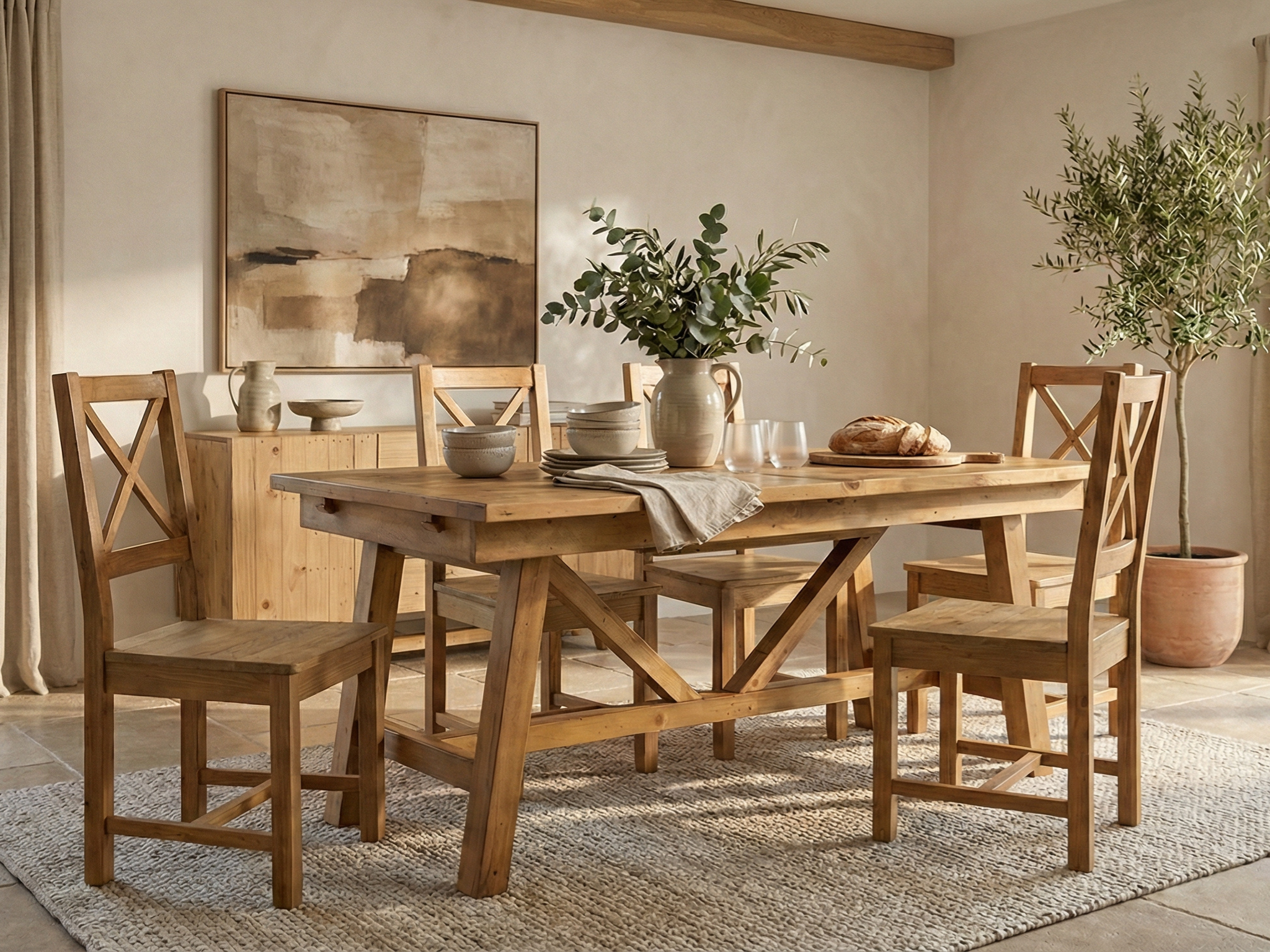


Whilst doing our research, we've come across many interesting points which suggest that eating and dining together holds many physical and psychological benefits. A writer called Francois De La Rochefoucauld said "To eat is a necessity, but to eat intelligently is an art." This doesn't mean you have to eat grand meals or lay out a 7 course meal for fine dining, this is essentially eating a simple meal or snacks with family, close friends, roommates or even pets, because pets are considered family too of course!
Now, let's move on to eating sustainably. The following sustainable dining tips can help you create a space that supports those habits. It is no doubt that incorporating sustainably bought and made food as well as consuming plant based foods is important for our diet, but it is also equally important that we dine in a sustainable environment which includes sustainable furnishings and sustainable dining furniture.
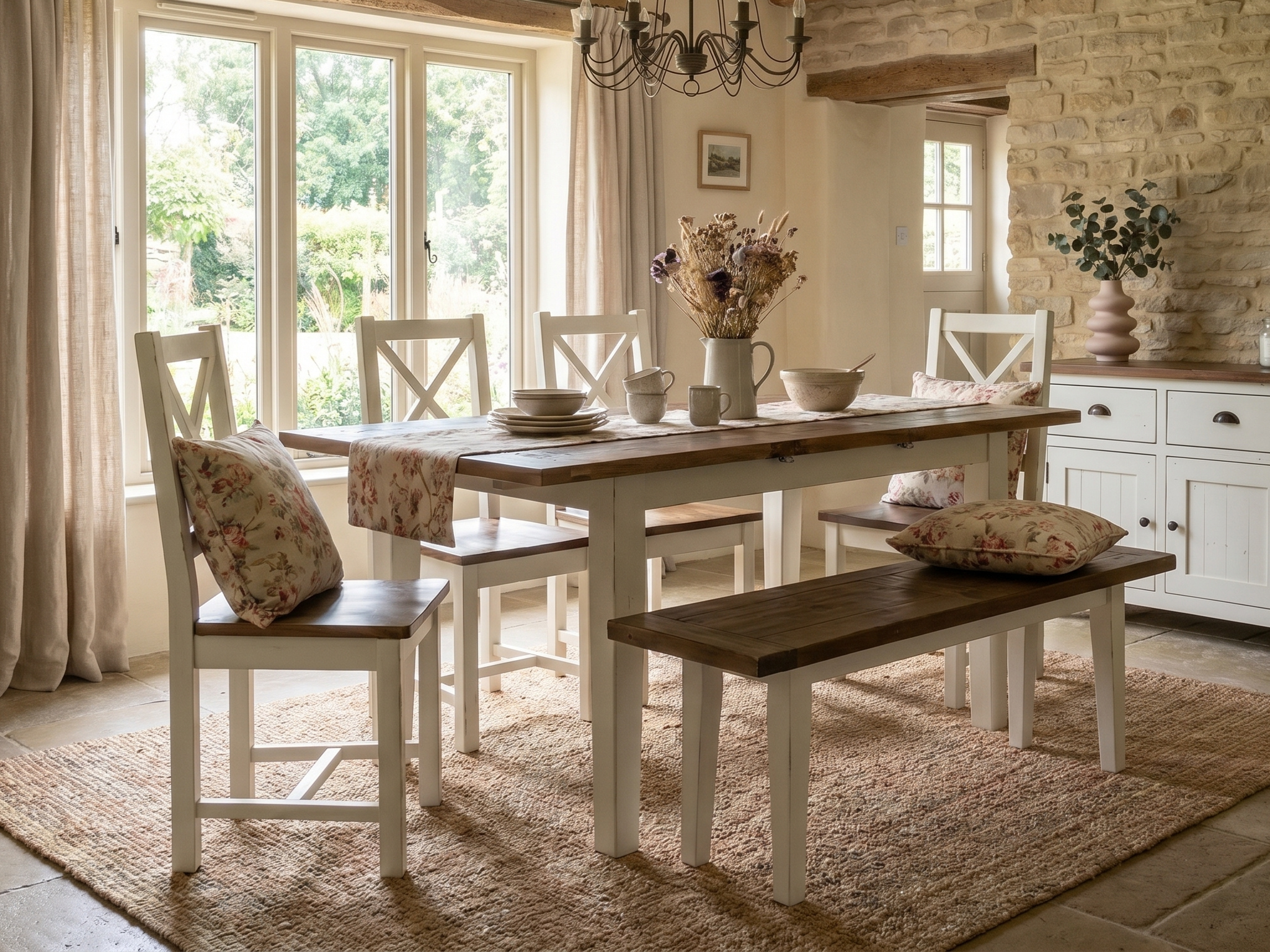
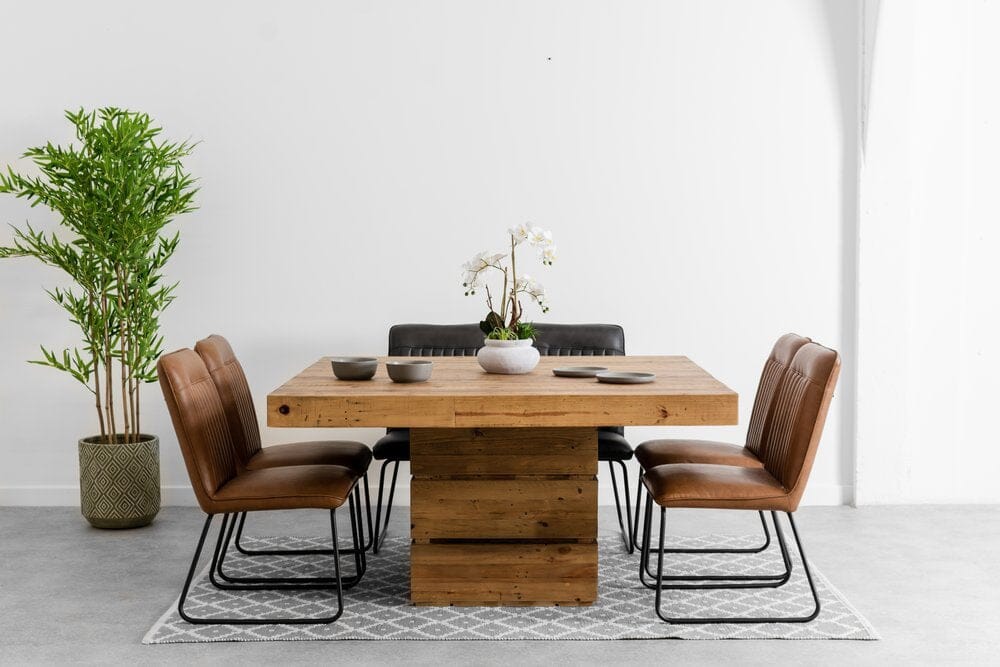
The basics to have a sustainable and intelligent dining space is to have 4 main features; a dining table, chairs, lighting and at least one accessory. You don't need a dedicated dining room per se, the concept of dining this way will work in any space you have in your home that can be used to seat and dine with the number of people you want.


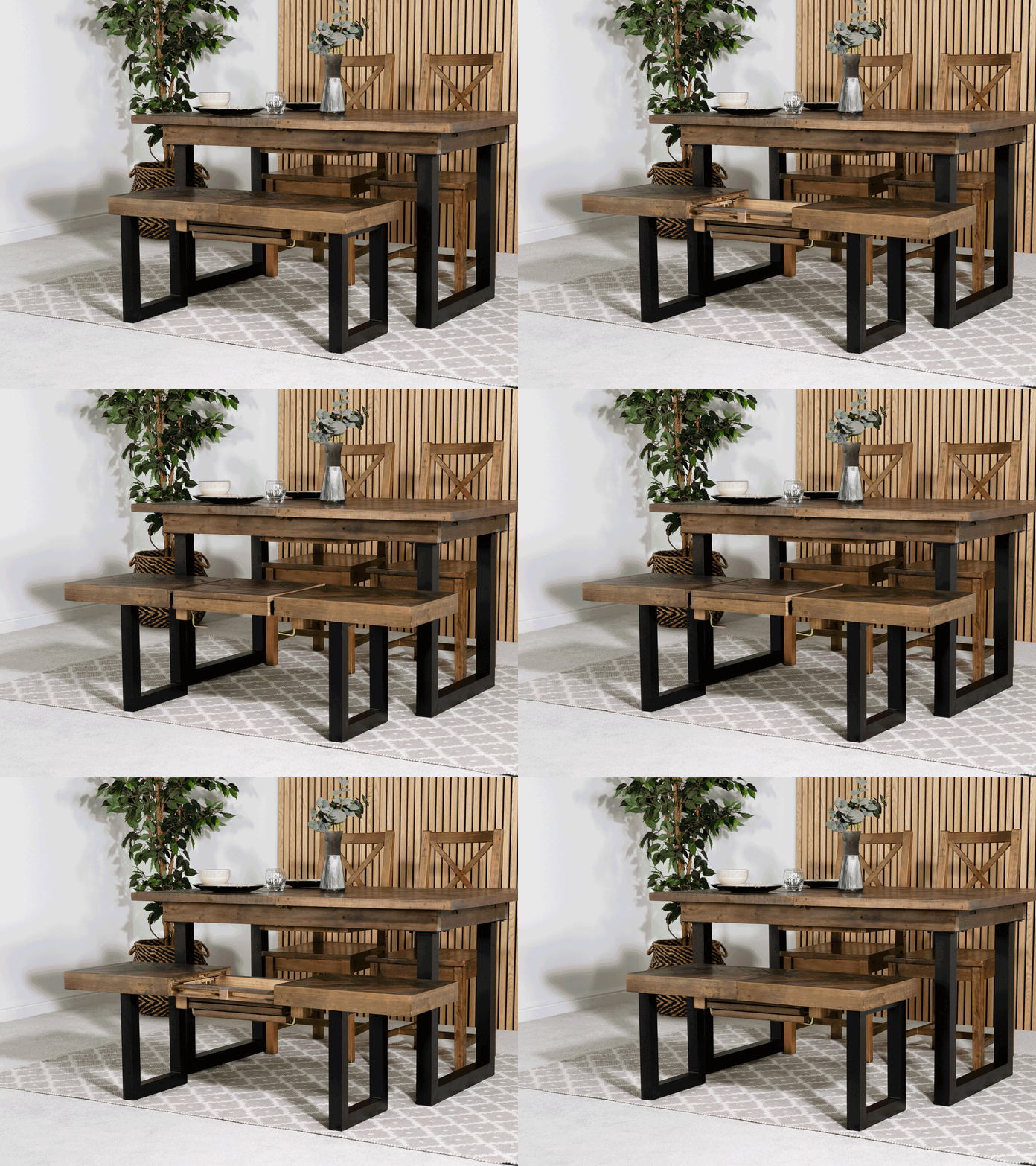
1. You need to make sure you leave enough space between your table and the nearest walls or objects to ensure you can easily pull out the chairs and sit down without any difficulty. If you are not sitting comfortably you won't fully enjoy the moment or the meal. If you already have or are looking to buy a sustainably made dining table, this gives you extra brownie points however, if you've already got a table that you are not ready to part with just yet, that is just as good as you are being resourceful with what you already have. It is not always about a singular thing, there are many ways to introduce sustainability into your home and dining space.

2. Sufficient lighting is also key in your dining space. An overhead feature to brighten the space is effective and also makes it easier to see the people around you and the food on the table. We would recommend sourcing energy efficient lighting or, even better, led lighting for dining room areas, as that uses 90% less energy than standard incandescent lighting and they last much longer so less wastage. Additional table lamps or sconces can give the space an ambient lift. This gives you the flexibility to adjust the lighting in the room if for example you want to create a cosy feel to have a warm hearty meal, or by using dimmer and softer lights for a romantic dinner.
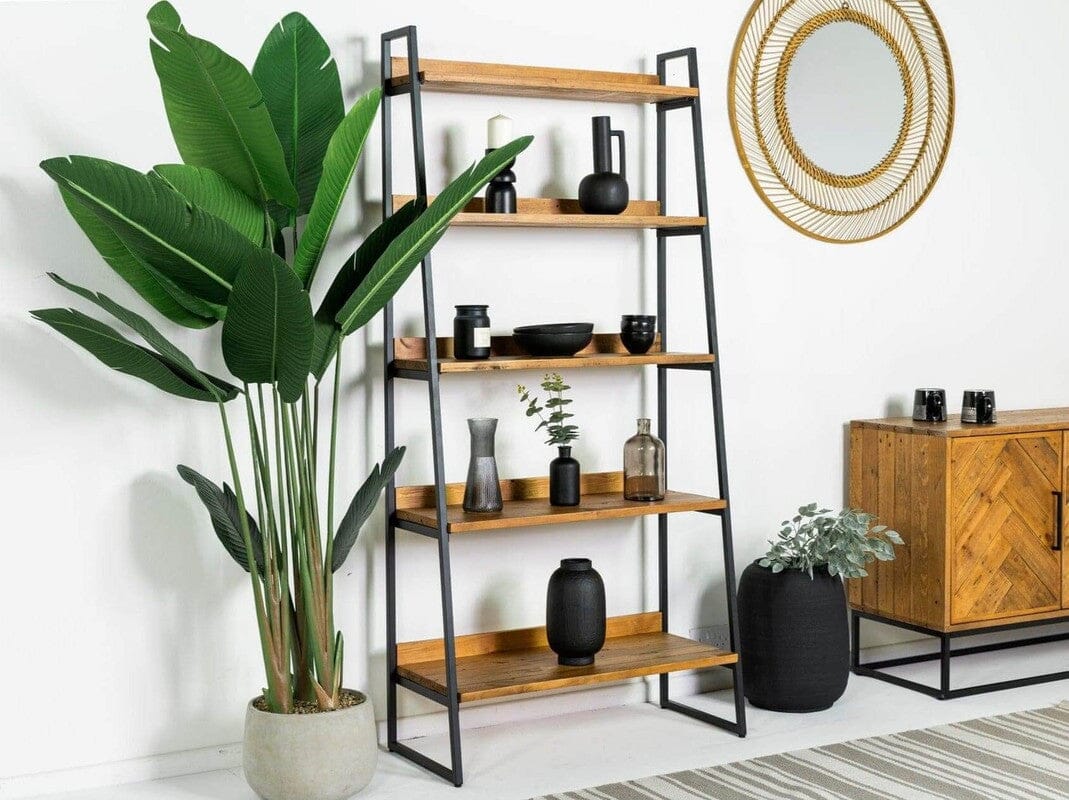
3. It is always nice to have a focal feature in any room, whether that be a particular piece of furniture or a coloured or wallpapered wall. A room without a focal point does not draw you in and a room with too many items competing for attention can be quite unsettling. Small touches like picture frames, plaques and vases can also give the room a more homely and welcoming feel. Vintage and recycled pieces are also a nice touch and sustainable too. A rug can act as a focal point or just used to add depth to the space. If you want to have textiles in your space, try to find organic cotton table linens and fibres, reusable cloth napkins, and washable fabrics that don't use harsh chemical dyes.

Neutrals work well in any room and it is always nice to keep the theme consistent throughout the home. Depending on the intensity you want to achieve, ensure to pick the right feature colour or wallpaper to go with your painted walls to achieve a light, medium or dark space. Avoid using blue walls in your dining space as this can be an appetite suppressant.

4. Last but not least, accessorise your dining space! Much attention isn't given to this but it's the small touches that can really make a difference. Bringing greenery and flowers into the space can help to give it the natural feel and an added benefit is that it can purify the air in your room too. Consider indoor plants for dining room freshness and a calming, biophilic touch. When getting flowers try to find organic where possible and source them local to. If using flowers and or candles, ensure they are not too fragrant as you don't want too many distracting aromas where you want to eat. Purchasing soy or beeswax candles are also the more sustainable option.


Whether you are able to dine with others or not, one of the key things to make dining beneficial for you is to do it sustainably. We understand that change doesn't happen in a day, but over time even the small changes you make like selecting sustainable dining furniture, reusable napkins or even using eco-friendly dinnerware, it all makes a difference and contributes to creating a more sustainable home for you and an even better sustainable world for everyone.
Frequently Asked Questions
Question: Do I need a dedicated dining room to dine sustainably?
Answer: No. You can create a sustainable dining experience in any spot that seats the people you have in mind. Focus on the four basics: a table, chairs, lighting, and at least one accessory. If your furniture is sustainably made, that’s a bonus, but keeping and using what you already own is also sustainable and resourceful.
Question: How much space should I leave around the table?
Answer: Leave enough room to pull out chairs and sit down without difficulty. Comfort is essential to enjoying the meal and the moment. The key is clear access around the table so everyone can sit and move easily.
Question: Why is lighting emphasized, and what kind should I choose?
Answer: Good lighting helps you see your food and the people you’re with, and it sets the mood. An overhead fixture brightens the space, while table lamps or sconces add ambience. Choose energy-efficient options—LEDs use about 90% less energy than incandescent bulbs and last longer, reducing waste. Dimmers or softer lights help you create a cozy or romantic feel when you want it.
Question: How should I approach decor and color in a sustainable dining area?
Answer: Give the room a single focal point (a special piece, a rug, or a feature wall) to draw you in, and avoid too many items competing for attention. Small touches like picture frames, plaques, and vases make the space welcoming; vintage and recycled pieces are both charming and sustainable. For textiles, look for organic cotton linens, reusable cloth napkins, and washable fabrics without harsh dyes. Neutrals work well and help keep a consistent theme; choose a feature color or wallpaper to achieve the light, medium, or dark mood you want. Avoid blue walls, which can suppress appetite.
Question: What simple, sustainable accessories can I add right now?
Answer: Bring in greenery and flowers to create a natural, calming feel; they can also help purify the air. When possible, choose organic and locally sourced flowers. Use candles that aren’t overly fragrant so they don’t compete with your meal, and opt for soy or beeswax as more sustainable choices. Even small swaps—like reusable napkins or eco-friendly dinnerware—add up over time.


Leave a comment
This site is protected by hCaptcha and the hCaptcha Privacy Policy and Terms of Service apply.