





When you're investing in furniture you actually want to keep, the choice between reclaimed wood and new wood matters more than most people realise. Both options have genuine strengths - but they're built differently, they age differently, and they suit different kinds of buyers.
This guide compares reclaimed wood furniture and new wood across the things that actually count: durability, character, sustainability, maintenance and long-term value. By the end, you should have a clear sense of which one belongs in your home.
Reclaimed Wood vs New Wood: At a Glance
| Factor | Reclaimed Wood | New Wood |
|---|---|---|
| Character | Unique grain, knots, natural markings - one of a kind | Consistent and uniform - predictable finish |
| Durability | Already seasoned and proven over decades | Depends on species and manufacturing quality |
| Repairability | Can be sanded, oiled and restored | Difficult once the surface is damaged |
| Sustainability | No new trees felled, carbon already sequestered | Responsible sourcing available but harvesting carries a carbon cost |
| Lifespan | Often lasts generations - gets better with age | Varies - composite options deteriorate over time |
| Maintenance | Soft cloth, coasters, natural beeswax polish | Follow manufacturer finish - avoid abrasives |
| Price | Higher upfront - better long-term value | Lower upfront - replacement costs add up over time |
| Best suited for | Long-term investment pieces, family homes, statement furniture | Tight budgets, temporary spaces, uniform modern interiors |
What Is the Actual Difference?
New wood furniture is made from freshly harvested or recently milled timber. It arrives consistent, clean and uniform - every piece from the same batch looks broadly the same, and manufacturers can control the species, dimensions and finish precisely.
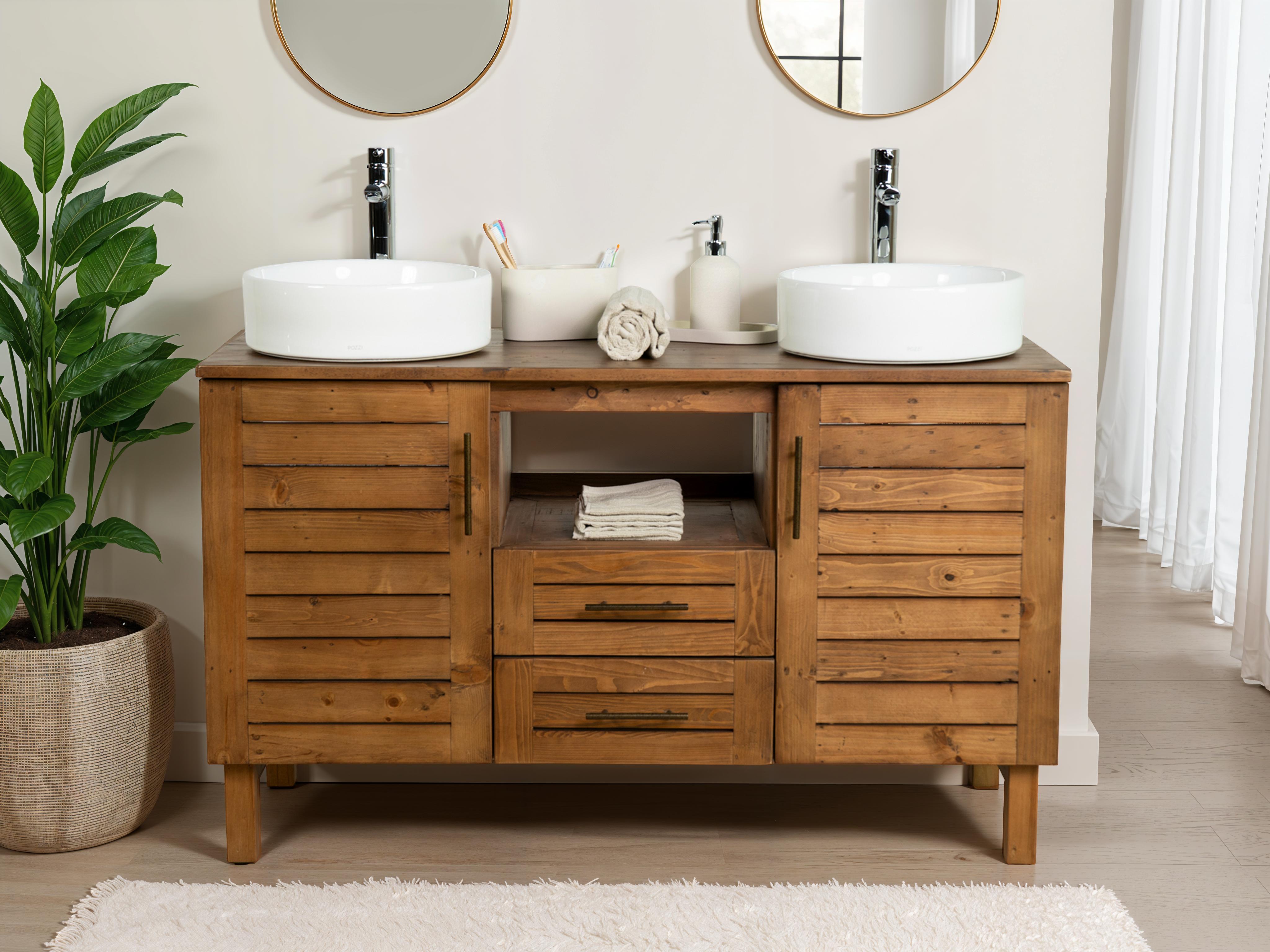
Reclaimed wood furniture is made from timber that has already had a previous life. It comes from old barns, factories, warehouses, railway sleepers and old floorboards - structures that are no longer in use. That timber is salvaged, cleaned, inspected and crafted into furniture. No new trees are felled. The wood already exists. It is simply being redirected rather than wasted.
That difference in origin is what drives every other comparison between the two.

Durability: Which One Actually Lasts Longer?
This is where a lot of people are surprised. There is a common assumption that older wood must be weaker - in reality, the opposite is usually true.
Reclaimed timber is seasoned timber. It has already been through the natural process of expanding, contracting and settling that all wood goes through when exposed to changes in temperature and humidity. That process is largely done. New wood is still going through it - which is why the risk of warping, shrinking or cracking is higher in the early years of a new wood piece, particularly in UK homes where central heating creates significant seasonal changes in moisture.
Much of the timber used in reclaimed furniture also comes from old-growth trees - trees that grew more slowly than most commercially harvested timber today, producing denser and stronger wood as a result. That density does not disappear when the wood becomes a dining table or a bed frame.
Reclaimed wood is also repairable. If a solid reclaimed wood table gets scratched or marked over years of daily use, you can sand it back, re-oil it, and it comes good again. That is not possible with MDF, particleboard or veneer furniture - once the surface is damaged, it stays damaged. With reclaimed wood, the furniture can outlast trends, house moves, even generations.
Character and Aesthetics: Unique vs Uniform
New wood offers a clean and predictable finish. If you need surfaces that match exactly - for a very controlled modern interior - new wood gives you that consistency. It is a blank canvas, and for some design briefs that is exactly what is needed.
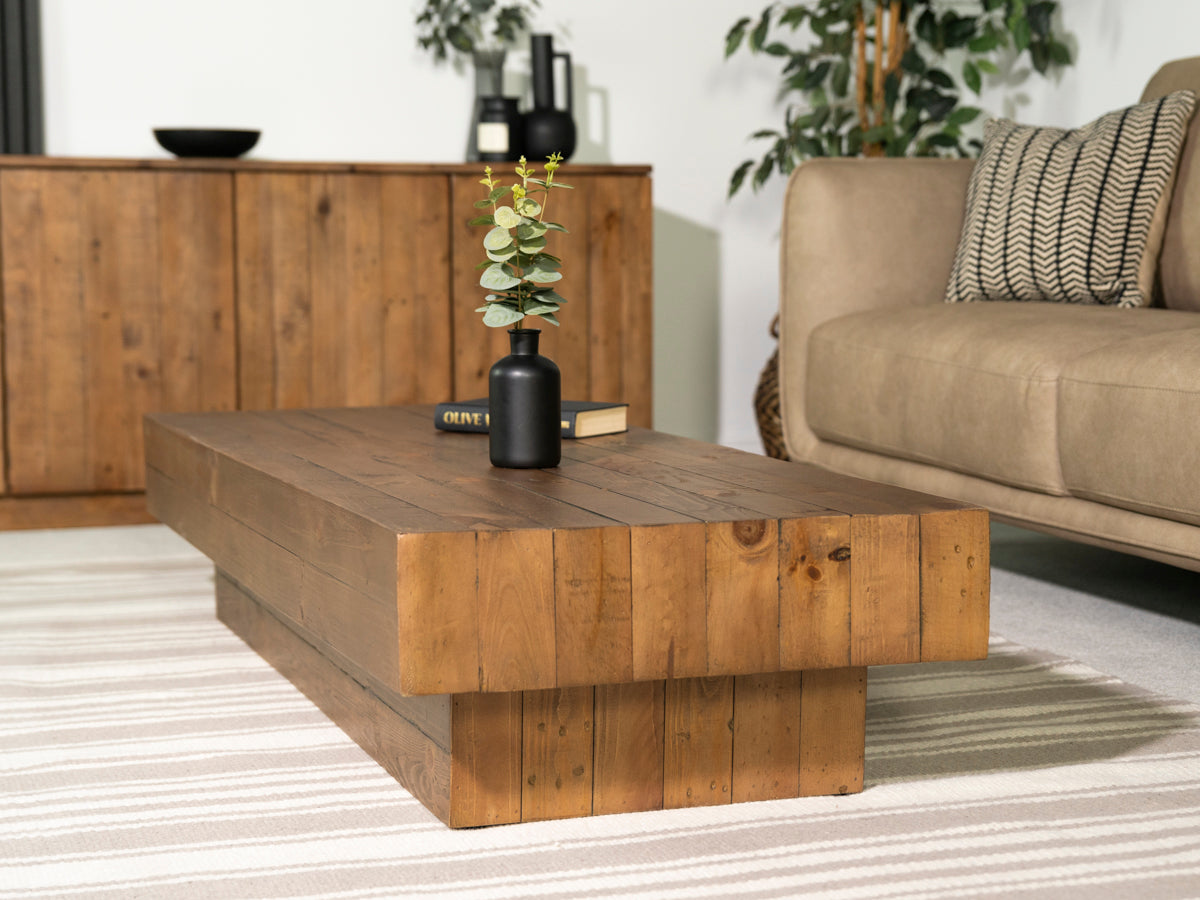
Reclaimed wood is something else entirely. The grain depth, the natural colour variation, the knots, nail holes and weathering marks that come from decades of real use - none of that can be manufactured or replicated. It is the real thing, and every piece is genuinely one of a kind. Two reclaimed wood coffee tables made from the same batch of timber will still look different from each other.
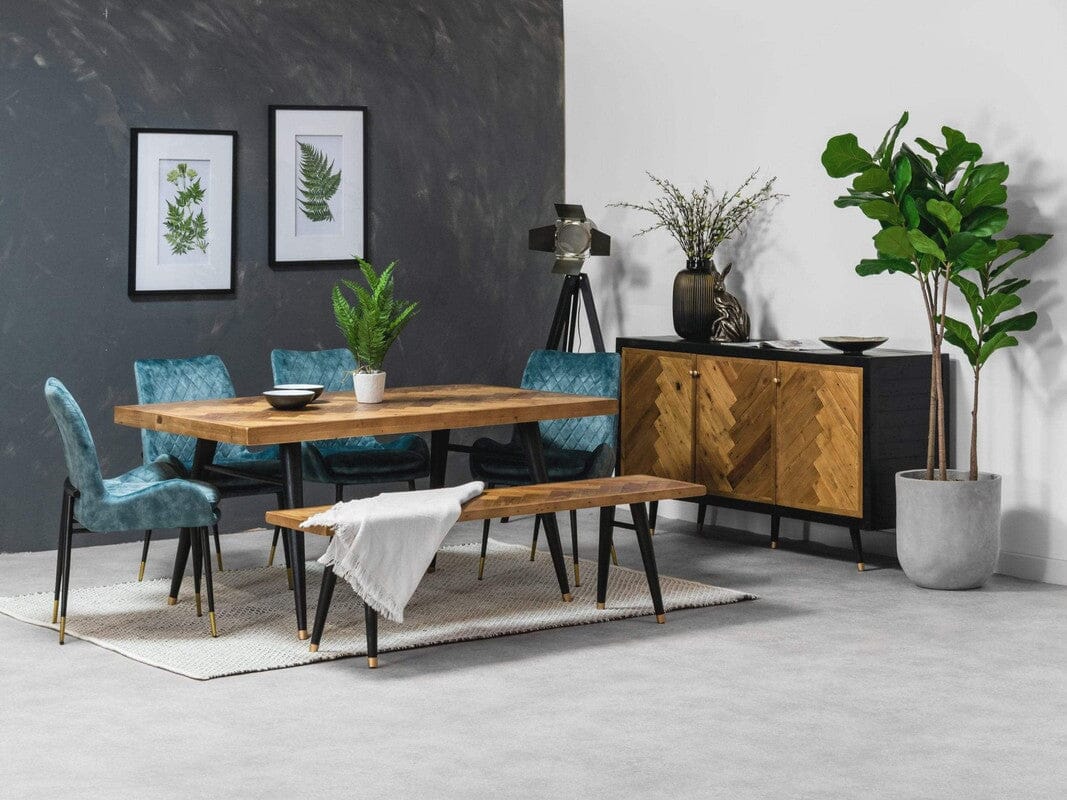
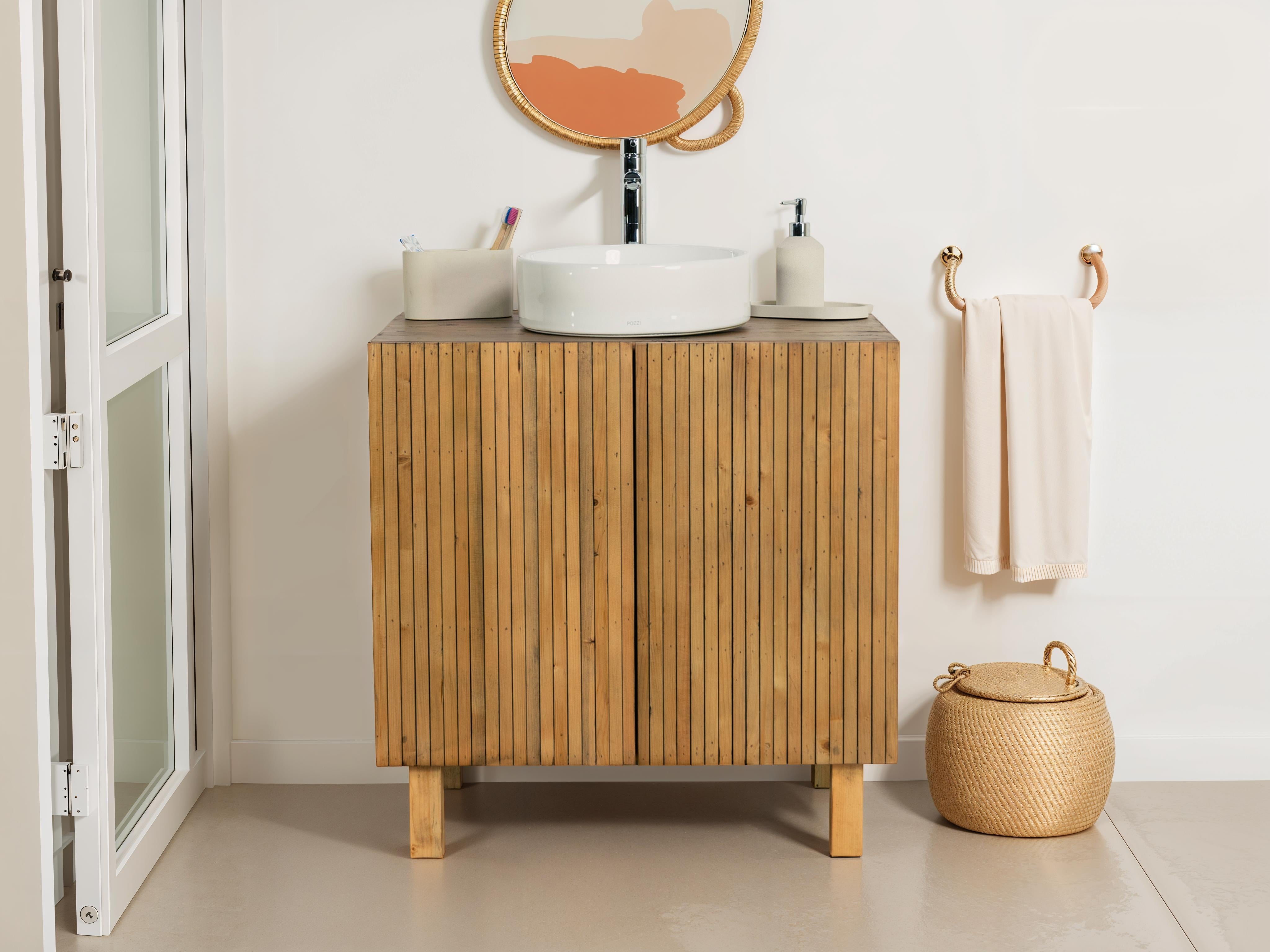
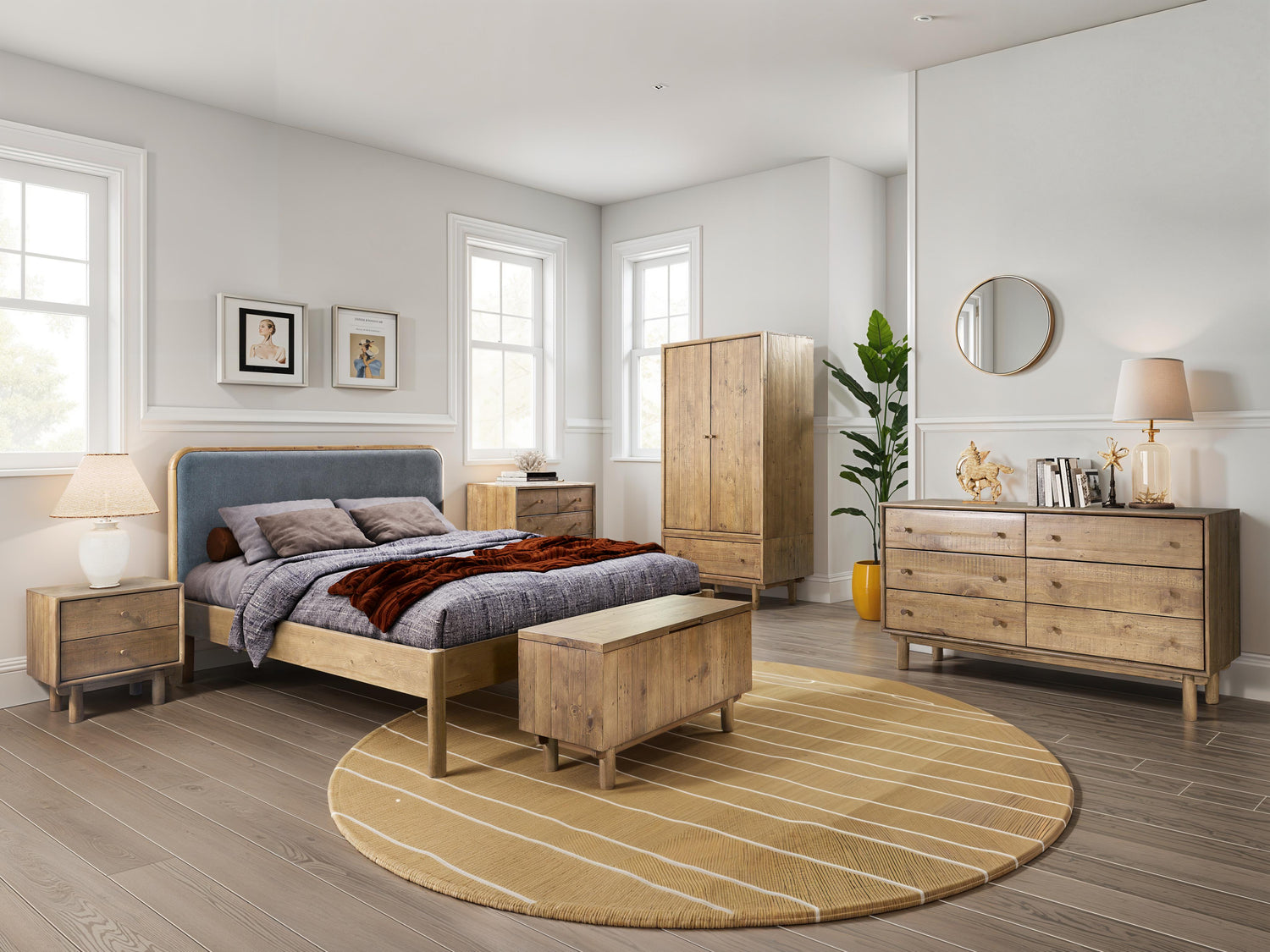
It is also worth addressing a misconception here: reclaimed wood is not just for rustic or farmhouse interiors. It works equally well in contemporary, industrial, Scandinavian and modern spaces - often as a single statement piece that brings warmth and texture to an otherwise clean room. Its natural tones sit well alongside stone, linen, leather and plaster finishes.
Over time, solid reclaimed timber develops a richer patina. The small marks and signs of daily life add to its story rather than making it look tired. That is the opposite of what happens with composite or veneer furniture, which tends to deteriorate rather than mature.

Sustainability: How Do They Compare on Environmental Impact?
Sustainability is one of the reasons many people are drawn to reclaimed furniture - but it is worth being clear about what the difference actually is, rather than just accepting an eco label at face value.
New wood from certified forests comes from land managed to regenerate over time. Trees are replanted, biodiversity is protected, and supply chains are independently verified. It is a responsible choice. But it still involves felling trees, processing timber and transporting it - all of which carry a carbon cost, even under the best forestry practices.
Reclaimed wood sidesteps most of that. The carbon was sequestered long ago. No new trees are affected. The wood requires minimal reprocessing before it becomes furniture. And because well-made reclaimed pieces last so long, they do not need replacing - which matters more than most people realise when you look at the full environmental picture of furniture across its lifetime.
Both options sit well ahead of uncertified virgin-cut timber. But if the full environmental picture matters to you, reclaimed wood is the more complete answer.
Maintenance: What Does Each One Need?
Many people assume that reclaimed wood furniture requires specialised products or extra effort. It does not. Care requirements are broadly the same as any quality solid wood furniture.
For both reclaimed and new wood, the basics are the same: wipe down regularly with a soft cloth, deal with spills immediately, use coasters and placemats on surfaces, and keep furniture away from direct heat sources.
Where reclaimed wood differs slightly is in what to use for conditioning. A natural beeswax polish every few months nourishes the wood and adds a gentle protective layer. Silicone-based sprays are worth avoiding - they build up over time and seal the surface rather than letting the wood breathe. For a full seasonal care guide, our post on caring for reclaimed wood furniture covers everything in detail.
Why Reclaimed Wood Furniture Is a Long-Term Investment
The upfront cost of reclaimed wood furniture is higher than budget or flat-pack alternatives - and that is worth being honest about. But focusing only on the purchase price misses what makes it a different kind of buy.
Exceptional lifespan. A well-made reclaimed wood piece can remain functional and beautiful for decades, reducing the need for future replacements. Furniture that lasts 25 years often works out far cheaper than furniture that needs replacing every five to seven years.
Timeless design. Unlike trend-driven furniture that quickly dates, reclaimed wood has enduring appeal. It does not go out of style because it was never defined by one style to begin with.
Genuine craftsmanship. Reclaimed wood pieces are built by skilled makers working with real timber - not produced on a large assembly line. That shows in the quality and the finish.
Unique character that holds its value. Because no two pieces are the same, reclaimed furniture retains an individuality that mass-produced products cannot offer. It is not just furniture. It is something worth keeping.
For many buyers, choosing reclaimed wood is not just about sustainability - it is about buying once, buying well, and ending up with something that gets better rather than worse as the years go by.

Is Reclaimed Wood Furniture Right for You?
- Want furniture that will last decades and improve with age
- Value natural character and individuality over uniformity
- Are furnishing a family home where pieces will get genuine daily use
- Care about the full environmental picture rather than just an eco label
- Want something that feels like an investment rather than a purchase
- Are looking for a statement piece with genuine presence and warmth
If you are furnishing a home you plan to keep and care about what goes into it, reclaimed wood is built to a different standard. For more on finding the right pieces, the complete guide to reclaimed wood furniture is worth reading before you browse.
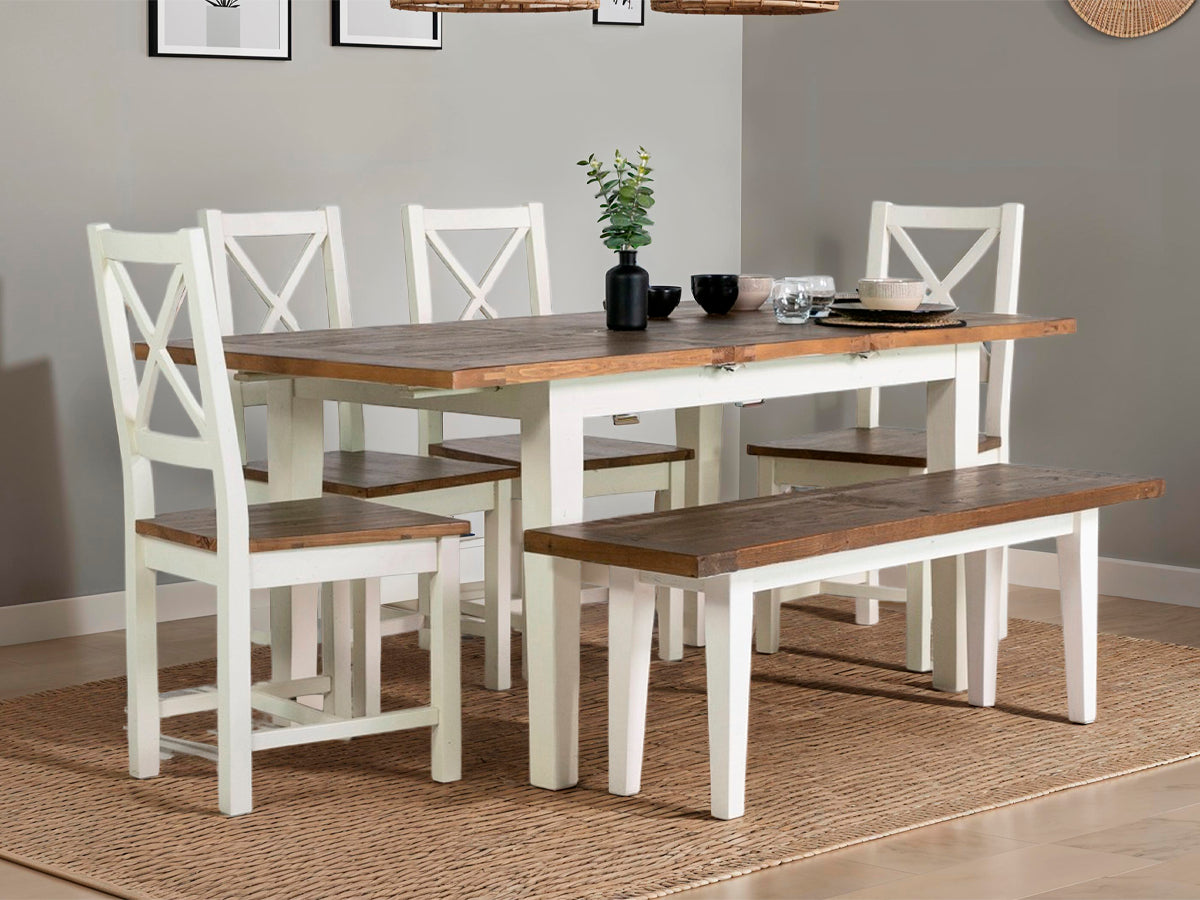
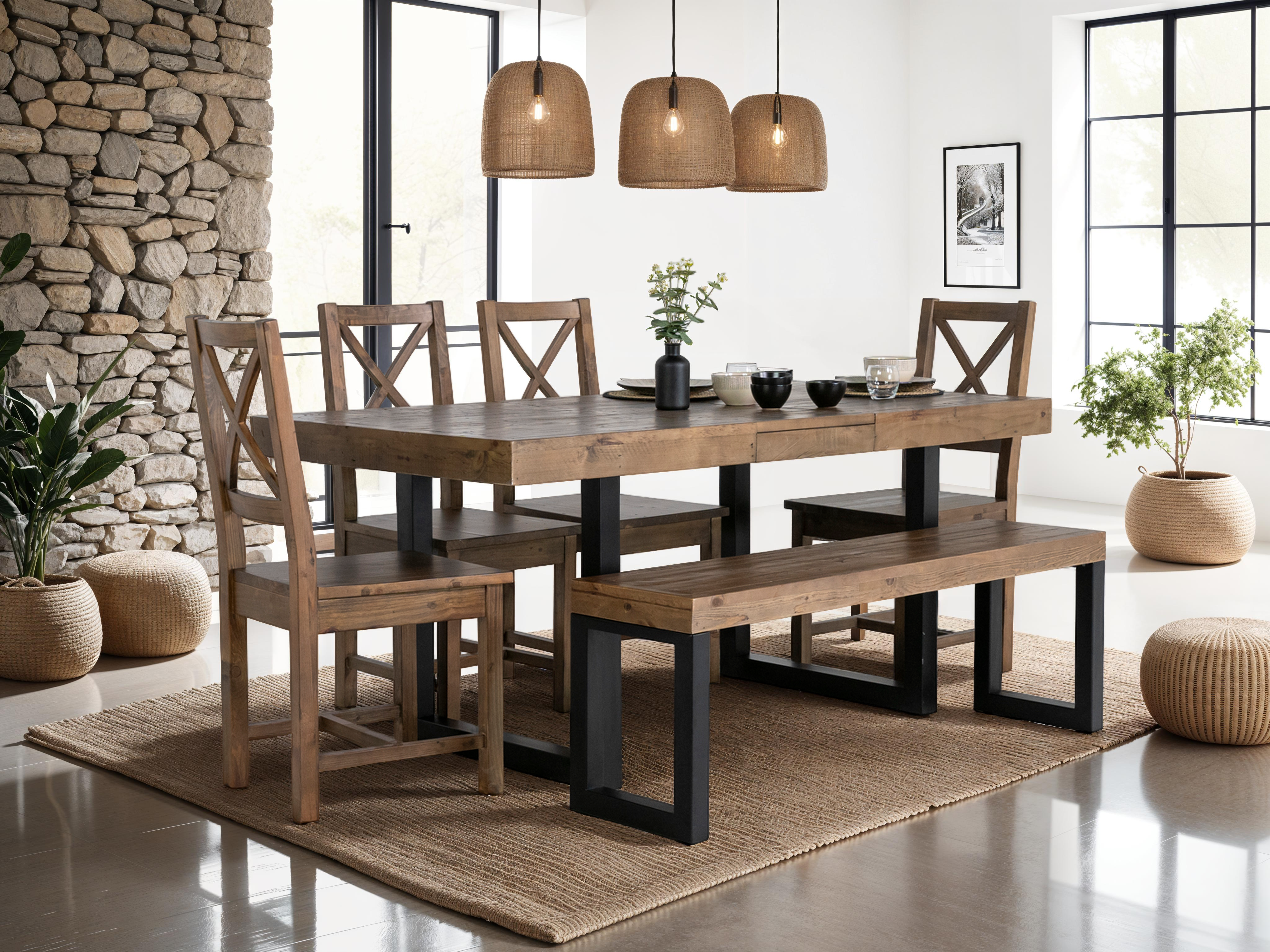
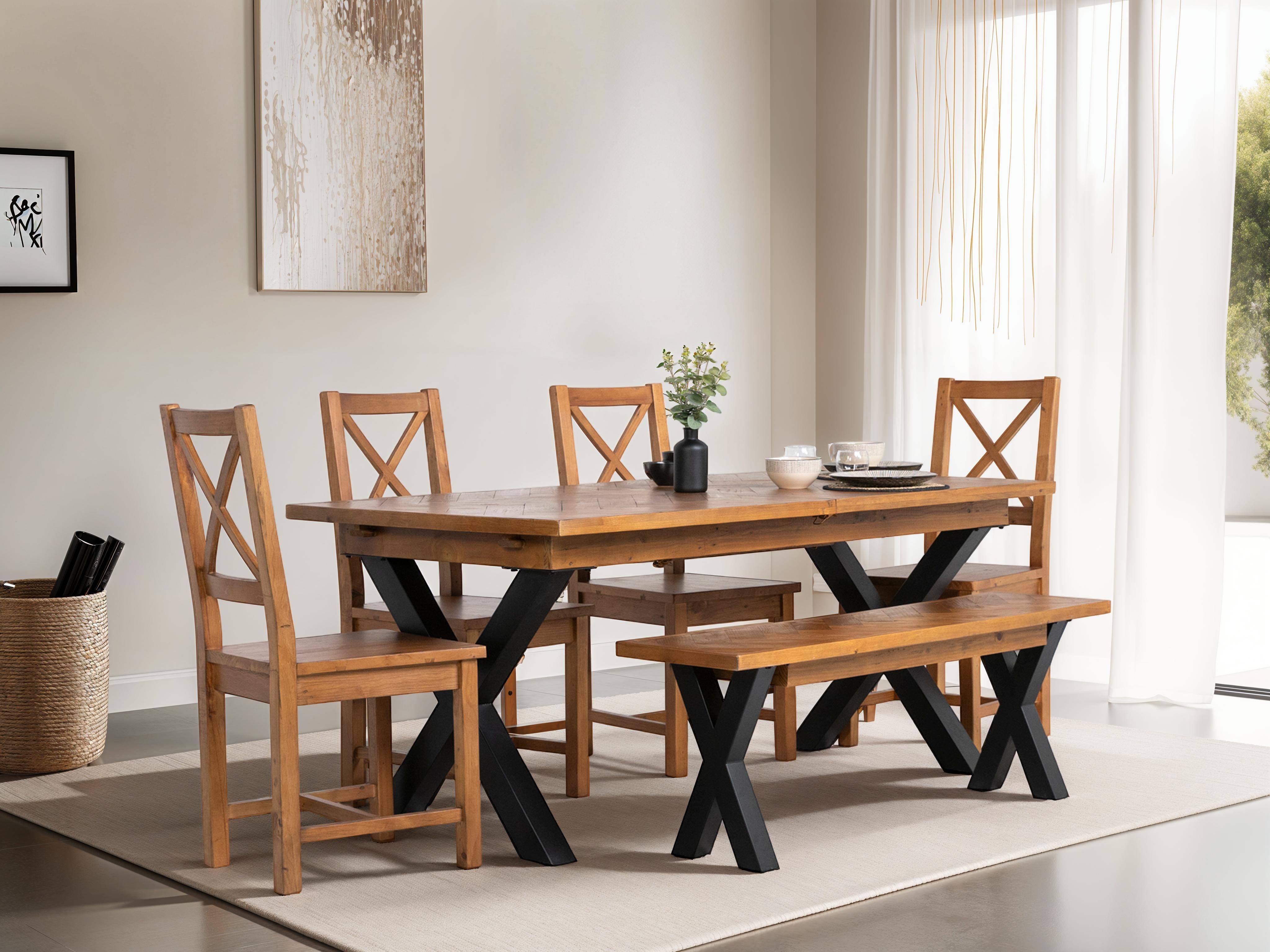
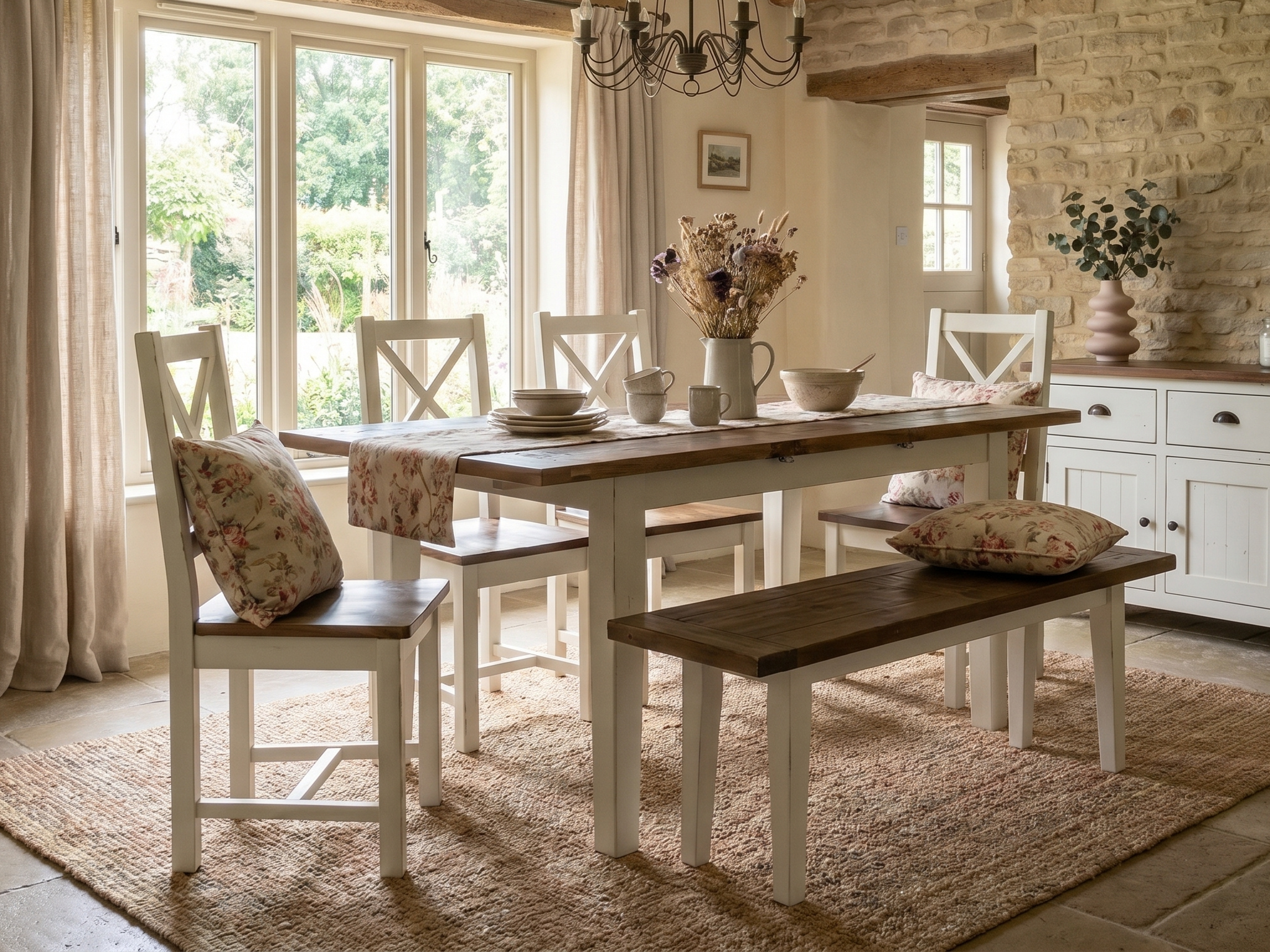
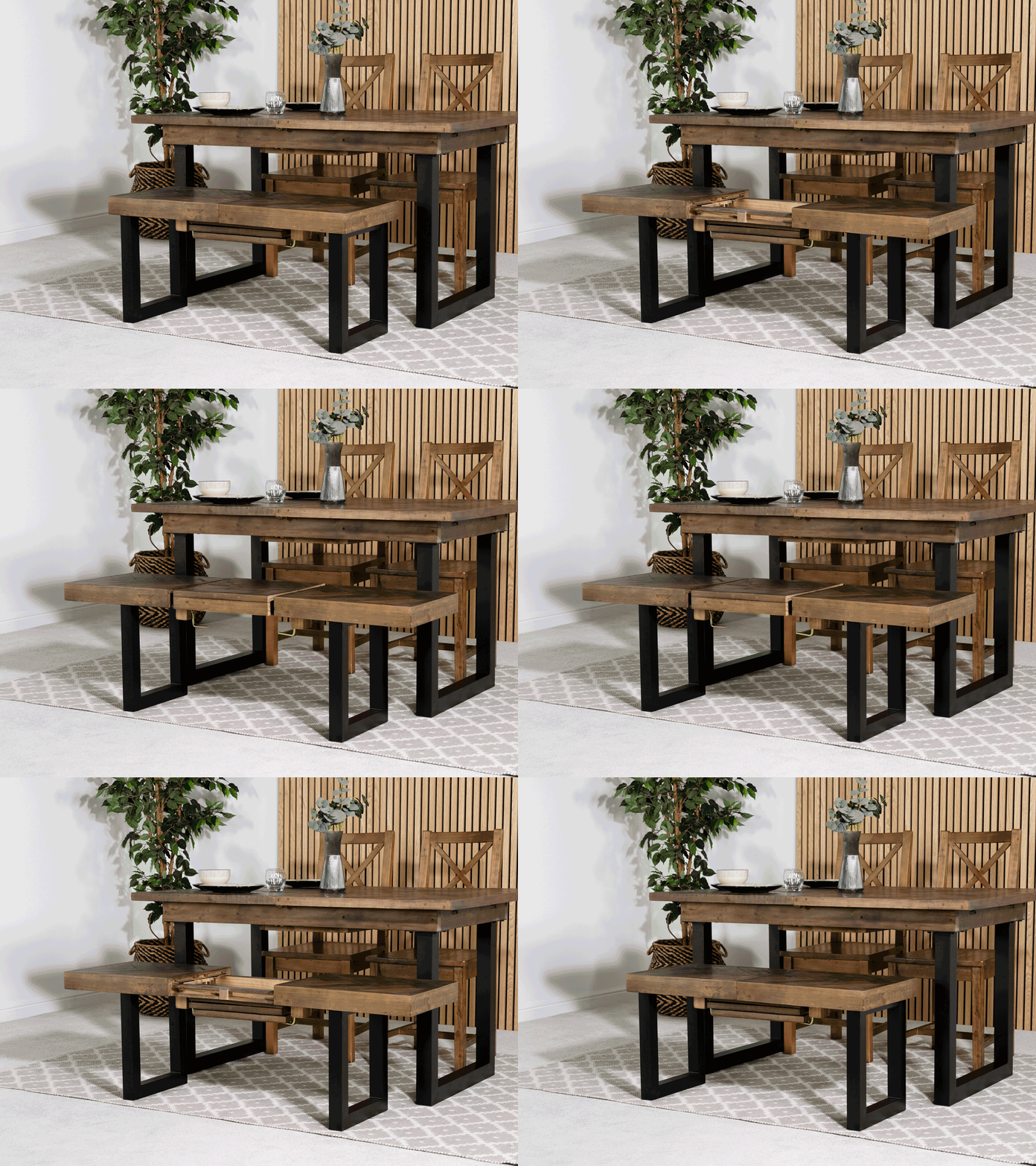
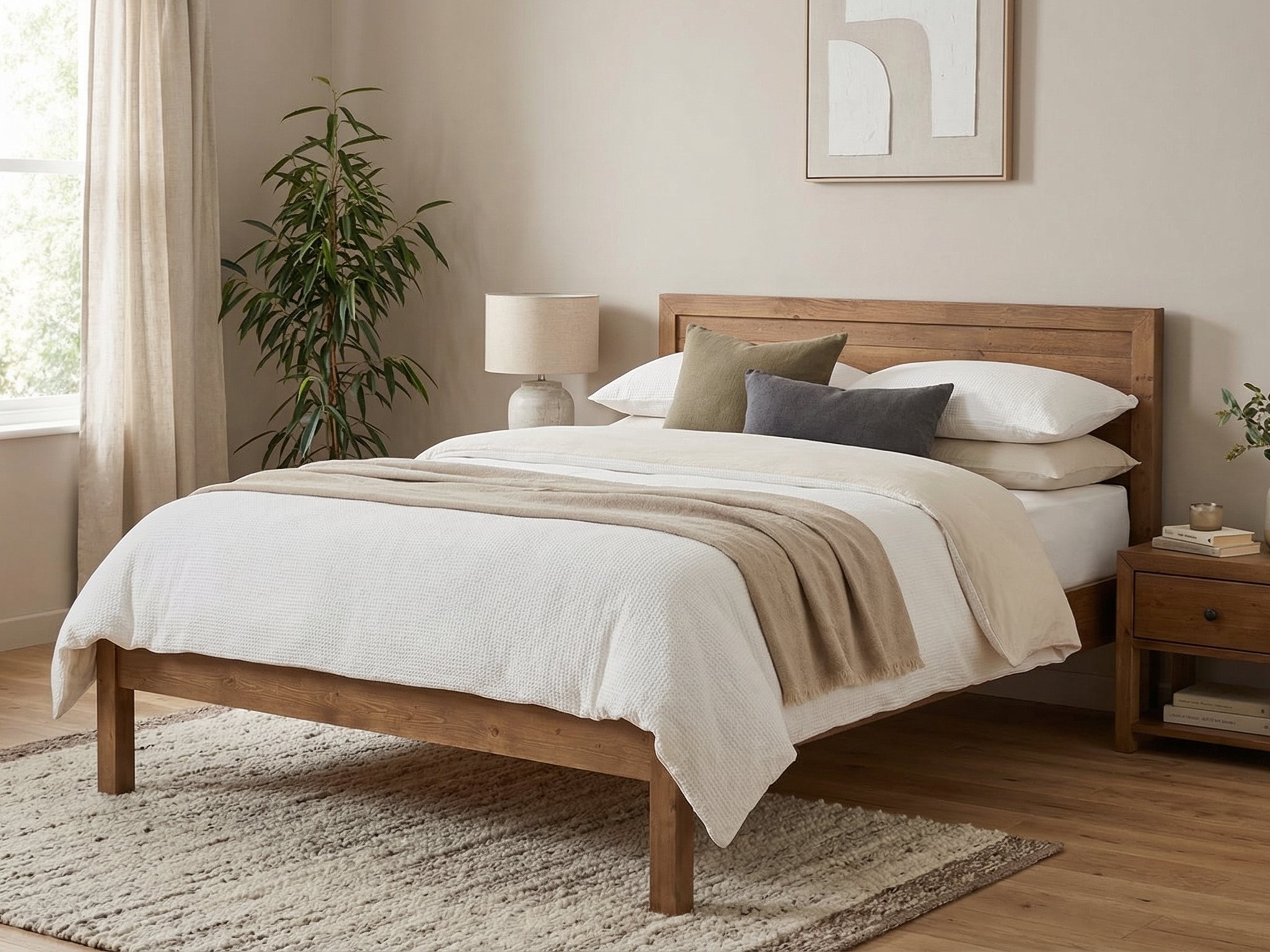
Or if you are ready to explore, our dining tables, bed frames and coffee tables are among our most popular pieces - each one made from solid reclaimed timber and built to last.
Frequently Asked Questions
Is reclaimed wood furniture more durable than new wood?
Generally, yes. Reclaimed timber has already been through the natural settling and seasoning process that new wood is still going through. It has proven its durability over decades of real use - and solid reclaimed wood can be sanded and restored if it gets marked, giving it a much longer practical lifespan than most new wood or composite alternatives.
Does reclaimed wood only work in rustic or farmhouse interiors?
Not at all. Reclaimed wood works well across a wide range of interior styles - including contemporary, industrial, Scandinavian and modern spaces. It is most often used as a statement piece that adds warmth and texture to rooms that might otherwise feel flat or cold.
Why is reclaimed wood furniture more expensive?
The sourcing, cleaning, preparation and craftsmanship involved in working with reclaimed timber is more labour-intensive than producing furniture from standardised new wood. That is reflected in the price. But because well-made reclaimed pieces last so much longer and can be restored rather than replaced, the cost over time often compares favourably.
Is reclaimed wood furniture high maintenance?
No. Care requirements are broadly the same as any quality solid wood furniture - regular dusting, prompt spill clean-up, coasters on surfaces, and keeping the piece away from direct heat. A beeswax polish every few months is all it takes to keep reclaimed wood in excellent condition.
Is new wood ever the more sustainable choice?
Responsibly sourced new wood from certified forests is a genuine step in the right direction - better than uncertified virgin timber. But it still involves harvesting, processing and transport. Reclaimed wood sidesteps most of that, so in most comparisons it carries a lower overall environmental footprint - particularly when you factor in how long the furniture lasts.
What types of reclaimed wood furniture are most popular?
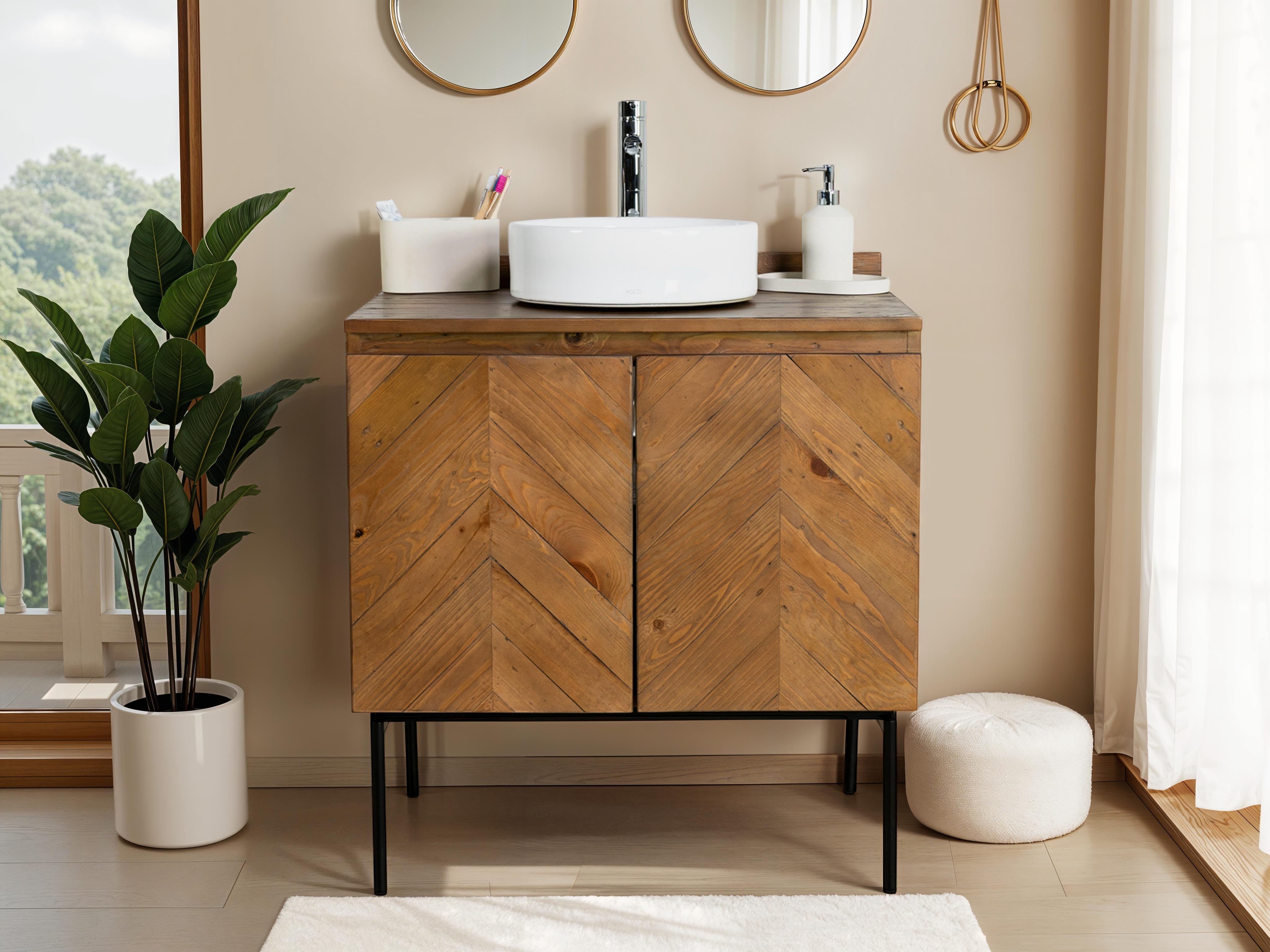
Dining tables are among the most sought-after pieces - the natural character of the timber creates a welcoming space for daily family use. Bed frames, sideboards, coffee tables and storage chests are also popular applications where the durability and individuality of reclaimed wood really shows.

Leave a comment
This site is protected by hCaptcha and the hCaptcha Privacy Policy and Terms of Service apply.